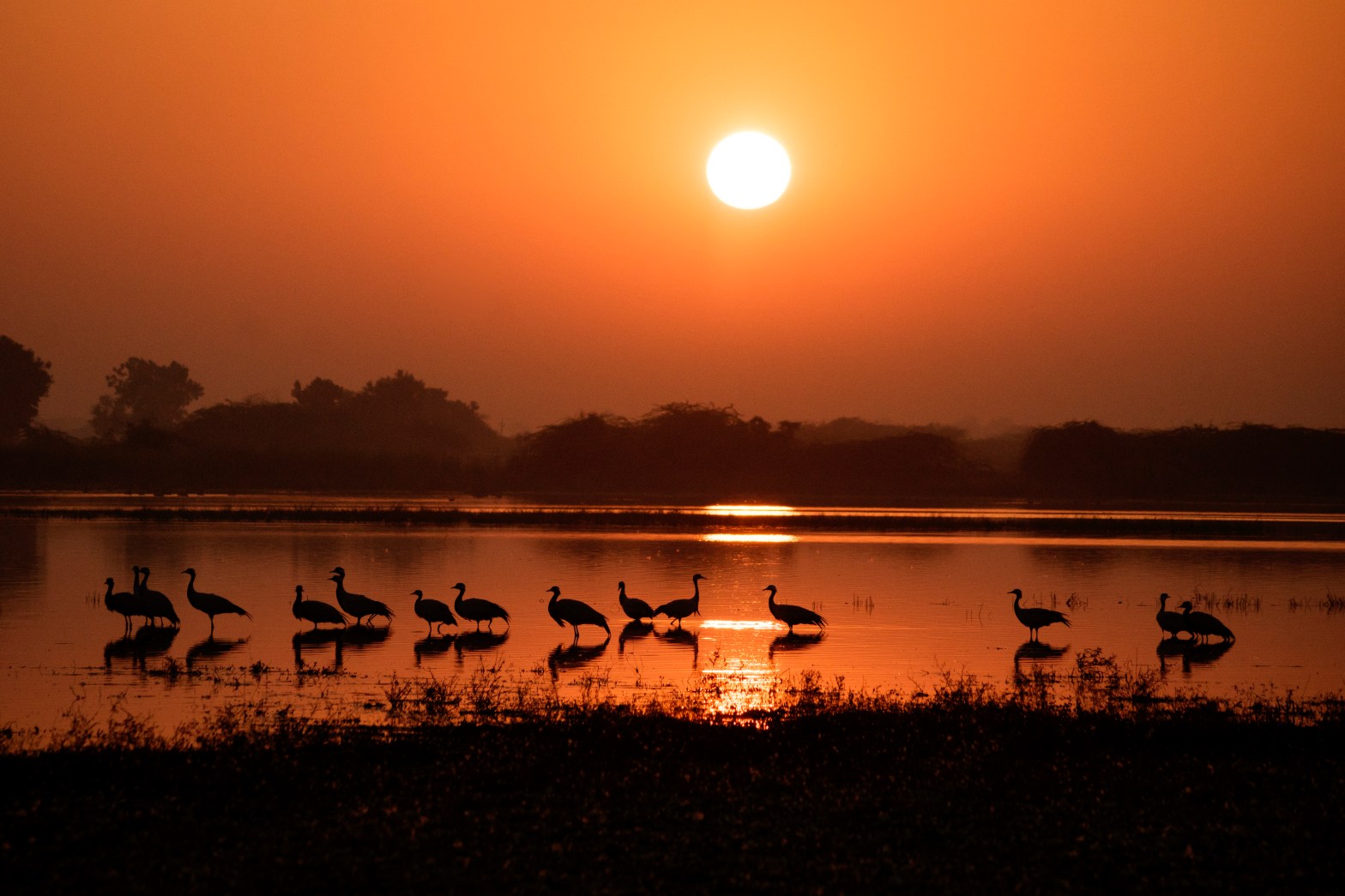
A paid offer to promote a conservation campaign you know nothing about. Take the money, or walk away? Neither answer is automatically right, what matters is whether you checked first. Here’s what a lawyer-cum-photographer would ask before lending a name to someone else’s cause.
I’ve noticed this a few times now, scrolling Instagram. A wildlife photographer gets offered paid work to promote some conservation campaign, posts about being torn over it, and the comments fill up with other photographers either applauding the refusal or quietly admitting they took a similar offer. It’s happened enough times that I wanted to actually think it through, not just scroll past with a like.
One post I remember: a photographer (name omitted for anonymity) was offered money to promote a proposed blackbuck release into grassland habitat. Dozens of other photographers got the same call. He said no, not because the cause was fake, but because he’d looked into it and hadn’t reached the confidence to put his name on it, paid or not. The question that actually stuck with me was his own: if this is real conservation, why does it need a campaign big enough to pay dozens of photographers? Where’s the money going?
I’m a lawyer who also shoots. So here’s what both halves of my brain actually think, instead of just picking a side in someone’s comments.
Is It Wrong to Get Paid for Promoting Conservation?
Saying yes has a real case. Most conservation groups are exactly what they claim to be, and chronically short of the reach a photographer already has. There’s nothing wrong with being paid for that, the same way a vet or a journalist gets paid for work they believe in.
Saying no protects the one thing your name is actually worth, that people believe you when you do say something’s worth supporting. But it has costs too, and a loud public “no” made for the algorithm can look identical to a principled one without being it. In one thread, someone pushed back hard: “so you’re saying no without even trying to know?” The reply held up. He’d looked into it, he just hadn’t reached the confidence to endorse it publicly. Fair, if true. That’s really the whole thing. Not which answer you land on. Whether you actually looked before landing on it.
Why Should You Ask Where an NGO’s Money Actually Goes?
This is the bit outside most photographers’ training, and the part I find genuinely interesting as a lawyer.
A company’s books get audited in ways a trust’s usually don’t. A charitable trust can take cash, blend “programme spend” with vague “outreach” costs, and move money across borders more easily than a corporate balance sheet allows. This isn’t a conspiracy theory, it’s the actual premise behind FATF’s Recommendations, EU anti-money-laundering rules, which has flagged non-profits as a softer target for years.
Worth knowing, though: FATF revised that recommendation in 2023, because the old wording had been used to justify shutting down legitimate civil society groups too. Even the body that raised the alarm said, be proportionate, don’t assume guilt. Good instinct to borrow. The mechanism for abuse is real. That doesn’t mean any specific organisation is guilty of it. It just means it’s worth checking, not assuming either way.
Have NGOs Actually Misused Money Before?
None of this means NGOs are shady as a category, most aren’t, and it’d be unfair to the people doing real work to suggest otherwise. But the mechanism isn’t hypothetical.
Four US charities calling themselves things like Cancer Fund of America raised over $187 million from donors who thought they were helping cancer patients. The FTC’s complaint said less than 3 percent actually reached one. Two of the charities folded, their operators banned for life from running a charity again.
Closer to the scenario above, the UK’s Aspinall Foundation runs breeding programmes and releases endangered species into the wild, essentially the same model. Its regulator opened a formal inquiry in 2021 over governance concerns, and things have escalated well beyond that since, including a trustee suspension in December 2024. Full details here if you want them. Same lesson as before: “it’s for conservation” was never on its own a guarantee the books are clean.
And in India: The 2019 Income Tax raids on Kalki Bhagwan’s network uncovered ₹500+ crore in undisclosed income, seizing ₹93 crore in cash, gold, and foreign currency, with one report finding donations quietly returned as disguised “expenses” minus a cut. As of today, the case remains an ongoing civil investigation. And in 2021, tax authorities alleged Sonu Sood’s Covid relief charity spent under ₹2 crore of nearly ₹19 crore collected. He denied it all, it’s a contested allegation, not proven fact. Either way, goodwill toward a cause doesn’t mean anyone’s actually checked the fundraising behind it.
Do Wildlife Photographers Have to Disclose Paid Promotions?
Even if the money is entirely clean, there’s a second issue: those campaigns weren’t being labelled as paid. That’s not a grey area anymore. Since 2021, Advertising Standards Council of India (ASCI) has required clear disclosure of paid promotions/posts. While there is no fines for violation, if an influencer (photographer in this case) behaves irresponsibly, they do not only risk losing their reputation and future opportunities, but may also find themselves in the blacklist of non-compliant influencers. ASCI’s 2025-26 report indicated 97.3% of violative ads being on digital platforms.
And it’s not toothless. Kim Kardashian posted about a crypto token, tucked “#Ad” into a pile of hashtags, and the SEC still fined her $1.26 million, because the law requires disclosing how much you were paid, not just a vague tag. The exposure sits with the person who posted it, not the one who paid them.
How Should a Photographer Vet a Paid Conservation Offer?
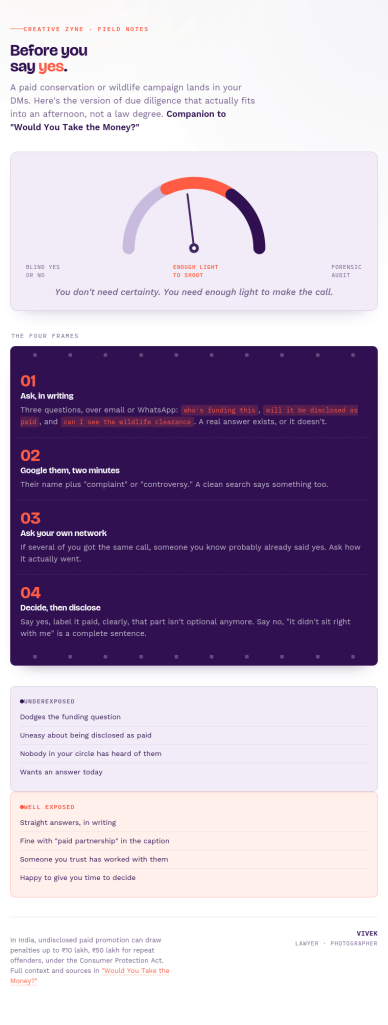
Nobody needs to become a forensic auditor. Here’s what fits into your routine check. Ask two or three direct questions in writing:
- who’s funding this;
- will it be disclosed as paid, and,
- for wildlife work, can they share the forest department clearance for whatever’s actually happening on the ground.
A legit organisation answers without flinching. Vagueness, especially around the disclosure question, tells you something on its own. Google them for two minutes, their name plus “complaint” or “controversy.” And ask around, if dozens of you got the same call, someone you know probably already said yes. Ask how it went.
Then decide. You don’t need investigative proof of whether this is clean, just enough checking (or due dilignece) to trust your own call on it. If you say ‘Yes’, disclose it properly and use the appropriate hashtags like: #Advertisement, #Ad, #Sponsored, #Collaboration, #Partnership. That part isn’t optional or discretionary anymore. If you say ‘No’, you don’t owe anyone an essay. “It didn’t sit right with me” is a complete sentence.
So, Should You Take the Money?
Honestly, I haven’t reach out to anyone for this. I don’t know the photographers or organisations involved (personally), and for all I know most of them would answer every question above easily.
One comment stuck with me more than the louder ones, another photographer just saying he’d turned down something similar too, for his own reasons, without making a thing of it. There’s no rule here that fits every case. Just a habit worth having:
find out who’s asking, where the money’s going, and whether you’re allowed to say you were paid, before you decide either way.
“The disclosure label must be upfront and prominent, so that the consumer doesn’t have to scroll to see the message. It needs to be prominent in a way viewers don’t miss it and it must be appropriate for the channel. The disclosure should be in English or translated into the language of the advertisement.
– ASCI
While many of you are mostly likely to think I am a photographer, not an influencer, why should ASCI Guidelines apply to me? So here is a quick answer for you to check:
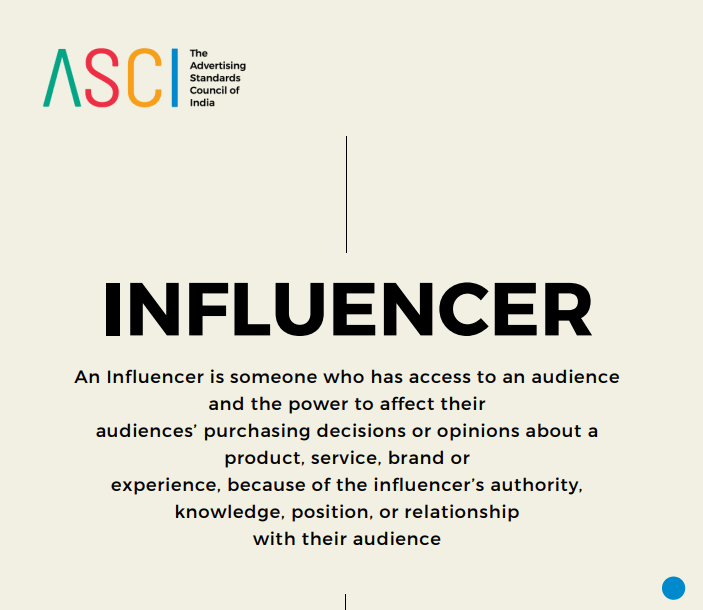
Access the full ASCI Guidlines here
Vivek is a corporate lawyer with over 13 years of experience, as a legal professional. Vivek began his career with a leading intellectual property law firm in India, shaping his early engagement with IP and creative rights. A graduate of one of India’s top national law schools, his practice now focuses on complex contract negotiations and cross-border documentation.
Discover more from Vivek Verma
Subscribe to get the latest posts sent to your email.
 Vivek Verma