A detailed family travel guide to Rishikesh, Haridwar & Devprayag from Mumbai. Off-season insights, Ganga Aarti & hidden gems.
Journeys rarely unfold in straight lines. In Part 1 of Mumbai to Mussoorie, we chose the romance of the rails over the rush of the skies — travelling with children, reclaiming time, and rediscovering friendships that have quietly outlived cities and careers.
Part 2 moves deeper into the foothills — where the river begins its ancient narrative at Rishikesh, where Haridwar breathes beyond its ritual spectacle, where Devprayag reveals a beginning most travellers overlook.
And then, almost unexpectedly, the journey slows in Dehradun — not for sightseeing, but to mark six years of marriage in a way that needed no ornamentation. If the first chapter was about movement, this one is about meaning.
Planning the Stay
When you’re travelling with small kids, predictability is priceless. That’s why we prefer booking a reliable branded hotel chain. You’re not paying for luxury — you’re paying for consistency: clean rooms, hygienic bathrooms, dependable service, and simple food options the kids will actually eat.
Most importantly, you avoid unnecessary stress. Toddlers spill, stain, and create chaos in seconds. The last thing exhausted parents need is haggling over minor accidents. A trusted hotel reduces friction, protects your peace of mind, and lets you focus on the trip — not damage control. So, here is the breakdown of our hotel booking for this trip:
Rishikesh
Where We Stayed: Lemon Tree Hotel
Tariff We Paid: INR 7K/night for ‘Superior‘ room, with breakfast included (upgraded to mountain view room later)
Good Part: Value for money, good food, mountain view, slightly away from the noisy-busy side of Rishikesh
Not-so-good Part: No play area for kids (only an open lawn), no river view
Other Good Hotels to Consider: (a) Lemon Tree Premier; (b) Neemrana’s Glasshouse on The Ganges; (c) Summit By The Ganges Beach Resort & Spa; (d) The Roseate Ganges, and (e) Anand Kashi by the Ganges, Rishikesh – IHCL SeleQtions
Pro Tips: Choose a property with a clear view of the river Ganges (and if possible, access to the river beach).
Dehradun
Where We Stayed: Taj Mussoorie Foothills, Dehradun
Tariff We Paid: INR 20K/night for ‘Deluxe Room King Bed‘ with all meals included
Good Part: Legacy hospitality, good service, dedicated kids play area with lots of games and activities
Not-so-good Part: Poor service at the restaurant (with wedding guests prioritized), some dishes tasted below average, no scenic view from the rooms
Other Good Hotels to Consider: Hyatt Regency Dehradun Resort and Spa
Pro Tips: Always check for wedding bookings on your dates — large events can quietly erode both service quality and the peace you came for.
Mussoorie
Where We Stayed: Ramada By Wyndham Mussoorie Mall Road
Tariff We Paid: INR 11.5K/night for ‘Standard valley-view room on first floor‘ with breakfast included
Good Part: Panoramic view of mountain and sunset, great hospitality, good service, kids play area and room
Not-so-good Part: Kids play area and toys not well maintained, location at the Mall Road forcing us to hire a porter to get our luggage to the hotel for a fee.
Other Good Hotels to Consider: (a) Lemon Tree Resort Mussoorie; (b) The Savoy, Welcomhotel by ITC Hotels; (c) Rokeby Manor
Pro Tips: Avoid staying on Mall Road — you’ll likely need a porter for your luggage. Instead, pick a hotel on Mussoorie’s eastern or western edge for clearer, wider mountain views.
Rishikesh
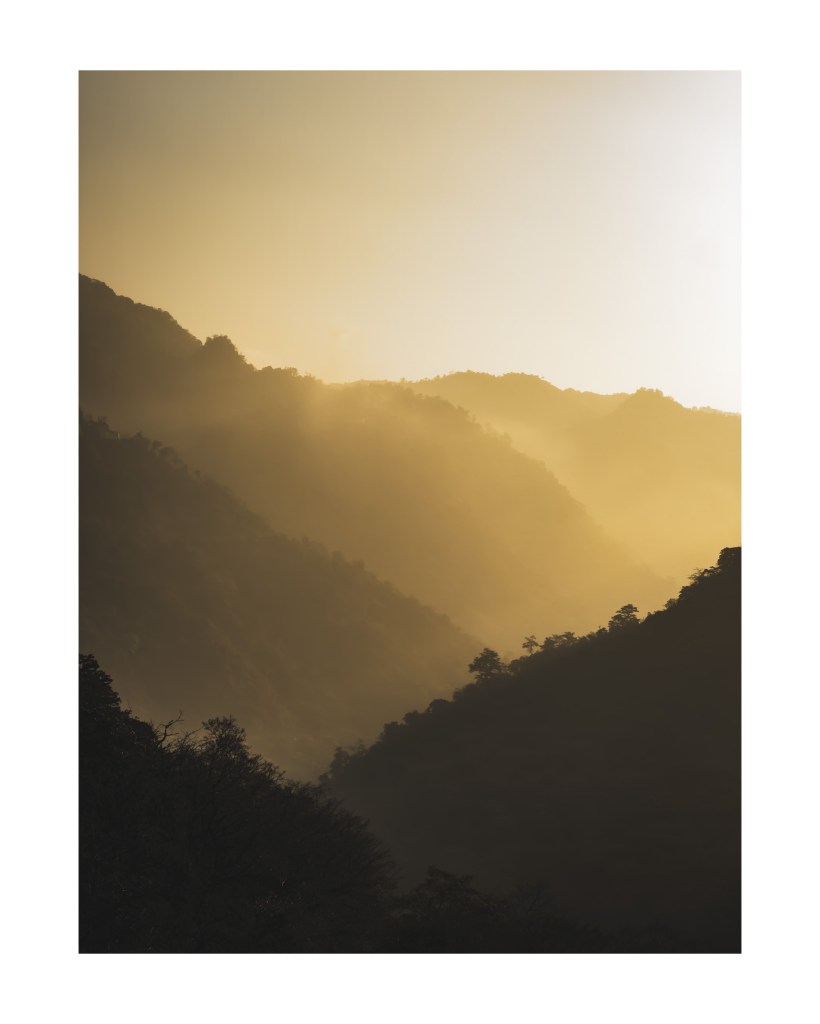
Everyone knows why one goes to Rishikesh. The brochures have done their job. The river, the rafting, the cafés with names borrowed from distant continents, the yoga schools promising reinvention — all of it well documented.
But that is not the Rishikesh I would return to.
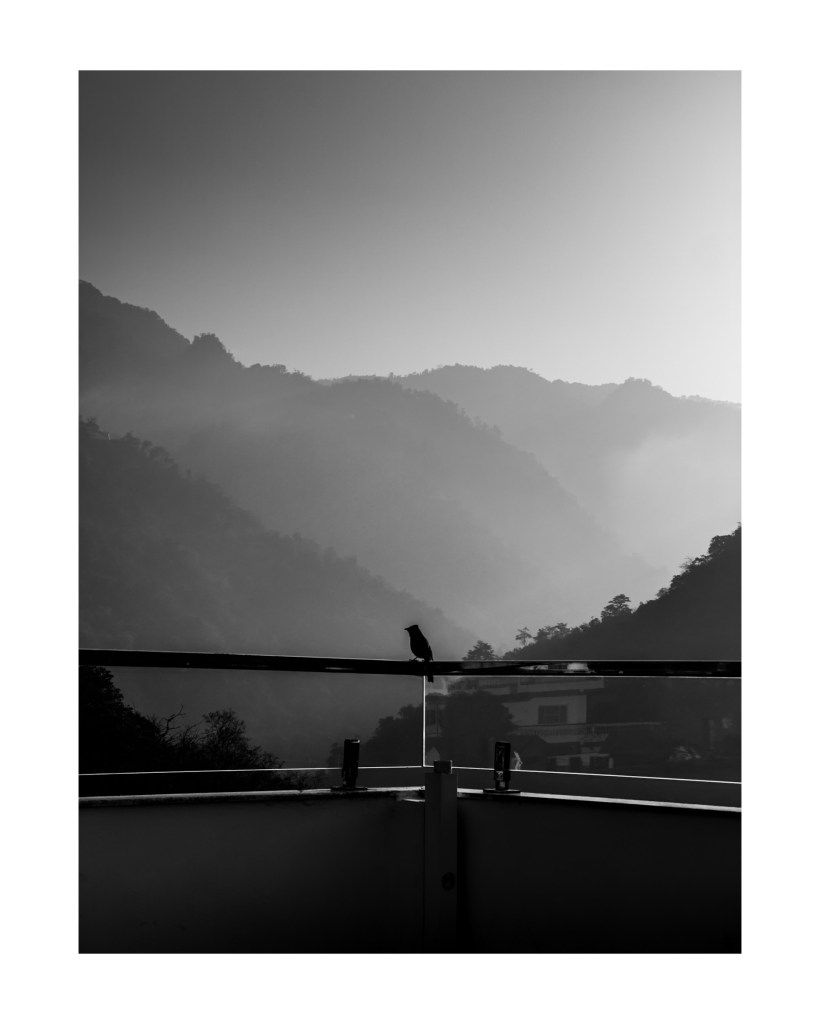
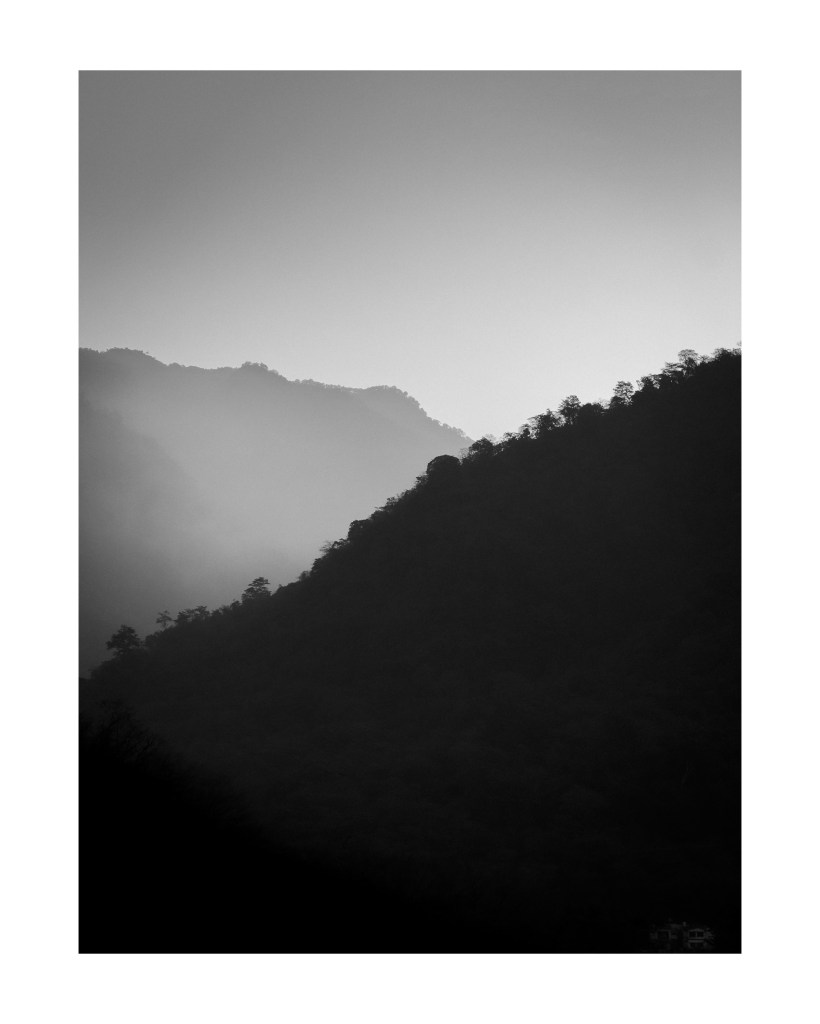
I go back for the pauses between the known things. For the early morning breeze before the air meets the dusts of the road, before the loudspeakers wake the ghats of Ganga. For the way the Ganga moves — not dramatically, but insistently — as if it has somewhere far more important to be. I go for the quiet lanes that slip away from the market’s impatience, where the town exhales and becomes almost intimate.
There is a version of Rishikesh that reveals itself only when you stop trying to consume it. When you sit without agenda. When you let the river set the tempo. When you allow the hills to close in gently, not as spectacle, but as shelter.
Some places are visited. Rishikesh, if you allow it, is absorbed.
Day 3: Delhi to Rishikesh
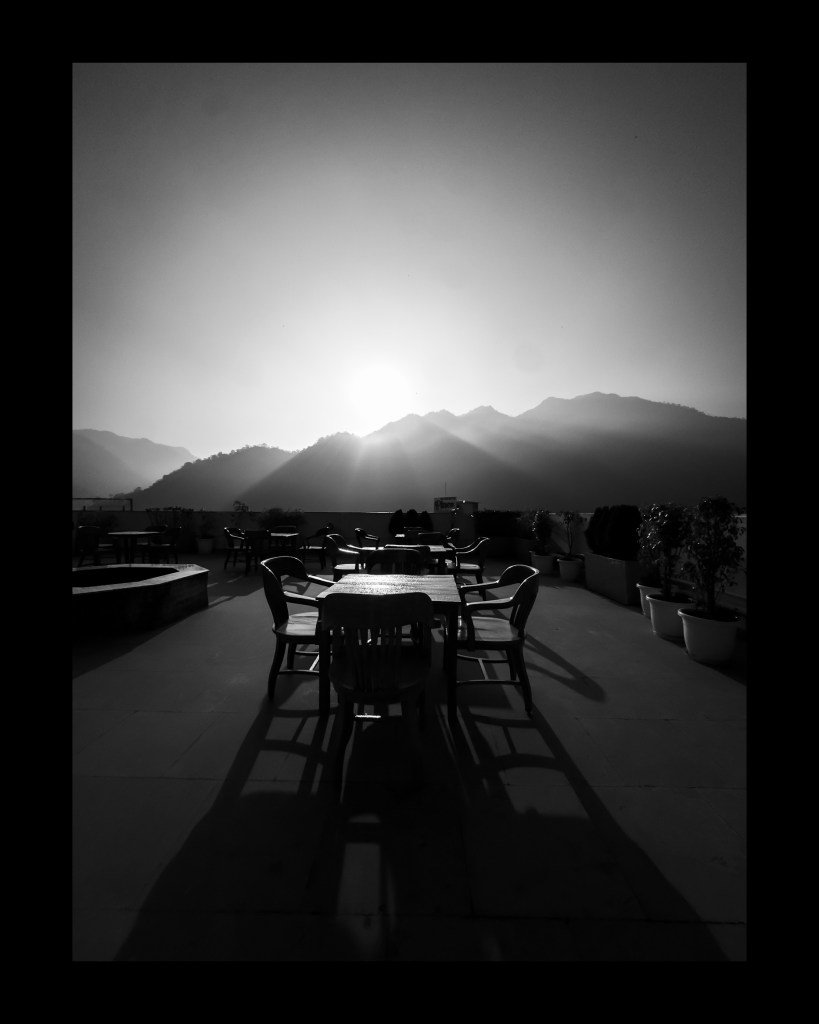
The drive from Noida to Rishikesh took us close to five hours — long enough for the plains to slowly loosen their grip and for the air to begin carrying a faint hint of the hills. By the time we checked into our hotel and settled-in a bit, evening had already claimed the town. With public transport unreliable from our hotel location, we decided to embrace togethrness over cafe hopping.
Day 4: Haridwar & Rishikesh
Late morning, we hit the road again — this time towards Haridwar. It was off-season, a small blessing. The ghats were not the surging human tide which we often relate Haridwar with, but spacious, almost contemplative. Without the need to jostle for a view, we could stand quietly and watch the river move with its ancient grace.
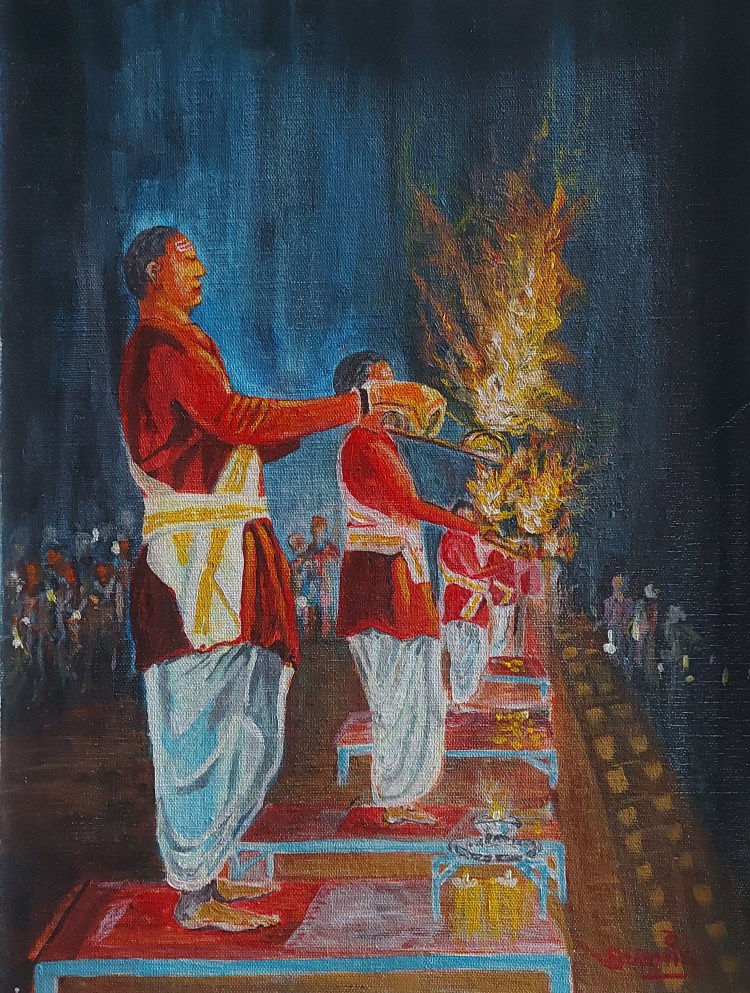
As we were too early for Haridwar’s famed Ganga Aarti (evening ritual), we returned to Rishikesh to experience the spiritual aura of Ganga Aarti at its Triveni Ghat.
The aarti there felt less like daily ritual and more like a soulful conversation between moving flames and flowing water. The sky softened into indigo, chants rose and fell, and for a brief moment the town seemed to breathe in unison.
Beyond the ghats and ceremonial fame, Haridwar and Rishikesh reveal something subtler: a rhythm. Not dramatic, not performative — but enduring. And if you arrive here without any haste, they allow you to borrow that rhythm, if only for an evening.
Day 5: Devprayag
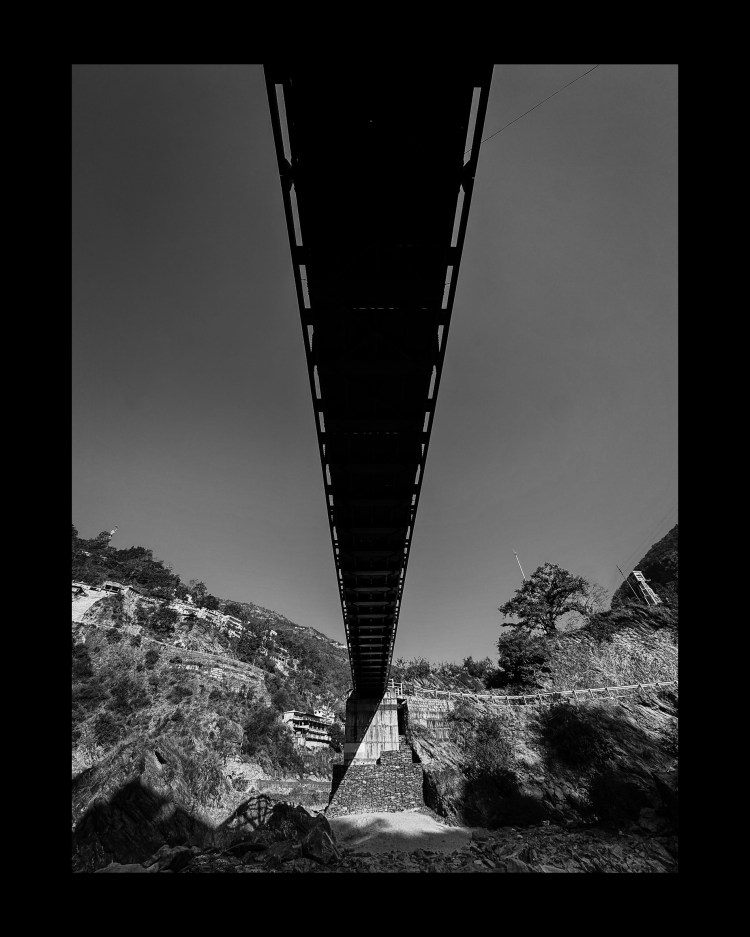
Early the next morning, we took an unplanned half-day detour to Devprayag — a quiet, 60-odd kilometres from Rishikesh, yet spiritually several centuries away from the noise of packaged pilgrimage.
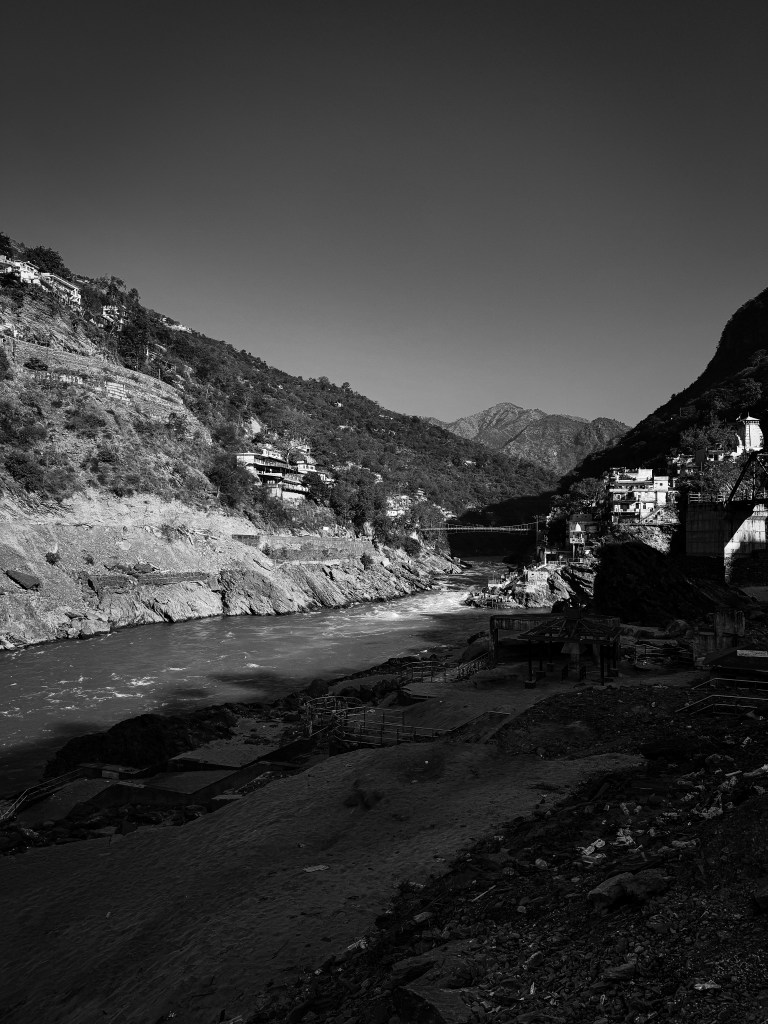
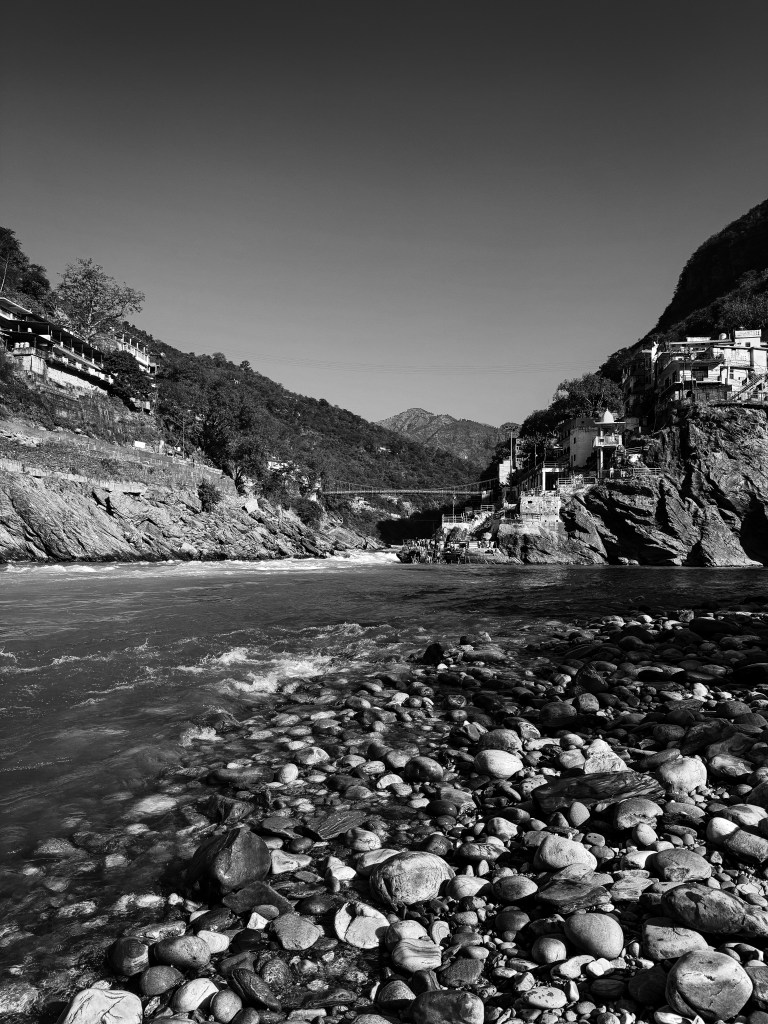
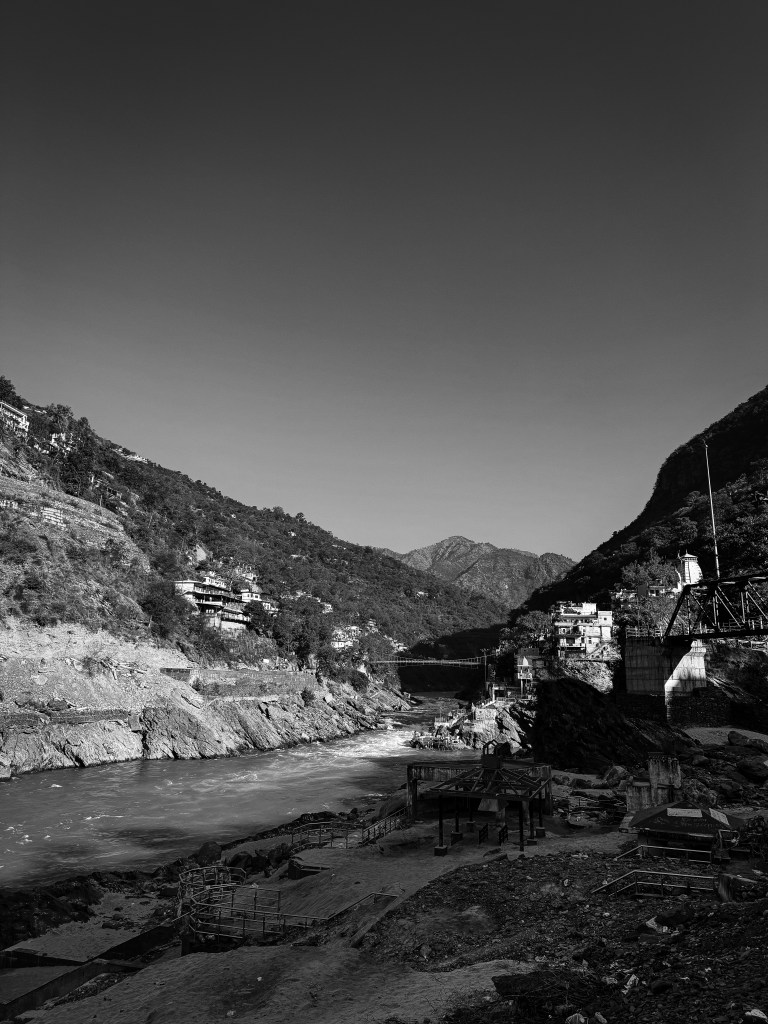
The point – tracing the exact geographical and cultural point where the sacred rivers Alaknanda and Bhagirathi merge to form the river Ganga — that is, from this confluence onward, the combined stream is officially and traditionally recognised as the Ganges (Ganga) as we know it.
For much of the year, you can watch the meeting happen in real time. The Bhagirathi arrives darker, more intense, like a thought fully formed. The Alaknanda approaches lighter, carrying silt and memory from distant glaciers. They travel side by side for a brief stretch, distinct yet inseparable, before surrendering to a shared identity.
There are no amplified chants here competing with the current. Only the sound of water negotiating rock. In that moment, you are not standing at a tourist point. You are standing at a beginning.
You descend stepping on jagged uneven steps, as if trying to touch and feel for real something sacred and unscripted. The rivers thunder below, restless and alive. You kneel, cup your palms, and lift the icy current to your face.
The cold does not merely touch you — it jolts you awake. It startles the skin, races through the veins, and snaps every wandering thought into sharp attention. For a fleeting second, the world narrows to water, breath, and heartbeat.
Day 5: Dehradun Foothills
By late afternoon, we checked out of Lemon Tree Hotel Rishikesh and steered towards Taj Mussoorie Foothills. This halt in Dehradun was, strictly speaking, optional. One could bypass it entirely unless the city itself calls to you, or perhaps the curious limestone corridors of Robber’s Cave tempt your sense of exploration.
We, however, came for something more experiential — the unhurried welcome, the precision, the understated luxury that Taj Hotels has long perfected. Anniversaries, after all, are not measured in destinations ticked off, but in the quiet between two heartbeats — in the pauses where the world recedes and only togetherness remains. And on that evening, we chose not to compromise.
And then comes the ascent. In Part 3, the road begins to coil into the mountains, the air thins, the plains fall away in the rear-view mirror — and at the end of that patient climb waits Mussoorie, the Queen of the Hills, not as a postcard, but as a culmination.
The final leg is not merely about reaching a destination. It is about arriving changed by everything that led to it. Stay with the story. The most awaited chapter is still ahead.


Written by Vivek Verma, a travel and landscape photographer whose work sits at the intersection of movement, memory, and place. His photographs have appeared in publications such as Vistara’s in-flight magazine and Deccan Chronicle and various other magazines. Through his blog Creative Genes, he documents journeys that value patience over speed, human connection over checklists, and stories that remain long after the road ends. Vivek is also chief-editor of an international photography magazine, Creative Zyne and founder of Zyne Awards.
Discover more from Creative Genes
Subscribe to get the latest posts sent to your email.
 Creative Genes