This is a photographer’s review of “László Moholy-Nagy” by Getty Museum—what it teaches, where it falls short, and why his work still matters for creatives today.
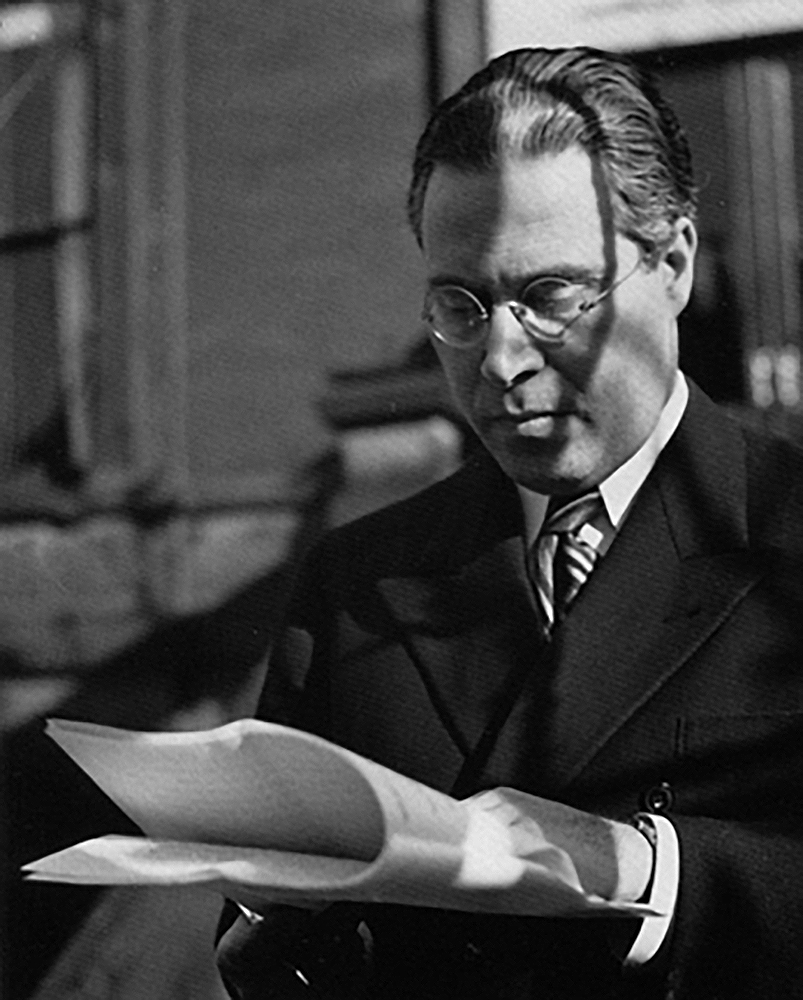
When I picked up the book László Moholy-Nagy published by the J. Paul Getty Museum and Focal Press, I was driven by curiosity more than expectation. As a photographer drawn to the roots of abstract and experimental imagery, I wanted to better understand this towering figure from the Bauhaus era. What could a nearly century-old perspective offer to someone navigating modern photography today? Quite a lot, as I soon discovered. While this book didn’t quite satisfy my expectations in terms of photographic inspiration, it opened a compelling doorway into the mind of a true visual pioneer. This post is not just a review of the book, but a personal exploration of Moholy-Nagy’s enduring influence and why his work still matters.
Who Was László Moholy-Nagy?
1895-1946: László Moholy-Nagy was a Hungarian artist, thinker, and educator who redefined how we see photography and design. A leading figure at the Bauhaus in the 1920s, he believed in fusing art with technology and embraced light, motion, and industrial materials as part of his creative toolkit. He played with form, abstraction, and even made photographs without a camera—his iconic photograms. Later, he brought this experimental spirit to the U.S., founding the New Bauhaus in Chicago and laying the foundation for modern design education. To study Moholy-Nagy is to encounter a mind that never saw art and science as separate.
What Makes His Work Unique
Moholy-Nagy’s signature contributions came through experimentation. His photograms—created by placing objects directly on light-sensitive paper—broke away from traditional photography and embraced abstraction at its core. He saw light itself as a material. His kinetic sculpture, Light-Space Modulator (1930), was another groundbreaking work blending light, shadow, and movement. Through books like Painting, Photography, Film (1925), he argued for a new visual literacy. Even today, his ideas resonate with creators working across disciplines. For those exploring the abstract edges of photography, he is a touchstone.
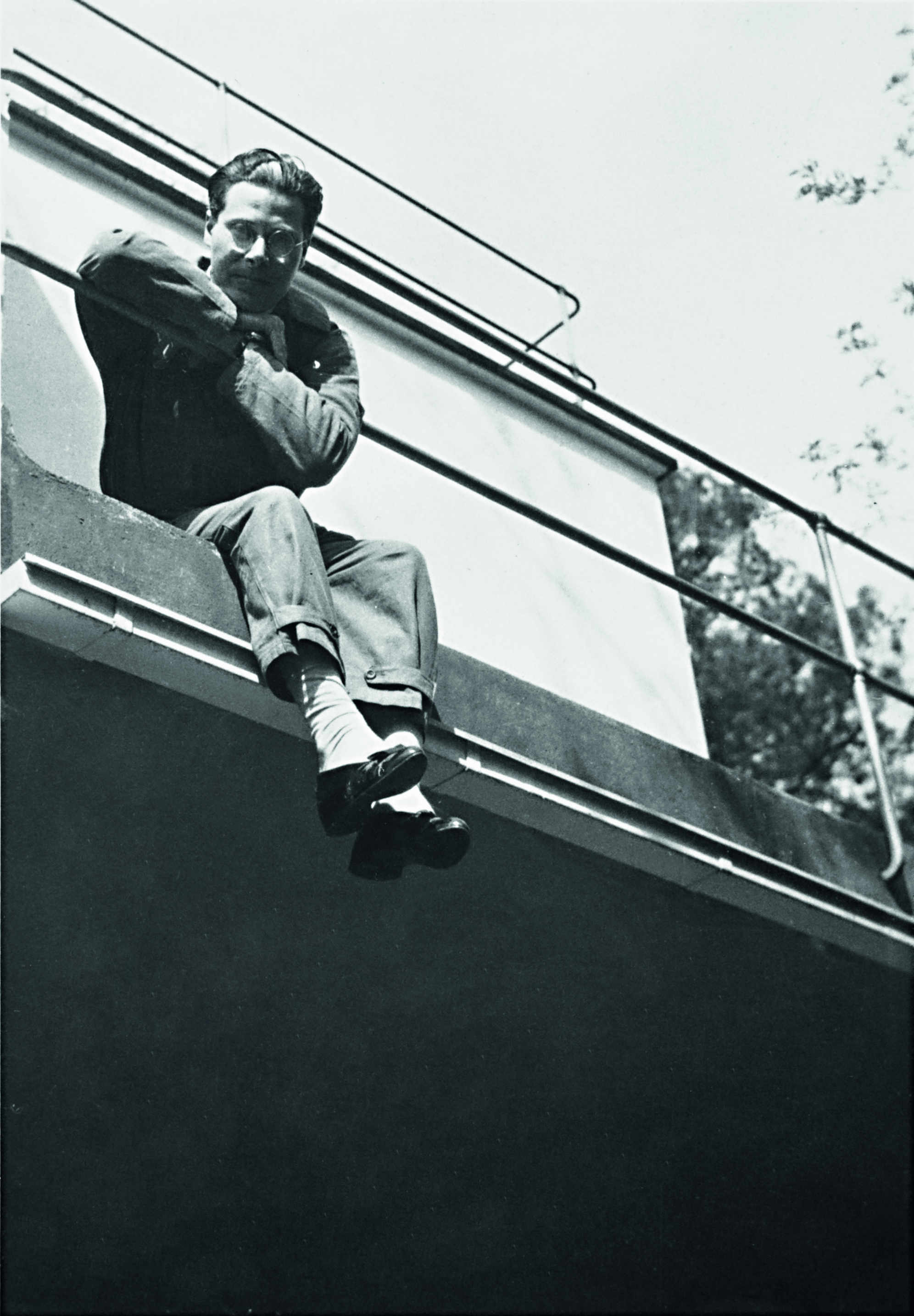
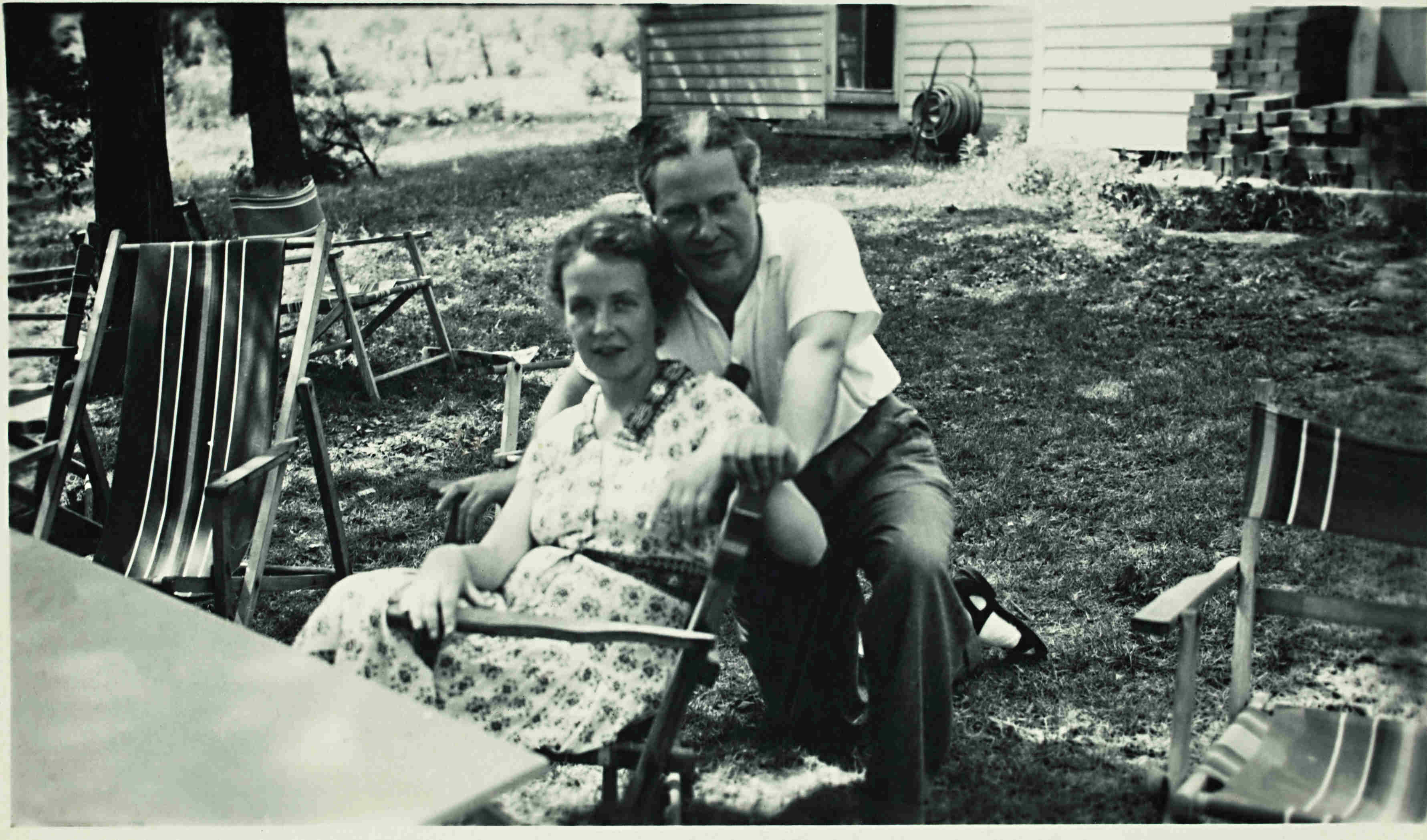
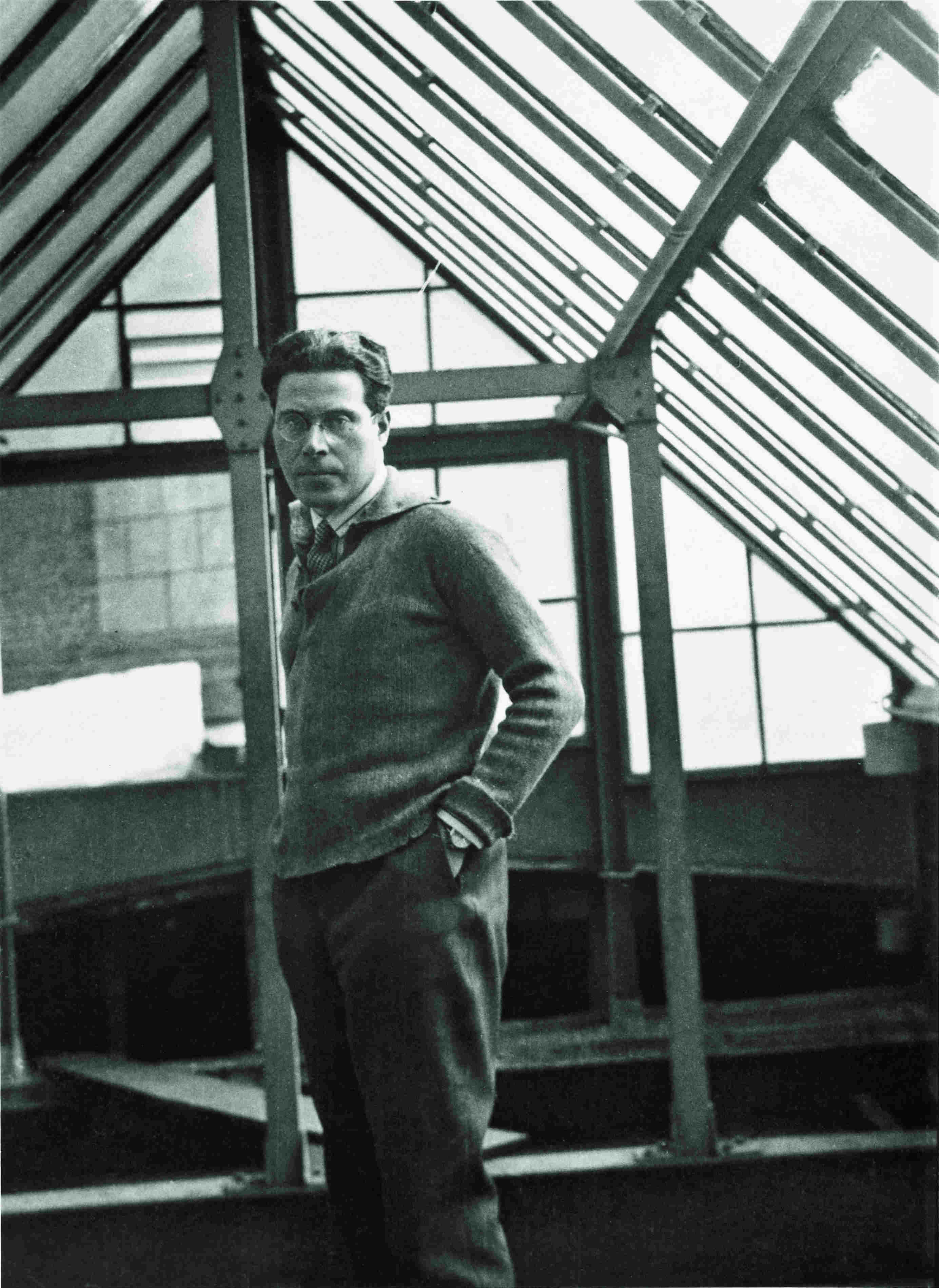
All Photographs Courtesy Moholy Nagy Foundation
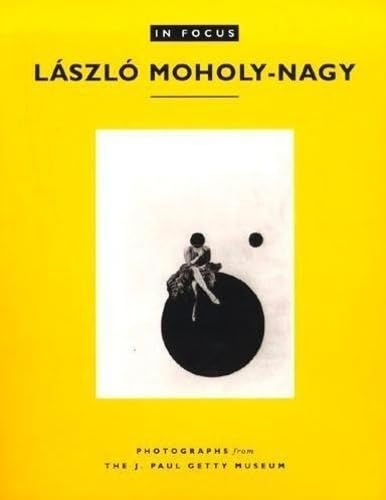
Price on Amazon: INR 1,558.00
Pages: 128
Publisher: Getty Publications
Key works and milestones from László Moholy-Nagy’s Life and Career
Photograms (1920s–1940s) – His groundbreaking camera-less photographic works that redefined photography as a medium of abstraction and experimentation.
“Light-Space Modulator” (1930) – A kinetic sculpture using light, motion, and shadow—one of his most influential explorations in integrating technology and art.
Teaching at the Bauhaus (1923–1928) – His time as a professor in the preliminary course and metal workshop at the Bauhaus, where he influenced modern design and experimental thinking.
“Painting, Photography, Film” (1925) – A seminal Bauhaus book authored by Moholy-Nagy, advocating for the unity of visual arts and the creative potential of photography and film.
Founding the New Bauhaus in Chicago (1937) – Establishing a new center for design education in the U.S., which later evolved into the Institute of Design at the Illinois Institute of Technology, extending his legacy across continents.
The Book Review: Expectations vs. Experience
Now, coming to the book itself—I’ll admit, it didn’t quite live up to my expectations as a photographer. The book is physically small and thin, and most of the featured images lean heavily into Dadaism and camera-less photography. While interesting from an art historical lens, it doesn’t provide the kind of visual stimulation or practical insight that modern photographers might hope for.
The final section, a lengthy interview from page 87 to 121, was especially difficult to get through. It’s dense, occasionally repetitive, and I found myself losing focus halfway in. While it might hold academic value, it didn’t engage me as a reader or a visual thinker.
That said, the book serves as a gateway—albeit a limited one—into Moholy-Nagy’s world. It might be more suited for design students, art historians, or those specifically interested in early 20th-century art movements than for hands-on photographers.
Why Studying Moholy-Nagy Still Matters
Even if this particular book didn’t deliver what I hoped, it did something far more valuable: it nudged me to look beyond my current lens. Moholy-Nagy reminds us that photography is not confined to the camera or even the frame. His work pushes us to think in terms of light, space, and idea—not just subject, composition, and exposure.
For photographers who feel stuck or creatively burnt out, exploring his philosophy can be a refreshing reset. His life and art encourage risk-taking, embracing imperfection, and looking at technology not as a threat but as a collaborator.
Final Thoughts
Sometimes, the value of a book isn’t in what it offers directly, but in where it leads you. This book didn’t inspire my photography the way I hoped it would, but it expanded my understanding of what photography can be. If you’re someone who loves art history or wants to explore the roots of abstraction in visual culture, give it a try. But if you’re looking for practical or camera-based inspiration, you might want to explore other texts. Either way, Moholy-Nagy is a name worth knowing—and exploring his world is an artistic journey in itself.
Enjoyed this post?
If you’re passionate about the intersections of photography, history, and creative thinking, subscribe to the blog for more such in-depth reviews and reflections. Check out the Inspiration section of this blog to discover more legendary photographers whose work can truly inspire you.
And if you’ve read any Moholy-Nagy books or have recommendations, I’d love to hear from you in the comments!
Other Books to Explore
- Moholy-Nagy: Experiment in Totality by Sibyl Moholy-Nagy – A comprehensive and insightful biography by his wife, blending personal narrative with critical analysis
Further Exploration: Where to Go From Here
If you want to dig deeper into Moholy-Nagy’s world, here are a few suggestions:
- Browse the Bauhaus Archive or MoMA’s online collection featuring his works;
- Watch short documentaries or YouTube explainers on the Bauhaus movement;
- Read Moholy-Nagy: Future Present (Art Institute of Chicago) for a richer, more visual exploration, and
- Check out his own writings like Vision in Motion and Painting, Photography, Film – a powerful manifesto of his interdisciplinary creative philosophy.
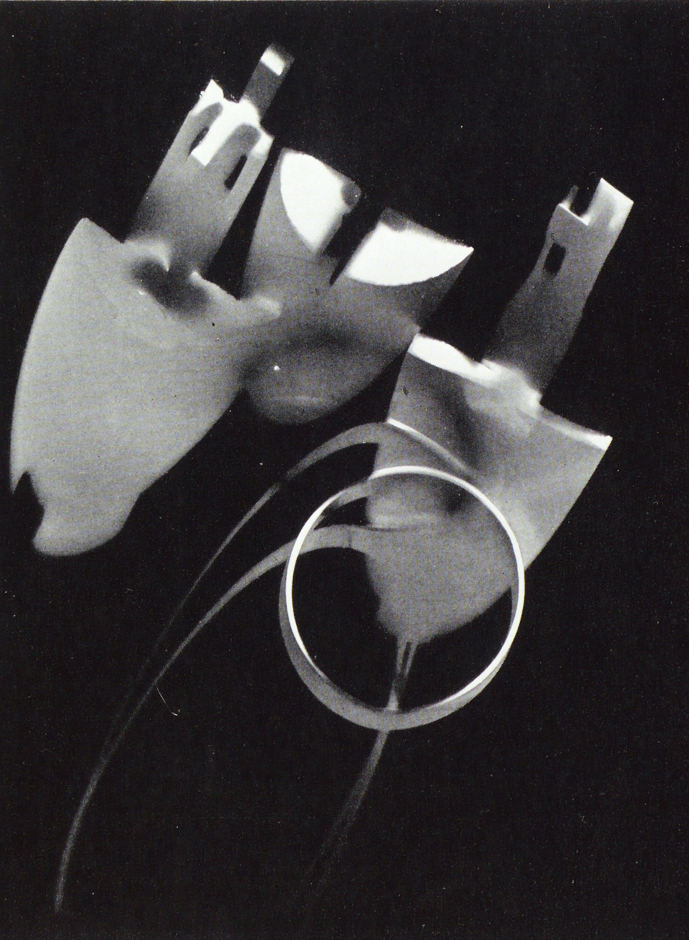
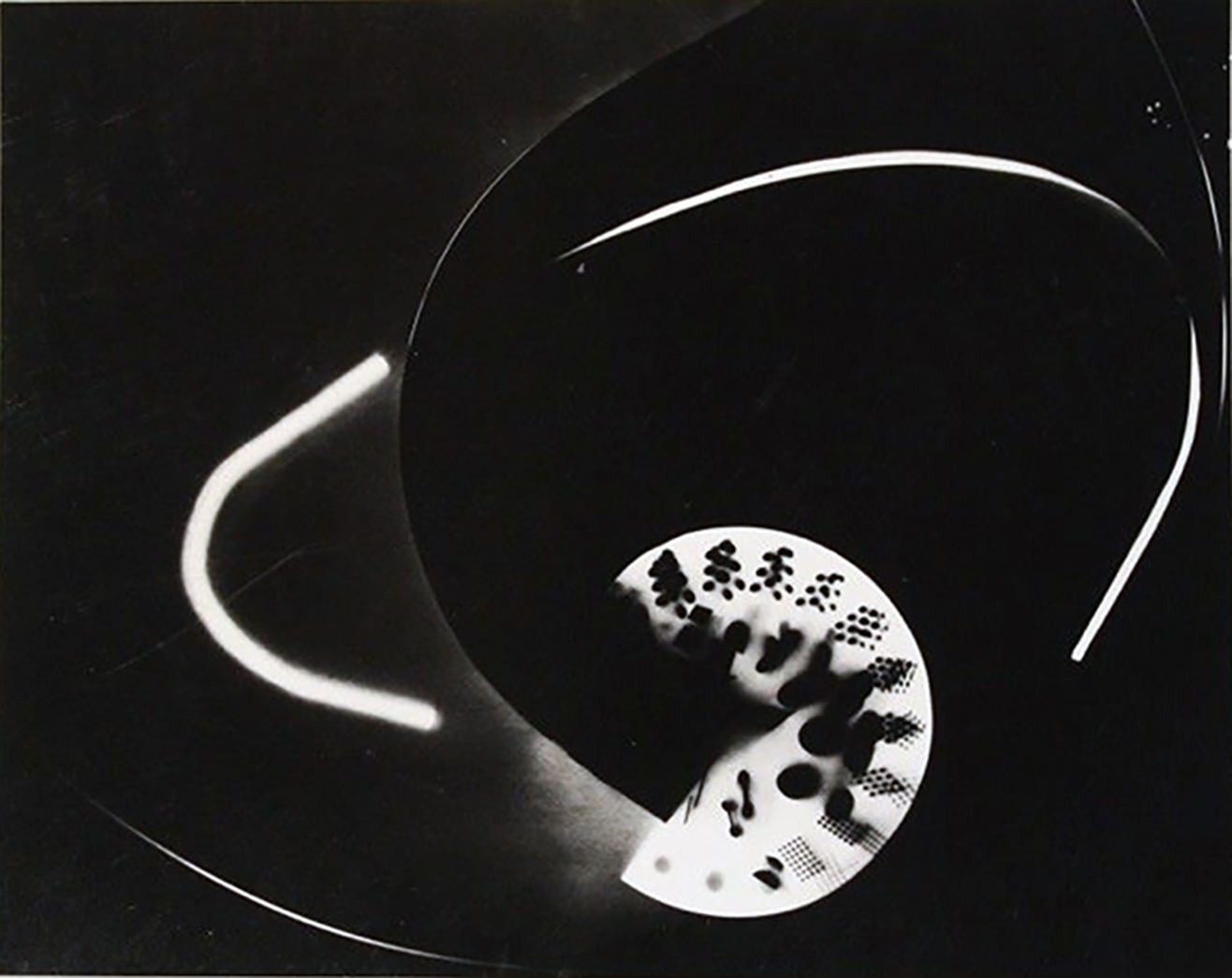
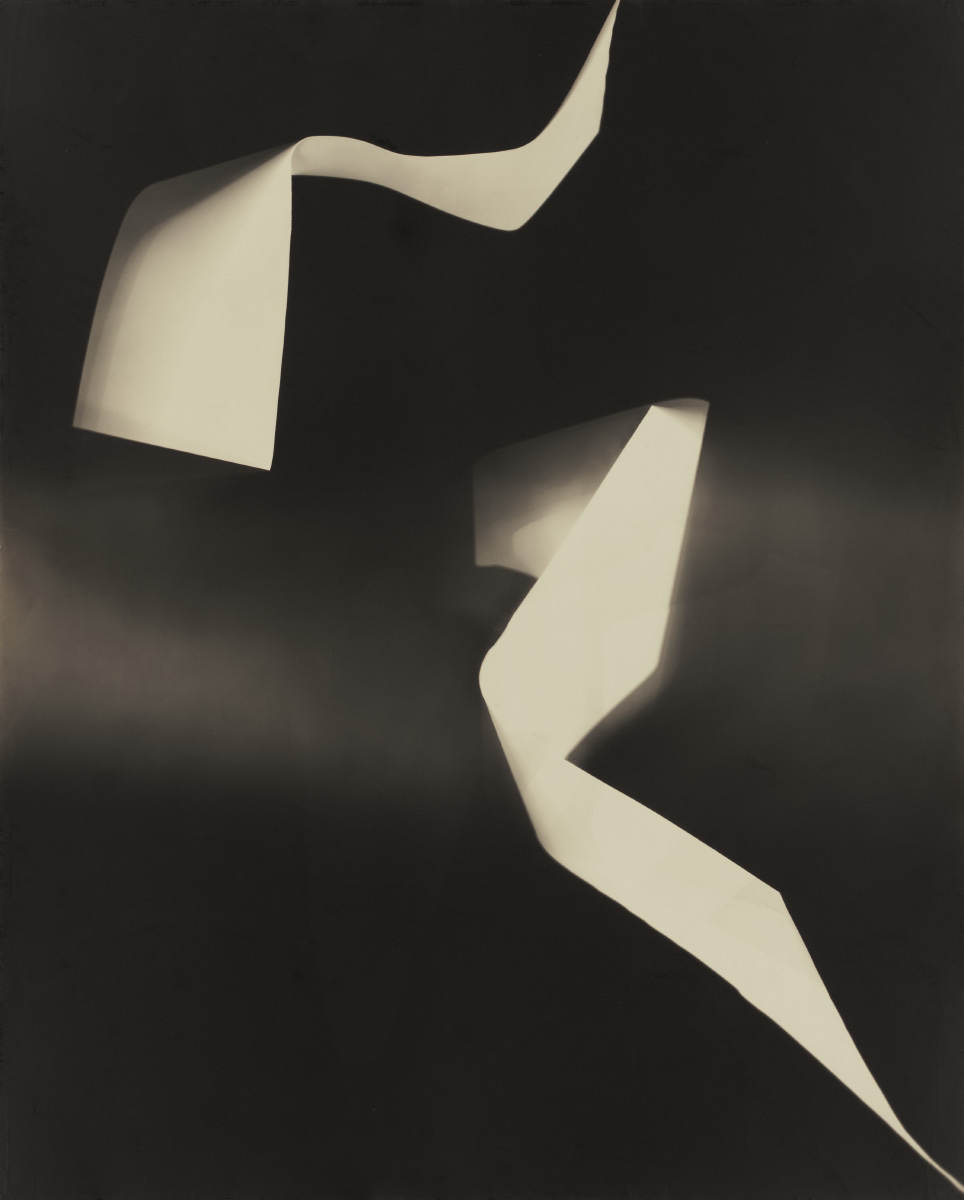
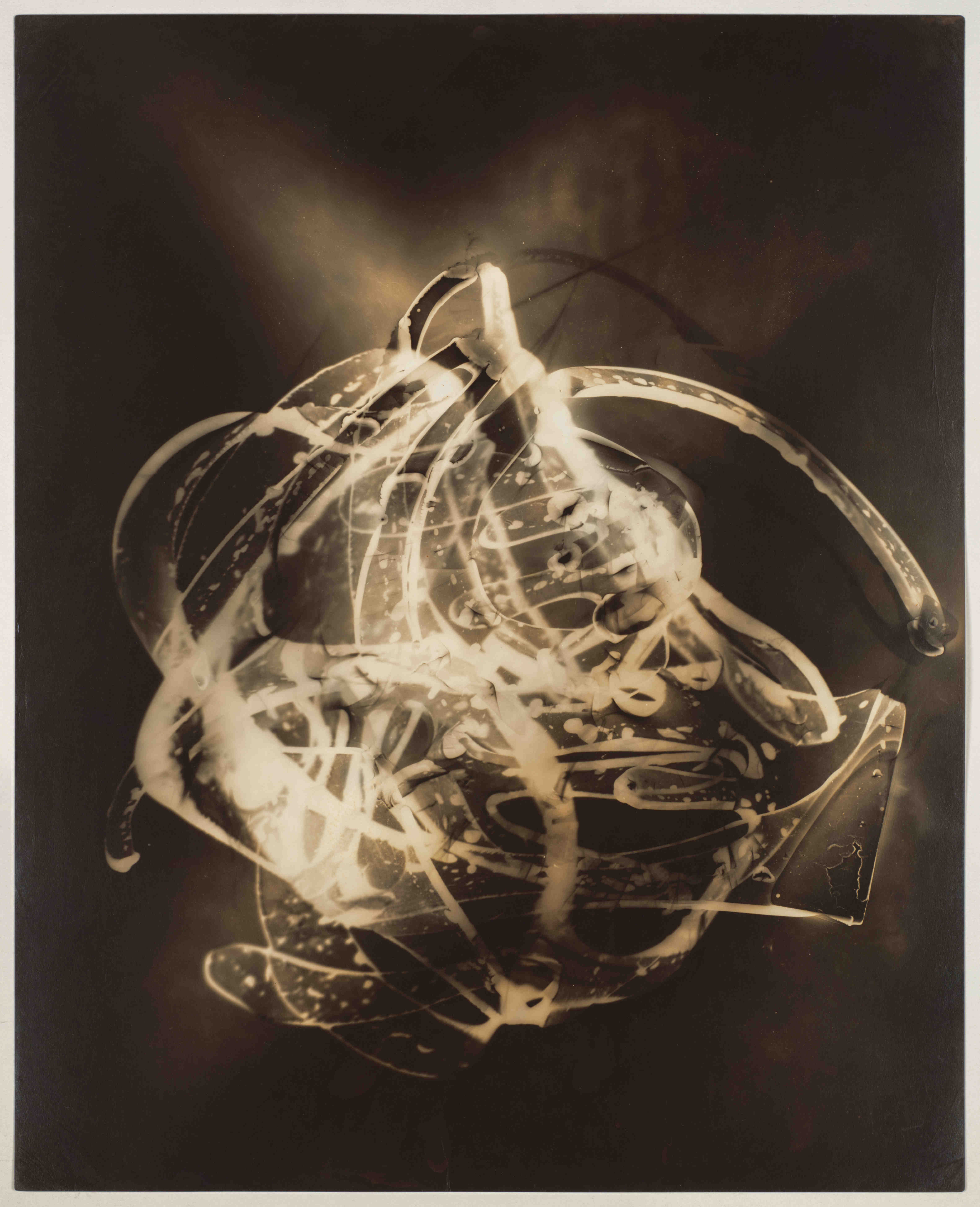

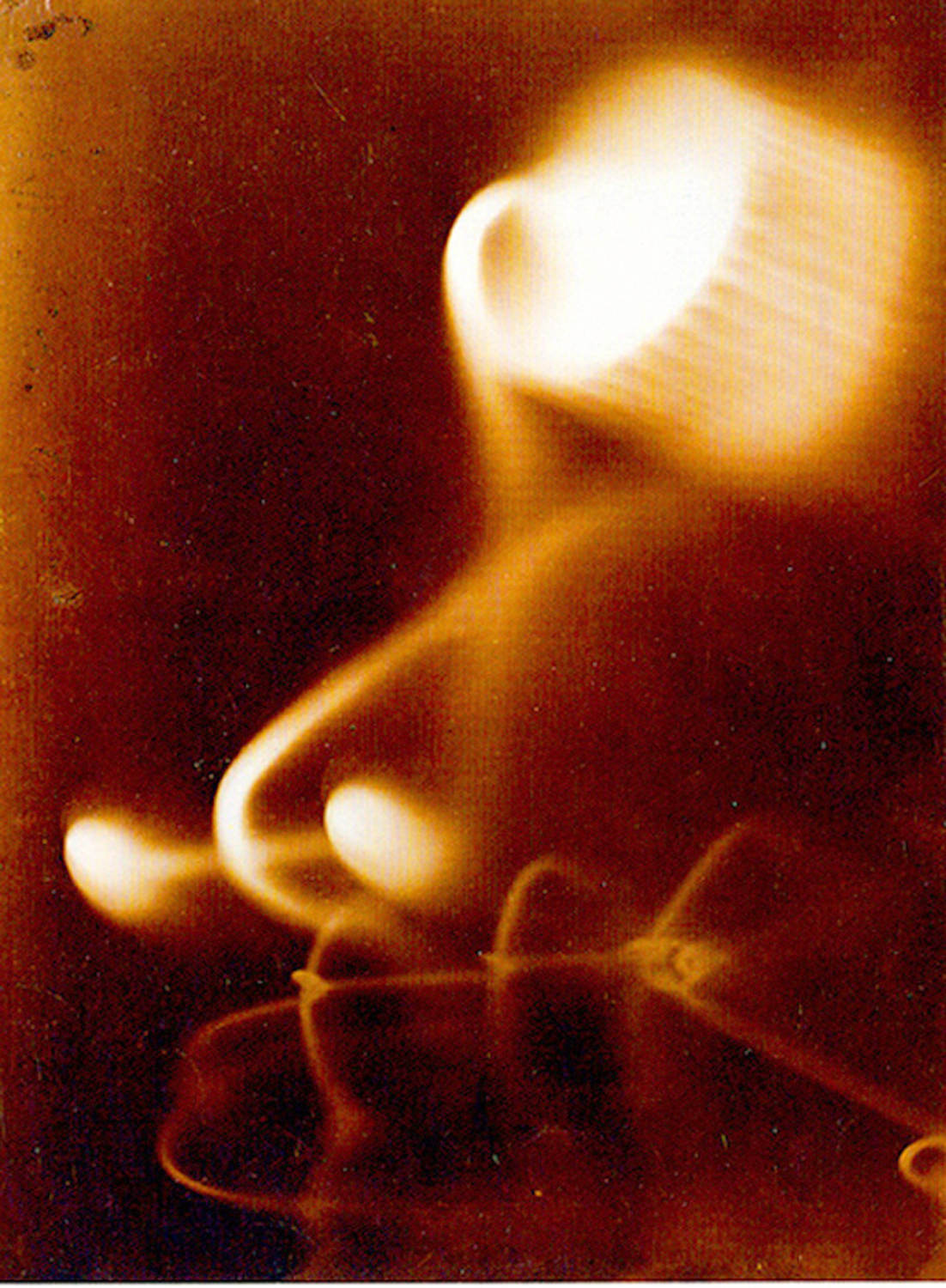
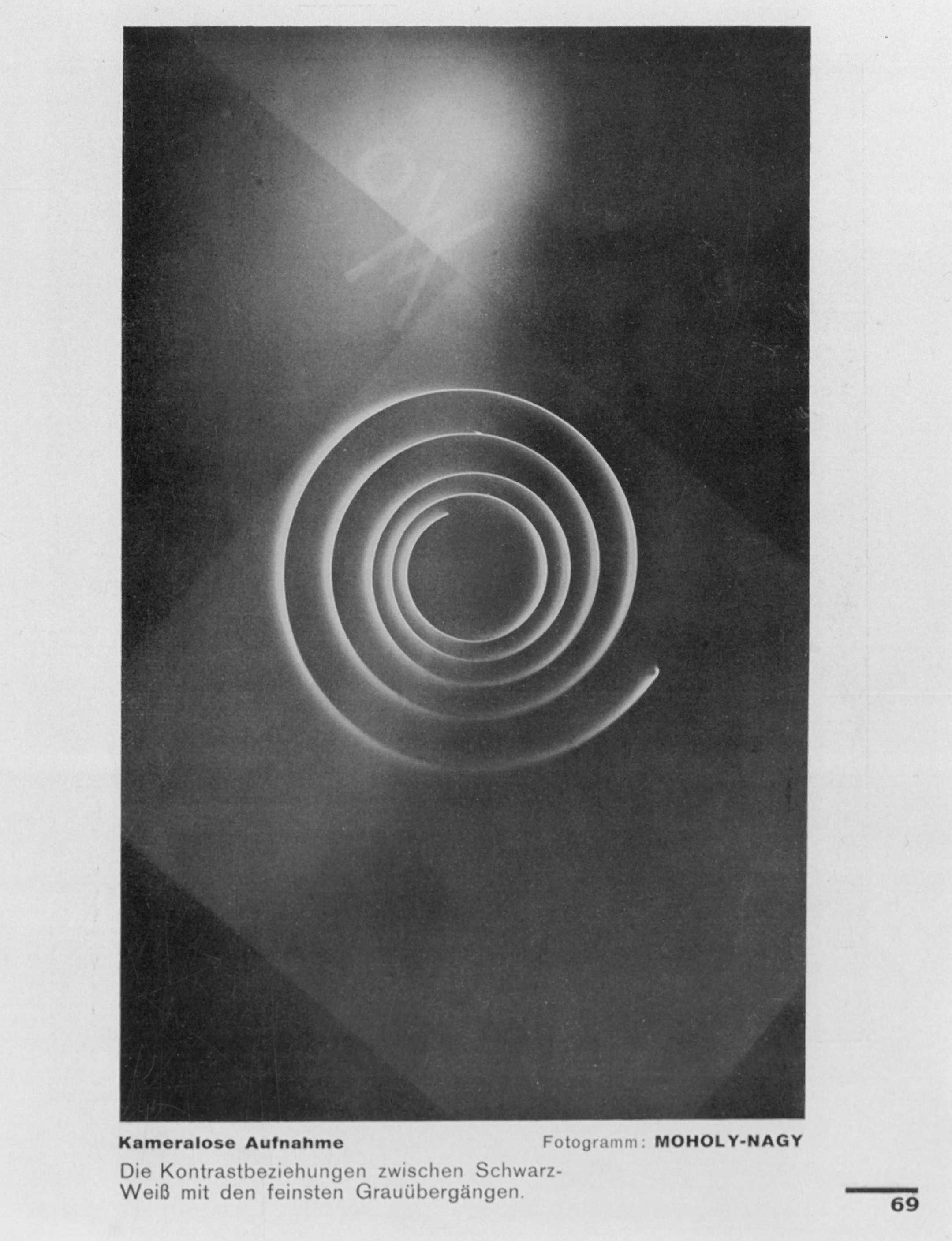
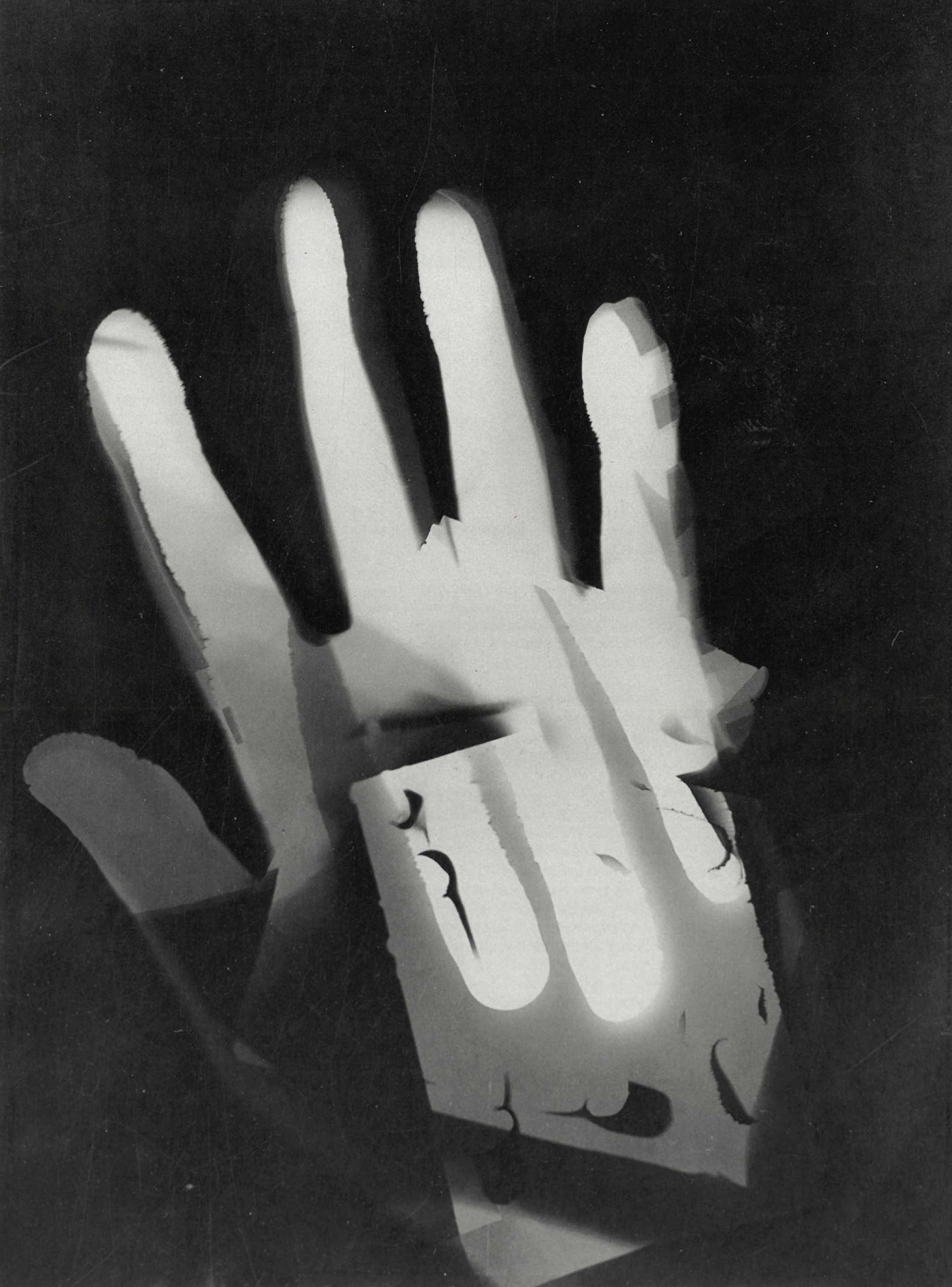
All Photographs Courtesy Moholy Nagy Foundation
See more here
Discover more from Vivek Verma
Subscribe to get the latest posts sent to your email.
 Vivek Verma