Discover the art of slow photography—why it matters, how to practice it, and which legendary photographers can inspire your mindful creative journey.
In a world that worships speed—where hustle is a badge of honor and rest feels like a weakness—can you dare to pause? Can you slow down, not to fall behind, but to truly feel, to create just for the joy of creating, with no thought of outcomes or applause?
The answer is not an easy one, because your mind will always push you to hustle, recalibrate actions to gratify it with the ‘reward’ of the hard work put in. After all, as kids, we have always been taught by parents to be goal-oriented, study for the marks more than actual knowledge gain, play sports to score a win, not to lose.
Because somewhere in this hustle to prove our worth as a meritorious student, good player and the like, we forget live our life, be our true self and just enjoy the ‘act’ itself – the process, the journey.
Do you remember making a drawing in school? Sitting cross-legged on the floor with crayons scattered around you, maybe a little blue sky and a lot of imagination on paper. Did you do it for praise? For likes? For gallery shows? Never. You did it because it made you happy. You created not to prove anything to anyone, but because it was play — joyful, messy, personal.
The process was the point.
The art was the byproduct.
It is not about the pursuit of happiness, but the happiness of pursuit…
Dominik Vanyi
Ever feel like your creative spark is getting lost in the rush? In this post, we’ll explore how slowing down—with intention and mindfulness—can help you reconnect with your true self and tune in to the quiet, authentic voice that defines your creative identity.
You’ll also discover what slow photography is all about, why it’s worth trying (pun intended), how to practice it, and where to find inspiration—from legendary photographers to thought-provoking books that dive deeper into this mindful approach.
You are not in a Race. You are on a Journey.
For many of us who create — whether through photography, writing, painting, or music — there’s often a silent pressure lurking in the background. A voice whispering: “Create more. Compete. Don’t slow down. Stay visible or risk being forgotten.” The fear of invisibility can feel all-consuming. And I get it — especially if this is how you make a living.
But if you create for something deeper — for healing, self-discovery, truth-telling — let me remind you: you are not in a race.
You are on a journey.
And everyone’s journey is different.
Let’s understand this with a story. Imagine a simple scene: you’re sitting on a train. Only you know where you’re headed. Now look around — do you have any idea where the person next to you is going? Where they came from? Whether they’re as hungry as you are right now, or why they’re even on this journey? Maybe they’ll change trains midway, maybe not. Truth is, you don’t know.
So why compare your journey with theirs? Your path, your pace, your needs — are uniquely yours. Following others’ path can only lead you to their destination, not yours.
Now think of two kinds of trains.
The bullet train — sleek, efficient, fast. It gets you there first, no doubt. But you barely notice the view. No time to watch sky changing its color. No pause for the sound of wind between tunnels. No space for reflection.
Then, there’s the mountain railway — slow, winding, deliberate. It stops often. Sometimes it waits for fog to lift. But in that time, you see waterfalls, you wave to strangers, you breathe in pine-scented air through the windows. The journey itself becomes a memory, not just a means to an end.
Moral of the story?
Going fast might get you there first — but going slow lets you arrive fuller, wiser, with something real to hold on to. One’s a blur, the other’s a memory.
To sum up, you’re not late. You’re not behind. You’re not failing because your pace doesn’t match the world’s algorithm. You’re just on a different train.
And that’s perfectly okay.
My Photography Journey on Fast and Slow Track
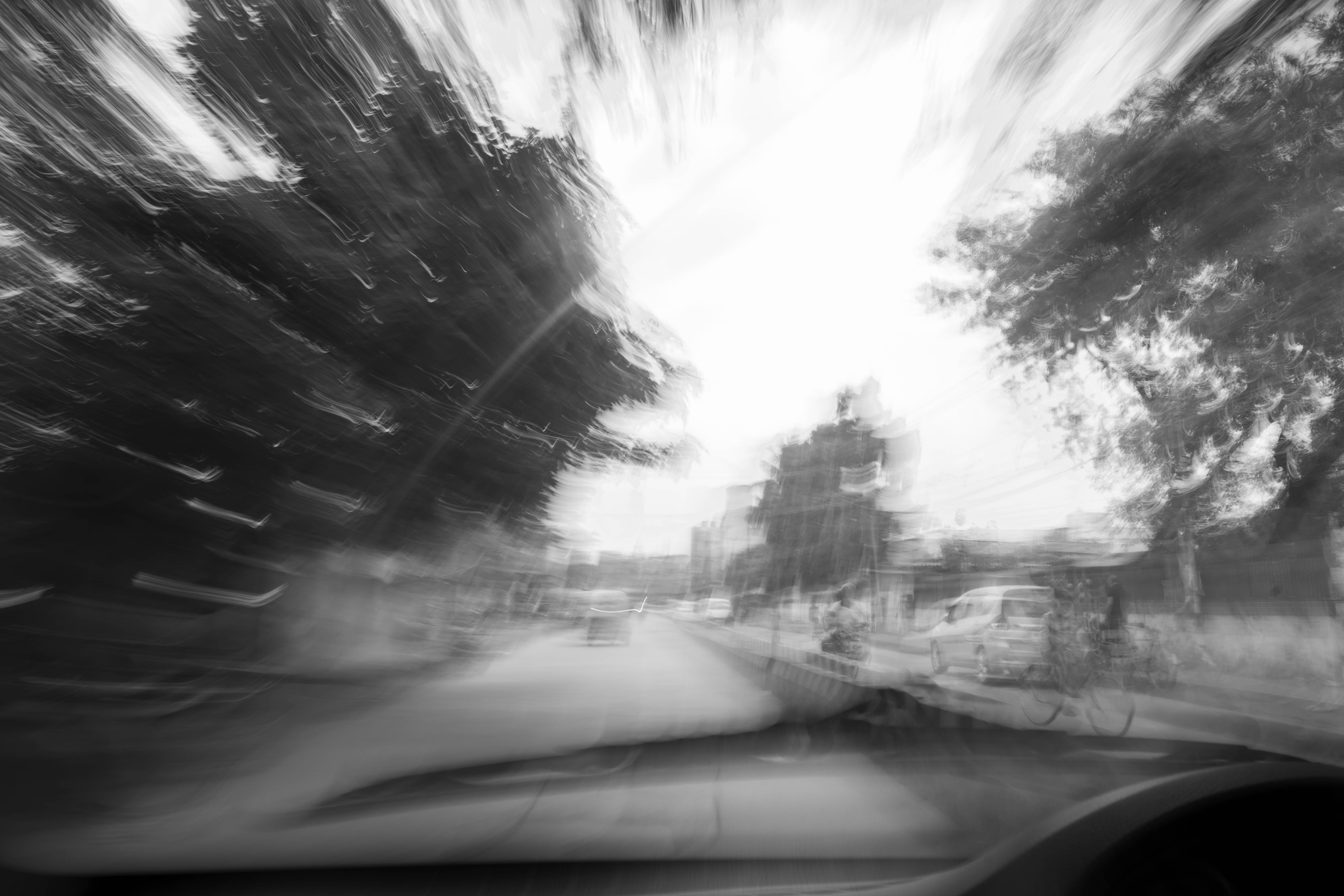
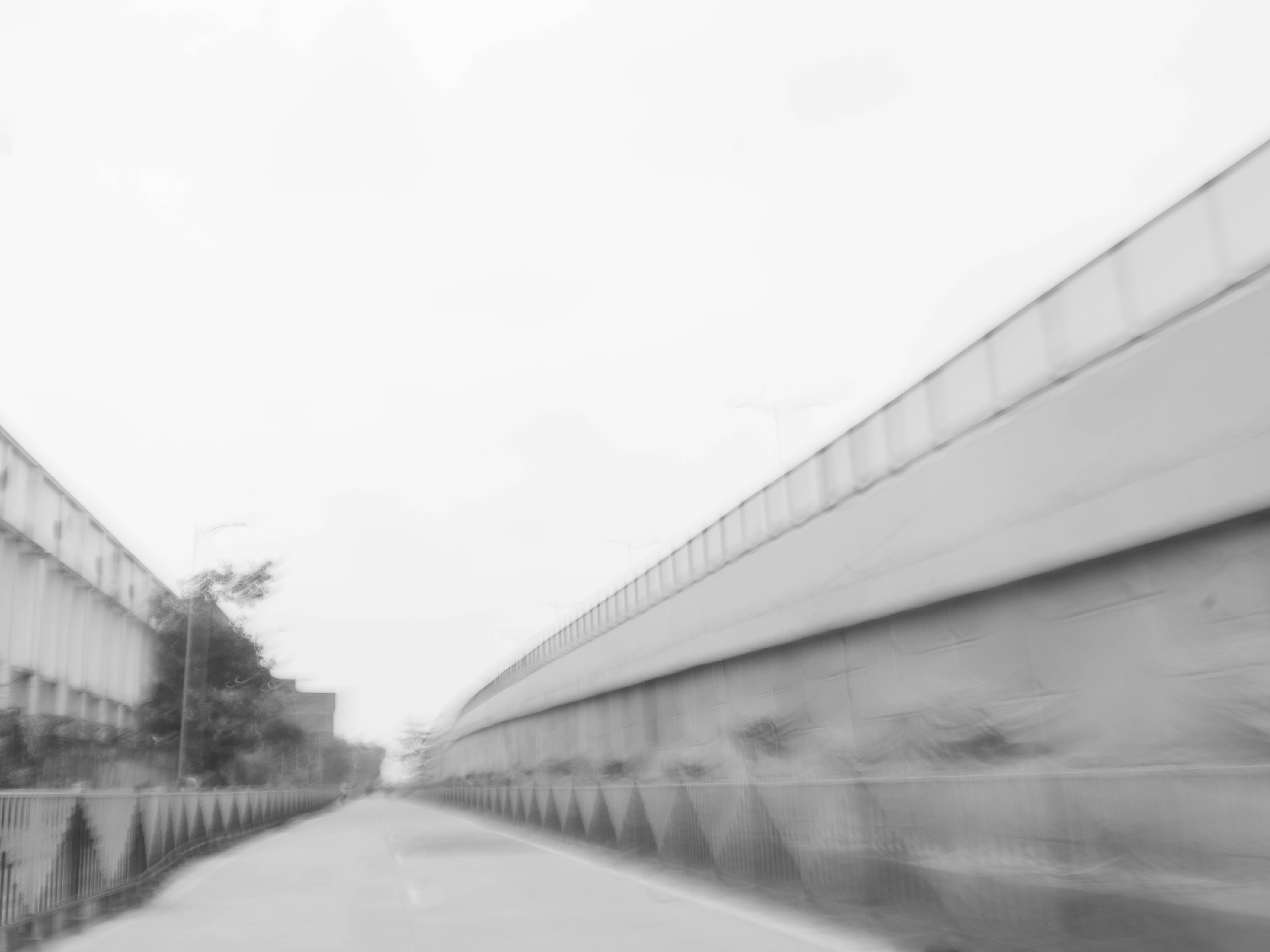
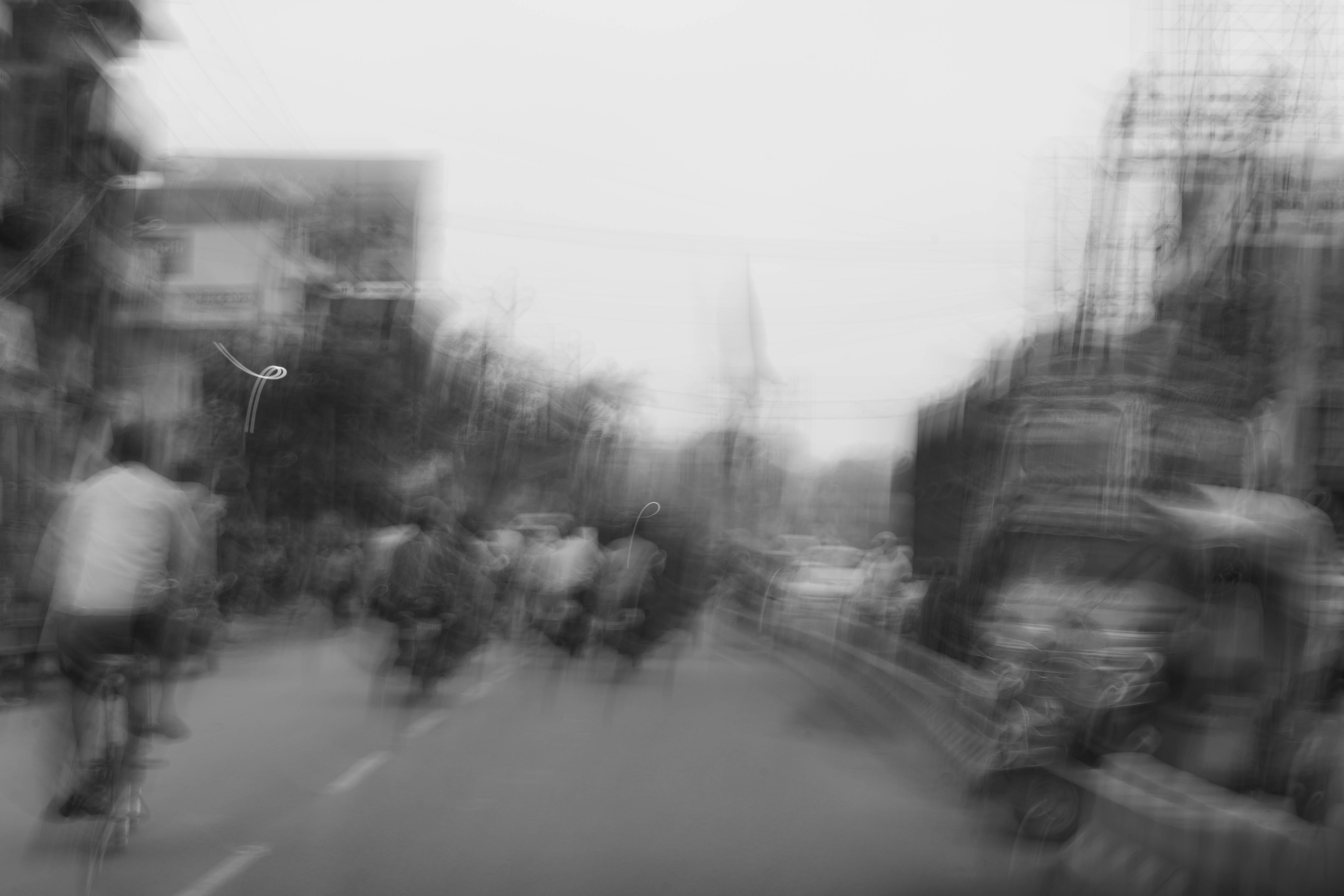
Having spent over a decade immersed in photography — with more than my fair share of mistakes along the way — I’ve lived through both ends of the creative spectrum: the quiet, soulful days of making images simply for the love of it, and the fast-paced, deadline-driven chaos of client work.
As someone who’s always been a learner at heart, I followed my curiosity — creating, experimenting, learning by doing — without any clock ticking in my head. Time didn’t matter. The process did. It was just me, my camera, and the unadulterated joy of making something real.
But then came the tidal wave of social media.
Suddenly, it wasn’t enough to create for yourself. You had to be seen. Constantly. You had to prove your presence, justify your worth, and—perhaps the hardest part—wait for external validation to feel like your art mattered. The rhythm of art-making shifted from intuition to algorithms.
It started to feel like sitting in an exam hall — the timer ticking, and you racing to complete the test paper within the allotted time. Only this time, the ones assessing your work weren’t mentors or guides — but strangers, peers, followers, having no idea about your journey, let alone your vision. And in the rush, I lost something irreplaceable: My love for photography.
It turned into work.
Into performance.
Into an endless chase for numbers.
I felt painfully disconnected. Each photograph felt less like a piece of me and more like a product designed for either applause or money.
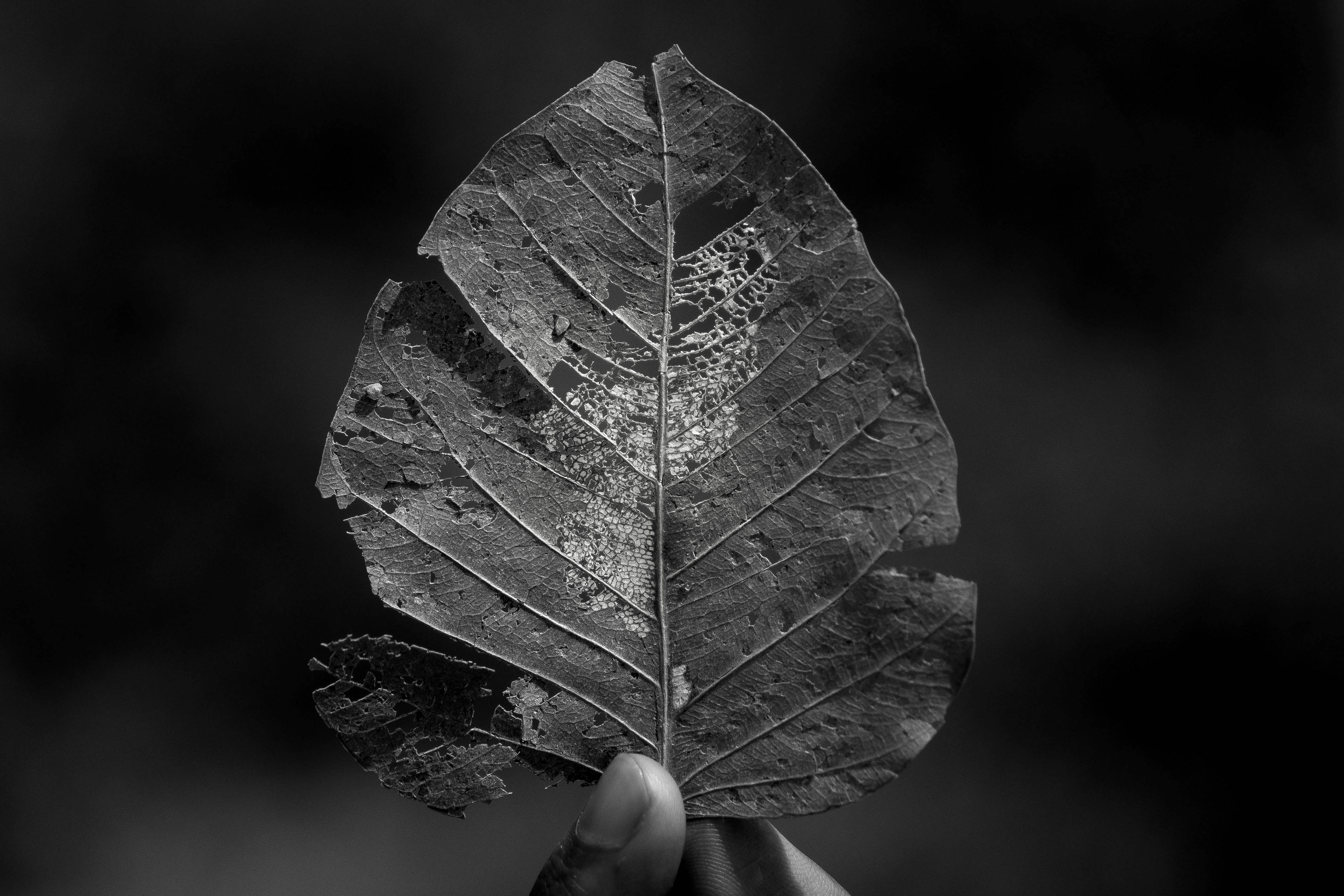
Somewhere in the middle of all this noise, I began to realize that I need to get back to my roots – the very reason for which I picked the camera for the first time. I realized, I need to embrace the same old carefree approach to photography, where the process mattered more than the results. A mindful approach allowing me to pause, observe, feel, compose with meaning and intent, before I click. Something we now call “slow photography”, slow in the way trees grow, or rivers carve their way through rock.
Now I know, not every frame that I shoot need be tied to a paycheck or garner social media likes. Sometimes, it can be just me, my camera, and the world — where I consciously slow down — to breathe, to notice, to create from a place of presence, not pressure.
And with this realization, my photography became what it was always meant to be — honest, alive, and deeply human. A way to return to myself. To my reasons. To the kind of art that feels spiritual upliftment.
RumiEverything in the world is invisible, except that which we make semi-visible. By the introduction of awareness, all things can become visible.
What Is Slow Photography?
Slow photography is not a new concept. Many legendary artists did use this approach as their natural style of work in the past.
This term has regained its significance only because, we have come very far away from the earlier ways of creating, the slow and mindful one. We have started treating art less as a soulful expression and more like a race.
Slow photography, is essentially a mindful approach to photography, where you as an artist, allow the soul of a moment to seep into your frame through presence and awareness, instead of rushing it.
Naturally, you end up creating fewer, but deeper photographs, those that speak to your heart. But above all, it gives you the gift of experiencing the process itself. The image we create becomes just a byproduct of the deeper reward: slowing down, noticing more, and letting creativity lead.
Slow photography ties beautifully into the broader movement of slow living creativity, where life itself is lived intentionally, not consumed in a blur.
Mindfulness is the self-regulation of attention with an attitude of curiosity, openness, and acceptance.
Psychology Today
How you can start practicing Slow Photography
1. Set Personal Limits
Not every moment needs to be captured. Take only 5-10 photos per outing. Quality over quantity (if you are not practicing to learn).
2. Embrace One Lens, One Body
Minimalism in gear nurtures maximalism in creativity.
3. Journal Before and After Shooting
Reflect on why you are photographing. What moved you?
4. Give Projects Time to Breathe
Work on something over months, not days. Let stories evolve naturally.
5. Celebrate Incompleteness
Not every photograph must be perfect. Imperfection often holds soul.
6. Let it settle down
Excited to edit and share the photos you just captured? Pause—and let them sit for at least a week or two before diving into the edit.
7. Print Your Work
Physical prints slow down the experience and create a deeper relationship with your images.
8. Shoot Without Intention to Post
Some photos are meant just for you. Treasure them. Not every project needs to be posted. Not every day needs to be a content day.
Why You Should Embrace Slow Photography?
1. You Rediscover Your Own Voice: When you stop chasing and start listening — to your own instincts, curiosities, emotions — your authentic voice begins to surface. You remember why you first picked up a camera.
2. You Reconnect with the Joy of Seeing: In slowing down, you fall in love again — with light falling on a brick wall, with the wrinkles on an old hand, with the shadows dancing at dusk.
3. You Make Meaningful Art, Not Just Content: The best photographs aren’t “fast.” They are felt. Slowness allows room for emotional resonance and deeper storytelling.
4. You Rekindle Your Lost Spark: When photography is no longer tied to performance metrics, it becomes sacred again — a personal, intimate, soulful act.
It is not so much the subject, but your feeling towards the subject, which matters most in photography. To make an aesthetically pleasing photograph requires an awareness, comprising of an understanding, compassion, and sensitivity towards the subject.
Alex Bond
5. You Protect Your Mental Health
Constant output leads to creative fatigue, anxiety, and burnout. Slowing down reduces pressure, invites playfulness, and restores a healthier relationship with your craft.
- Less comparison, more inner peace:
You’re no longer in a race. You’re on your own journey. - Reduced creative burnout:
Slow photography respects the natural cycles of inspiration and rest. - Mindfulness and presence:
Every frame you make becomes a form of meditation, grounding you in the now. - Emotional processing:
Photography becomes a way to explore and express your feelings, not suppress them under deadlines.
Masters of Slow Photography to Learn From
Other Photographers to Explore
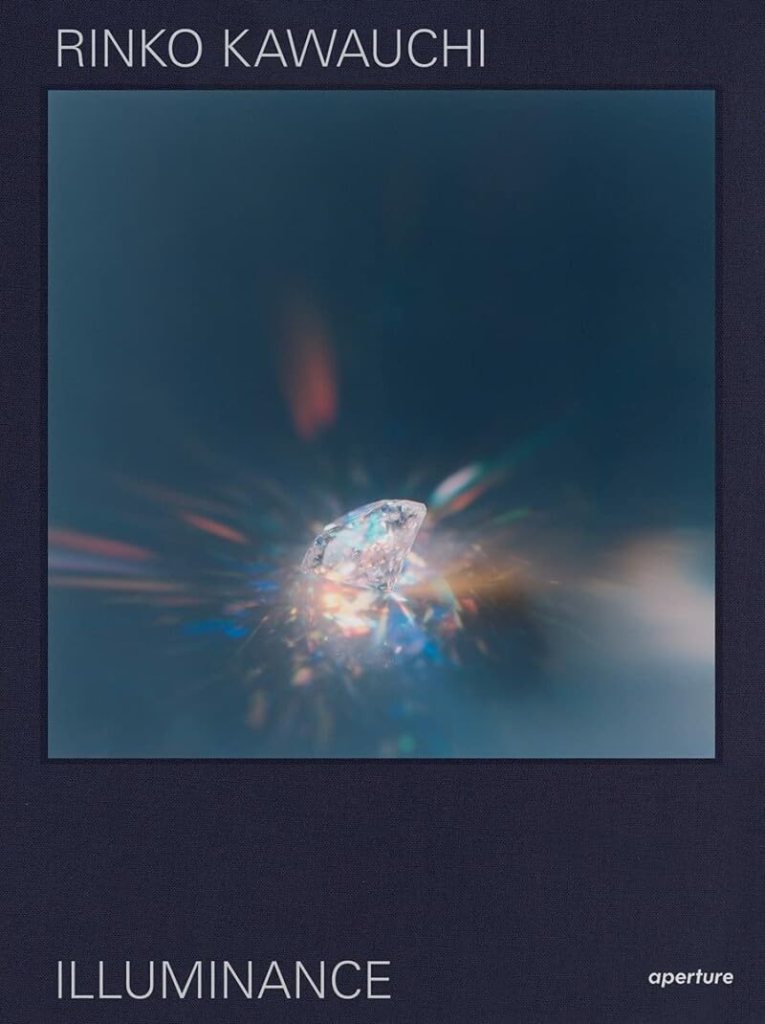
Rinko Kawauchi
Kawauchi’s poetic, pastel-toned images capture fleeting, often mundane moments — a feather, light falling on a hand, fish in a bowl — in ways that feel sacred. Her work exemplifies a feminine, slow gaze on everyday life.
Leah Freed
Leah Freed’s images celebrate the beauty of pause. Her work focuses on quiet, often overlooked details — shadows on walls, soft morning light, solitary objects — all captured with a gentle, contemplative eye. Rooted in slowness and observation, her photography invites you to breathe, notice, and reconnect with the present moment.
Joyce Tenneson
Tenneson’s work is a masterclass in mindful portraiture. Using large-format film and natural light, she creates ethereal, intimate images that feel more like quiet conversations than photographs. Her slow, intentional process invites presence — both from the subject and the viewer — making each frame a meditation on vulnerability and human connection.
Sally Mann
Saul Leiter
Alec Soth
Raymond Meeks
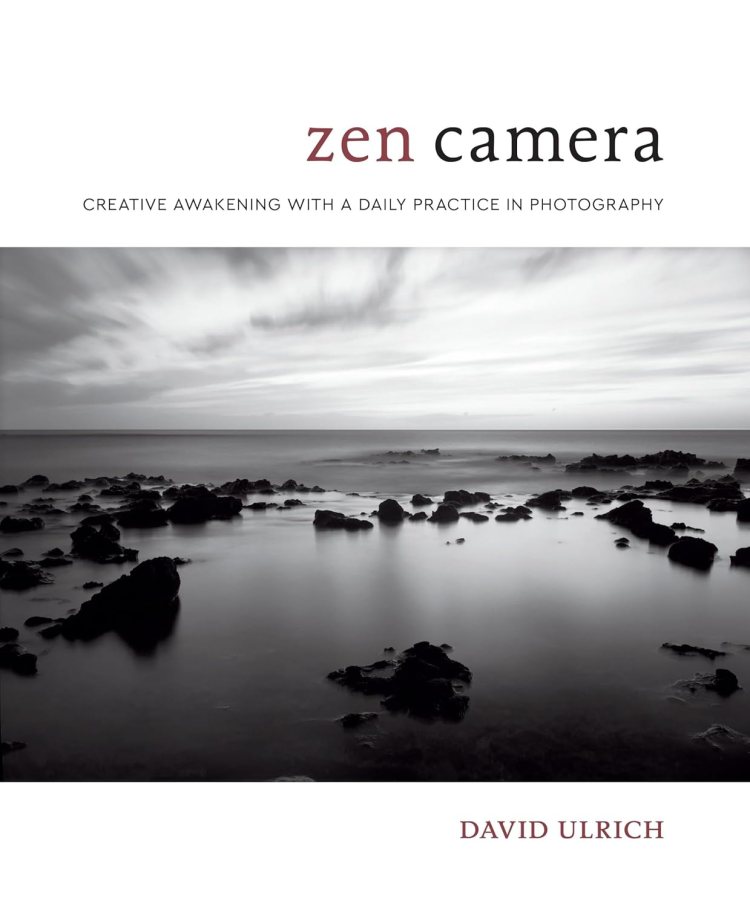
David Ulrich
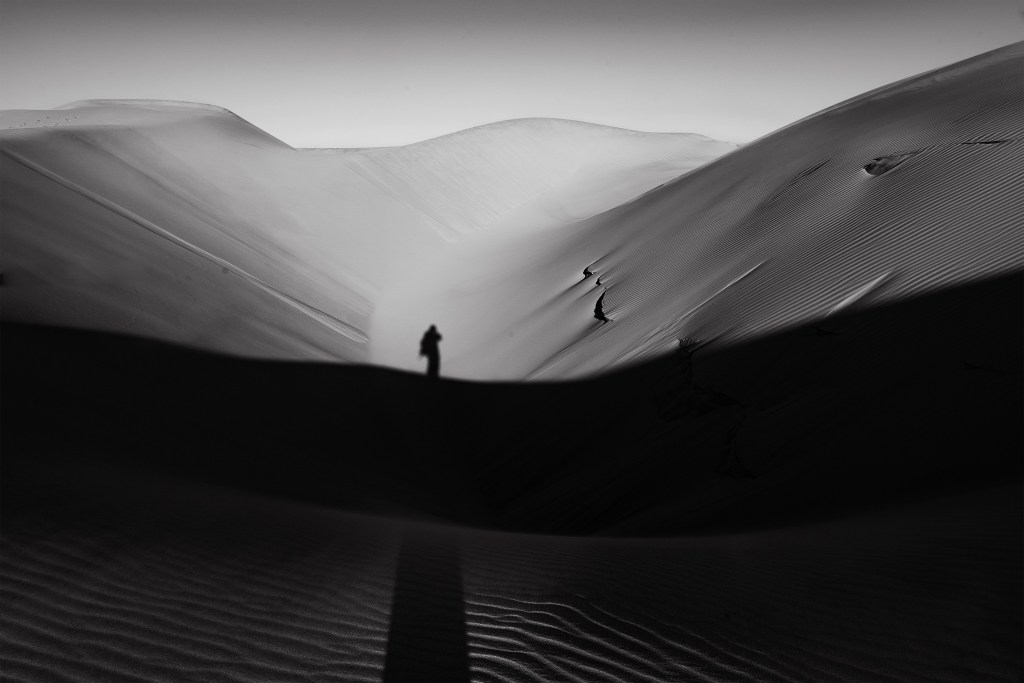
David Ulrich’s photography reflects the spirit of slow photography through deep awareness, introspection, and presence. His work often explores themes of transformation, impermanence, and the human connection to the natural world. Ulrich views photography as a practice of seeing—not just with the eyes, but with the whole self. His deliberate, contemplative approach invites us to engage more fully with our surroundings and ourselves. Through his teaching and imagery, he reminds us that true seeing takes time, patience, and inner stillness.
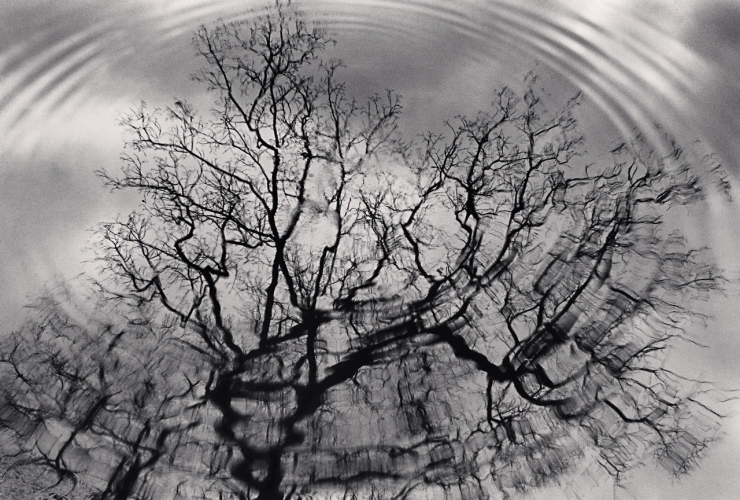
Michael Kenna’s photography is a true embodiment of slow photography, marked by patience, presence, and deep connection with place. He often revisits the same locations over years, sometimes decades, allowing the landscape to reveal itself in different moods and seasons. His minimalist black-and-white images, often taken in the quiet hours of dawn or night, reflect a meditative stillness and intimacy with his subjects. For Kenna, the act of photographing is not about quick results, but about forming a lasting relationship with the land—letting time and light shape the final image.
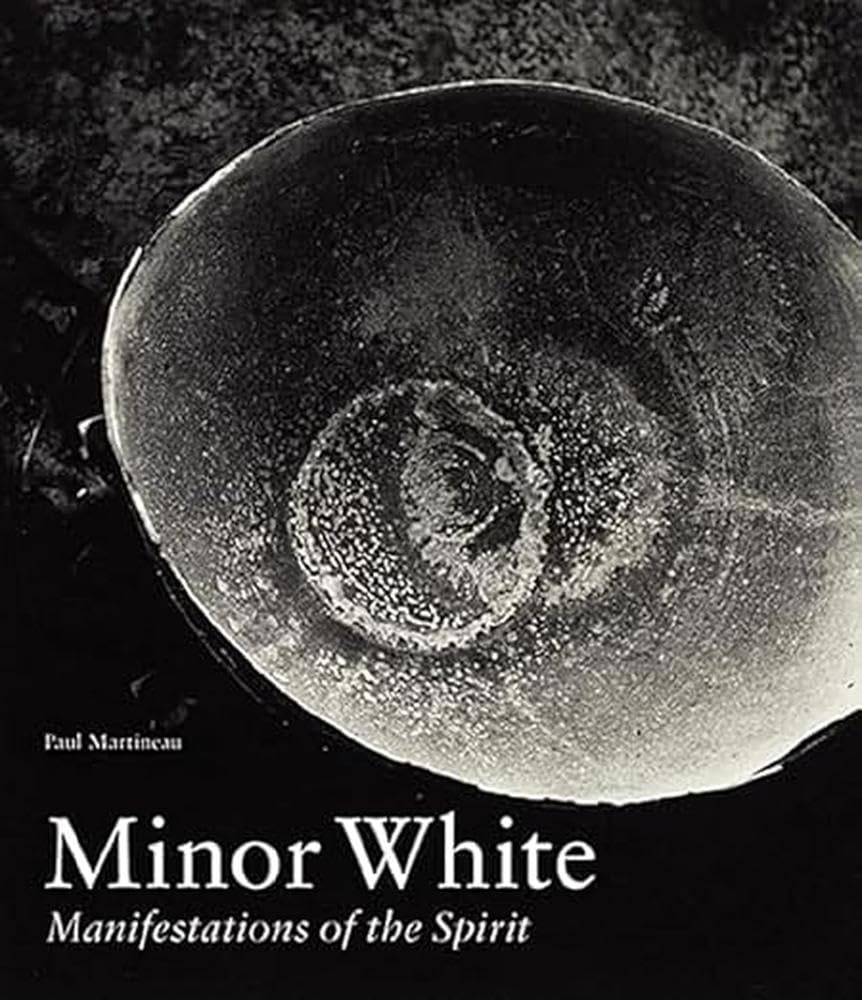
Minor White
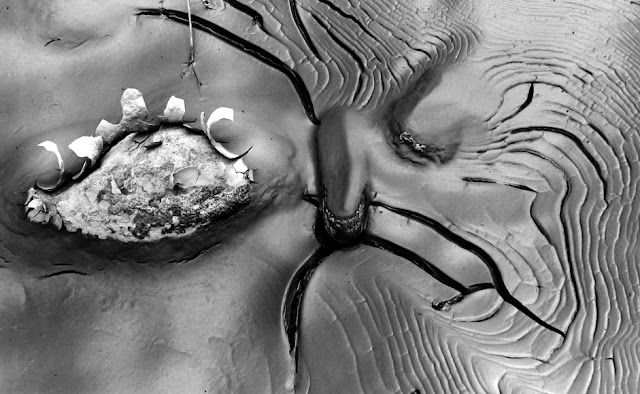
Minor White’s photography is a profound example of slow photography, rooted in introspection, symbolism, and spiritual depth. His abstract imagery invites viewers to look beyond the literal and engage with the emotional and metaphysical layers of a photograph. White believed that both seeing and photographing required a quieting of the mind—a meditative openness to what lies beneath the surface. His process was slow, intentional, and deeply personal, often influenced by poetry and Eastern philosophy. Through his work, he reminds us that photography can be a path to inner awareness, not just visual expression.
Final Thoughts
If you feel tired, lost, or numb in your photography journey,
you don’t need another productivity hack.
You need to slow down.
You need to remember that photography is not a job, or a competition, or a hustle.
It is — and always has been — a profound way to see, feel, and connect with the world and your inner self.
Slow photography is not a retreat.
It is a return —
a return to the childlike wonder, to the magic of stillness,
to the sacred joy of seeing life unfold, one beautiful frame at a time.
Don’t let the world rush you.
Find your own pace.
Find your own voice.
Find your way home.
Ready to slow down and see differently?
Start your own journey into slow photography today—pause, observe, and create with intention. Share your thoughts or photos in the comments, and let’s celebrate the joy of mindful image-making together. Better even, think of some personal projects that are mindful and spread over a longer period.
Credits
- *“Slow Photography in a Fast World” by Charlotte Gibb
- “Six Photographers Using the Camera as Therapy” by Jon Feinstein
- “David Ulrich: How to be a more mindful photographer” by Kirk McElhearn
- “Slow Photography and Awareness“ by Alex Bond
- “The Art and Poetry of Nature” by Tom Schifanella
- “Interview with Alex Noriega: What Slow Photography Means to Him” by Jennifer Renwick
- “Slow It Down” by Ewen Bell
- “Slow Photography“ by Dominik Vanyi
- “Slow Photography: In Praise of the Print” by Yvan Cohen
When we give ourselves permission to slow down, and let go of seeing and doing and shooting *everything*, we start to tune into the things that give us joy. And that is a very very good starting point for doing your very best photography.
Ewen Bell
Books I Recommend
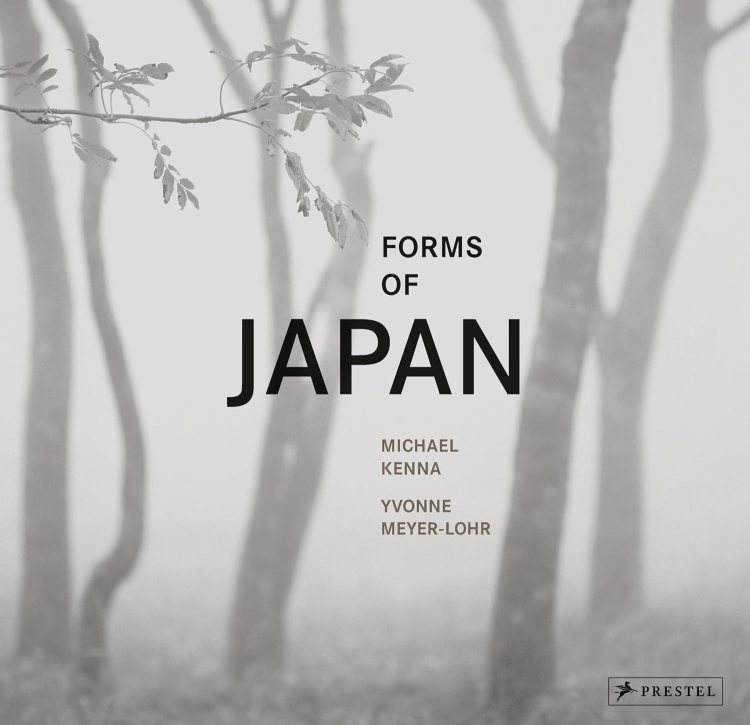
Forms of Japan by Michael Kenna
Zen Camera by David Ulrich
Minor White by y Paul Martineau
Rinko Kawauchi: Illuminance
Hi, I’m Vivek, a travel photographer and blogger based in Mumbai, capturing landscapes, architecture, and street life through my lens. But beyond photography, I love connecting with fellow creatives.
Discover more from Vivek Verma
Subscribe to get the latest posts sent to your email.
 Vivek Verma