
Discover how Chema Madoz uses ordinary objects and imagination to create timeless, surreal black-and-white photography—no digital manipulation needed.
Step into the world of Chema Madoz, where the ordinary becomes uncanny and objects whisper riddles. The celebrated Spanish photographer doesn’t just capture images—he reimagines reality. Through a career shaped by countless interviews and thoughtful conversations, Madoz has offered rare glimpses into his singular creative mind—one that bends perception, blurs illusion, and turns still life into surreal poetry.
My exploration of legendary photographers has always been deeply rooted in the art movements that shaped their vision. In the previous installment of this “Legendary Photographers” series, I delved into the serene precision of Minimalism through therapeutic landscapes of Michael Kenna.
In this post, I journey into the realm of Surrealism through the enigmatic and mind-bending work of Chema Madoz—a master of visual poetry. His name came to me as a compelling recommendation from my photographer friend, Remon Diaz, and it quickly became clear why: Madoz doesn’t just photograph objects; he transforms them into metaphors that challenge the very fabric of reality.
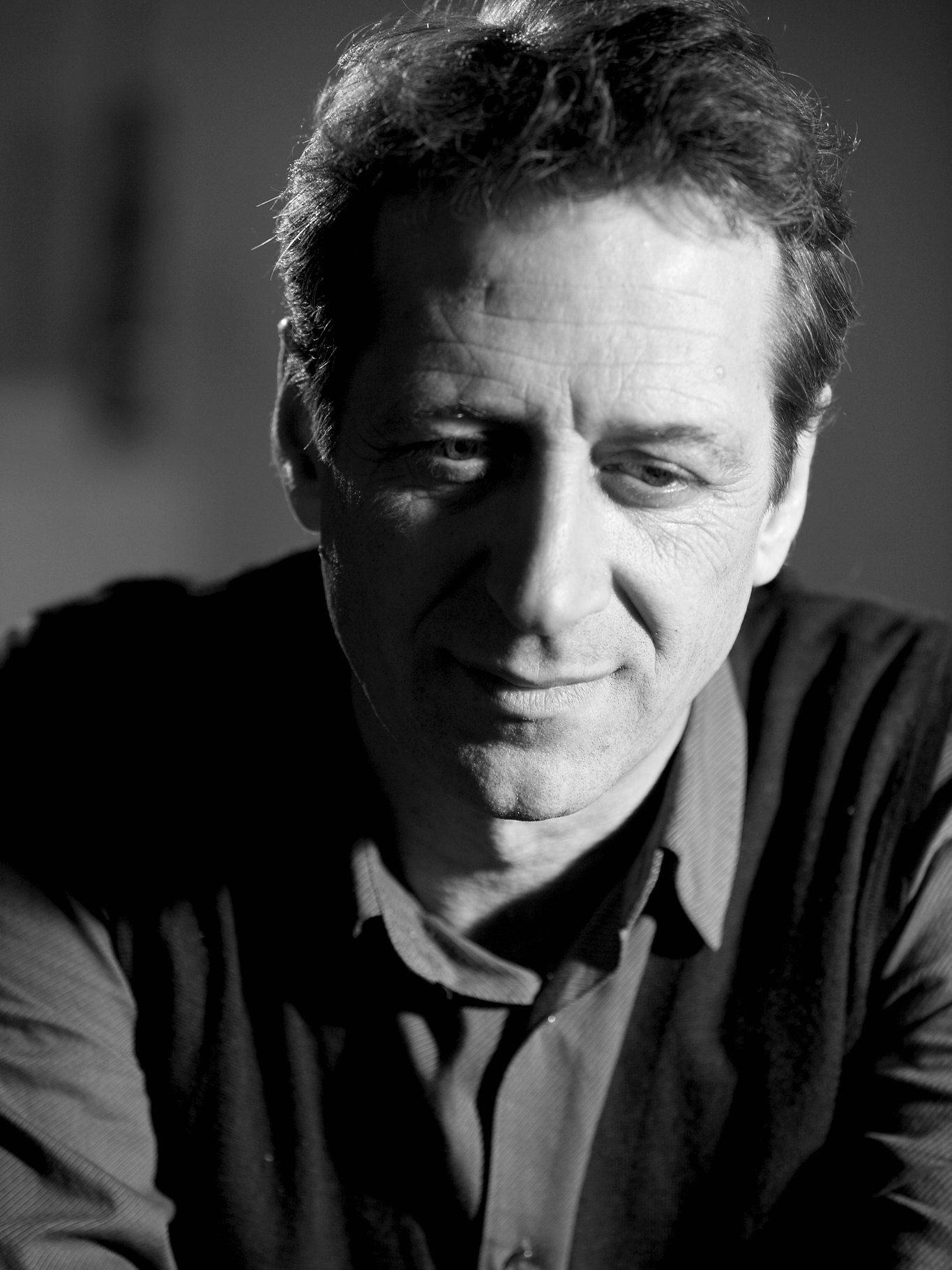
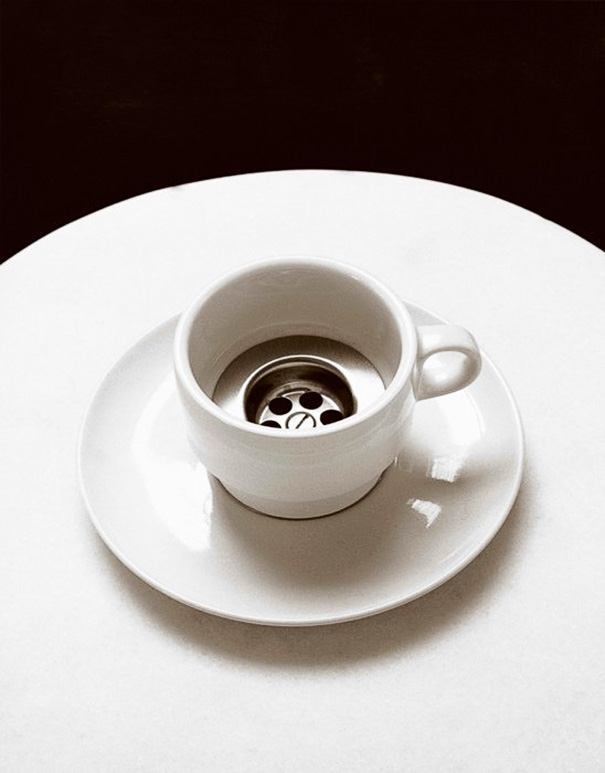
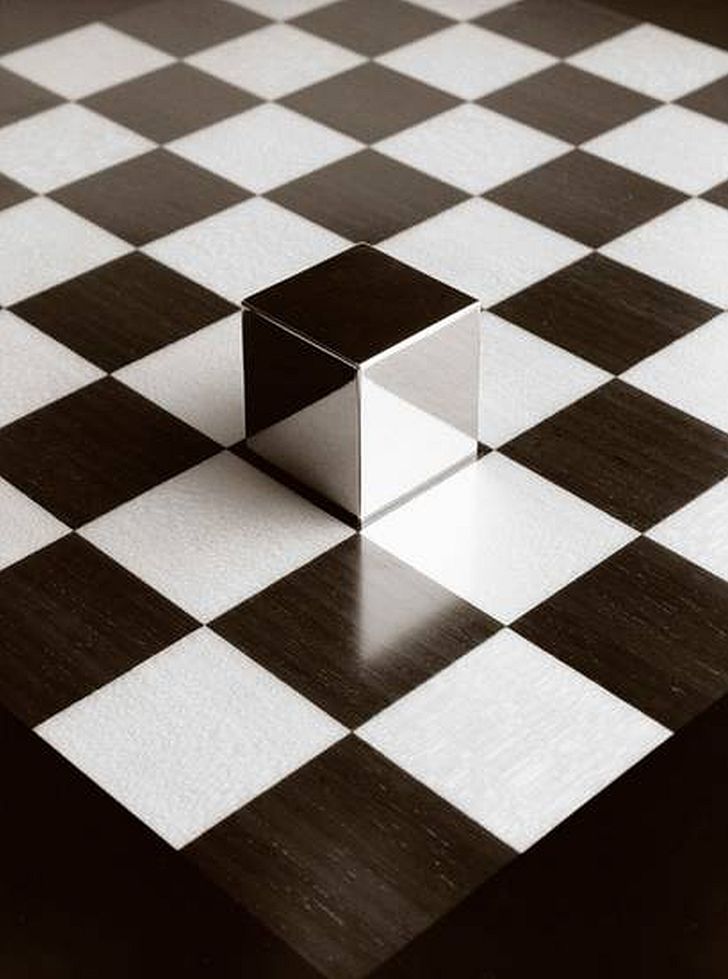
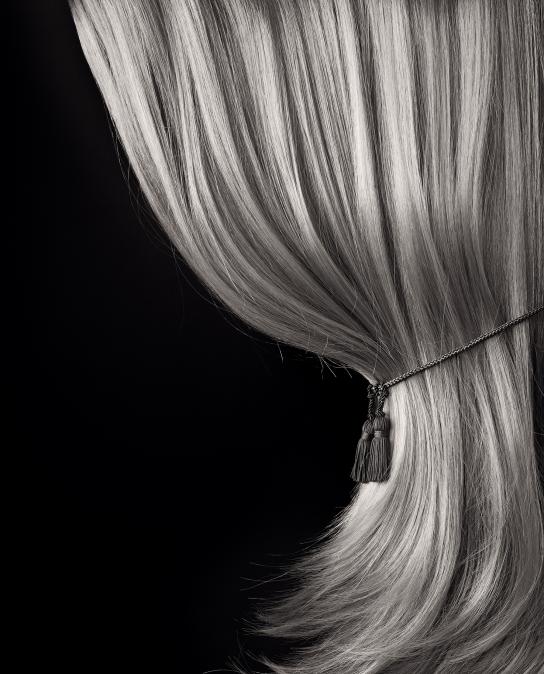
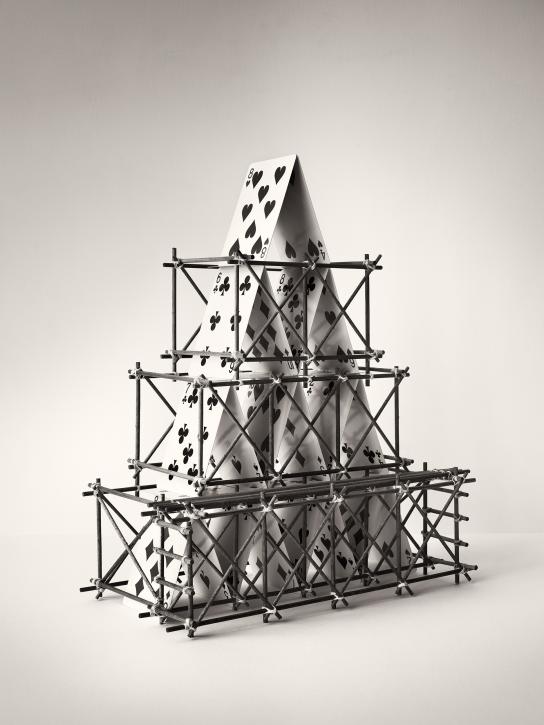
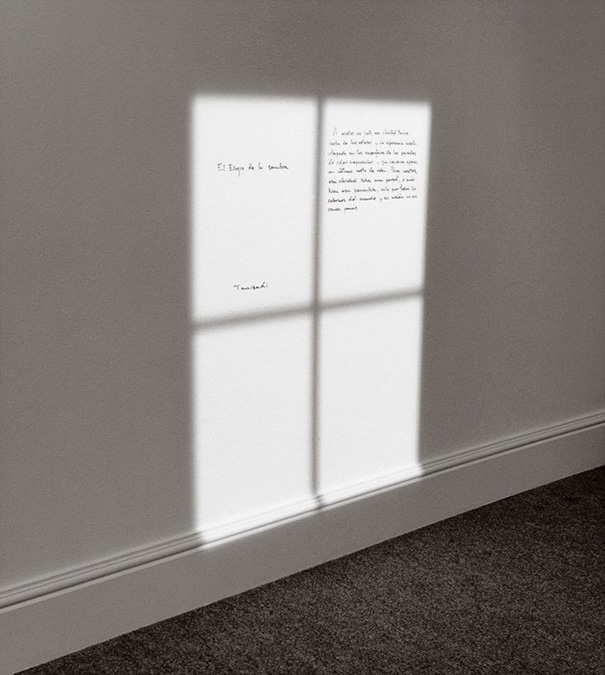
Chema Madoz (born 1958, Madrid) is a celebrated Spanish photographer known for his surreal, black-and-white images that transform ordinary objects into imaginative visual metaphors. With a background in Art History from the Universidad Complutense de Madrid, Madoz began exploring photography in the 1980s, developing a unique style rooted in analog precision, not digital manipulation.
Read more
His work draws influence from surrealism and conceptual art, yet remains unmistakably his own—marked by wit, elegance, and philosophical depth. Madoz uses everyday objects as building blocks for visual poetry, encouraging viewers to question perception and find the extraordinary in the ordinary.
In 2000, he was awarded Spain’s National Photography Prize, and his work has been widely exhibited in institutions like the Reina Sofía Museum and the Getty Museum. Through his timeless images, Madoz continues to challenge how we see the world—turning still life into something quietly profound and endlessly imaginative.
However, just like my earlier post in this series, I will only share what we can learn from his artwork and life—the key takeaways from various interviews that I have distilled to learn by heart myself and apply in my own photography in simple bullet points, without any drama.
Why I like About Chema Madoz’s Work
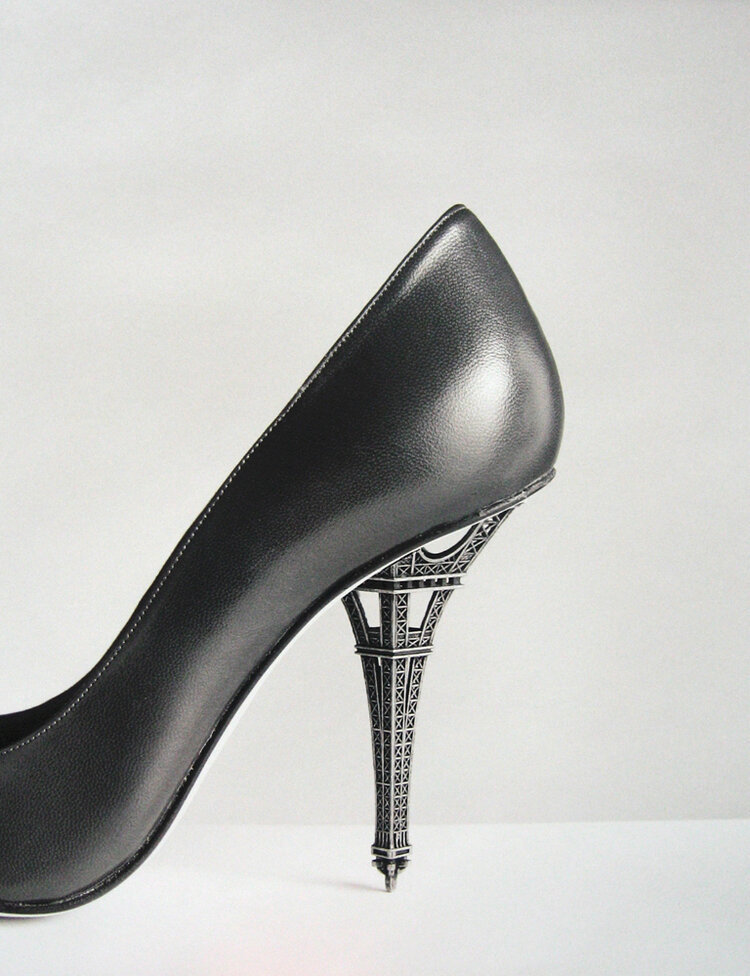
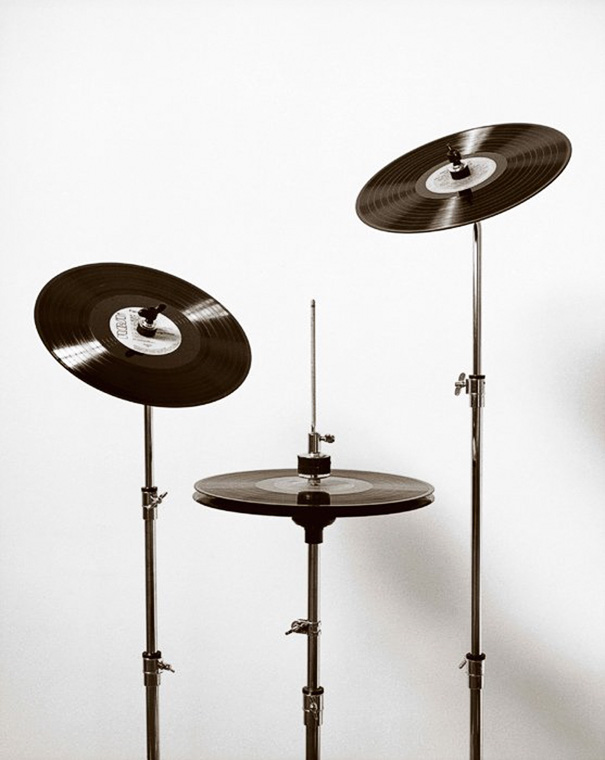
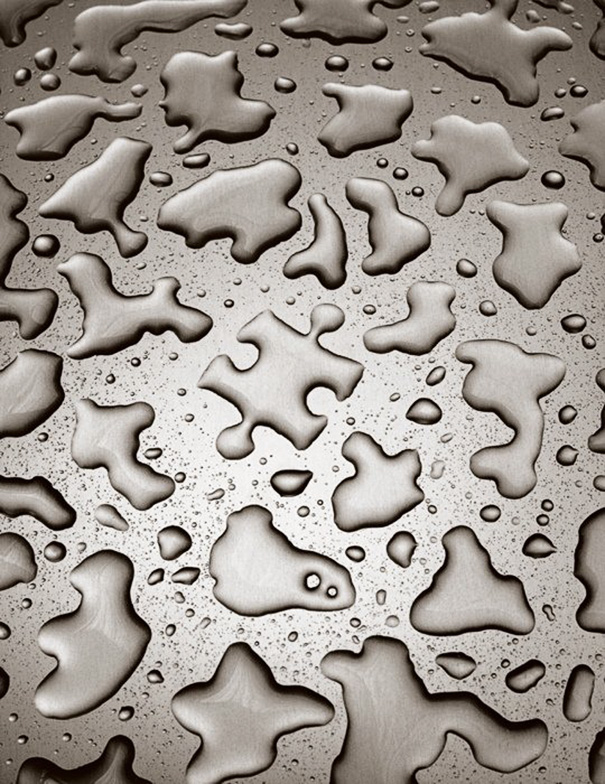
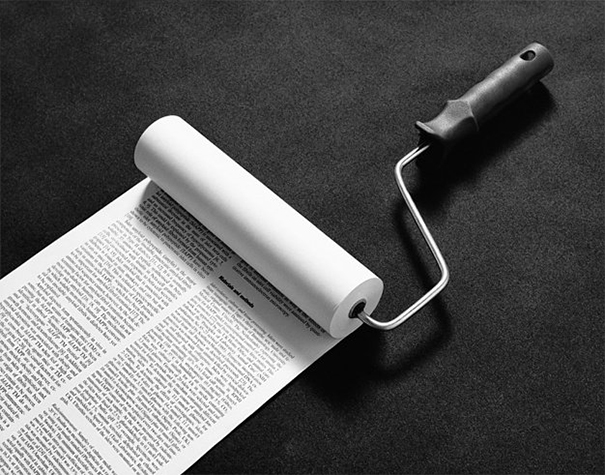
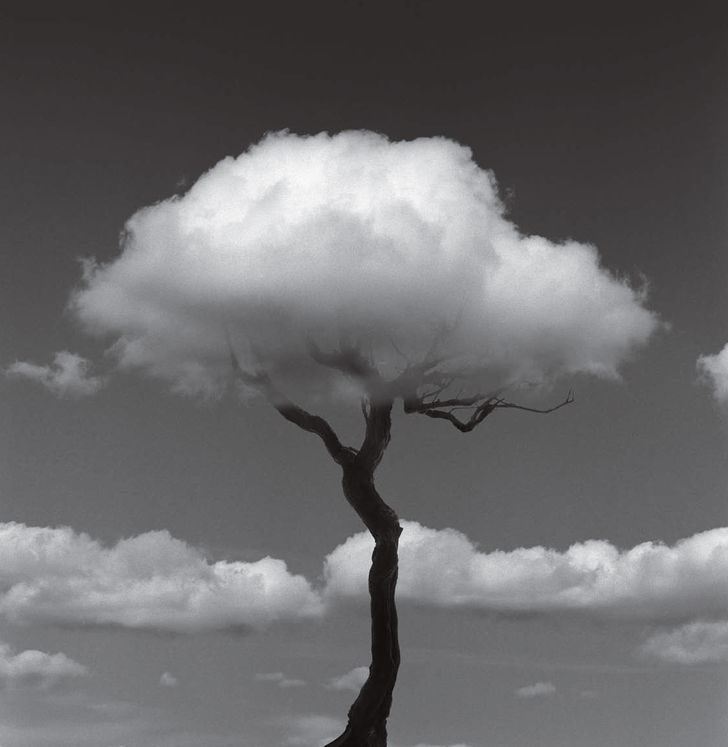
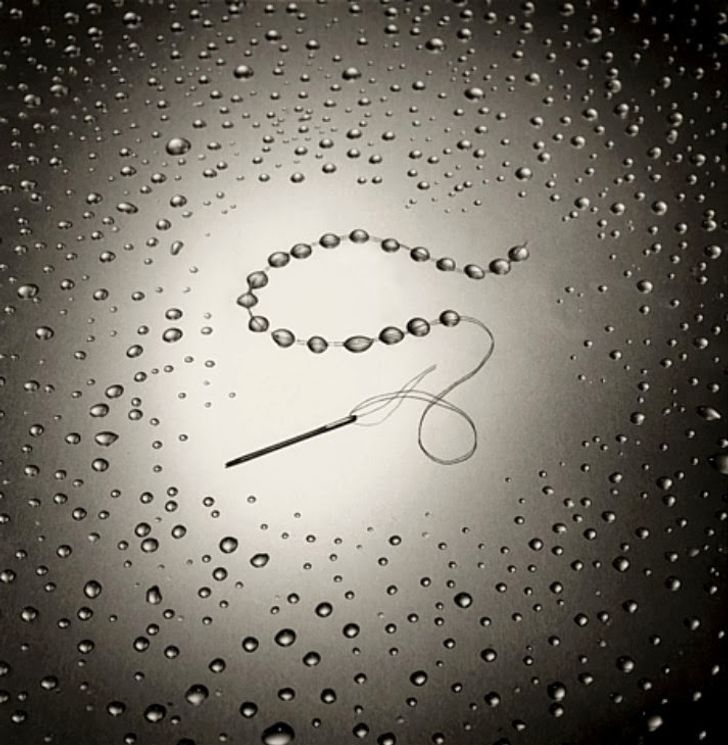
- His creativity to transform everyday objects into surprising, illogical uses, which you could not have imagined, without digital manipulation.
- His visual metaphors and poetic imagery which are open-ended questions, inviting interpretation, not answers.
- He builds scenes from sketches and notes, then photographs the final constructed object.
- He is not secretive about his working process, but rather revels them (sketches, drawings) to underscore the intentionality behind the image.
- His work is simple yet layered, stripping away excess and aiming for austerity and clarity, while retaining conceptual depth at the same time.
1
His Inspiration
Artists: His work is inspired by surrealist tradition, like, Man Ray, Brassaï, Dora Maar, Salvador Dalí, Magritte (surrealism), De Chirico (mystery), Morandi (stillness).
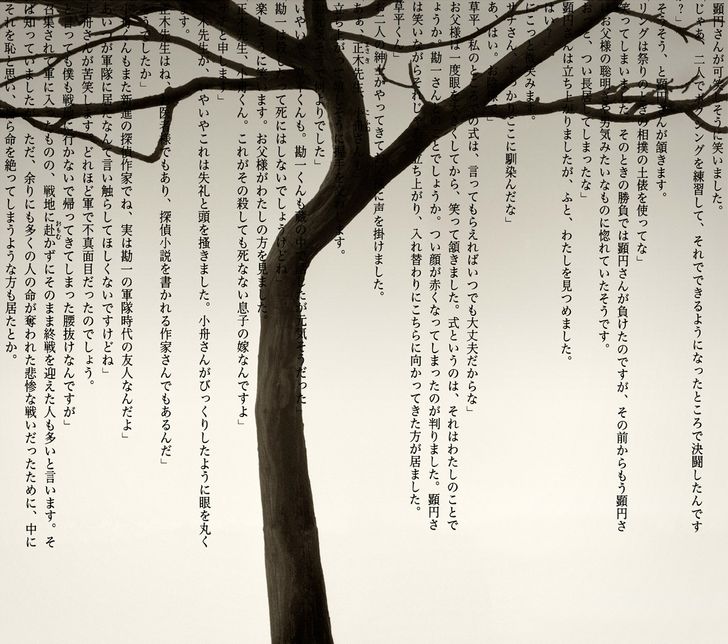
Poets and Writers: He finds his inspiration from poets and writers who reinterpret everyday objects, like: Cristóbal Serra, Joan Brossa, Ramón Gómez de la Serna, Francis Ponge, Jorge Luis Borges, Boris Vian and Tanizaki.
Objects have the same character that words do when you put one next to the other: they contaminate one another and meanings change. I profit from those circumstances.
Interview with Elephant magazine
2
His Composition
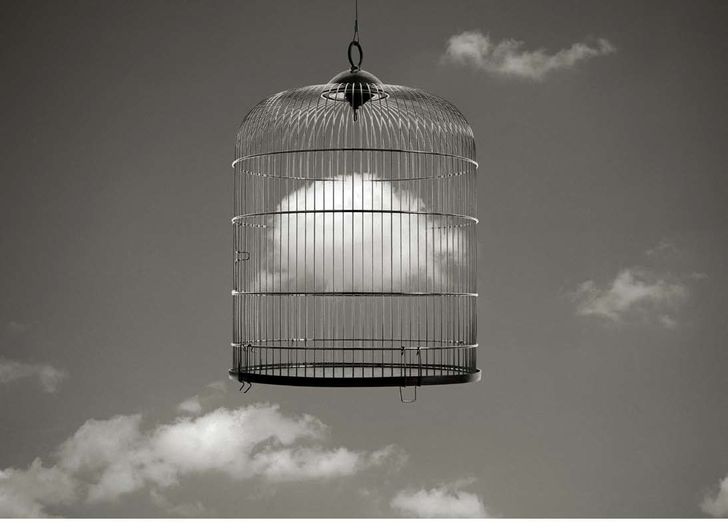
Juxtaposition: He uses juxtaposition in his work sometimes literally and sometimes metaphorically. He believes, objects change meaning in proximity to one another, much like words in a sentence.
Fusion of Minimalism and Symbolism: His compositions are deeply minimalist yet layered with symbolism.
3
His Approach
Observation → Sketch → Build → Photograph
Interpretative: He believes that viewers bring their own narratives based on personal experience, and consciously avoid any title for his work, as title would anchor meaning. This way, there’s always room for play, surprise, and subjective interpretation.
Black and White: He always works in monochrome to focus on form, metaphor, and texture without the distraction of color.
Lighting: He uses soft side-lighting and simple settings to create a surreal, introspective feel—like stepping into a dream or memory.
No Digital Manipulation: Mandoz avoids digital manipulation. His photographs are constructed physically (carefully staged) and then shot.
4
His Style
Fusion of Photography and Sculpture: He considers himself as an “objectual sculptor working from a photographer’s point of view.” He fuses object creation and photographic composition—thus blurring the line between sculpture and photography.
I prefer not to give any clues and thereby give free rein to the spectator’s interpretative possibilities.
5
His Subjects
Relatability: He chooses familiarity over novelty and prefers common items that evoke shared meaning. If the object is too strange, it disrupts the metaphor.
Books as Metaphor: Books are recurring symbols—both as objects and vessels of infinite meaning.
Flea Market Quirks: He finds inspiration in secondhand objects, often picking items that feel mysterious or unsettling.
Objects as Soul-Carriers: Believes objects hold emotional weight and memory; photography unlocks their evocative power better.
What We can Learn from Chema on Surrealist Photography
1. Transform the Mundane.
Great photography lies in perception, not subject. The extraordinary is often hidden in the ordinary. So the next time you look at a common objects and ask, “What else could this mean?
2. Think Like a Sculptor.
Build ideas visually before the camera comes out. Compose and construct your subjects as much as you photograph them.
3. Objects are Visual Language.
Combine, juxtapose, and stage them to create new “sentences” — ones that speak in metaphors, evoke emotions, and unlock hidden meanings.
4. Embrace your Inner Poet.
Words aren’t always necessary when the image can breathe on its own — let your imagination guide the narrative, and trust the silence to say what words cannot.
Conclusion
I used to believe that surrealism in photography demanded complex, masterful Photoshop work. But discovering Chema Madoz’s timeless art changed everything. His images, born from pure imagination and simplicity, lit a spark in me—a sense of hope and excitement to explore surrealism not through software, but through vision.
The greatest gift Madoz has given me is this: the courage to see magic in the mundane, and to trust my child-like wonder to transform the ordinary into something deeply surreal and unforgettable.
Now it’s your turn—what quiet, ordinary object around you is waiting to tell a surreal story?
Take a moment. Look again. Let your imagination play.
Then pick up your camera—not to capture what is, but to reveal what could be.
Tag me on Instagram (@vivekverma0909) or share your surreal experiments. Let’s rediscover the poetry in everyday life, one image at a time.
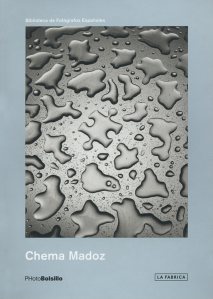
Chema Madoz Book I Recommend
About the Book
This book is a compact yet profound introduction to the surreal world of Chema Madoz, one of Spain’s most celebrated photographers. This volume presents a curated selection of his black-and-white images, where everyday objects are transformed into poetic visual metaphors. Through clever juxtapositions and minimalist compositions, Madoz invites viewers to see the ordinary anew, challenging perceptions and sparking imagination. Part of La Fábrica’s PHotoBolsillo series, this book is an accessible gateway into Madoz’s unique artistic vision, making it an essential addition for photography enthusiasts and lovers of conceptual art.
Buy on Amazon

Credits
- Interview by Beatriz Portinari on Talento a Bordo, January 2020
- “Chema Madoz: Sin Titulo” by Aline Smithson on Lenscratch, June 2014
- “Chema Madoz. A photographer of few words” by Marina Valcárcel on Alejandra de Argos, December 2015
Discover more from Vivek Verma
Subscribe to get the latest posts sent to your email.
 Vivek Verma