
Featured Image from here
Michael Kenna needs no introduction—unless you’re me from a few months ago.
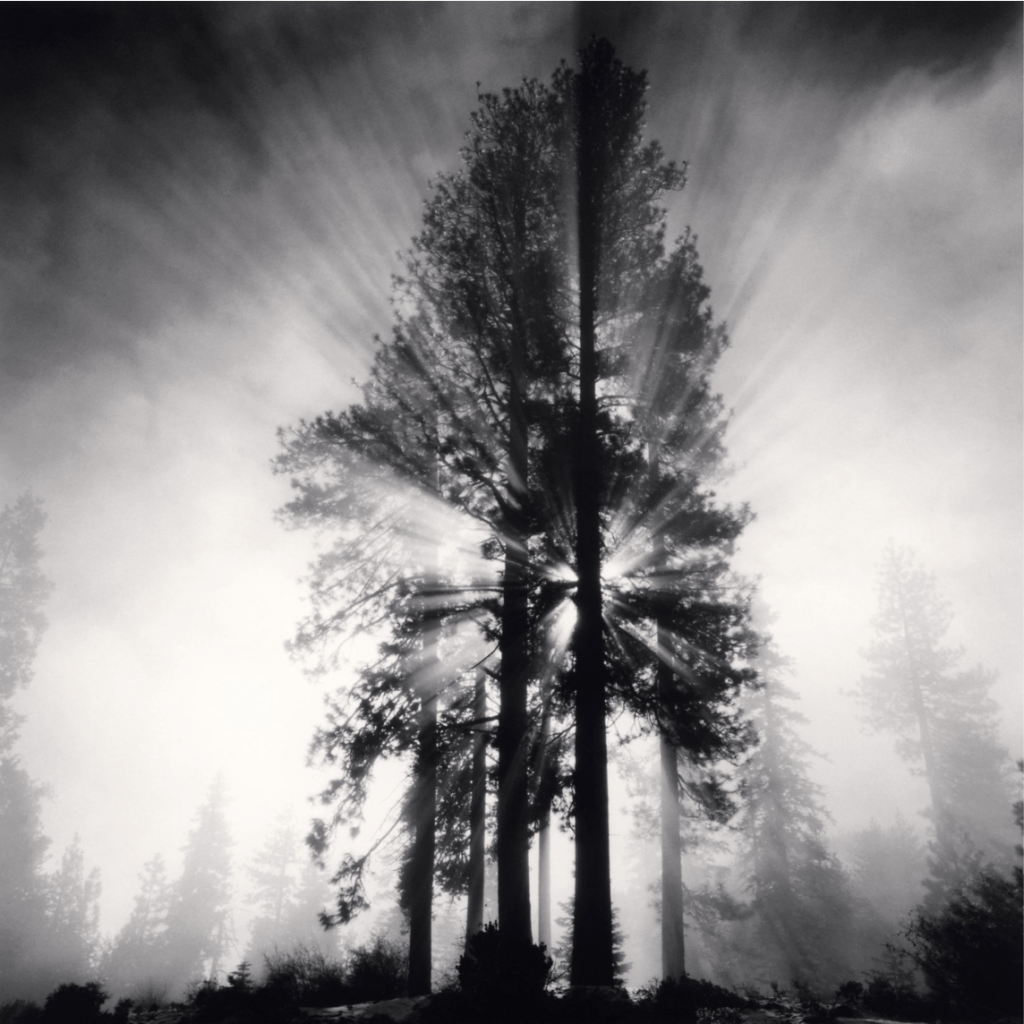
I only stumbled upon his work recently, while going down a rabbit hole of “most iconic landscape photographers of all time.” The internet threw dozens of names at me, but something about Kenna’s quiet, minimal style pulled me in. It was like his photos didn’t just show landscapes—they whispered them.
Most landscape photography tends to be loud and vivid. But Kenna’s work? It felt like poetry in black and white. Calm, thoughtful, and deeply moving.
This post isn’t about retelling his biography (you’ll find plenty of that elsewhere). Instead, I wanted to share the things I learned from his art and life—the stuff that stuck with me. Simple, honest takeaways in bullet points, with no fluff.
Let’s dive in.
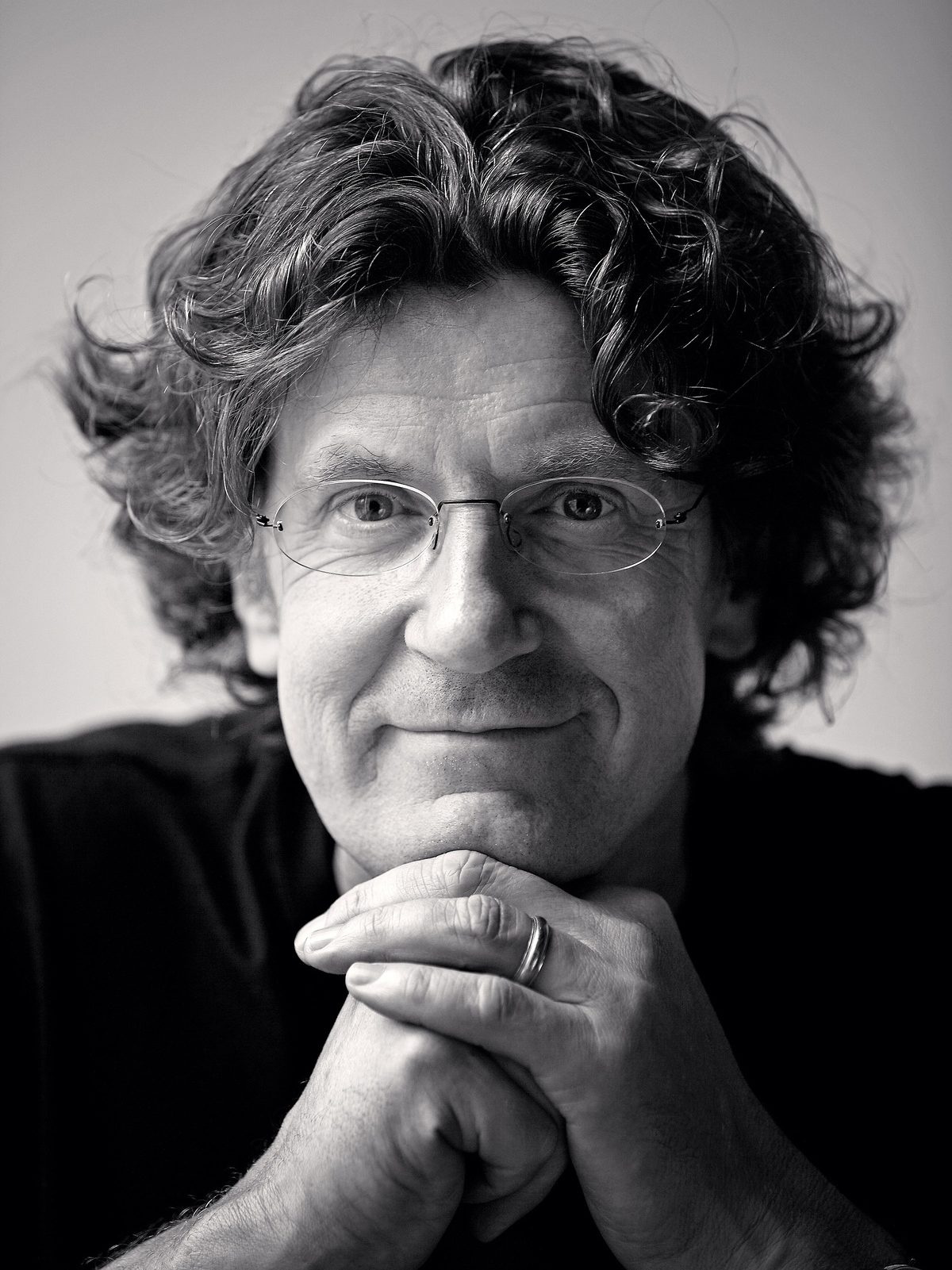
Before we move straight to the key learning points from his various interviews with international magazines and forums, let me tell you why I like Michael Kenna’s work at the first place.
- His photographic style is minimal, suggestive, and emotionally evocative rather than descriptive.
- His themes cut across diverse subjects (e.g. concentration camps, power stations, landscapes), all unified by a sense of poetic transformation.
- He carries a painter’s mindset into his photographic work.
- He favors spontaneity and responsiveness over rigid pre-visualization.
- For him, photography is not an act of taking or acquiring; it’s about forming a relationship with the subject, especially in landscapes.
- He uses whatever is available and familiar, stressing that artistic intent outweighs technical details.
- His photographs are distillation or interpretation of a deeply physical and emotional relationship with the world.
- He finds fulfillment in the continuous act of creating, staying curious and open to what unfolds.
1
His Inspiration
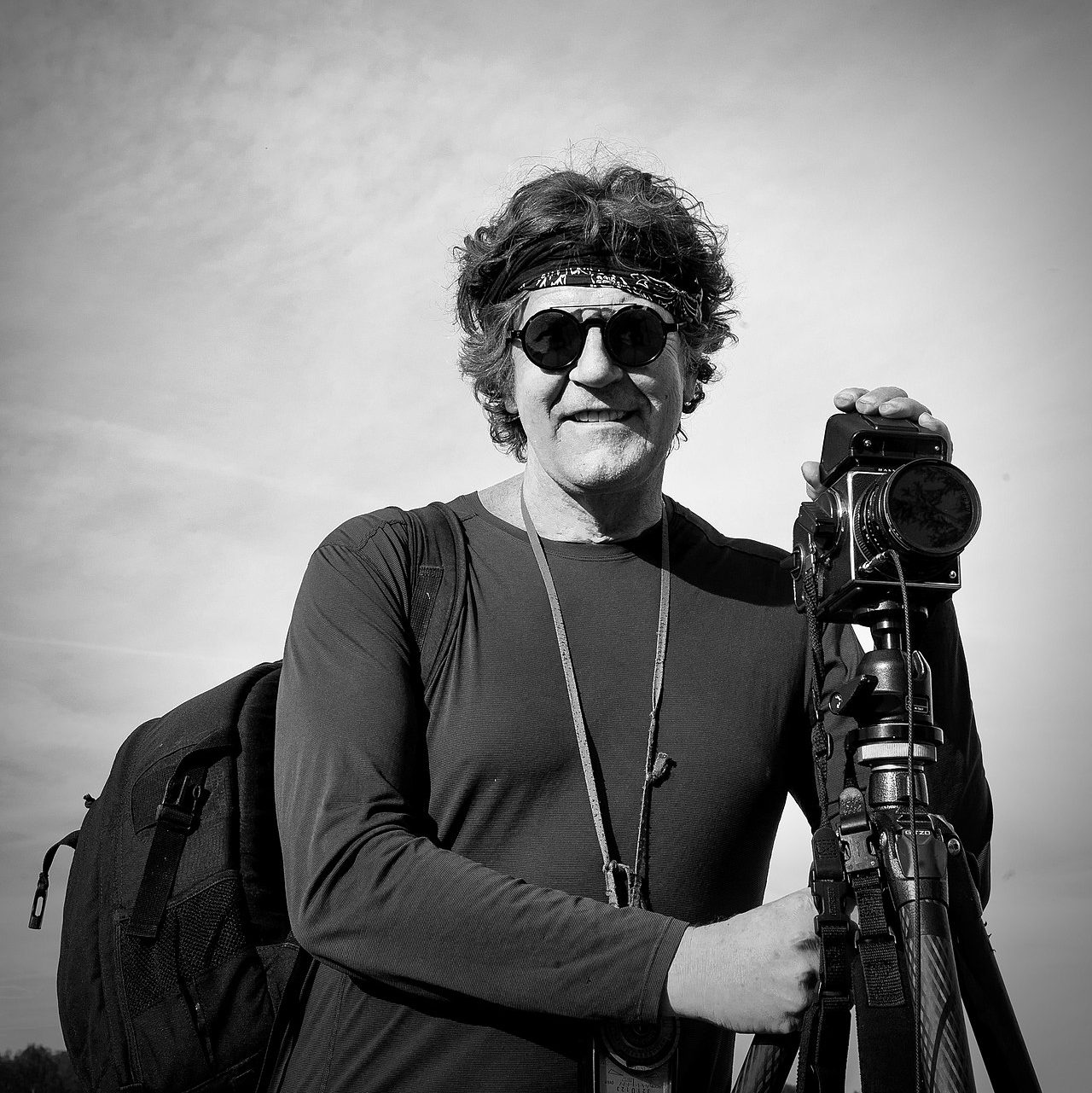
Legends: He draws inspiration from legendary photographers like Bill Brandt, Mario Giacomelli, Josef Sudek, Ansel Adams, Ruth Bernhard, Harry Callahan, Alfred Stieglitz and Eugene Atgét, often revisiting their locations to explore and reinterpret their subjects and from the painter, Caspar David Friedrich, J. M. W. Turner and .
Art & Culture: Kenna is profoundly inspired by Japanese art, philosophy, and visual culture—particularly its serenity, simplicity, and balance. His aesthetic embodies concepts like wabi-sabi and ma, often reflected in his use of emptiness and restraint.
2
His Composition
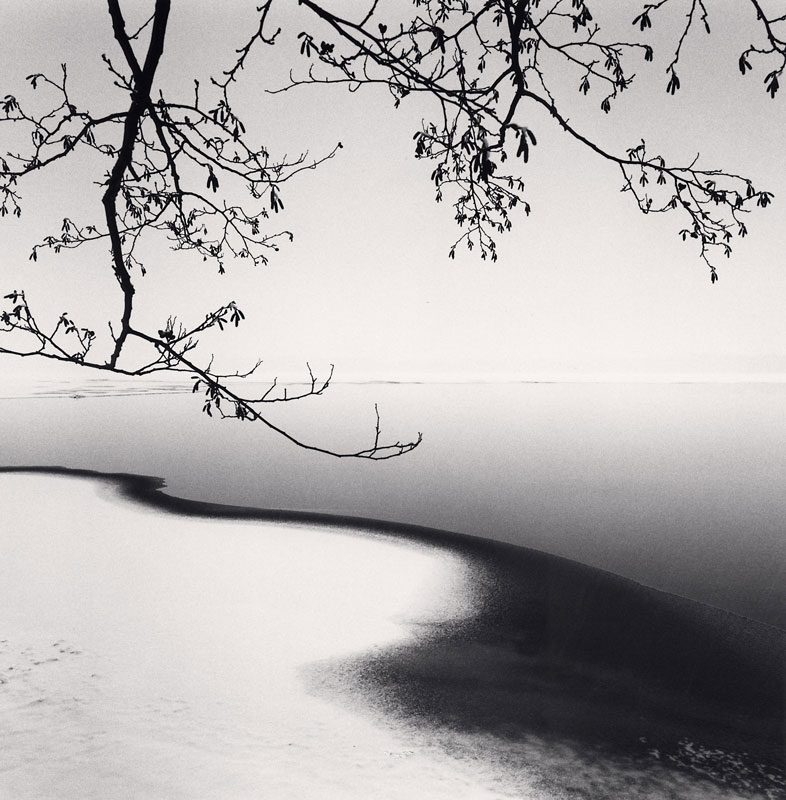
Interpretative: He uses only one or two elements to spark imagination, leaving room for both his and the viewer’s interpretation.
Depth: Photography being a 2D medium, he strives to create an illusion of depth that reflects the richness and multi-sensory nature of real-world experiences.
Minimalistic: Elements like fog, mist, rain, and water serve as natural “veils,” helping Kenna strip away visual clutter and distraction.
3
His Approach
Individualistic: He adds his own interpretation—photography, to him, is not replication, but transformation through an individual lens.
Suggestive: He favors suggestion over description—using minimalism, ambiguity, and atmosphere to evoke emotion.
Interactive: His approach is interactive and interpretive, not passive—he engages with objects as though they possess lingering traces of human presence.
4
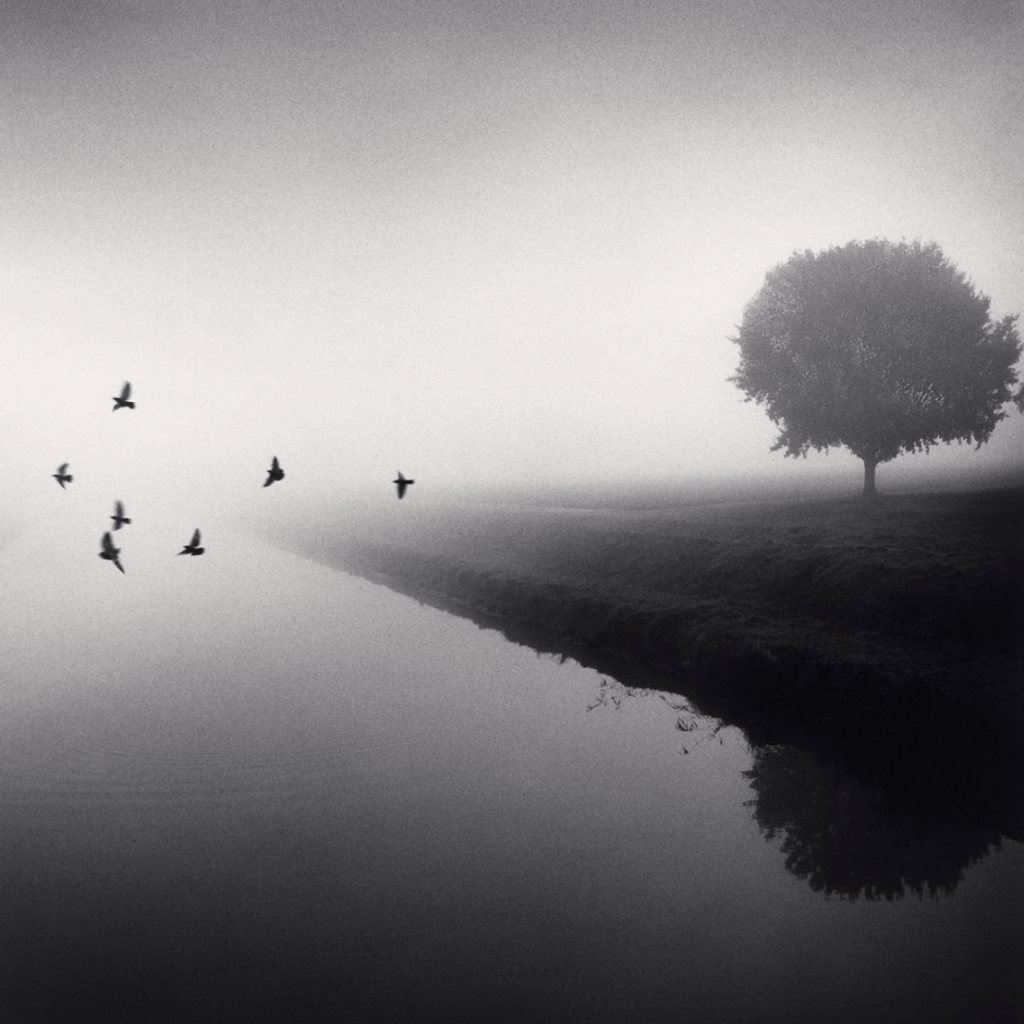
His Landscapes
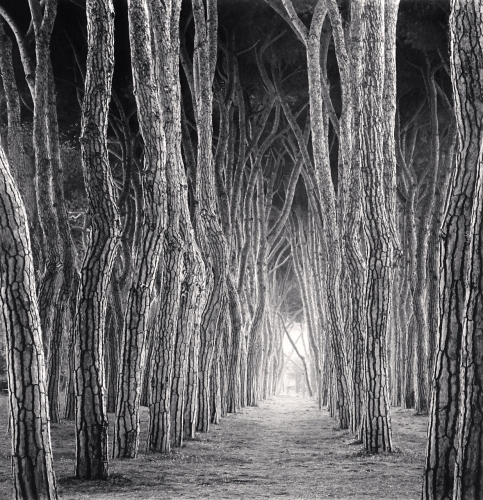
Talking to the Land: To Kenna, photographing landscapes is like “talking to the land” and asking for permission. It shows his humility, presence, and deep respect—he sees nature not as something separate, but as something we are deeply connected to.
Being Present: He believes it’s more important to be present and feel a place than to focus too much on getting the perfect photo.
Black & White: Kenna appreciates the simplicity and suggestive power of black and white, which he believes allows for more imagination and creativity.

5
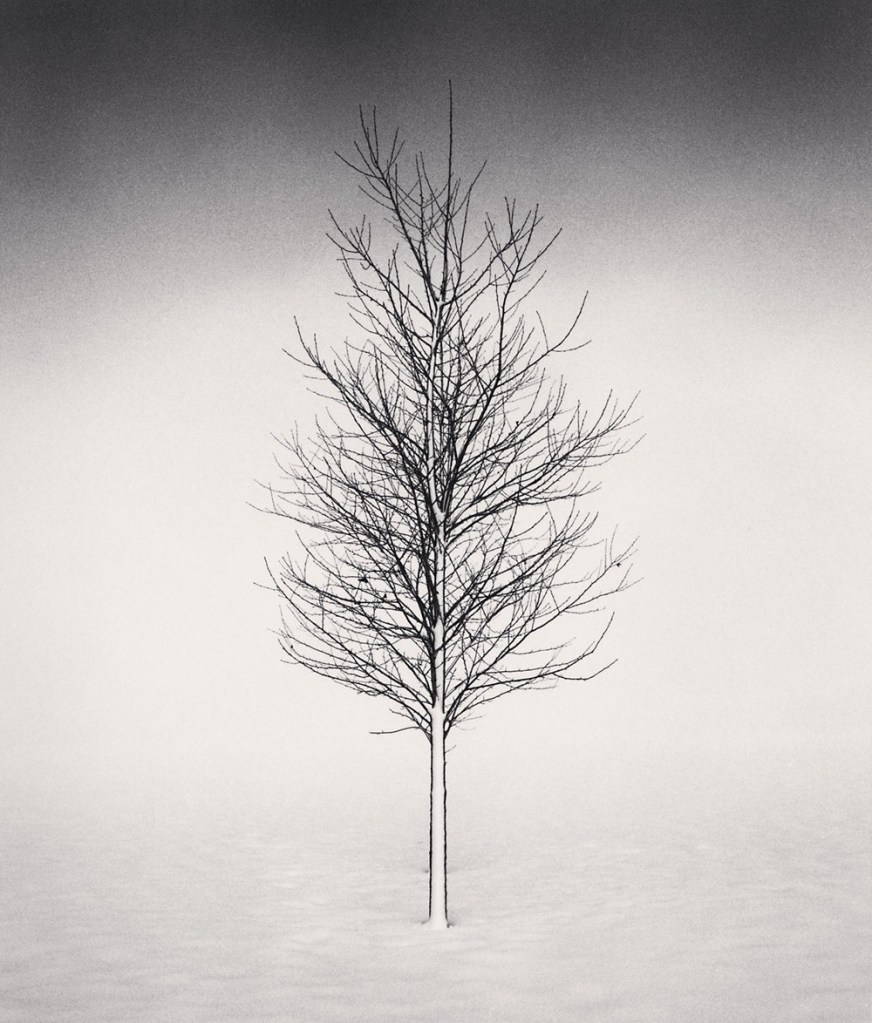
His Gears & Processes
Gear: He critiques the focus on gear, saying it’s the vision—not the tools—that truly shapes the image. What matters more is how you see and relate to your subject.

Technical Skills: Kenna believes technical proficiency should become invisible in the creative process.
Speed: Kenna values time as his most valuable resource and creates work that is gradual, thoughtful, and focused on depth, not speed.
Revisits: Emotion and personal history often drive Kenna’s choice of location. He revisits the same places to renew emotional relationships with those places over time.
6
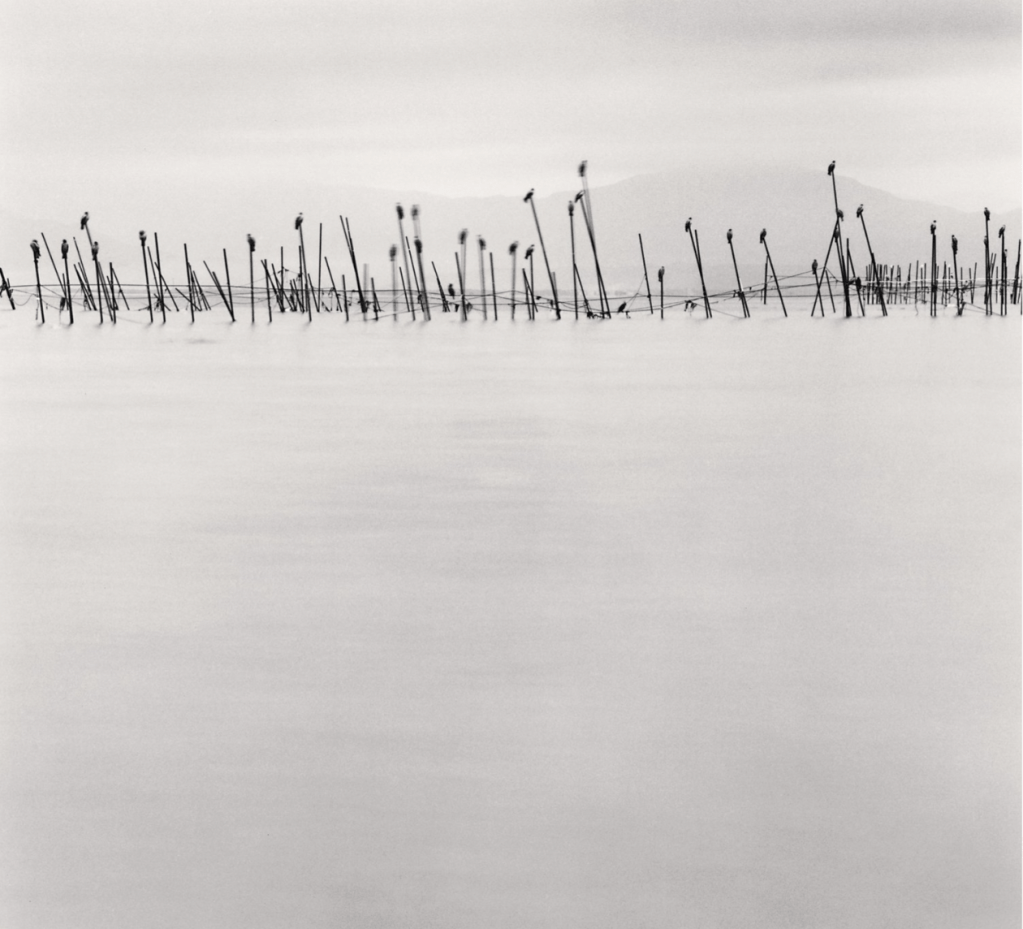
His Projects
A Dialogue: For Kenna, photographic series is a dialogue with the subject which builds a conversation over time.
Emotional Resonance: His projects evolve naturally from subjects that resonate with him emotionally—such as memory, time, change, and atmosphere.
Multiplicity: Kenna prefers working on 5–6 projects simultaneously, which allows ideas to cross-pollinate and keeps his creativity and curiosity alive over long periods.
Constant Discovery: He values constant discovery over trying to capture one “perfect” image. His deep photographic projects evolve over time, not from one-time visits.
7
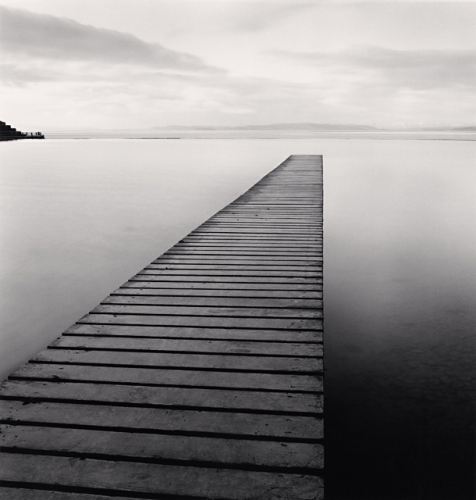
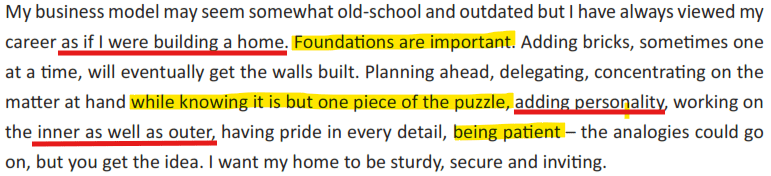
How Kenna Balances Art & Commerce
Kenna combines commercial viability with personal artistic expression. He continues to balance both, proving that one can pursue art without forsaking practicality.
Early on, Kenna took all kinds of commercial work to get by, but later chose only projects that matched his artistic vision.
Kenna takes on limited commercial work each year, using it to fund personal projects and explore creative challenges.
8
What Photography Means to Him
A Medium: Kenna views photography as a medium to translate emotion, memory, and story into visual form.
A Journey: For Kenna, photography is a lifelong journey of exploration and growth, not a race to produce iconic works.
A Meditation: Photography can be a form of mindfulness. Slow down, disconnect, and let photography become a meditative practice.
9
What Kenna Has to Say On:
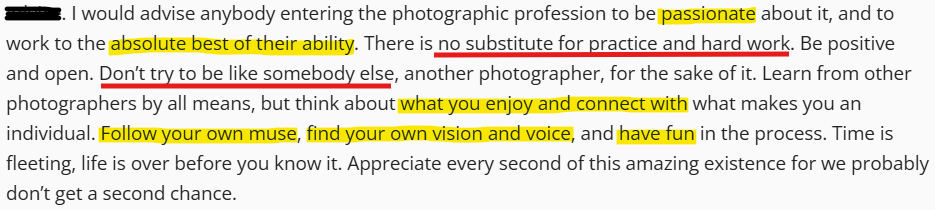
Personal Style: Explore styles early, but when you find your unique voice, stay consistent to let your identity mature, rather than imitating others. Be aware of the industry, but don’t compromise your style or vision just to stay current.
Comparison: Believe in your path: Each artist has a different journey. Don’t compare or envy—trust your inner creativity and follow where it leads. Photographic vision must grow from within, not from what others are doing.
Digital Manipulation: Kenna is not a big fan of digital manipulation—He feel it weakens photography’s core strength: its deep connection to reality, which sets it apart from other visual arts like painting or sculpture.
Success: Don’t obsess over immediate success. Think long-term. Consistency and endurance matter.

Reception: Our role is that of a creator, not a controller of how our work is perceived or used.
10
What We can Learn from MK
Spontaneity keeps the creative journey alive. Trust your intuition and embrace unpredictability.

Experiment to go beyond Literal


Conclusion
When I decided to write about MK, I didn’t want to just repeat what’s already out there in countless interviews and articles. Instead, I focused on pulling out the key takeaways—the bits that really resonated with me or felt especially relevant. Hopefully, this post gives you something valuable and saves you the time of digging through decades of interviews.
For me, the deepest lesson has been this: not to chase fleeting fame or instant success, but to quietly cultivate my own voice—through patient experimentation, honest effort, and a willingness to see beyond the surface. Photography, after all, is a lifelong journey. And on this path, I must follow my muse, wherever she chooses to lead, guided always by the stirrings of my own heart.
If Kenna’s quiet brilliance spoke to you the way it did to me, I’d love to hear your thoughts.
What is your key takeaway from Kenna’s work and photography journey? Have you discovered any artists who changed the way you see or feel photography?
Please let me know in comments or email me at vivekvermavisuals@gmail.com, or just say hello. Let’s keep this space inspiring and human—just like the art we love.
Michael Kenna Book I Would Recommend
About the Book
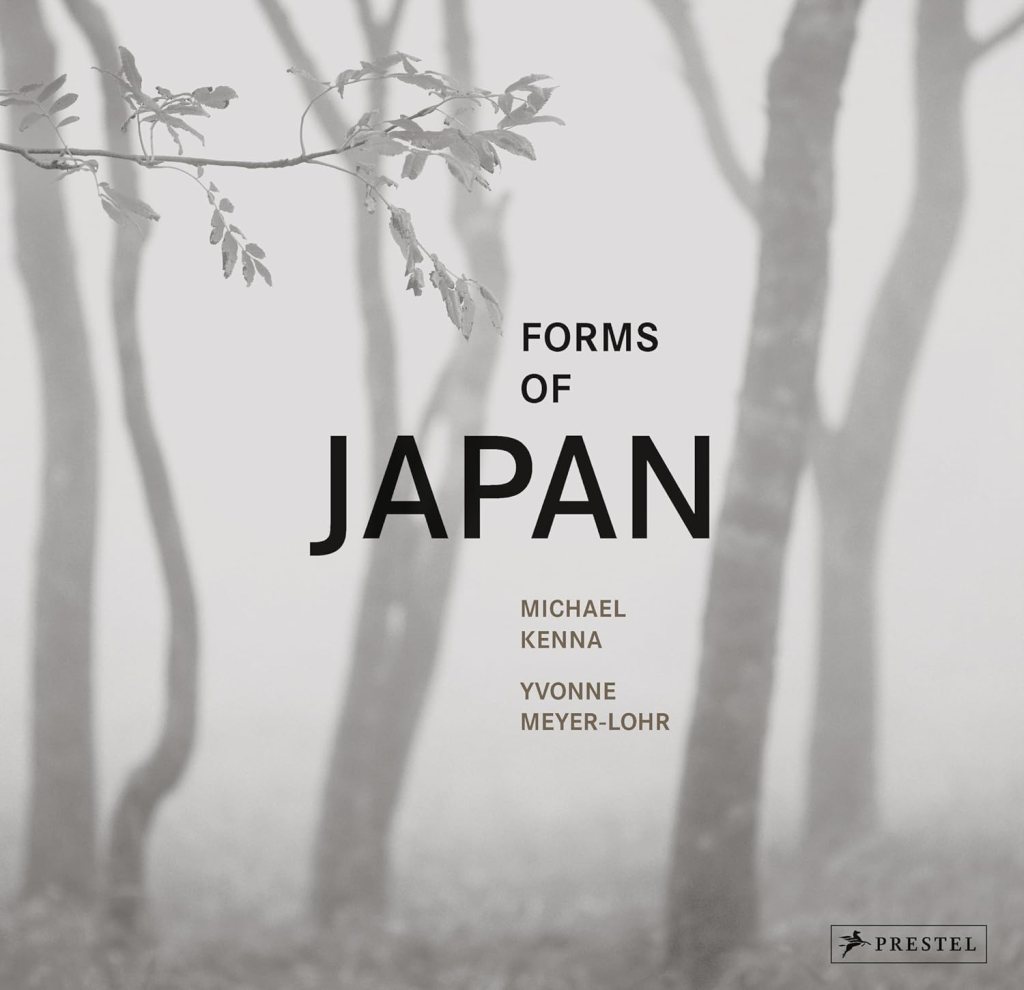
Forms of Japan: Michael Kenna is a beautifully designed monograph that gathers 240 of Kenna’s signature black‑and‑white photographs made across nearly three decades in Japan. Organized into five poetic chapters—“Sea,” “Land,” “Trees,” “Spirit,” and “Sky”—the book pairs Kenna’s meditative images of coastlines, temples, snow‑clad fields, and mist‑shrouded forests with classical haiku to evoke the country’s serene beauty and silent histories Prestel Publishing. Presented in a compact hardcover edition with a silk‑covered slipcase, Forms of Japan showcases both iconic and previously unpublished works from Hokkaido to Okinawa, offering a contemplative journey through the photographer’s enduring dialogue with Japanese landscapes
Buy on Amazon
Credits
- Interview with Photographize
- Interview with The Guardian, September 2023
- Interview with Center for Photographic Art, December 2001
- Interview with İpek Çınar, March 2020
- Interview with Artnet, March 2023
- Interview with photo-eye Gallery, August 2016
- Interview with ArtWorks Magazine
- Interview with Black&White Magazine, October 2024
- Interview with HolgaDirect, April 2013
- Interview with COOL magazine, Spring-Summer 2007
- Interview with Dolby Chadwick Gallery, January 2003
- Interview with Looking Glass, 2016
- Interview with MediumFormat, October 2020
Discover more from Creative Genes
Subscribe to get the latest posts sent to your email.
 Creative Genes
One thought on “Legendary Photographers: 10 Lessons We Can Learn from Michael Kenna”