
Let’s be real—who actually studies photography books these days? Can’t you find all this on YouTube or Instagram? Why flip through a chunky tome when you’ve got the internet?
Good question. But here’s the thing: photography books offer something the internet rarely can—depth, clarity, and timeless inspiration. Think you can learn photography from YouTube and Instagram? Here are 5 powerful reasons why picking up the right photography book might be the smarter choice.
Depth Over Distraction
Social media gives you bits and pieces—snippets, scrolls, highlights. But a book? A book invites you to slow down. It presents a curated body of work with intention and context. No ads. No interruptions. Just deep, focused learning.
The Artist’s Unfiltered Vision
On Instagram or YouTube, algorithms decide what you see. But in a photobook, every page is composed by the artist—sequenced, designed, and presented as a complete thought. It’s the purest form of how they want their story told.
Build Visual Literacy, Not Just Trends
Online platforms often push what’s trending, not what’s timeless. Books help you understand visual grammar, history, and artistic evolution—skills that stay with you, long after trends fade.
Context, Essays & Captions That Educate
In a good photography book, the words are as powerful as the images. You’ll find forewords, essays, and notes that unpack the “why” behind every frame. Something a reel or 15-minute video rarely has time to offer.
A Physical Archive of Inspiration
Your bookshelf becomes your personal museum. When your eyes are tired of screens or you need to reconnect with what drew you to photography in the first place, nothing beats flipping through the tactile pages of a thoughtfully made book.
We live in a world that’s constantly trying to sell us something. Photography books included. Instagram is buzzing with the same names, hyped by influencers you follow. And when you walk into your favorite bookstore, chances are you’ll only find book that are generalist in nature and most likely to sell faster, not the niche ones that can take your photography one notch up.
But here’s the truth:
Just because it’s trending or available doesn’t mean it belongs on your shelf.
I’ve been there. I’ve bought books simply because I kept hearing the same names over and over again—without ever scratching the surface myself—only to feel oddly disconnected when I finally flipped through them. And I’ve also stumbled upon quiet, lesser-known photographer (heard of Luigi Ghirri, Aaron Siskind, Andre Kertesz, Lazslo Moholy–Nagy?)—whose work shook me, taught me and has stayed with me. The difference? I started doing a more in-depth research. I began choosing with intention, not impulse.
So how do you cut through the noise?
How do you choose books that you actually need—books that align with your creative journey, spark your curiosity, and challenge the way you see the world?
In this post, I’d love to help you find answers to some of these questions—drawing from my own journey (and hard-earned lessons) of building a personal sanctuary of over 100 photography, art, and travel books in my private library here in Mumbai.
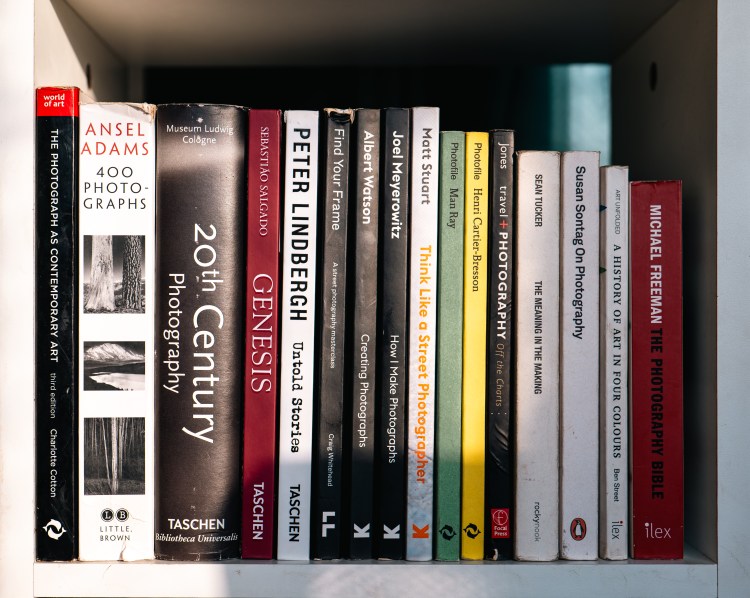
If you’re planning to build your own photography book collection, here are a few things I’ve learned the hard (and expensive) way.
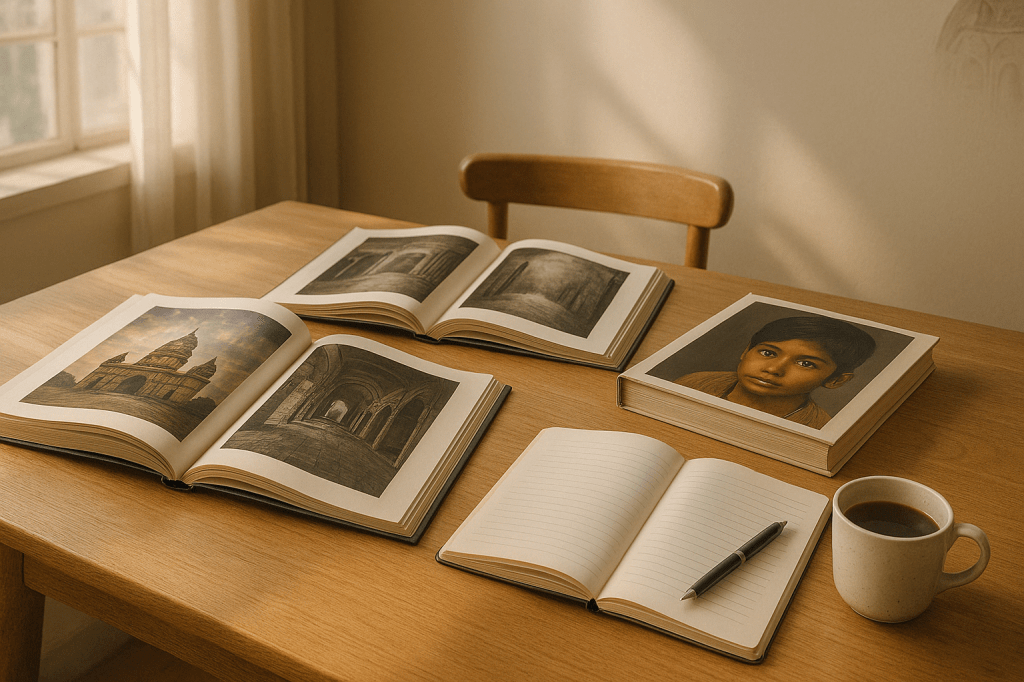
1. Start with a Purpose: Define Your Genre & Learning Goals
Don’t start with what’s popular. Start with what you love—portraits, street, landscapes, surrealism, architecture—whatever makes you pause and stare. Before spending money, clarify what kind of books you truly need right now:
- Inspirational Books: Think photobooks by masters like Sebastiao Salgado, Steve McCurry, or Raghu Rai. These feed the soul.
- Educational Guides: Technical books on composition, lighting, post-processing, and visual storytelling.
- Historical/Archival Works: For those who want to understand movements, styles, and the evolution of photography.
For landscapes, Glen Randall’s book is highly technical—almost textbook-like—while photobooks by Ansel Adams or Sebastião Salgado are deeply inspiring but light on technical details.
When your collection has direction, you’ll avoid random purchases and impulse buys.
2. Research Before You Buy: Go beyond ChatGPT and Google.
Who is the photographer, really?
Identify at least 5 influential artists in the genre you chose earlier. They don’t have to be photographers. A painter, filmmaker, or visual artist can influence your eye just as much.
Once you have the names, dig into their journey. What shaped them? Who influenced them? What’s their signature style or recurring theme? Most importantly, how did they challenge or elevate the genre itself?
This background turns your reading into a richer, more layered experience and will hit differently because you know the mind behind them.
When researching a book, I focus on the artist’s style—whether surreal, minimal, or abstract—and study painters in that genre for deeper context. For example, I love Michael Kenna’s minimal, black-and-white landscapes—refreshingly different from the vivid style of many other landscape photographers and prefer his books over others.
3. Know where the book stands in the Artist’s Career Timeline.
It is very likely that an artist you have identified may have many phenomenal books to his credit. How do you select the one that fits into your learning curve the most?
Before buying, ask: Is this their early hustle, a creative turning point, or a reflective retrospective? Context and timeline matters. Look for the words like “Retrospective” and the years. A book created mid-career often reveals a different energy than one published decades later.
To understand this, let’s compare these titles to see where they fall in Annie Leibovitz’s career timeline.
- Annie Leibovitz: Portraits 2005-2016
- Annie Leibovitz: The Early Years, 1970-1983
- A Photographer’s Life: 1990-2005
Budgeting
Even with all these tips, it’s easy to go overboard. I recommend a monthly or quarterly book budget. That way, every purchase is thoughtful—and over time, you’ll curate a library you’re truly proud of.
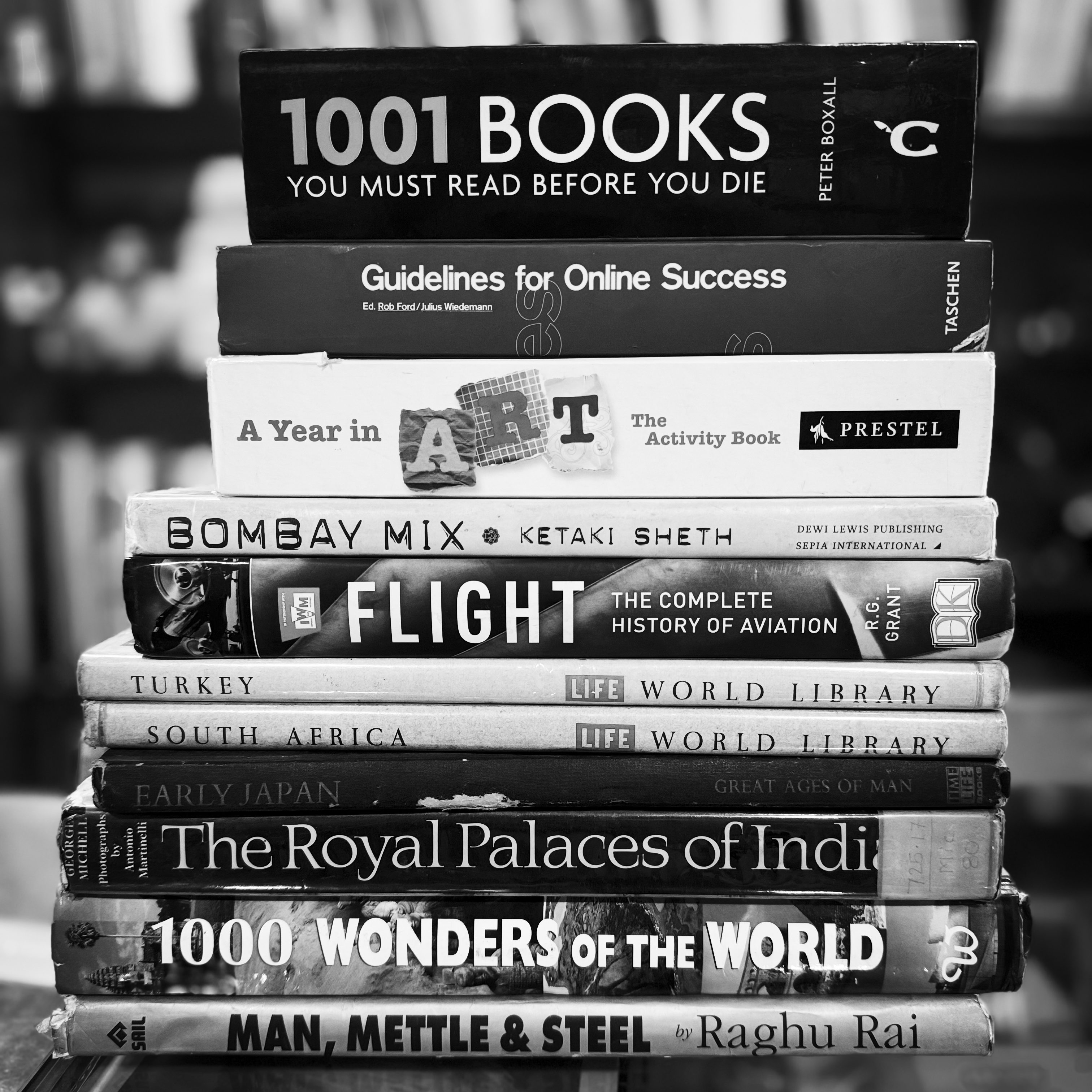
Research
Try to get a feel for whether this is something you’ll return to—or something you’ll shelve and forget.
Research on the broad theme, content and tone of the book.
Look for a snapshot of the content page or forewords to get a sense of its content.
Watch flip-throughs on YouTube or better, browse it at a local book store, if available.
Read excerpts or sample pages on Google Reads, if you can find.
Check reviews on Goodreads first (more insightful), and then on Amazon.
Don’t have time to browse endlessly? Lean on the research of others, like curators, critics and magazines with special book section.
4. Format and Publisher matters.
Not every book is what it seems online. I’ve expected coffee-table grandeur and received something the size of an A5 diary. Check edition details, dimensions, print quality, and publisher.
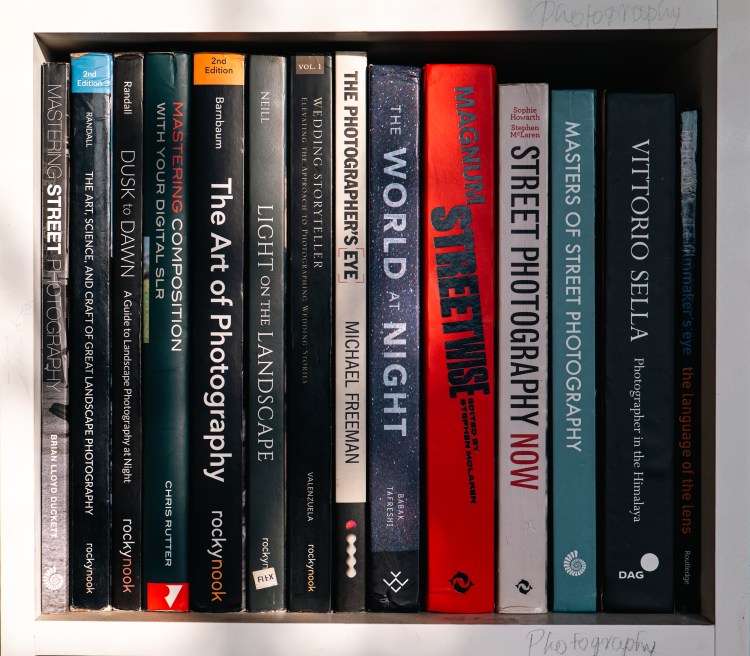
Some consistently reliable publishers: Taschen, Prestel, Thames & Hudson, Aperture, Rocky Nook, Routledge (Focal Press).
In contrast, I’ve often found National Geographic photo books underwhelming—visually diluted despite the brand name. I’ve even returned a couple of books because the visuals and print quality didn’t quite meet the high standards expected of such publications.
Condition Matters—But Don’t Obsess Over It.
Unless you’re buying to resell, don’t let a bumped corner or faded dust jacket deter you. What matters is the work inside. Some of my most treasured books are far from pristine—but they’re well loved.
5. Buy Used—It’s a Goldmine
On Amazon, you get to choose “Used” book option from the price alternatives.
See where

You may find “used” book at a much lower price (in the above example, less than half the cost) than a new one. You will be surprised to see how mint most “used” books are. But be prepared to also find signs of distress and scuff at times. You can also wait for price drops on Amazon (yes it does) instead of impulse buying.
Alternatively, explore old and rare bookshops in your city—some of the best finds come from unexpected corners. It’s less of a shopping trip and more of a treasure hunt, where luck, timing, and curiosity all come into play.
Build a rapport with the seller—share your number and let them know what you’re looking for. Many are happy to give you a call when something special lands in their stock. The joy of finding a well-kept secondhand gem at half the price is unbeatable.
6. Join Photography Communities & Book Swaps
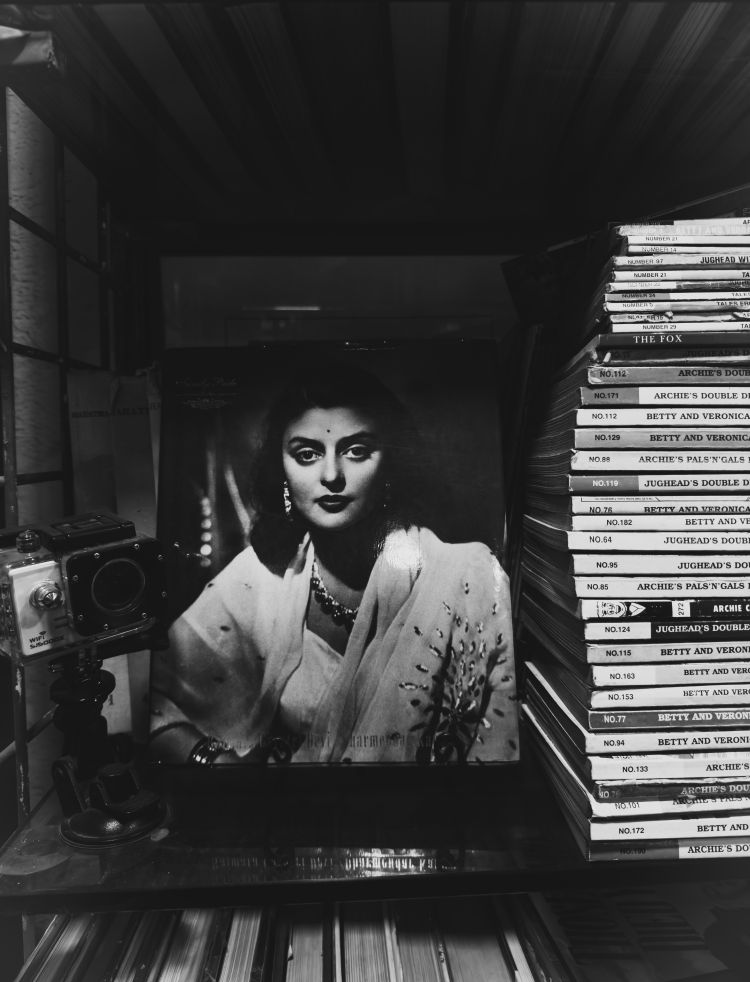
You’re not the only one chasing that elusive first edition or out-of-print gem.
Join a local photography book reading or exchange club, if one exists in your city. It’s a great way to discover titles you might not come across on your own, and the shared discussions often deepen your understanding of the artist’s intent and technique. Plus, book exchanges can be a budget-friendly way to rotate your collection without constantly buying new ones.
While public libraries dedicated solely to photography are incredibly rare, you might be surprised to find individual photographers (like me) who’ve built carefully curated private collections. Don’t hesitate to reach out—many are open to sharing their books, especially with someone who genuinely appreciates the craft. You can also check if they would like to sell some of their books that they no longer need.
Based in Mumbai? Here’s something special for you.
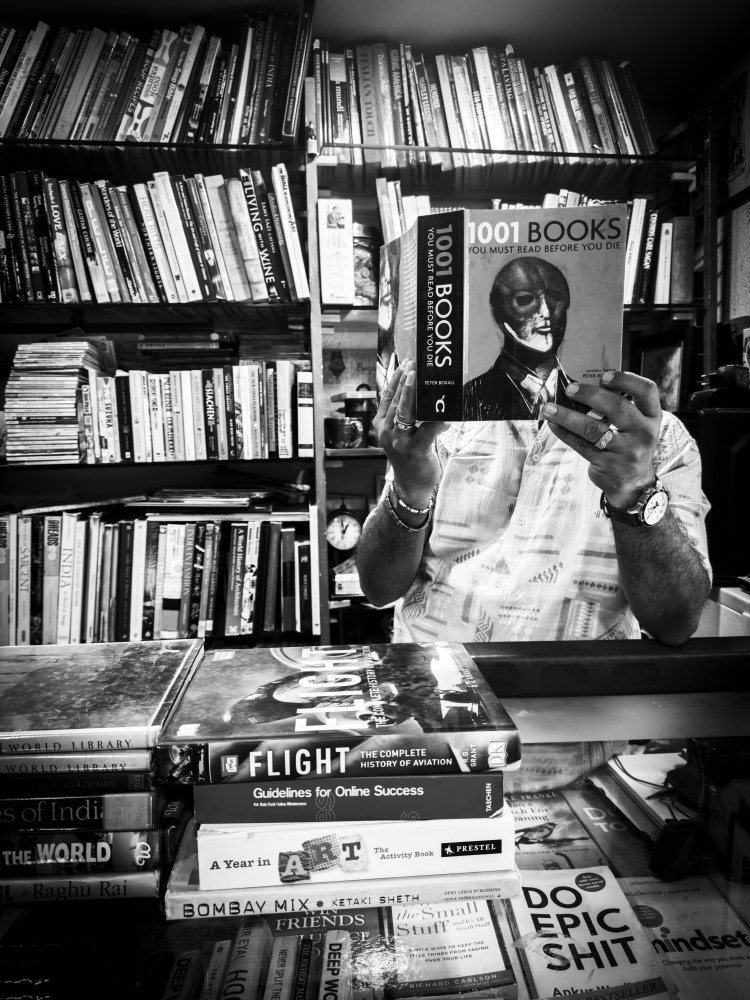
As part of a heartfelt, non-profit initiative, I’ve opened my private photography book collection—built through years of research, curiosity, and love—for free borrowing.
This isn’t just about books. It’s about slowing down, stepping away from the scroll, and immersing yourself in the tactile joy of printed images and ideas. The idea is to foster a deeper, more mindful culture of reading among visual artists, and to create an offline space where ideas and books can be shared—quietly, generously, without algorithms or noise.
If photography moves you, come be part of it. Borrow a book. Spark a conversation. Rediscover inspiration.
7. Beware of Pirated Copies
I have burnt my fingers with pirated copies sold at the price of originals (with no return from Amazon). Wondering how to spot a genuine edition and avoid locally printed imitations? Here are a few tips that might help.
Compare with a Genuine Copy (Side-by-Side if Possible)
- Pirated versions often have faded or overly saturated covers.
- Genuine editions follow consistent layout guidelines. Fake versions may have odd spacing, irregular margins, alignment, or cut-off text/design.
Observe the Price Sticker and Currency
- Check for pricing in foreign currencies (like USD or GBP) on books being sold locally with no mention of import status.
- Look for pricing errors (e.g., $25 printed but being sold for ₹150). If the gap is too big, it’s suspicious.
Minutely Observe the Image Quality
- Originals have sharp, clear printing.
- Fakes show pixelated, smudged, low-res or black-and-white versions of colored diagrams.
Touch and Feel the Pages
- Originals are usually printed on thick, smooth, and acid-free paper.
- Fake ones often use thin, grey, or recycled paper with rough edges.
- Flip through the spine edge — if pages are uneven or not uniformly trimmed, it’s likely a fake.
Other Red Flags
- Poor alignment or a low-res publisher logo.
- No holographic stickers, embossed logos or foil stamps.
- No sticker or a sticker which is part of the print itself.
If you bought such copy online, don’t forget to report the seller for counterfeit goods.
+91 98207 90388
If this post made sense to you, I would like to hear about your photography books buying experience.
DM me on Instagram or email me at vivekvermavisuals@gmail.com.
I’d love to hear from you—tell me what photography book you’re currently reading, what you’re hoping to learn, and which authors have inspired you the most.
Not planning to buy one yet? Borrow a book from my collection, and let’s talk about it.
Discover more from Vivek Verma
Subscribe to get the latest posts sent to your email.
 Vivek Verma