
Featured Image: Michael Kenna
What makes a landscape photograph linger in the mind long after you’ve seen it? Is it the way golden light kisses a mountain peak, the drama of storm clouds rolling over a vast desert, or the quiet nostalgia of mist hanging over an ancient forest? A great landscape image isn’t just a snapshot of nature—it’s a portal, a story frozen in time, a moment that stirs something deep within us.
If you want to take your photography from ordinary to extraordinary, there’s no better way than learning from the visionaries who redefined the art. The true masters of landscape photography didn’t just document nature—they transformed it into poetry, shaping the way we see the world through their lenses.
In this blog, we dive into the works of five legendary photographers—Ansel Adams, Sebastião Salgado, Galen Rowell, Edward Weston, and Michael Kenna—exploring their signature styles, groundbreaking contributions, and the lasting impact they’ve had on the craft. Whether you’re seeking inspiration, technical mastery, or a fresh perspective, these icons will open your eyes to new possibilities.
1. Ansel Adams
The Pioneer of Black-and-White Landscapes
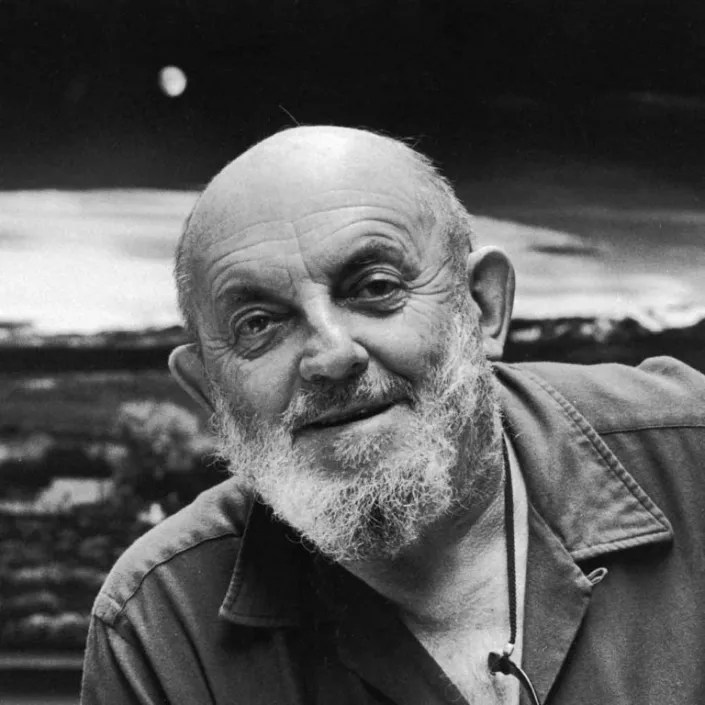
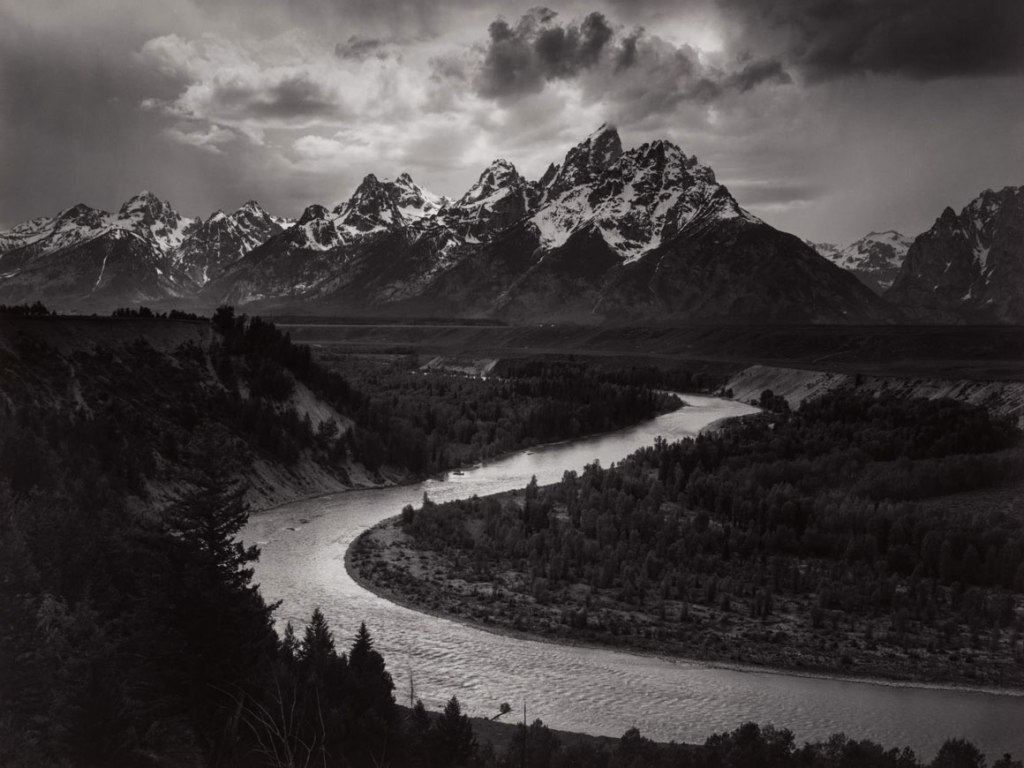
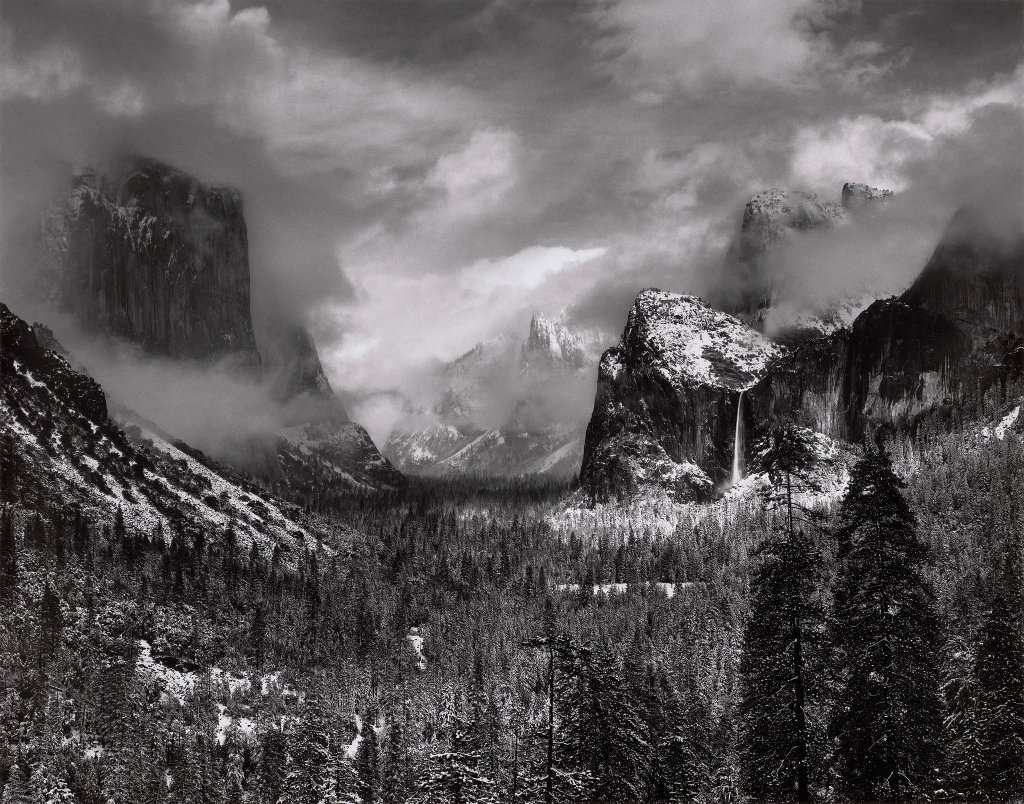
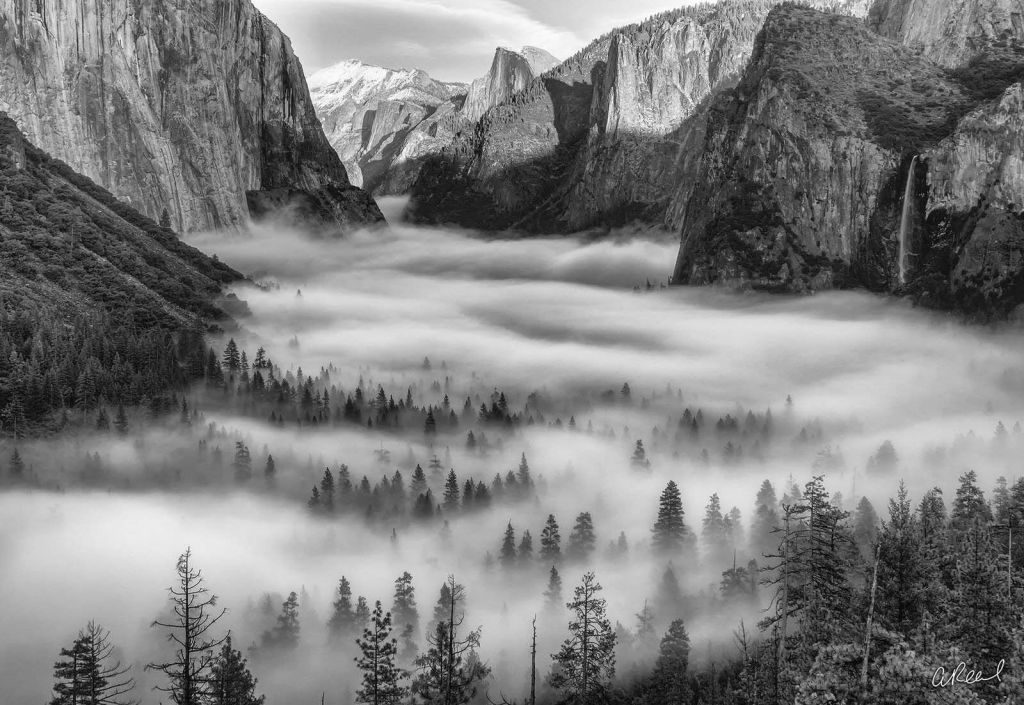
Ansel Adams’ landscape photography stands out for its unparalleled mastery of light, contrast, and composition, elevating nature into fine art. A lifelong lover of the American wilderness, his iconic black-and-white images—particularly of Yosemite and the American West—were not just about beauty but also environmental advocacy. His deep connection to nature led him to use photography as a tool for conservation, influencing national park preservation efforts through his breathtaking images.
His meticulous approach included the development of the Zone System, allowing precise control over exposure and tonal range, and his use of large-format cameras captured stunning levels of detail. He was a darkroom master, using dodging and burning techniques to enhance mood and depth. Beyond technical excellence, Adams’ work is revered for its emotional depth and timeless grandeur, inspiring generations of photographers to see landscapes not just as scenes but as expressions of light, shadow, and the human spirit.
Most Iconic Work
“Moonrise, Hernandez, New Mexico” (1941) – One of the most famous landscape photographs ever taken, this image captures a small village under a glowing moonlit sky, showcasing Adams’ exceptional ability to balance light and shadow.
Must-Read Books on Ansel Adams
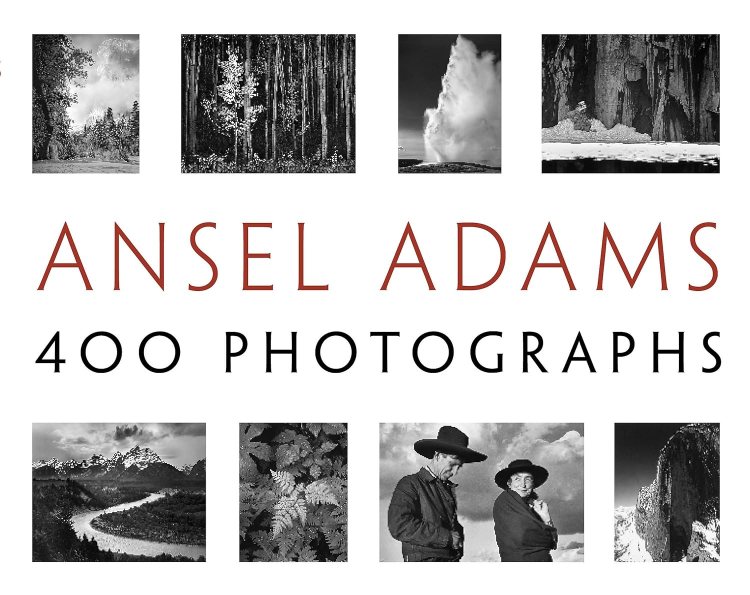
“Ansel Adams: 400 Photographs” – A collection of his most iconic images, spanning entire career.
Yosemite – A stunning collection of his work in Yosemite, the place that defined his legacy.

2. Sebastião Salgado
The Human Element in Landscapes
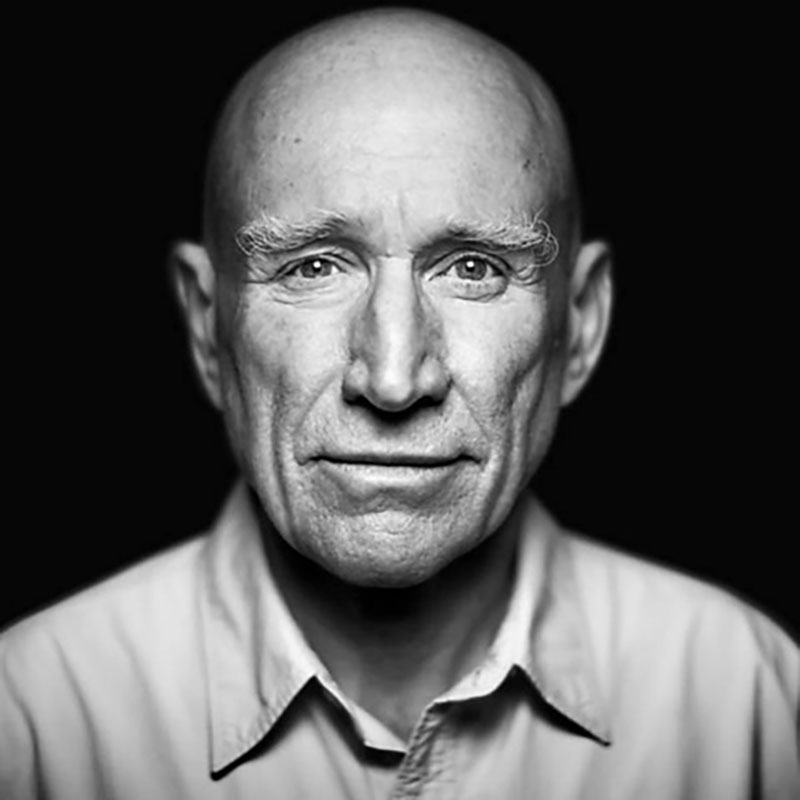
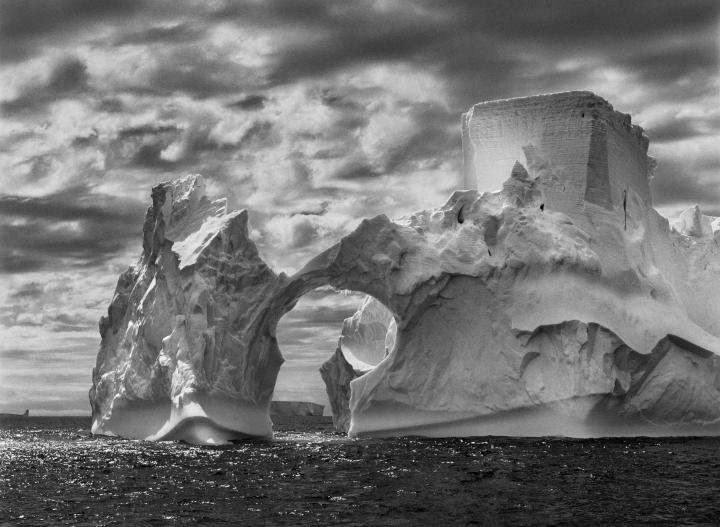
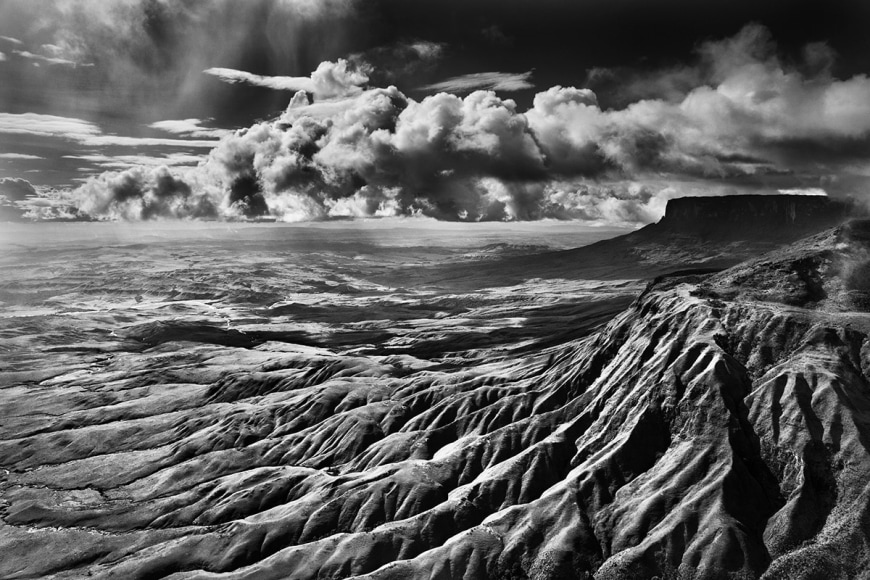
Sebastião Salgado’s landscape photography stands out for its cinematic grandeur, emotional depth, and powerful storytelling. Originally a documentary photographer known for capturing human struggles, he later turned his lens to the planet itself, portraying nature with the same reverence and intensity. His black-and-white landscapes are not just visually striking but also serve as a call to action for environmental conservation, highlighting the beauty and fragility of untouched wilderness.
His meticulous use of light, texture, and composition creates images that feel almost ethereal, evoking a sense of awe and reverence. Projects like Genesis showcase the Earth’s pristine landscapes, reinforcing his belief that photography should inspire change. His background in economics and years of photographing human displacement deeply influence his work, making his landscapes more than just artistic—they become narratives of resilience, preservation, and the urgent need to protect our planet.
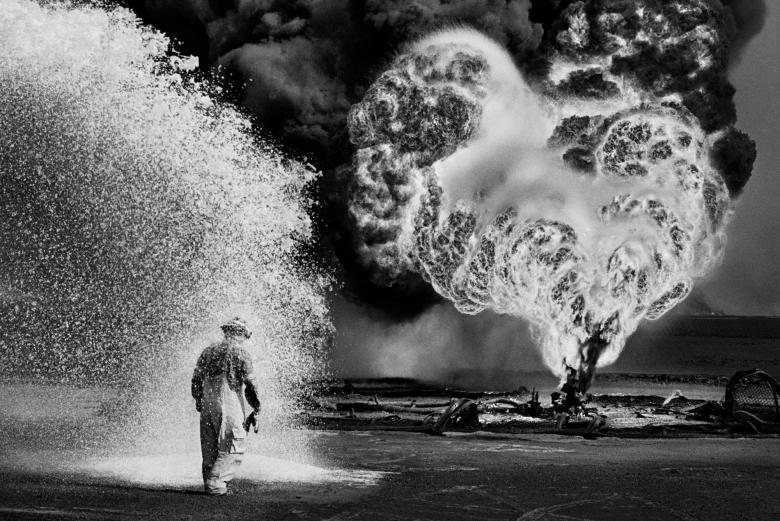
Most Iconic Work
“Genesis” (2013) – A vast and ambitious project that took eight years to complete, documenting untouched landscapes, indigenous peoples, and wildlife, portraying the beauty of an unspoiled Earth.
Must-Read Books on Salgado
“Genesis” – A stunning visual journey through the last unspoiled places on Earth by Salgado.

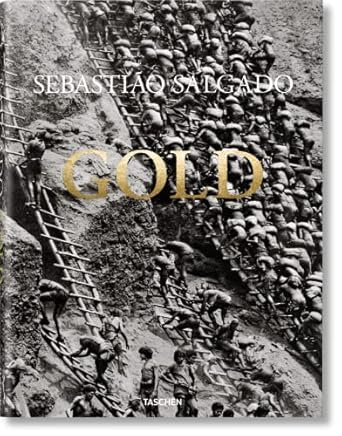
“Gold” – A raw depiction of the Serra Pelada gold mine and the landscape’s interaction with human life.
3. Galen Rowell
The Adventurer’s Eye

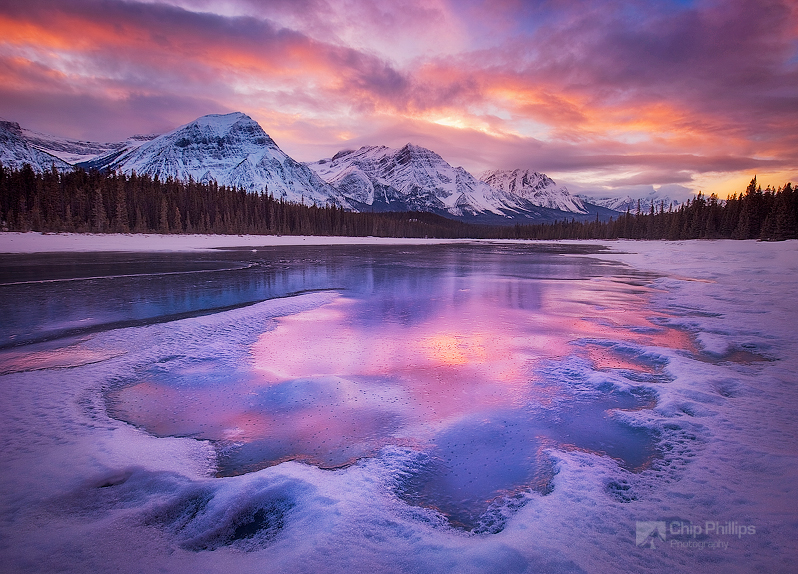
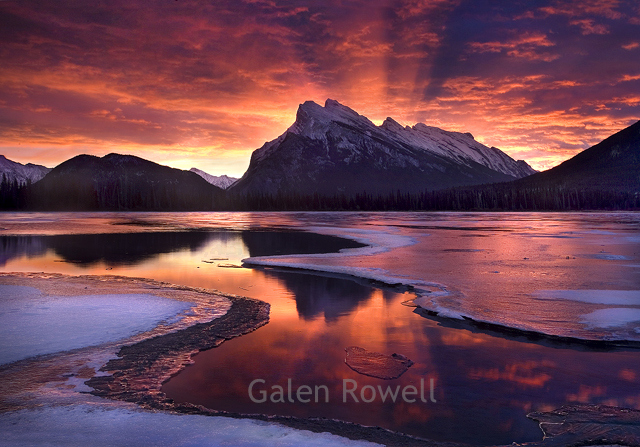
Galen Rowell’s landscape photography stands out for its dynamic compositions, vivid colors, and adventurous spirit. As a skilled mountaineer and outdoor enthusiast, he didn’t just photograph landscapes—he immersed himself in them. His images capture the raw energy of nature, often featuring dramatic light, striking contrasts, and a deep sense of motion, making his work feel alive and untamed.
Unlike traditional landscape photographers who relied on large-format cameras, Rowell used lightweight 35mm cameras, allowing him to chase fleeting moments of perfect light in remote and extreme locations. His iconic Mountain Light philosophy emphasized the interplay of light and landscape, showing how patience and positioning could transform a scene into something magical. Rowell’s work is more than visual beauty—it’s a testament to the relationship between humans and the wild, inspiring photographers to seek adventure, embrace spontaneity, and capture nature’s fleeting brilliance.
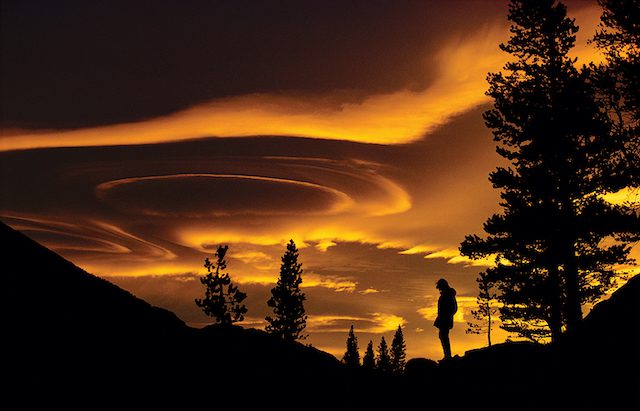
Most Iconic Work
“Rainbow Over the Potala Palace, Tibet” (1981) – This breathtaking image captures a rainbow arching perfectly over the Potala Palace in Lhasa, Tibet, demonstrating Rowell’s remarkable skill in chasing light and composition.
Must-Read Books on Galen Rowell
“Mountain Light” – An essential book on using natural light in landscape photography by Galen Rowell.

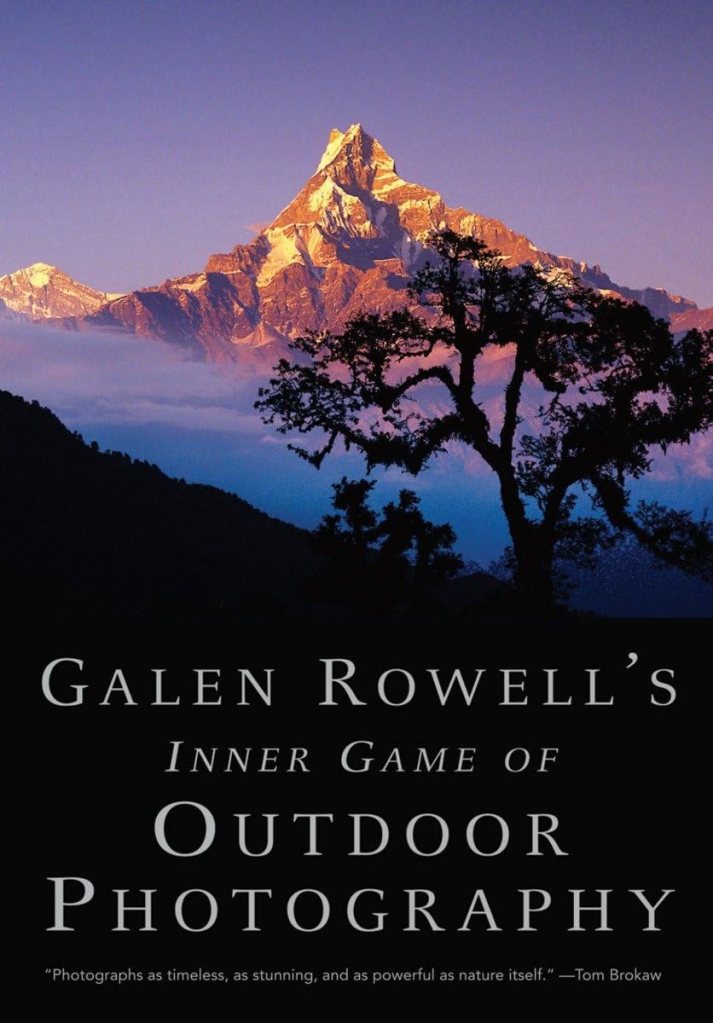
“Galen Rowell’s Inner Game of Outdoor Photography” – A mix of philosophy, technique, and adventure.
4. Edward Weston
The Master of Texture and Form
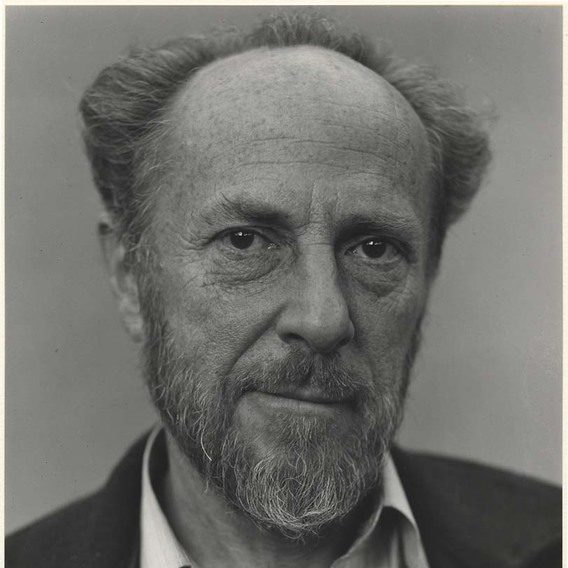
Edward Weston’s landscape photography stands out for its purity of form, rich tonal range, and almost sculptural quality. A pioneer of modernist photography, he approached landscapes with the same precision and reverence as his still lifes and portraits, transforming natural elements into minimalist yet deeply evocative compositions. His black-and-white images, particularly of the American West, deserts, and coastal landscapes, showcase an extraordinary ability to distill scenes down to their most essential shapes, textures, and contrasts.
Weston’s use of large-format cameras and meticulous darkroom techniques allowed him to achieve an unparalleled level of sharpness and depth. He often sought out abstract patterns in nature, turning sand dunes, rock formations, and weathered trees into near-symbolic representations of time and transformation. His work wasn’t just about capturing landscapes—it was about revealing their intrinsic beauty with an almost meditative clarity, inspiring generations of photographers to see the world in its most raw and elemental form.
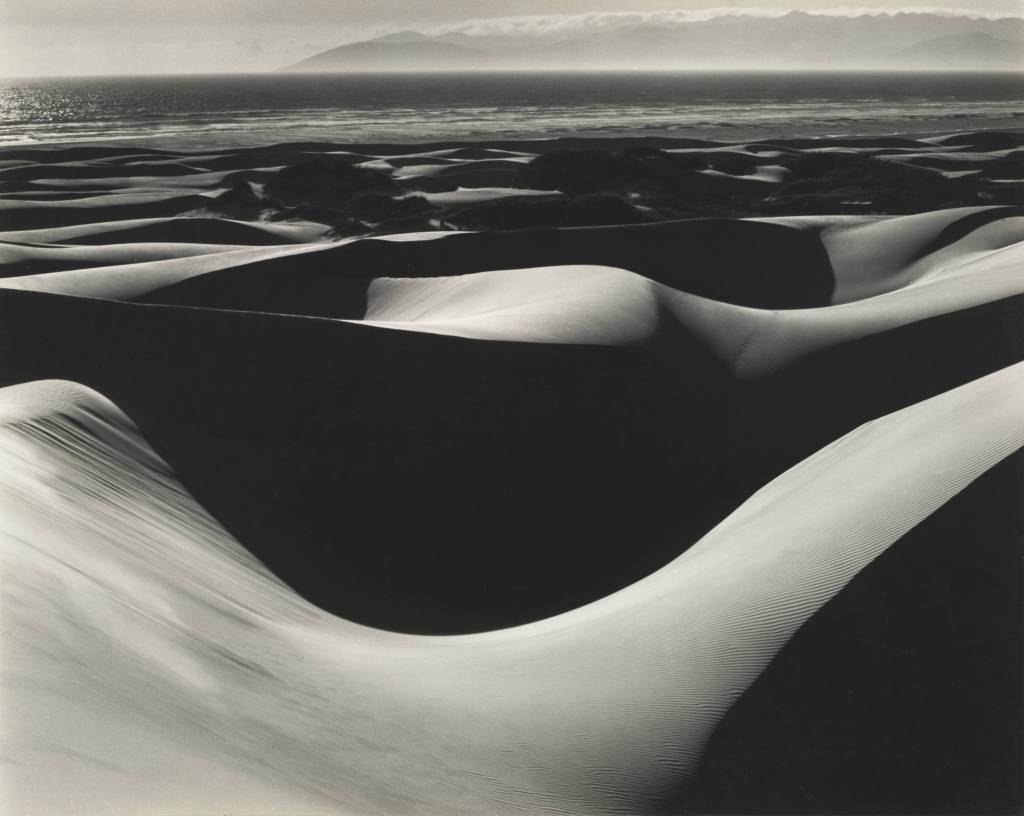
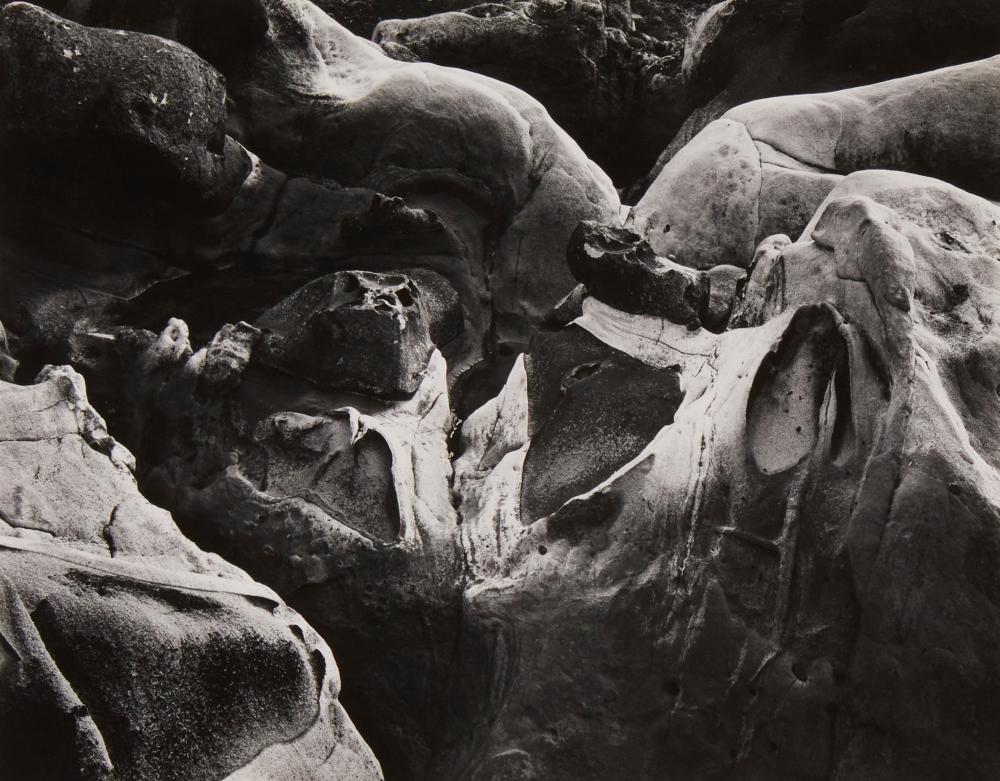
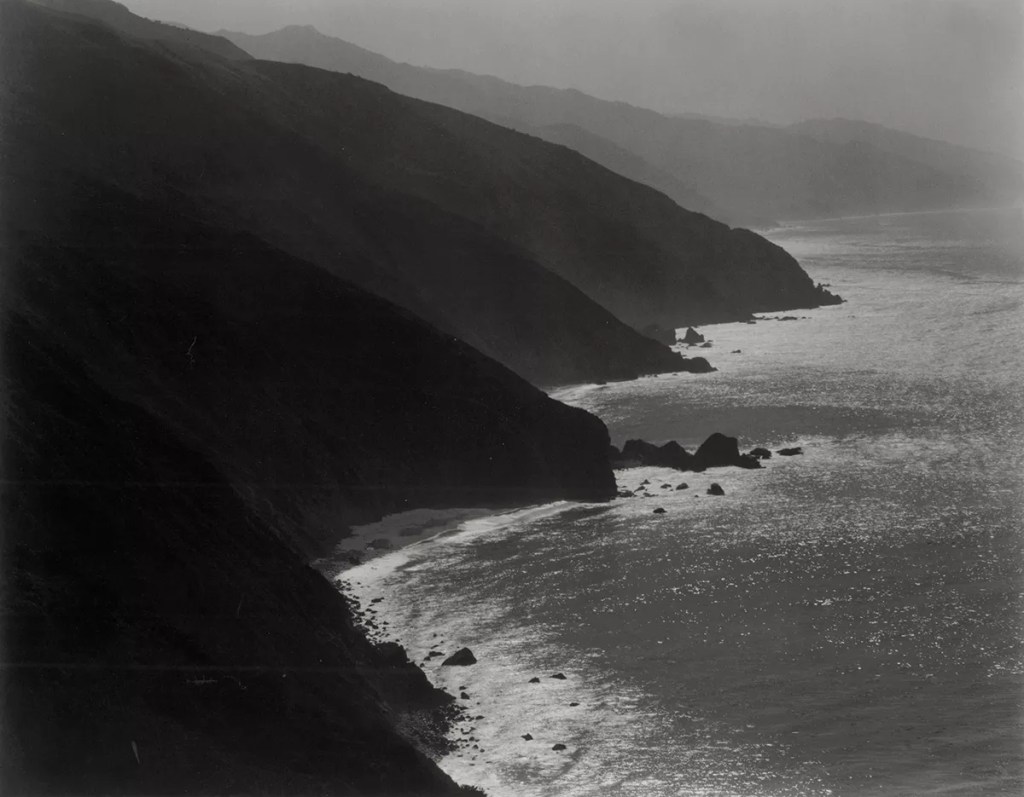
Most Iconic Work
“Dunes, Oceano” (1936) – A striking black-and-white image of sand dunes with sensual, flowing curves, showcasing Weston’s masterful control of light, form, and texture.
Must-Read Books on Edward Weston
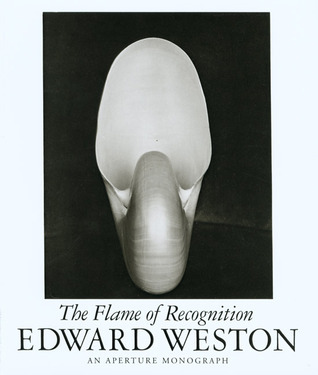
“Edward Weston: The Flame of Recognition” – A collection of his best works with personal insights.
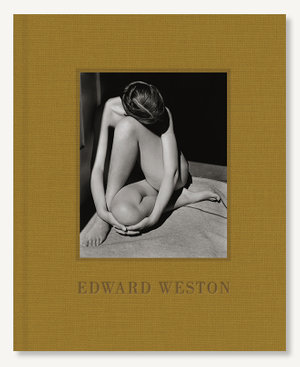
“Edward Weston’s Book of Nudes” – Showcases his artistic approach to form and light through nudes.
5. Michael Kenna
The Poet of Minimalist Landscapes

Michael Kenna’s landscape photography stands out for its minimalism, ethereal quality, and masterful use of long exposure. His black-and-white images often depict serene, dreamlike scenes with soft, misty waters, delicate silhouettes, and an almost meditative stillness. Unlike traditional grand landscapes, Kenna’s work embraces negative space, subtle gradations of tone, and a quiet, introspective mood, making his images feel timeless and poetic.
His preference for night photography and extended exposures gives his landscapes an otherworldly character, transforming ordinary scenes into mysterious, almost surreal compositions. Often focusing on isolated trees, lone structures, and tranquil waters, Kenna strips landscapes down to their most essential elements, evoking a sense of solitude and contemplation. His work is not just about capturing reality but about creating an emotional and atmospheric experience, encouraging viewers to pause, reflect, and see the beauty in simplicity.


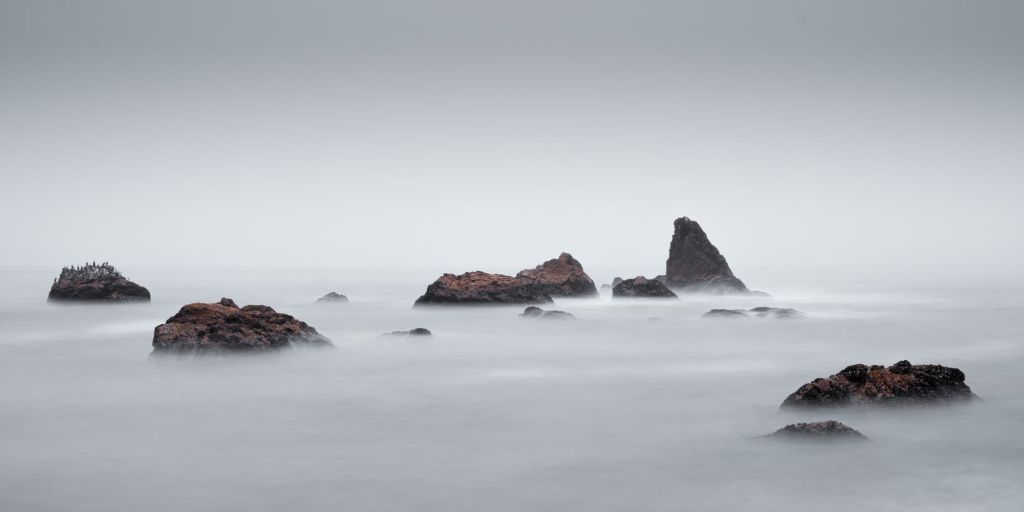
Most Iconic Work
“Hokkaido Series” – A mesmerizing collection of minimalist landscapes from Japan, often featuring solitary trees, snow-covered fields, and serene waterscapes.
Must-Read Books on Michael Kenna
“Forms of Japan” – A breathtaking collection of his Japanese landscapes.

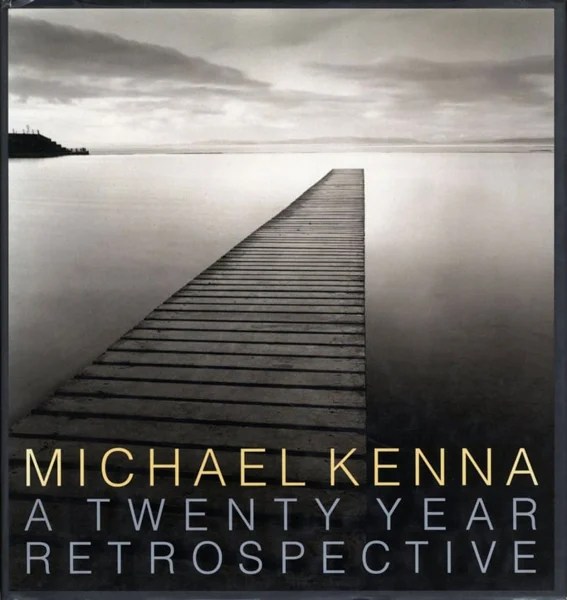
“Twenty Year Retrospective” – A must-have for understanding his body of work.
Gallery images from here
Conclusion
What Can You Learn from These Masters?
Landscape photography is more than just capturing beautiful vistas—it’s about seeing the world through an artist’s eyes. Each of these legendary photographers has redefined the way we experience nature through a lens. Ansel Adams’ technical mastery, Sebastião Salgado’s powerful storytelling, Galen Rowell’s adventurous spirit, Edward Weston’s sculptural vision, and Michael Kenna’s minimalist poetry—all offer unique lessons that can shape the way you approach your craft.
Studying their work isn’t just about improving your technical skills; it’s about discovering new ways to express emotion, tell stories, and find your own artistic voice in the landscape.
So, which of these masters speaks to you the most? And how will their vision inspire your next great shot? Dive into their books, explore their iconic works, and let their genius fuel your own creative journey!
In the next post of this series, know about five other legendary landscape photographers whose work we must study for great learning and inspiration, starting with evocative and moody black-and-white landscapes of Don McCullin to vibrant, breathtaking imagery of Art Wolfe!

About Me
I’m Vivek, a travel photographer and blogger based in Mumbai, capturing landscapes, architecture, and street life through my lens. But beyond photography, I love connecting with fellow creatives and people who love travelling. If you ever want to chat, ask questions, or exchange ideas, feel free to reach out! 📸✨
Photographer | Blogger | Lawyer | Father
| 📩 vivekvermavisuals@gmail.com
Discover more from Vivek Verma
Subscribe to get the latest posts sent to your email.
 Vivek Verma
awesome! 8 2025 A Dreamy 5th Anniversary Trip to Kumarakom with Twin Toddlers (Part IV of Kerala Series) lush
beauteous! 11 2025 Behind the Passion: A Deep Dive into the Mental Health Struggles of Creators and Photographers incredible