
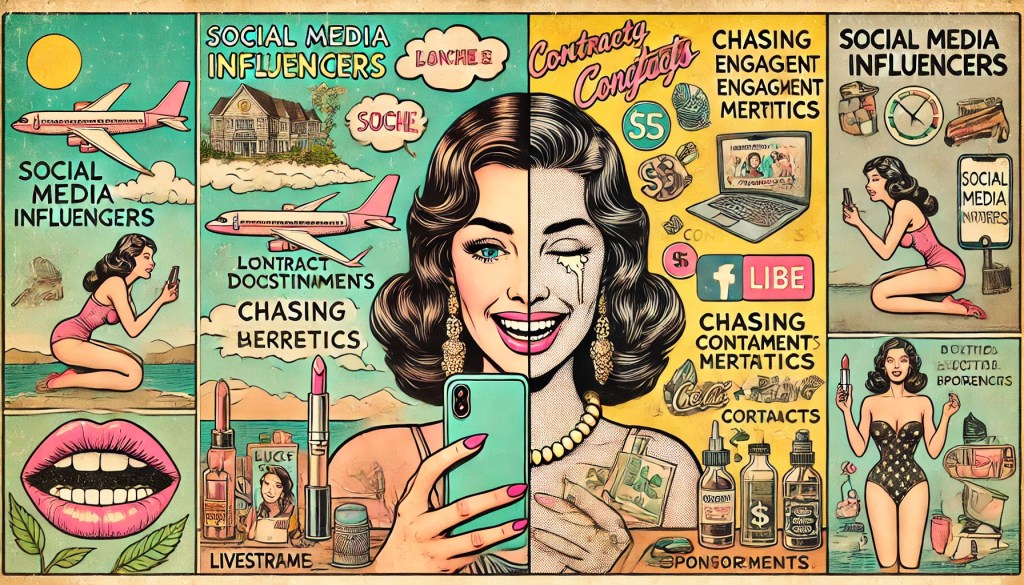
In a world where every scroll, tap, and like is a carefully orchestrated spectacle, the influencer economy thrives on illusions. We see glowing travel reels, unboxing videos of luxury products, and covert endorsements of brands—but how much of it is real? Do influencers genuinely believe in the products and experiences they promote, or are they primarily brand representatives, bound—contractually or ethically—to amplify the brand’s narrative?
Behind the polished filters and well-rehearsed scripts lies an unsettling truth—one that raises uncomfortable questions about authenticity, consumerism, and the silent destruction of our planet. When travel influencers glorify once-pristine locations, are they inspiring exploration, or are they accelerating environmental collapse? When beauty influencers push a “best” skincare line today and and switch loyalties the next day, is it genuine advice or just marketing in disguise?
As brand-sponsored content floods our screens and social media feed, where does the line between influence and manipulation blur? More importantly, as followers, are we active participants in this grand illusion—or merely gullible consumers in an endless cycle of curated desire?
The answers might not be as glamorous as the influencers make them seem. In this post, I take a closer look at the realities of being an influencer, questioning its authenticity and impact. My goal is to encourage readers to think critically about influencer recommendations, assess their true needs to break the cycle of overconsumption, and be mindful of the environmental impact of their choices.
Who is an Influencer?
An Influencer is someone who has access to an audience and the power to affect their
audiences’ purchasing decisions or opinions about a product, service, brand or experience,
because of the influencer’s authority, knowledge, position, or relationship with their
audience.[1]
What is Influencer Economy?
The influencer economy is a digital marketing ecosystem where social media personalities collaborate with brands to promote products, services, and lifestyles. It operates by leveraging an influencer’s online presence and credibility to drive sales and build brand awareness. This economy consists of content creators, brand partnerships, and engaged audiences, generating revenue through advertising, sponsored content, and affiliate marketing. While it offers a powerful way to connect consumers with brands, it also raises questions about authenticity, transparency, and the fine line between personal recommendations and paid promotions.
The Positive Side of the Influencer Economy
The rise of the influencer economy has transformed how we discover products, experiences, and even lifestyles. With personal storytelling and direct engagement, influencers have redefined marketing, making it feel more relatable and aspirational. However, while their impact is undeniable, it’s essential to examine both the opportunities and challenges this space presents. Before diving into the concerns around authenticity and consumerism, let’s first explore the positive aspects of the influencer-driven economy.
A More Engaging Alternative to Traditional Advertising
Unlike traditional ads, influencer marketing feels more personal and relatable. Instead of scripted commercials, influencers create content that mimics real-world testimonials, making brand messaging more engaging and interactive.
Transparency and Authenticity in Brand Collaborations
Many influencers genuinely believe in the products they promote and choose partnerships that align with their values. With stricter regulations on sponsorship disclosures, consumers can now better distinguish between organic endorsements and paid promotions.
Empowering Local Businesses and Independent Brands
Influencers offer a cost-effective marketing channel for small businesses and niche brands, helping them reach targeted audiences. This allows emerging brands to compete with industry giants without massive advertising budgets.
Boosting Local Economies Through Travel Influencers
Travel influencers bring visibility to lesser-known destinations, benefiting local vendors, artisans, and small businesses. By showcasing offbeat places, they help diversify tourism revenue beyond mainstream hotspots.
I have gained immense value from influencers like Vivek Mittal (Fit Tuber) and Jassi Oberoi (Xploring Light) on YouTube, as well as insightful creators on Instagram. Their content is well-researched, transparent, and clearly discloses any brand partnerships or paid promotions. Their recommendations have consistently helped me make informed choices, often leading me to high-quality products from lesser-known niche brands. Influencers like Shivya Nath (The Shooting Star) have inspired me to prioritize sustainability and consider the environmental impact of my travel choices.
But can I place the same trust in every influencer I come across on social media? Probably not. The deeper concerns of authenticity, overconsumption, and environmental impact warrant a closer examination.
Are Celebrity Endorsements and Influencer Economy the same?
Celebrity endorsements and the influencer economy share similarities but operate differently. As McKinsey & Co. highlights, brands have long used celebrities to promote products, but these endorsements typically involve substantial investments without precise ways to measure direct sales impact. In contrast, influencer marketing allows brands to track engagement metrics such as likes, shares, and online discussions, making ROI more measurable.
However, celebrity endorsements offer a distinct advantage—associating with a globally recognized figure, such as Cristiano Ronaldo for Nike or Shah Rukh Khan for a luxury watch brand, elevates the brand’s status, positioning it on a higher pedestal than one promoted by a lesser-known influencer, even if that influencer has massive following.
Moreover, the cost of engaging celebrities as brand ambassadors often results in a price hike for the endorsed product or service, as companies seek to recover their investment.
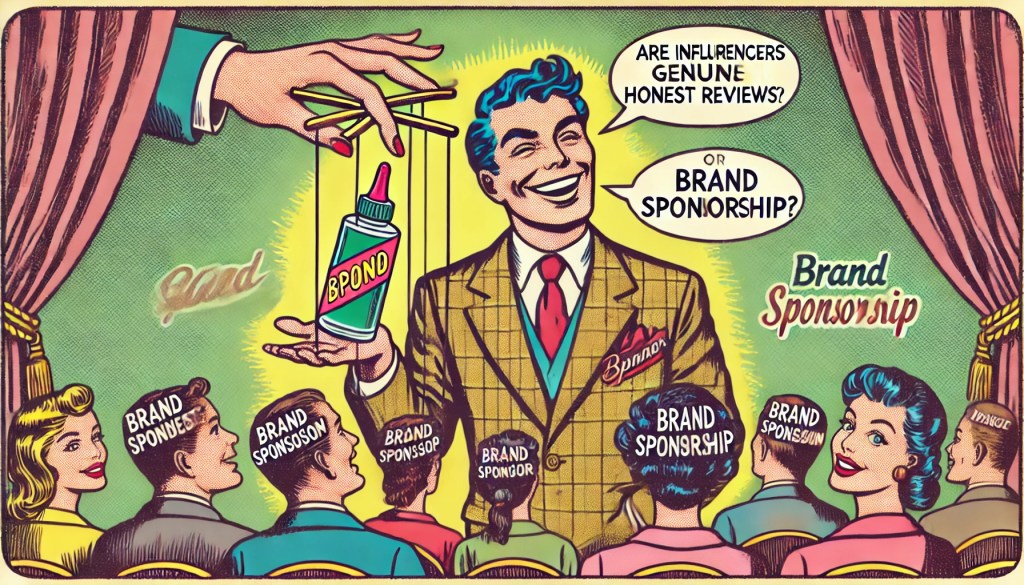
The Illusion of Honest Reviews: Influencers or Brand Puppets?
While not all influencers follow the same approach, some face limitations in sharing fully authentic opinions. Contractual obligations may prevent negative reviews, or an unspoken moral duty may encourage a cautiously positive tone—especially when brands offer non-monetary perks. As a result, consumers may find it difficult to distinguish genuine recommendations from paid promotions on social media. In 2016, YouTuber PewDiePie exposed how a gaming brand generated over 5.5 million views on YouTube, but did little to tell viewers they were paid for.[2]
Scripted Content
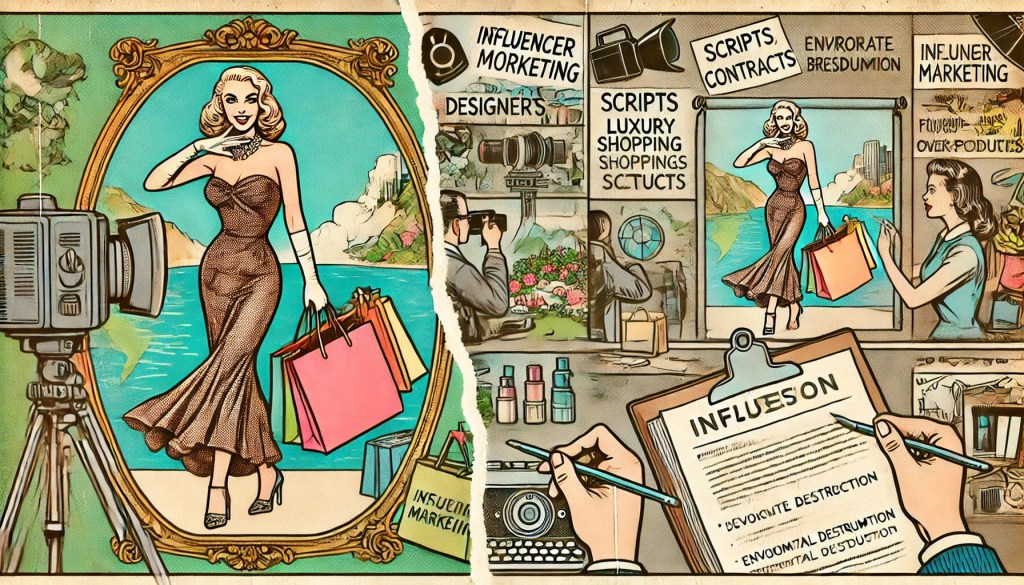
Brands often provide pre-approved scripts to maintain a specific narrative, often emphasizing positive aspects. For example, luxury hotel influencers might highlight lavish buffets and premium experiences while leaving out factors like pricing concerns or labor conditions—not necessarily out of intent to mislead, but to align with the campaign’s focus.
Inauthentic Endorsements
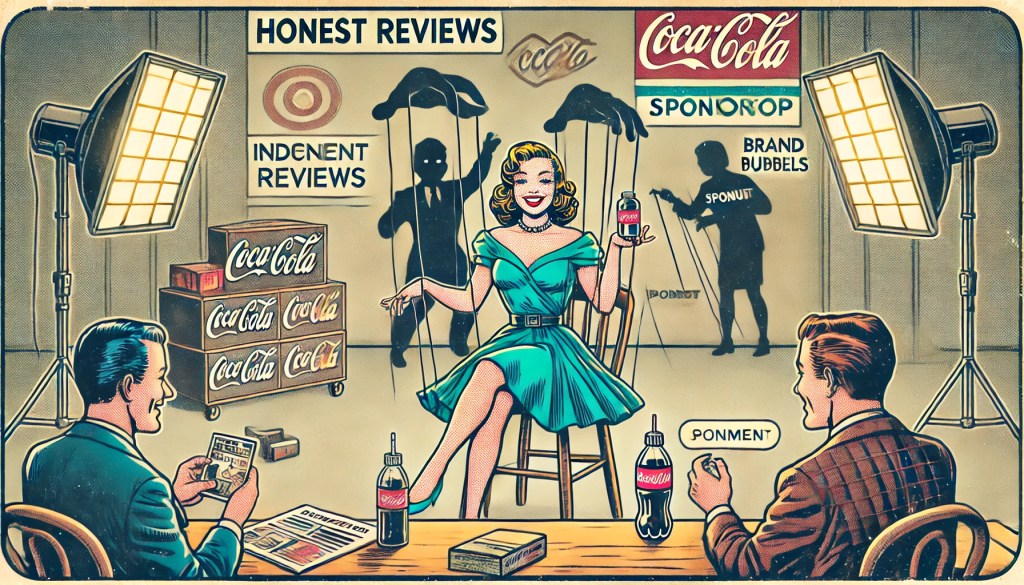
Some influencers endorse products they may not personally use or fully trust, often as part of brand partnerships. For instance, a fitness influencer might promote a supplement without incorporating it into their own routine. Misleading advertising in sectors like banking, financial services, insurance (BFSI), and health and nutrition can have serious consequences, potentially compromising consumer well-being and financial stability. While sponsorships are a key part of influencer marketing, such endorsements can blur the line between genuine recommendations and paid promotions. Advertising Standards Council of India (ASCI) study of brand promotions by Forbes India’s Top 100 Digital Stars 2024—who collectively reach over 110 million followers—reveals widespread non-compliance with both self-regulatory and legal guidelines among advertisers, agencies, and influencers (ASCI Study).[3]
Lack of Transparency and Integrity
While many influencers properly disclose sponsorships, some use convoluted and vague language, making it difficult for audiences to distinguish between personal enthusiasm and paid endorsement. Similarly, skincare influencers may promote competing brands back-to-back, claiming each is the “best,” when in reality, endorsements shift based on payment. Micro-influencers have blurred the line between content and commerce, seamlessly blending promotional content with storytelling. Unlike traditional marketing, this approach often lacks clear disclaimers, making promotions feel like authentic entertainment[4]. The U.S. Securities and Exchange Commission found that Kim Kardashian was paid $250,000 for advertising the cryptocurrency, without disclosing she had been paid to do so[5]. This highlights a strong need for clearer transparency and integrity in influencer marketing.
Legal Developments in India
In May 2021, ASCI introduced guidelines requiring influencers to use clear labels like #ad, #collaboration, or platform-specific tools (e.g., Instagram’s “Paid Partnership” tag) to disclose brand partnerships.
In January 2023, the Central Consumer Protection Authority (CCPA) reinforced this by making such disclosures a legal requirement. The ASCI Guidelines were later revised in August 2023 to place additional responsibility on advertising content of health and finance influencers.
Financial influencers, can now offer investment-related advice only after being registered with the Securities and Exchange Board of India (SEBI) to operate. Similarly, influencers promoting health and nutrition products should have relevant qualifications—such as medical, nutrition, or psychology certifications—based on their advice, and must disclose them clearly.
On August 2023, the Department of Consumer Affairs expanded influencer guidelines, requiring additional disclosures for health and wellness endorsements, with violations leading to penalties under the Consumer Protection Act (2019). In May 2024, the Supreme Court ruled in Indian Medical Association v. Union of India (Patanjali case) that influencers and celebrities are equally accountable for misleading ads.
In ASCI’s study of brand promotions by Forbes India’s Top 100 Digital Stars 2024 (Influencers), 69% of the failed to meet disclosure requirements.
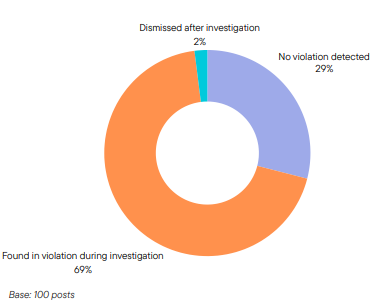
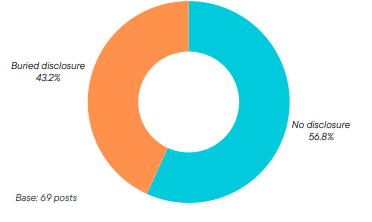
Source: ASCI
How Influencers Fuel Over-Consumption
Influencer culture has significantly shaped modern consumer behavior, encouraging people to purchase not out of necessity but due to persuasive marketing and aspirational lifestyles. Rather than making decisions based on personal needs, consumers are often drawn to products through carefully curated content, trends, and endorsements that create a sense of desire or exclusivity.
Endless Product Promotions
Fashion, tech, and lifestyle influencers push people into constantly upgrading their wardrobes, gadgets, and beauty products. This leads to a culture of waste, where people often discard even functional and repairable items to chase the latest trends or model. The fashion industry’s influencer-driven model has led to the rise of fast fashion, where brands produce cheap clothing that is discarded quickly, creating massive textile waste that ends up in landfills.
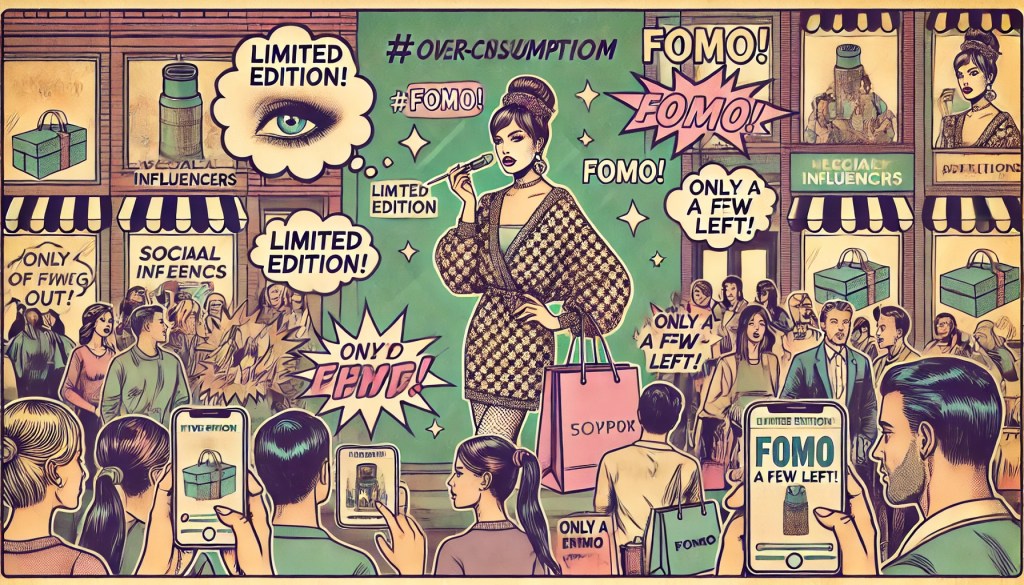
The “FOMO” Effect
Influencers create a sense of urgency, leading to impulsive buying. Flash sales, limited editions, and “my must-have favorites” lists all exploit consumer psychology. The fear of missing out on exclusive products or deals makes consumers more likely to purchase quickly, often without fully considering necessity or value.
A shopping cart flipped upside down forms a cage that I use to protect myself from consumerism.
― Jarod Kintz
Consumerism is an economic and social ideology that encourages excessive purchasing of goods and services, often beyond necessity. It is driven by advertising, social influence, and the illusion that buying more leads to happiness. They happily call it ‘Retail Therapy’ while in true sense, it is just another marketing gimmick.
Unrealistic Lifestyles
When influencers showcase expensive travel, high-end gadgets, and luxury brands, they create unrealistic expectations and pressure to match or surpass others. Followers, in an attempt to keep up, overspend on things beyond their means. This dynamic fosters a culture where self-worth is closely tied to material possessions, often leading to financial strain and dissatisfaction, as people compare their everyday lives to an idealized and curated perfection. For instance, the rise of luxury travel influencers has led many middle-class families to take unaffordable vacations on credit, chasing the illusion of “Instagram-worthy” experiences. Half of millennials admit that social media influences them to make purchases beyond their budget[6].
“Influencers are kind of like the apex predators of the consumerism environment, so to speak…They will always adapt.”
Jade Taylor, aka The Moda Mensch
The Environmental Cost of Travel Influencers
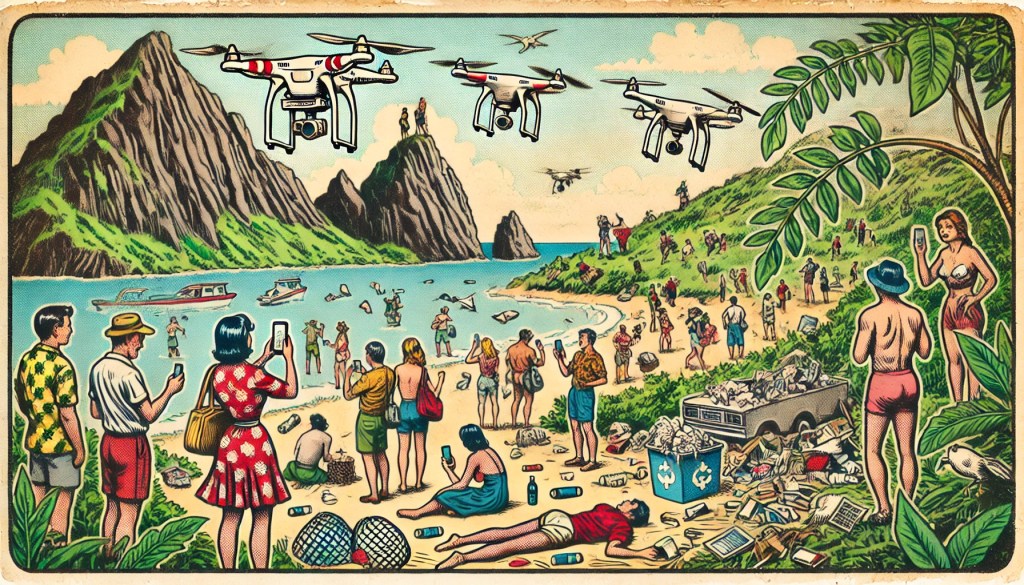
While travel influencers inspire people to explore the world, their unchecked promotion of mass tourism has led to severe environmental degradation, especially in fragile ecosystems. The constant push for “hidden gems” and “must-visit” destinations often results in overcrowding, pollution, and the exploitation of local resources beyond sustainable limits. Without mindful advocacy, this pursuit of aesthetic perfection for social media can come at an irreversible cost to nature and communities that depend on these environments for survival.
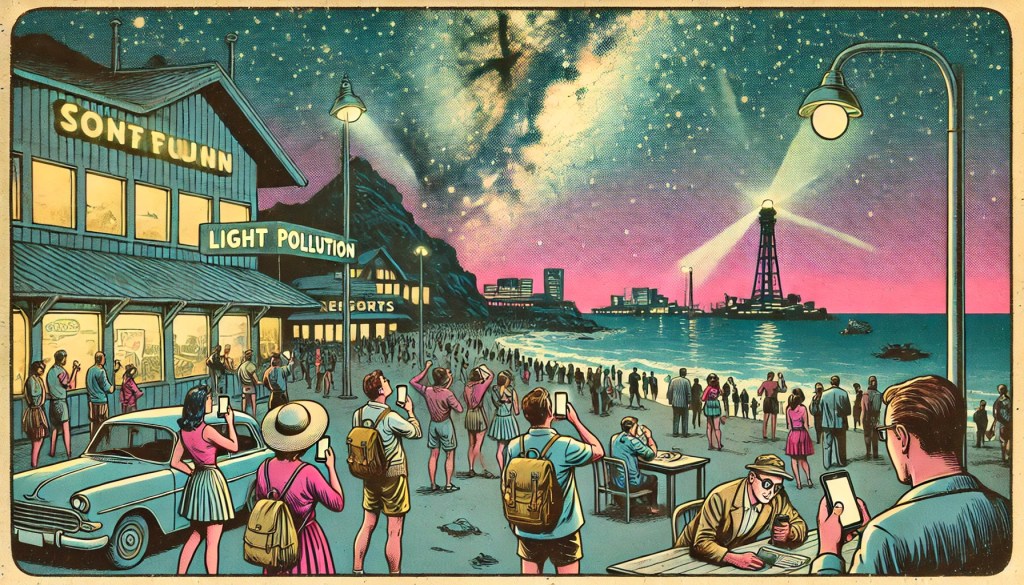
Light Pollution & The Disappearing Night Sky
Mass tourism, fueled by influencer-driven content is rapidly eroding the pristine night skies of regions like Leh-Ladakh. Once a haven for celestial observation, the area is now flooded with artificial lights from tourists, adventure bikers, and photographers. Campsites and hotels catering to “glamping” experiences further contribute to the problem, shrinking truly dark skies essential for astrophotography. Even Hanle, India’s first dark sky reserve, is witnessing rising footfall that threatens its untouched beauty.
The Environmental Impact of Over-Tourism
Mass tourism, often fueled by travel influencers, is accelerating the destruction of fragile ecosystems and wildlife habitats across India. Olive Ridley turtles in Odisha and Maharashtra face disrupted breeding due to artificial lighting and beach parties, while reckless tourism in Gujarat’s Gulf of Kutch threatens dolphins and coral reefs. Even conservation sites like Velas Beach suffer from irresponsible visitors disturbing wildlife for social media content. Similarly, Lakshadweep’s coral reefs—among the world’s most pristine—are at risk due to unregulated scuba diving, snorkeling, and underwater photography. Corals, which take centuries to form, are being damaged by careless divers, boat anchors, and pollution, mirroring the widespread bleaching seen in the Maldives and the Andaman & Nicobar Islands.
Tourism should be about appreciation, not exploitation. If your vacation leaves nature worse than you found it, was it really a getaway or just another way to take away?
Self-reflections
As a travel and photography influencer, I often find myself navigating a moral crossroads when collaborating with brands. The dilemma is real—should I be unapologetically honest and risk being overly critical, or should I soften my words to maintain an overall positive tone? There’s an unspoken pressure not to be too harsh, a silent expectation to frame feedback in a way that doesn’t put the brand to any disrepute or change their narrative.
Yet, I have always chosen honesty and integrity. My responsibility lies with my readers, ensuring they have the right and complete information to make informed choices, as opposed to making a convincing case for why they must choose a particular product or service. Integrity matters more than influence, and while striking that balance isn’t always easy, I believe transparency builds a far stronger connection with my audience than any scripted endorsement ever could.
I am increasingly mindful of incorporating sustainability into my travel content, recognizing that in the past, I may have unintentionally overlooked its impact. While highlighting offbeat destinations, I hadn’t fully considered the environmental consequences of increased footfall, however small my role may have been. Now, I strive to create awareness around responsible travel, ensuring that my storytelling encourages exploration without compromising the places we cherish.
The influencer industry is a space for both entrepreneurship and exploitation, connection and harassment, truth and falsehood, self-expression and harm, encountering new ideas and finding comfort in familiar biases.
– Emily Hund
Final Thoughts: Is Influencer Culture Ethical?
The influencer economy thrives on promoting products, lifestyles, and destinations—often without accountability or clear legal framework. While some influencers champion sustainability and authenticity, many operate in an unstructured model that prioritize profit over honesty, hype over necessity, and over-tourism over conservation.
With social media constantly fueling a cycle of trend-driven consumption and over tourism, consumers must think critically and make mindful choices, instead of being a “blind” follower. The so-called “influencers” have an influential role to bring positive change. By embracing transparency, integrity, and sustainability, they can drive real change for the society and our planet. Influence is a power and responsibility vested in us by our audience and followers—we better use it for positive change and make the world a better place to live than it was yesterday.
How do you personally differentiate between an influencer’s honest recommendation and a purely promotional post? Do you think consumers bear equal responsibility for making informed decisions, or should influencers be held more accountable for the products and destinations they promote? Let us know in comments.
Stay tuned for the next post in this series, where we’ll explore the key laws and regulations every influencer must know to avoid penalties from ASCI, CCPA, and SEBI.

About Me
I’m Vivek, a travel photographer and blogger based in Mumbai, capturing landscapes, architecture, and street life through my lens. I am also a lawyer in a global bank. But beyond photography and legal profession, I love connecting with fellow creatives and people who love travelling. If you ever want to chat, ask questions, or exchange ideas, feel free to reach out! 📸✨
Photographer | Blogger | Lawyer | Father
| 📩 vivekvermavisuals@gmail.com
Copyright
All images in this post are protected by copyright. Unauthorized use, reproduction, or distribution is prohibited. © Creative Genes 2025. All rights reserved.
Resources:
[1] Guidelines for Influencer Advertising in Digital Media as released by ASCI.
[2] “Game developer gets in trouble for paying PewDiePie and others for positive reviews” by Quinton O’Reilly available here.
[3] “Top Influencer Compliance Scorecard” by ASCI available here.
[4] “LTAI: Is Consumerism & Over Consumption Ruining Gen Alpha?” by Sophia Dennis available here
[5] “Kim Kardashian pays $1.26m over crypto ‘pump and dump'” by BBC available here
[6] “Half of millennials say social media drives them to spend money they don’t have” by Megan Leohardt available here
Further Readings:
“How Overconsumption Affects the Environment and Health, Explained” by Sentient Media available here.
“The Abyss of Abundance: Consumer Overconsumption and the Road to Environmental Collapse” by Emma Vega available here.
“Between creativity and compliance: How influencers circumvent ad rules” by Yukta Raj available here.
“Mass Tourism: The Benefits and Hidden Costs” by Cristóbal Reali available here.
Discover more from Creative Genes
Subscribe to get the latest posts sent to your email.
 Creative Genes