
What if the key to breathtaking landscape photography isn’t in the latest camera gear or editing software, but hidden within the brushstrokes of legendary painters? Imagine capturing the drama of Turner’s skies, the tranquility of Monet’s light, or the raw emotion of Friedrich’s landscapes. These artists weren’t just painters—they were masters of composition, light, and storytelling, crafting scenes that continue to inspire even in the digital age.
For landscape photographers, studying these masterpieces offers more than artistic admiration; it provides a blueprint for creating compelling, visually stunning images. Whether you want to enhance your use of light, refine your compositions, or inject deeper emotion into your shots, these five painters hold the secrets to transforming your photography. Let’s uncover their timeless lessons.
1. Joseph Mallord William Turner (1775 – 1851)
The Master of Light and Atmosphere
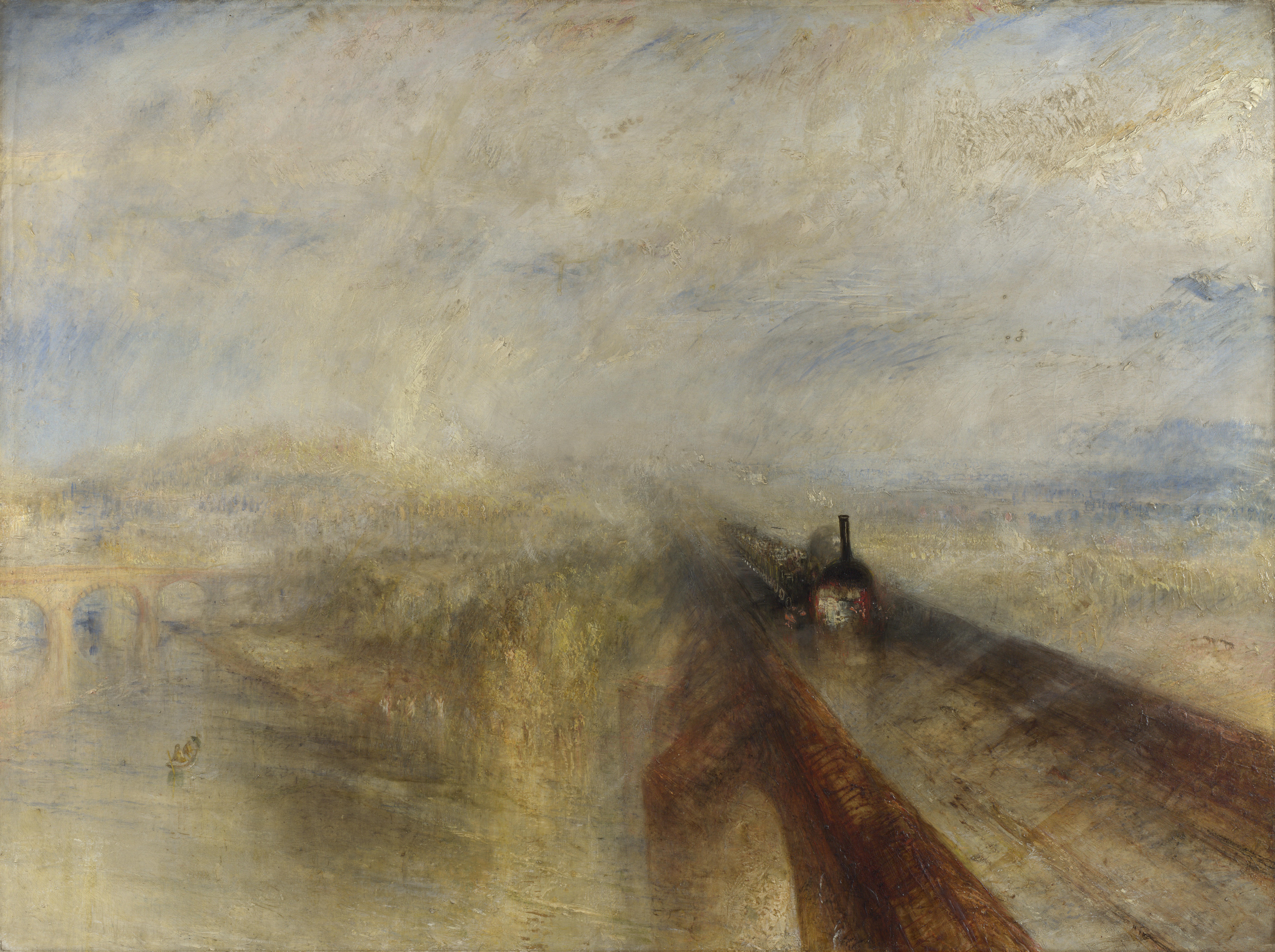
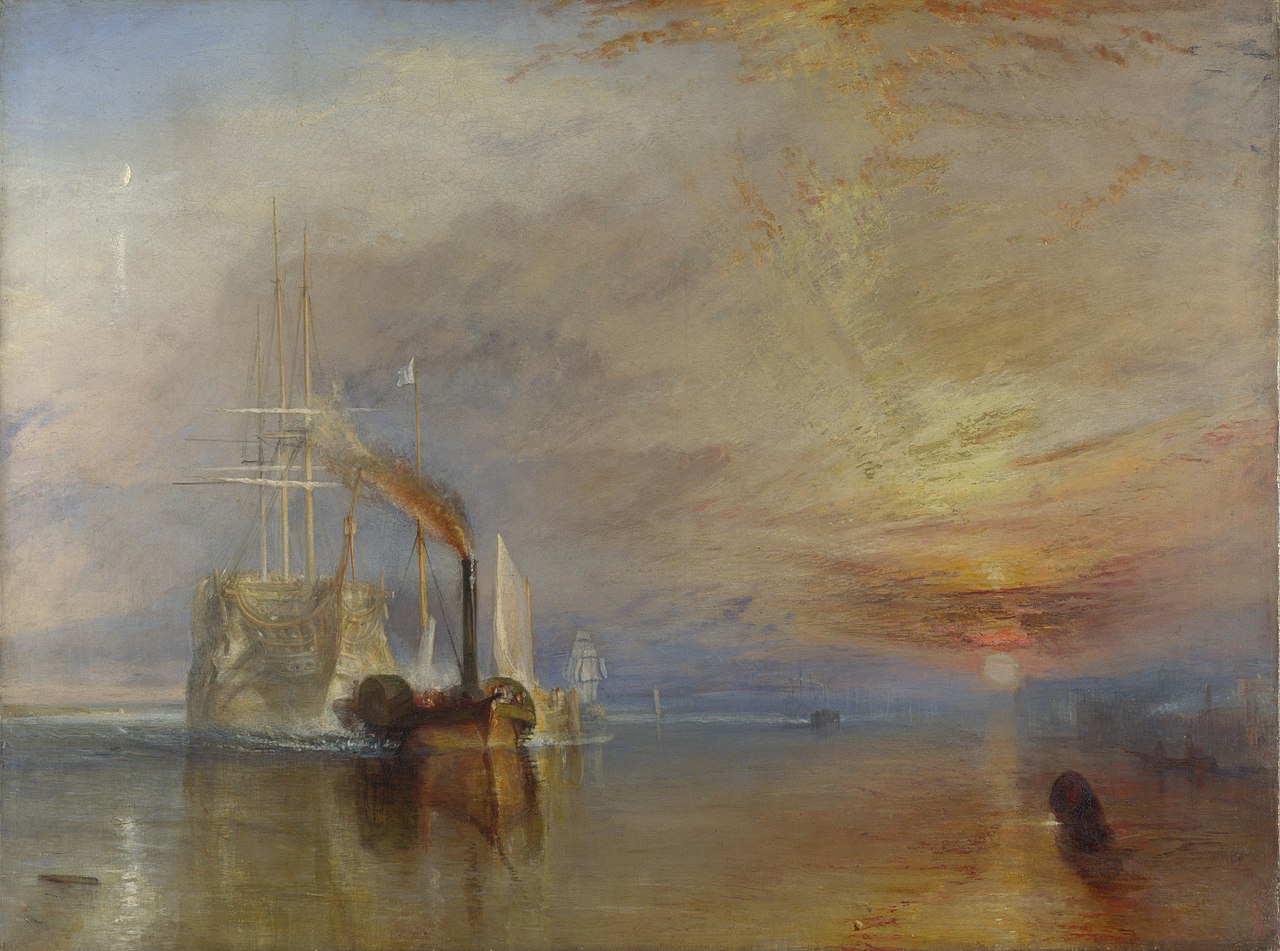
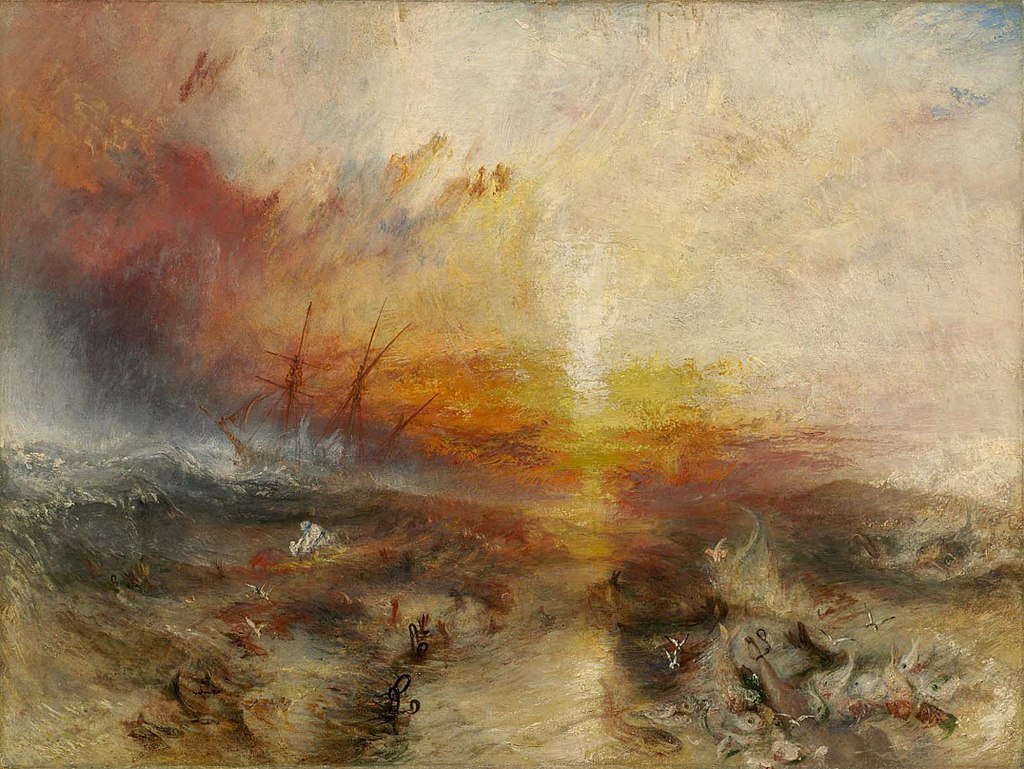
Turner’s ability to capture dynamic light and atmospheric conditions makes him one of the most relevant painters for landscape photographers. His seascapes and skies, often filled with swirling clouds and golden hues, mimic the kind of drama that photographers seek in sunrise and sunset shots. His approach to using color and contrast teaches the importance of depth, making scenes feel immersive. Studying Turner’s use of diffused light can help photographers craft dreamlike, ethereal compositions, especially in misty landscapes or seascapes.
- Shoot during golden hour to capture soft, dramatic light similar to Turner’s skies.
- Use long exposure to blur water and create mist-like textures, enhancing the ethereal quality of seascapes.
- Experiment with backlighting to create silhouettes and glowing effects in your landscapes.
- Emphasize contrast between warm and cool tones to add depth and visual interest.
2. Albert Bierstadt (1830-1902)
Capturing Grandeur and Light
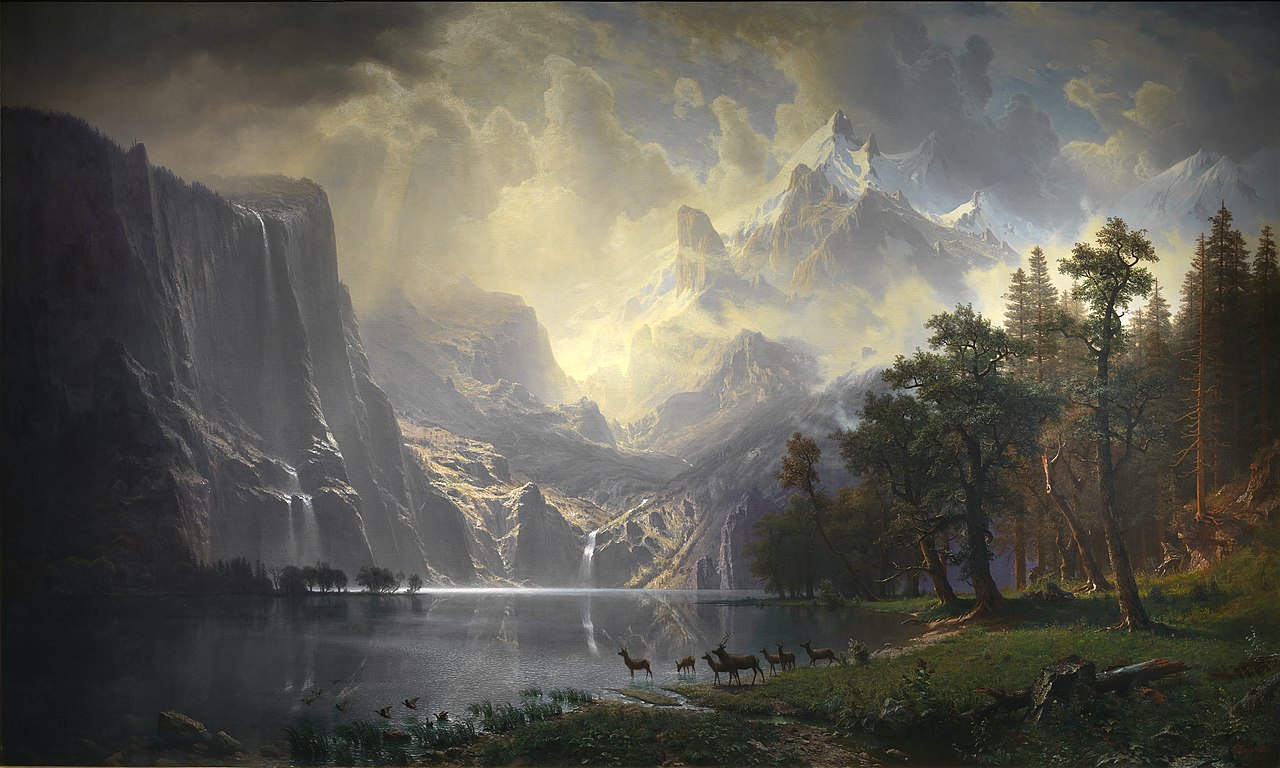
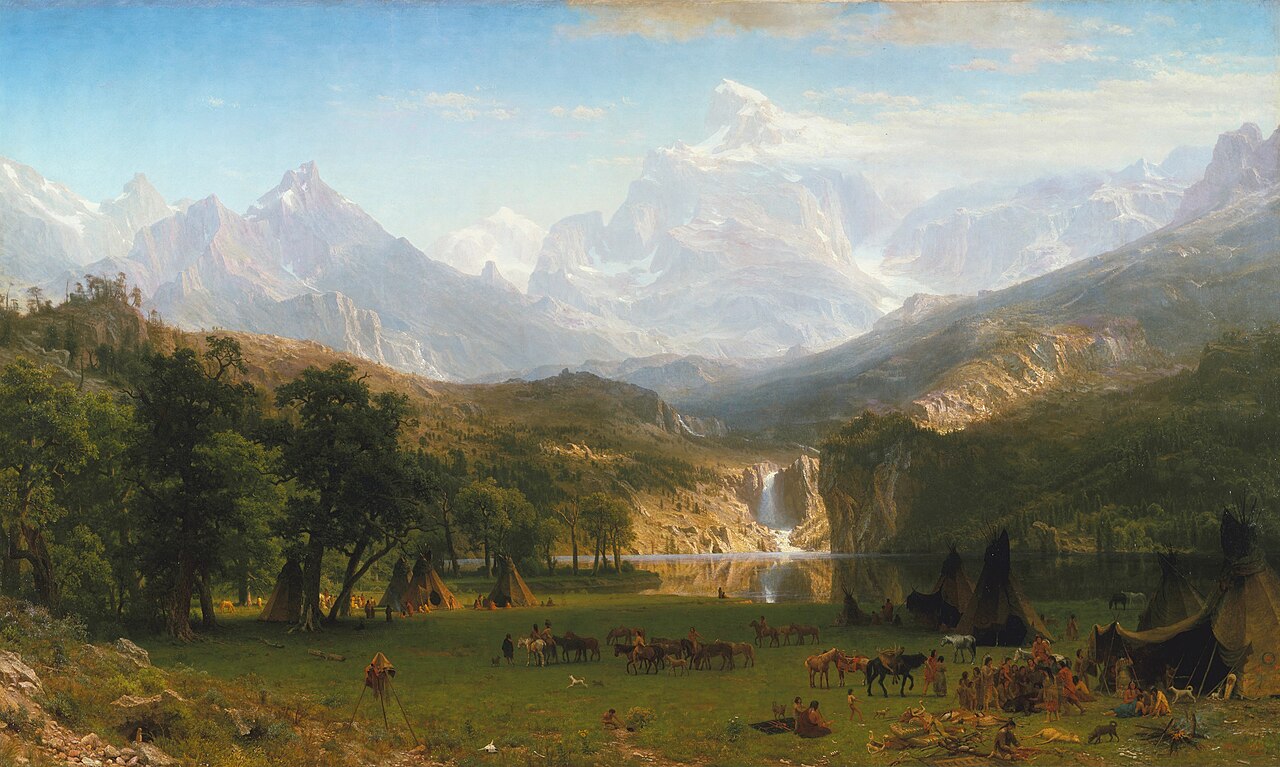
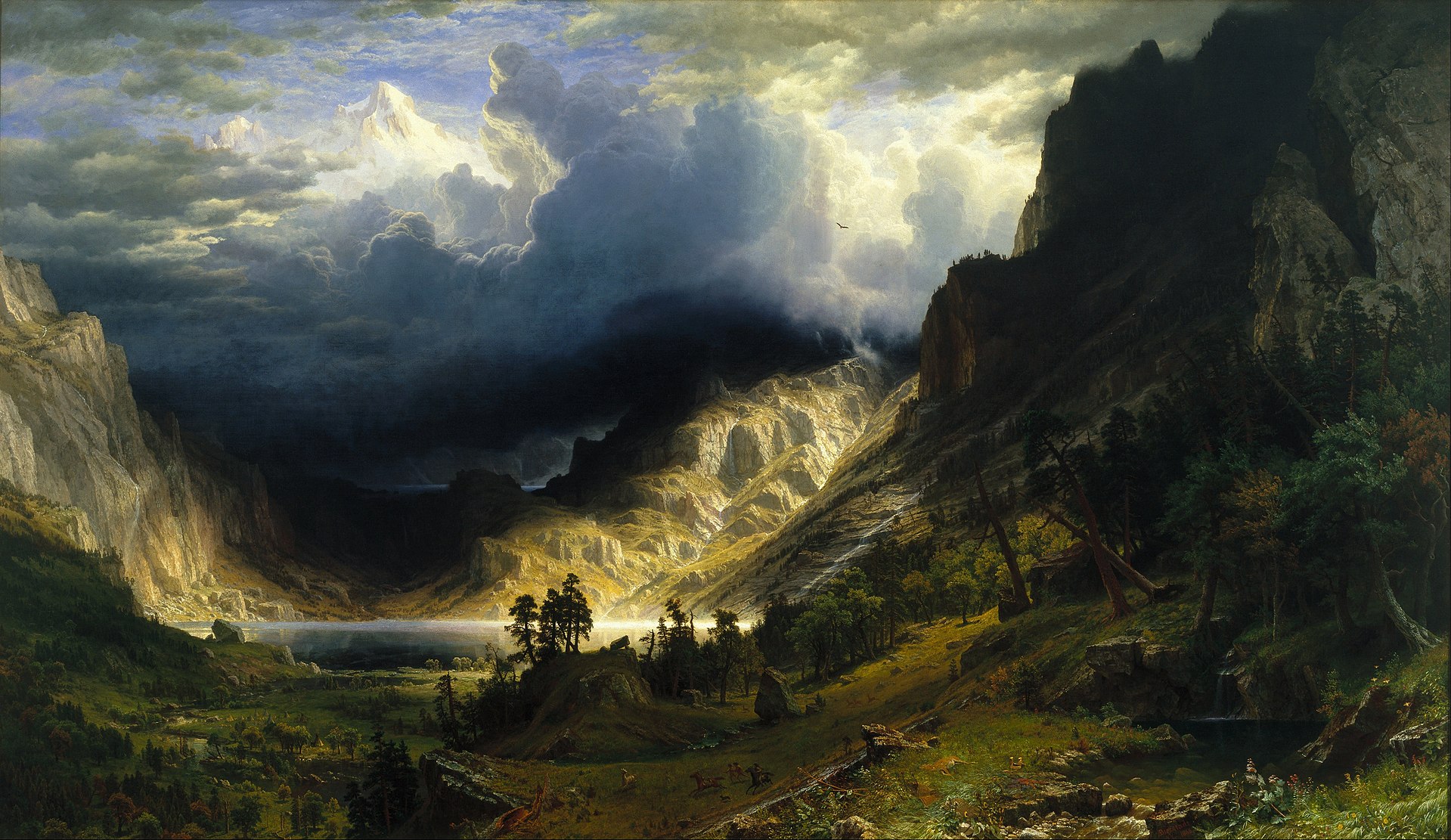
1. Among the Sierra Nevada Mountains| 2. The Rocky Mountains, Lander’s Peak | 3. Storm in the Mountains
Bierstadt’s paintings of the American West are filled with grandeur, emphasizing vast, untouched wilderness with dramatic lighting. His work is a lesson in using scale—tiny human figures against immense landscapes—to create a sense of wonder and adventure. Today’s outdoor and adventure photographers can take inspiration from his strategic placement of highlights and shadows to create depth and dimension in their images. His luminous skies and detailed mountain scenes are akin to the epic compositions sought after in travel and wilderness photography.
- Use a wide-angle lens to capture the vastness of landscapes.
- Enhance depth with atmospheric perspective, where distant objects appear hazier and less detailed.
- Shoot during stormy or dramatic weather to capture epic lighting conditions.
- Include elements of light and shadow to add dimension and storytelling.
3. Caspar David Friedrich (1774-1840)
The Art of Emotion in Landscape
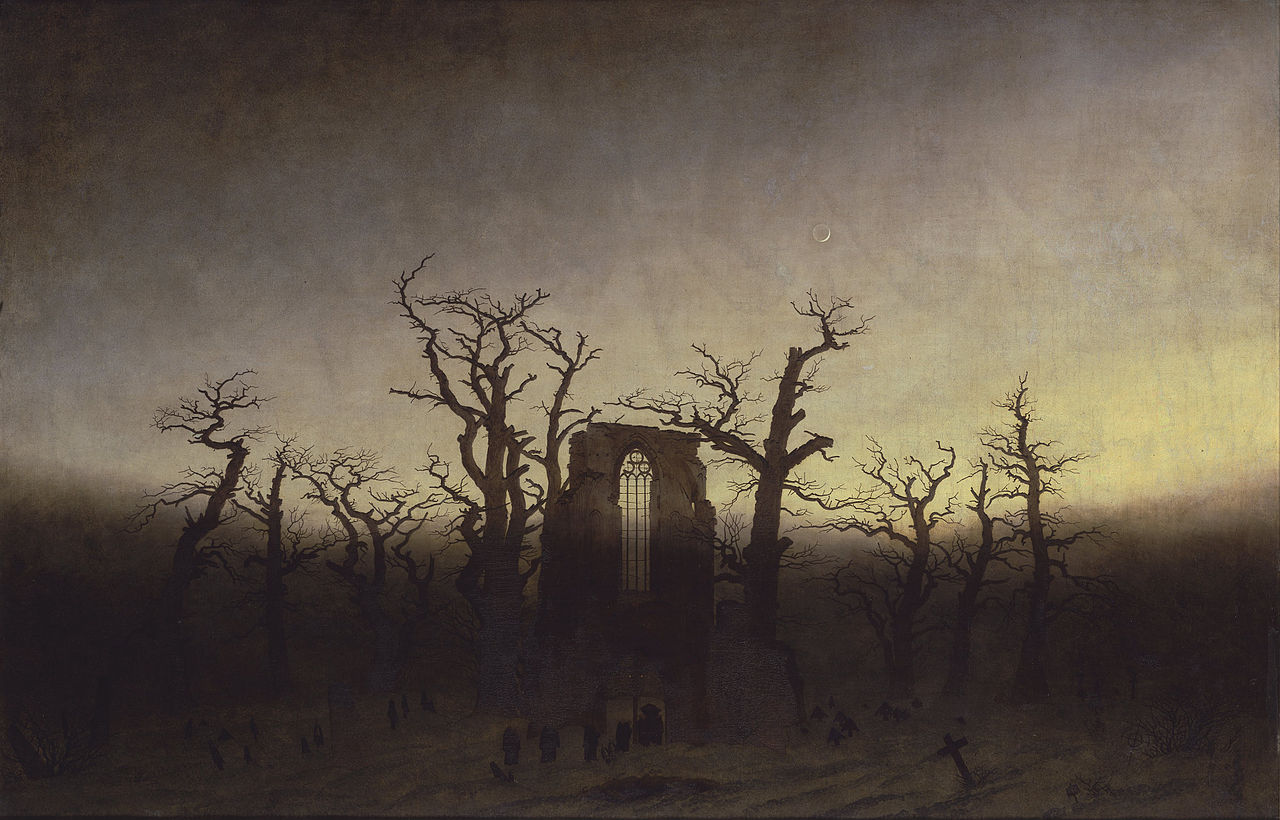
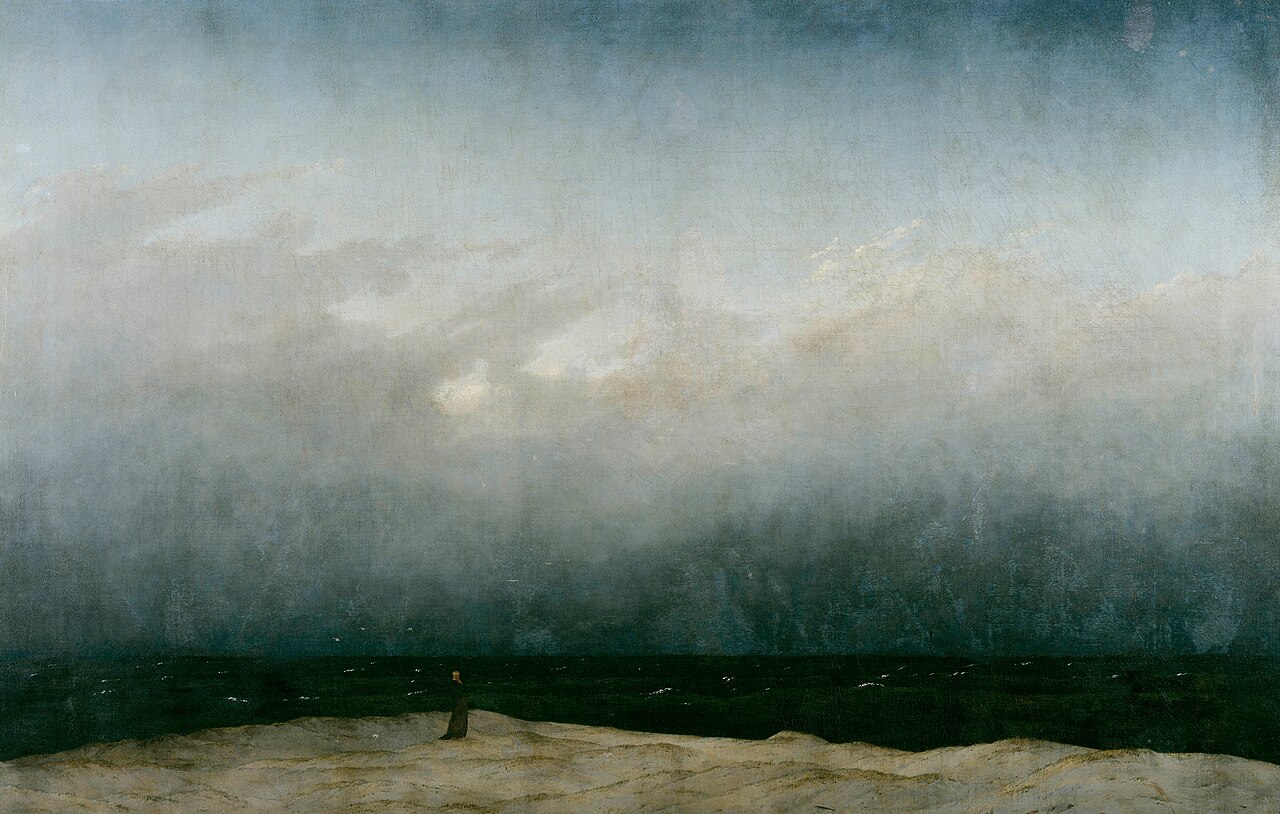
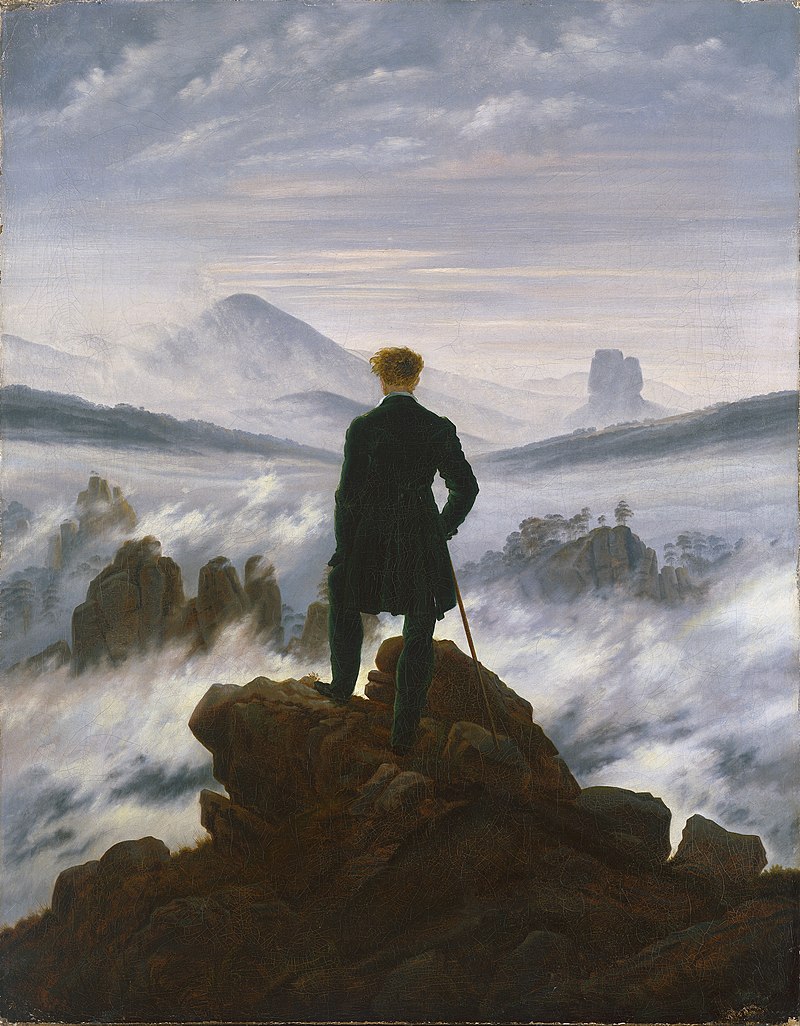
Friedrich’s landscapes are deeply emotional, often depicting solitary figures in vast, mysterious settings. His ability to convey mood and introspection makes his work a goldmine for photographers aiming to create atmospheric, storytelling-driven landscapes. Photographers who want to capture a sense of isolation, adventure, or the sublime should study his use of perspective, weather elements, and framing. His iconic Wanderer Above the Sea of Fog is a composition style frequently replicated in landscape and travel photography today.
- Include a small figure in a grand landscape to evoke a sense of scale and human connection, as seen in Wanderer Above the Sea of Fog.
- Shoot in foggy or misty conditions to add an air of mystery and depth to your landscapes.
- Frame your composition with natural elements like trees or rock formations to guide the viewer’s eye.
- Use a muted color palette to emphasize mood and emotion rather than just visual appeal.
4. Claude Monet (1840-1926)
The Impressionist’s Vision of Light and Color
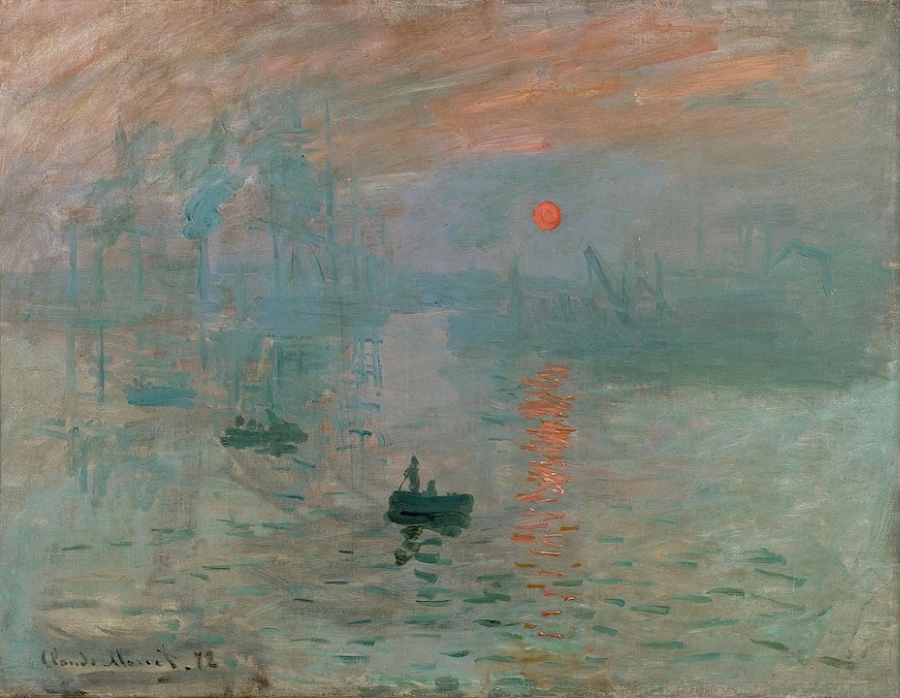

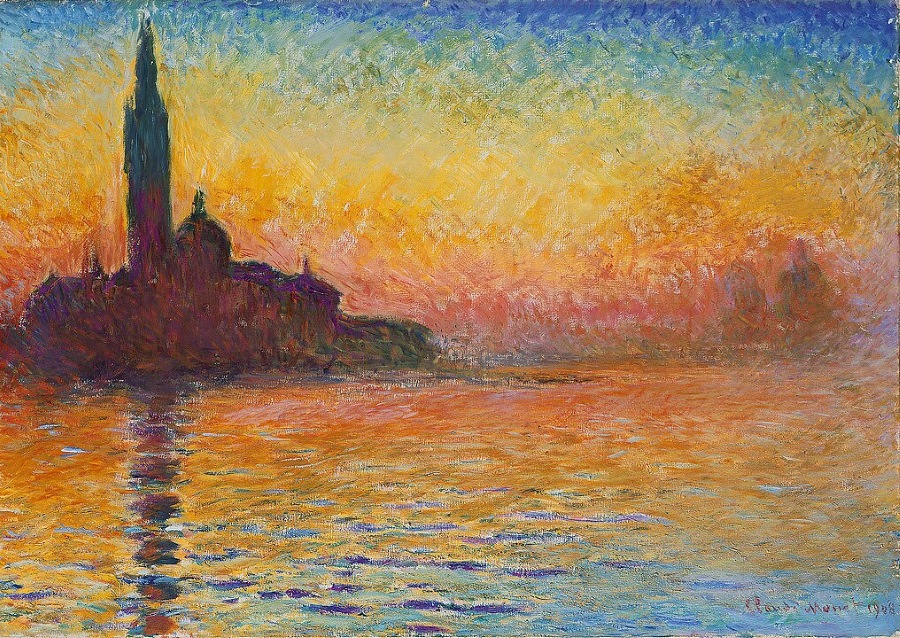
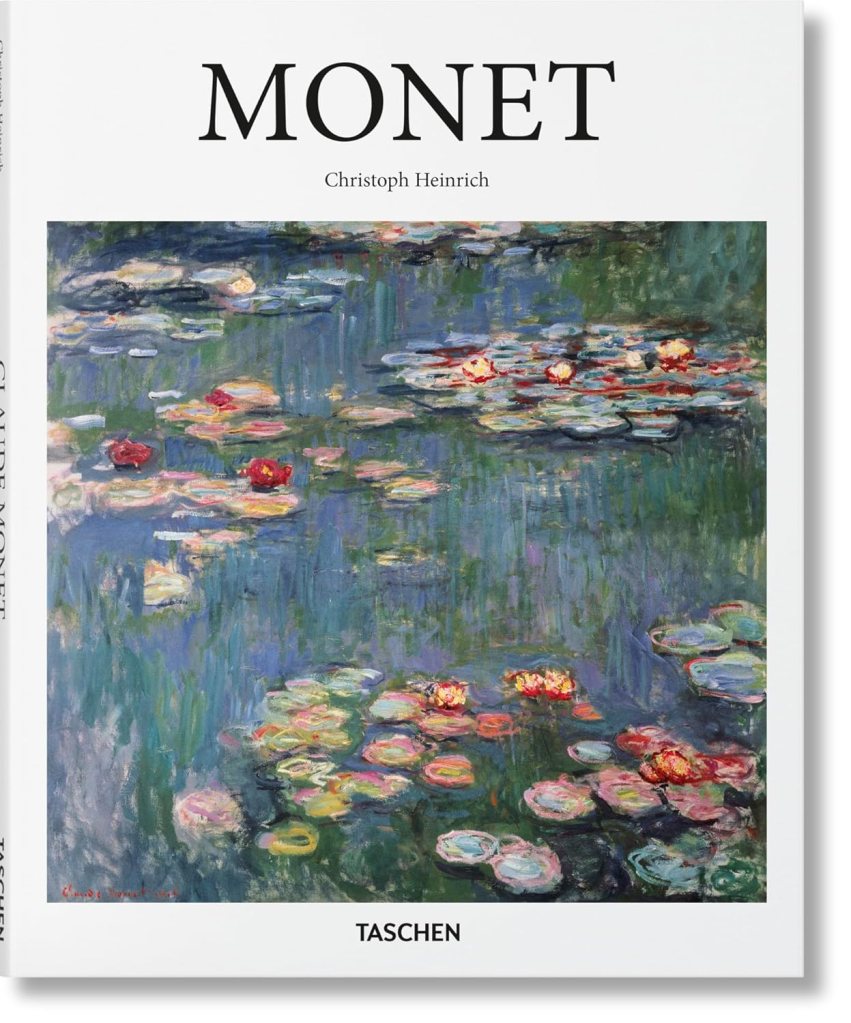
Monet’s Impressionist approach to capturing fleeting light and color shifts is a lesson in patience and observation for photographers. His Haystacks and Water Lilies series demonstrate how changing light at different times of the day can dramatically alter the mood of the same scene. Landscape photographers, especially those working with natural reflections and soft light, can benefit greatly from studying Monet’s brushwork, which mirrors the use of intentional blur and bokeh in modern photography.
- Observe how light changes throughout the day and capture the same location in different lighting conditions.
- Look for reflections in water to create dreamy, painterly compositions similar to Monet’s Water Lilies.
- Use a soft-focus effect or a shallow depth of field to mimic the impressionistic blur seen in his brushstrokes.
- Shoot in diffused light on overcast days for a gentle, pastel-like color palette.
5. Hokusai (1760-1859)
The Power of Composition and Perspective
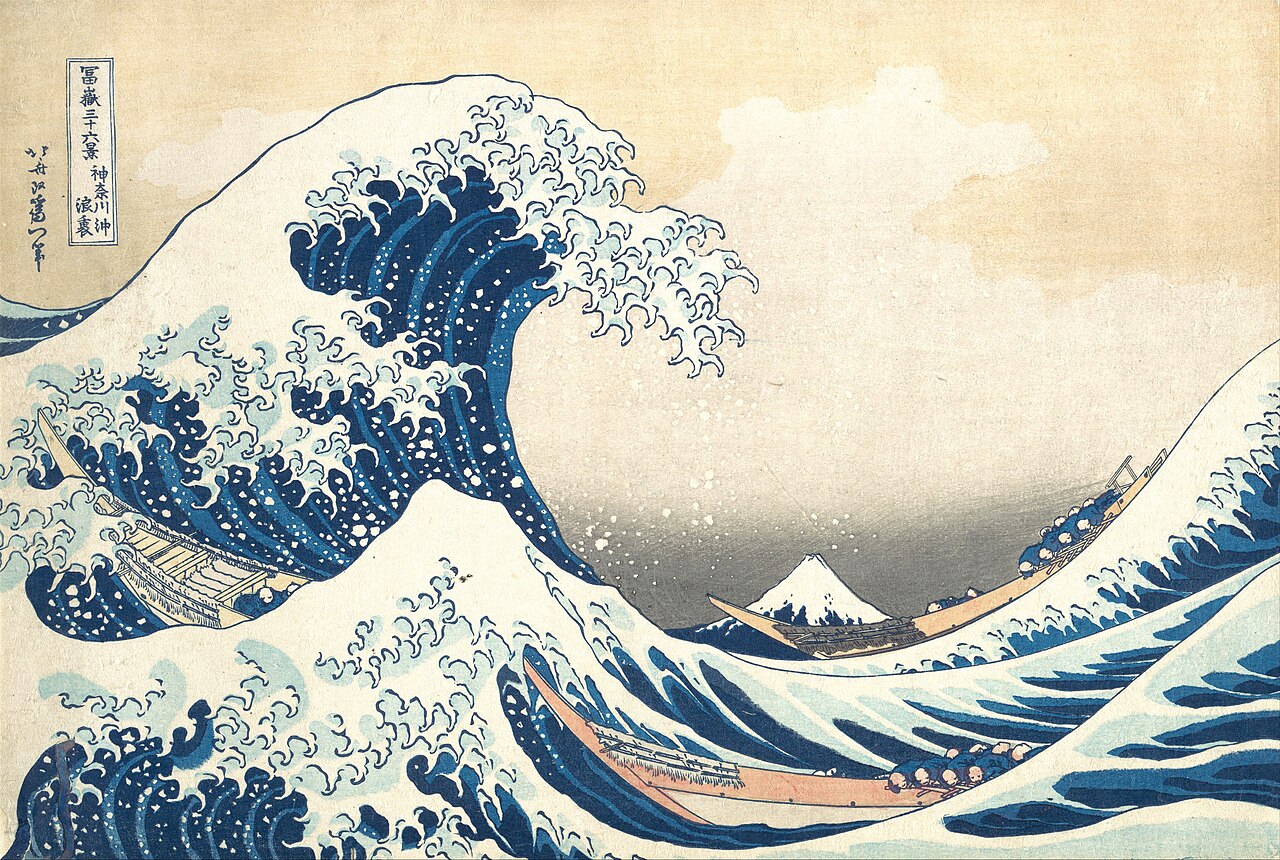
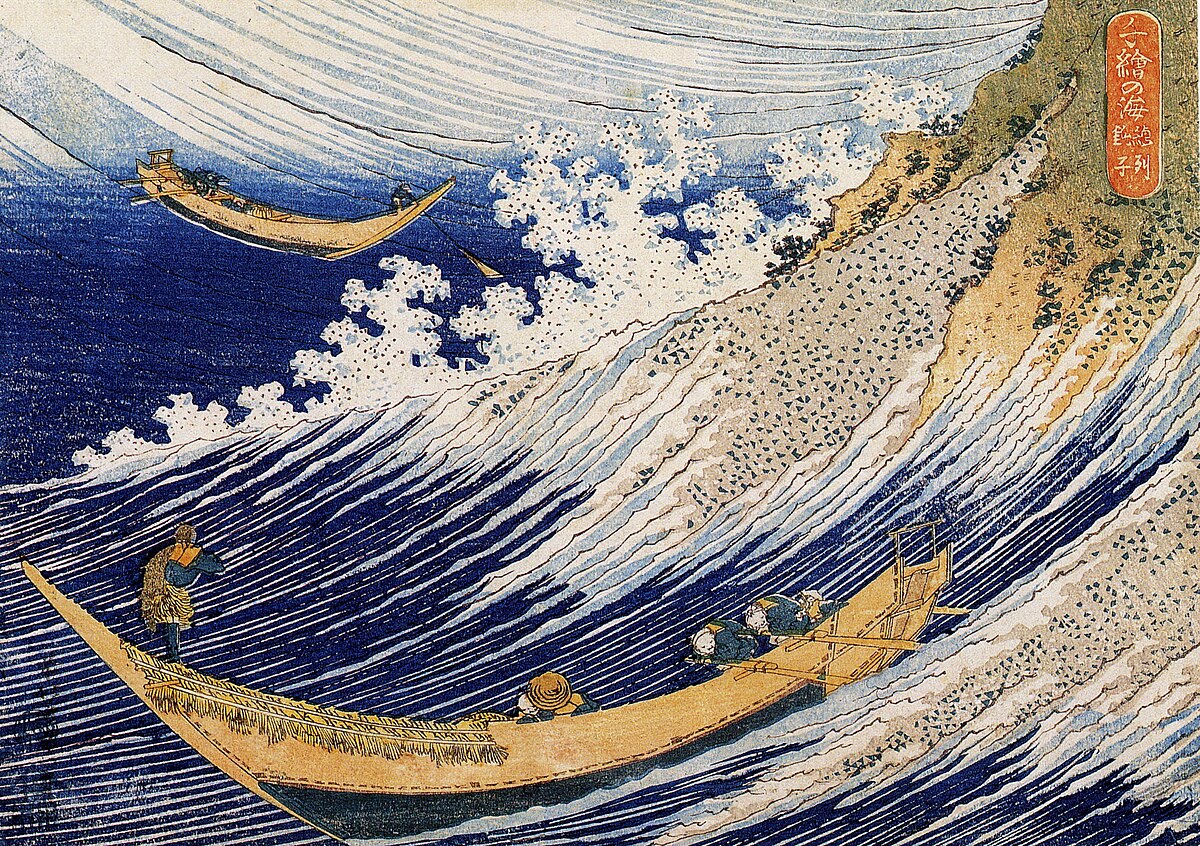
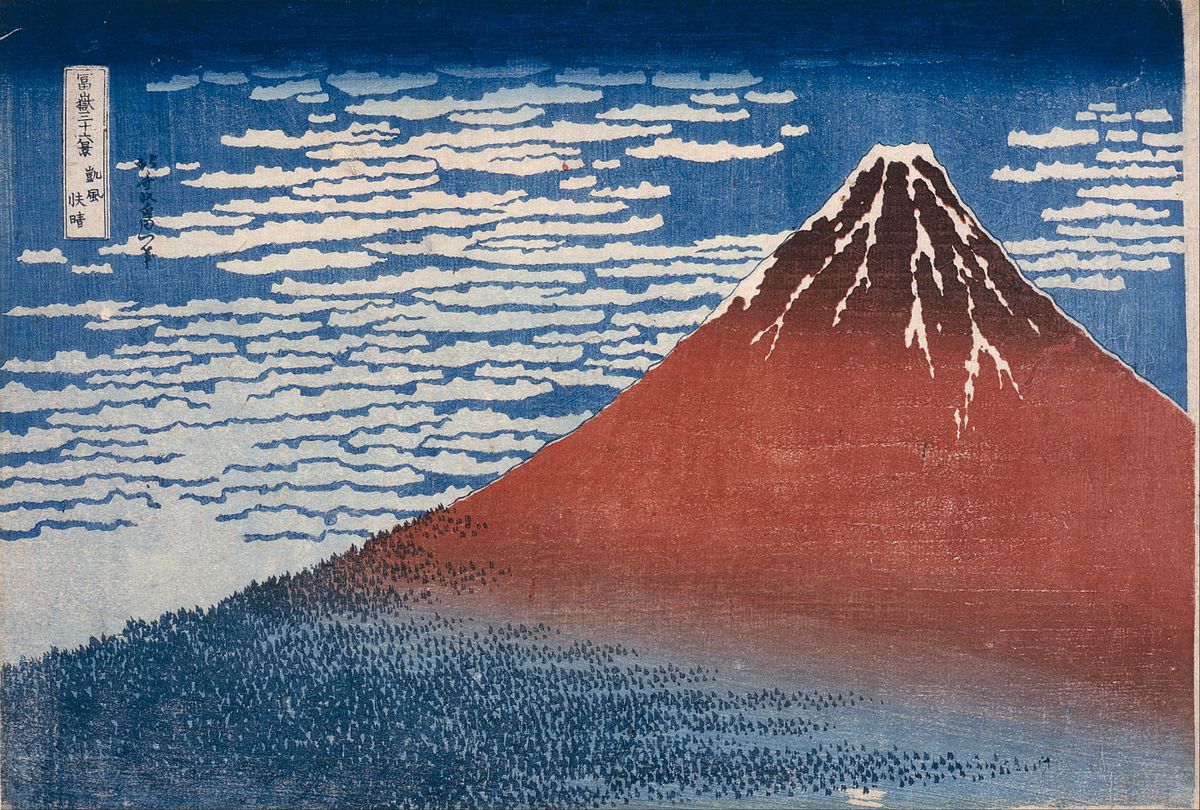
Hokusai’s woodblock prints, particularly The Great Wave off Kanagawa, offer lessons in dynamic composition, leading lines, and layering. His ability to incorporate both foreground and background elements into balanced frames is crucial for landscape photography. His Thirty-Six Views of Mount Fuji demonstrate how a single landmark can be framed in countless ways, teaching photographers to explore different angles and perspectives rather than settling for the most obvious shot.
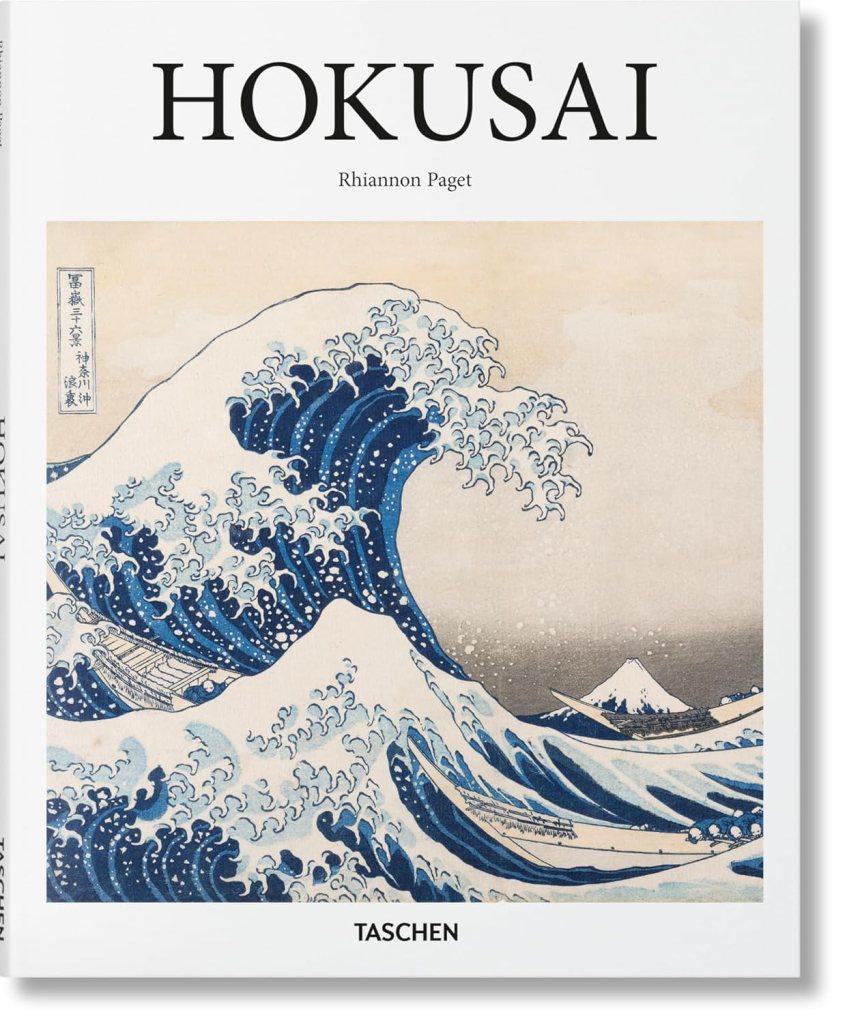
- Use leading lines such as waves, roads, or rivers to draw the viewer’s eye through the frame.
- Layer elements in the foreground, midground, and background to create depth, just like in Thirty-Six Views of Mount Fuji.
- Experiment with high vantage points to find unique perspectives of well-known locations.
- Capture motion in nature by using fast or slow shutter speeds to emphasize movement.
Why Landscape Photographers Must Derive Inspiration from These Masters
Understanding Light: From Turner’s glowing horizons to Monet’s soft impressionistic scenes, these artists teach how different types of light can completely transform a landscape.
Composition Techniques: Hokusai’s precision in structuring scenes with foreground, midground, and background layers is crucial for well-balanced photography.
Emotional Depth: Friedrich’s atmospheric landscapes remind photographers that landscapes aren’t just about beauty—they can tell powerful, evocative stories.
Use of Color and Contrast: Bierstadt and Monet’s mastery of color palettes can guide photographers in enhancing their post-processing techniques.
Framing and Perspective: The varied angles in Hokusai’s Mount Fuji series encourage photographers to push beyond conventional compositions.
Conclusion
Great landscape photography isn’t just about capturing what’s in front of the lens—it’s about interpreting the scene, infusing it with emotion, and making the viewer feel something. The master painters of the past were experts at these techniques, creating images that still captivate us today.
Key Takeaways:
- Study how master painters use light to evoke mood.
- Observe composition techniques to enhance visual storytelling.
- Experiment with color and contrast for more expressive landscapes.
- Learn how to add emotion and depth to your images.
- Use perspective and scale to craft striking, memorable shots.
Next time you set out with your camera, think beyond just documentation—think about how you can translate the feeling of a place into a visual masterpiece.
Which of these painters inspires you the most, and how will you apply their techniques to your photography? Share your thoughts and experiences in the comments!

About Me
I’m a travel photographer and blogger based in Mumbai, capturing landscapes, architecture, and street life through my lens. But beyond photography, I love connecting with fellow creatives and people who love travelling. If you ever want to chat, ask questions, or exchange ideas, feel free to reach out! 📸✨
Photographer | Blogger | Lawyer | Father
| 📩 vivekvermavisuals@gmail.com
Discover more from Vivek Verma
Subscribe to get the latest posts sent to your email.
 Vivek Verma