Once upon a time, photography was a craft of patience. It belonged to those who spent years mastering the art, investing in expensive gear, and perfecting their skills through trial and error. But that world? It’s fading fast.
Today, a single tap on a smartphone, a quick filter, and a well-timed post can catapult an image to viral fame. No formal training. No costly equipment. Just an algorithm’s blessing.
And let’s admit it—it’s exhilarating. The barriers are gone. A teenager in a small town, a traveler with nothing but a phone—anyone can share their vision with the world. That’s powerful. That’s beautiful.
But is it fair? For those of us who’ve poured years into this craft, the shift is unsettling. Rates are plummeting, expertise is overlooked, and social media favors speed over skill. The frustration is real. The uncertainty is overwhelming.
Are we becoming invisible? Is our craft still valued? If you’ve ever felt that tug-of-war between awe and anxiety—between inspiration and exhaustion—you’re not alone. I feel it too.
Let’s explore the reality of photography’s democratization. The struggles, the opportunities, and, most importantly, how we can not just survive—but thrive—without losing the soul of our art.
The Challenges it Poses
Let’s start with the pain points—the struggles we all face but rarely talk about. It’s time to bring them to light.
Dilution of Craft?
I know the frustration—watching influencers with millions of followers share a shallow version of the craft while carefully honed skills go unnoticed. Years of practice, personal style, and artistic depth seem to matter less in a world that rewards speed and engagement. Seeing viral snapshots outshine thoughtful photography can feel like a gut punch, making our work seem undervalued—or worse, invisible. But who says we have to let algorithms define our craft?
A painter is a man who paints what he sells. An artist, on the other hand, is a man who sells what he paints.
Pablo Picasso
Predatory Pricing & Free Work
With more people entering the field, many offer free or cheap work for exposure or practice. No judgment—I’ve done it too. But for professionals who’ve spent years honing their craft, it’s painful to see photography undervalued or given away for likes. While undercutting makes sense for some, it weakens pricing power. Clients, unable to distinguish between novice and expert work, often prioritize cost over quality. The expectation of high-quality work at low prices has become the norm. As a wedding photographer in Bangalore vis-a-vis Mumbai, I have felt competition getting tougher and tougher—and often disheartening.
It’s incredibly difficult to make a living when someone else is willing to give away their photos for nothing, just to get likes.
Alison Conklin
Market Saturation
Market saturation is undeniable. In the past, fewer voices meant better visibility and a higher chance of securing paid work. Today, with millions creating and often producing decent results, the industry is flooded with self-proclaimed “photographers,” making it increasingly difficult to grow financially or find quality leads. The saturation has reached a point where platforms like WedMeGood and agents now profit simply by selling leads for premium price—without any guarantee of conversions.
Mental Fatigue and Burn Out
The relentless cycle of content creation, self-promotion, and client competition can be draining. Viral snapshots and reels often outperform meaningful, skillful photography, making professionals feel pressured to create for algorithms rather than artistry. To stay relevant, professionals must juggle multiple skills—marketing, social media, content creation, and business strategy—beyond just photography. The pressure to keep up can be truly exhausting, often leading to creative burnout.
There’s a constant pressure to deliver quick, accessible content. But that doesn’t leave space for the depth of work we used to produce.
Ben Lowy (@benlowy, website)
I have faced these challenges head-on and understand the marine debris this massive wave of change has brought to artists like us. At times, I felt disheartened by my modest Instagram following, almost losing the passion for my craft—only to rediscover a renewed sense of pride in it later.
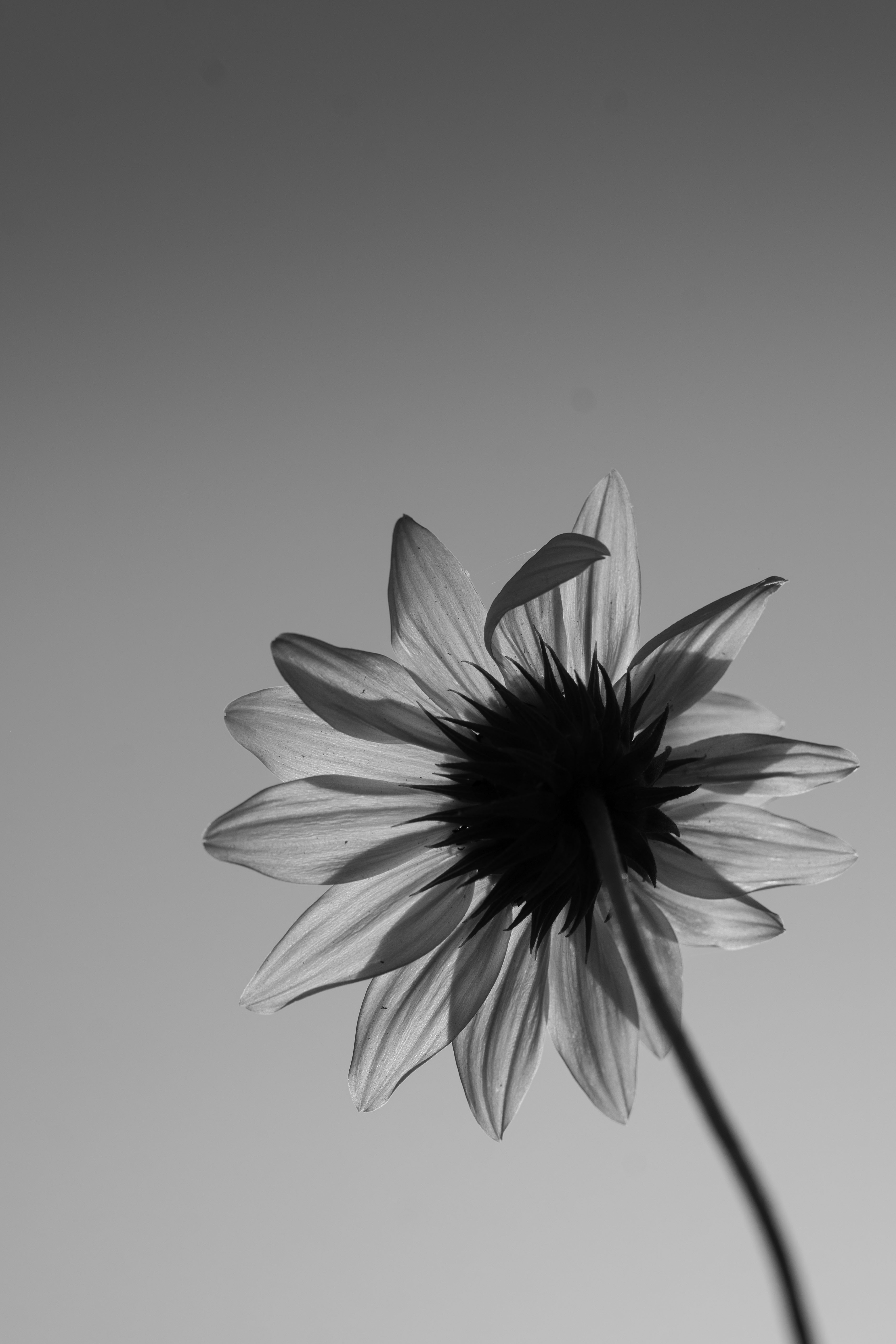
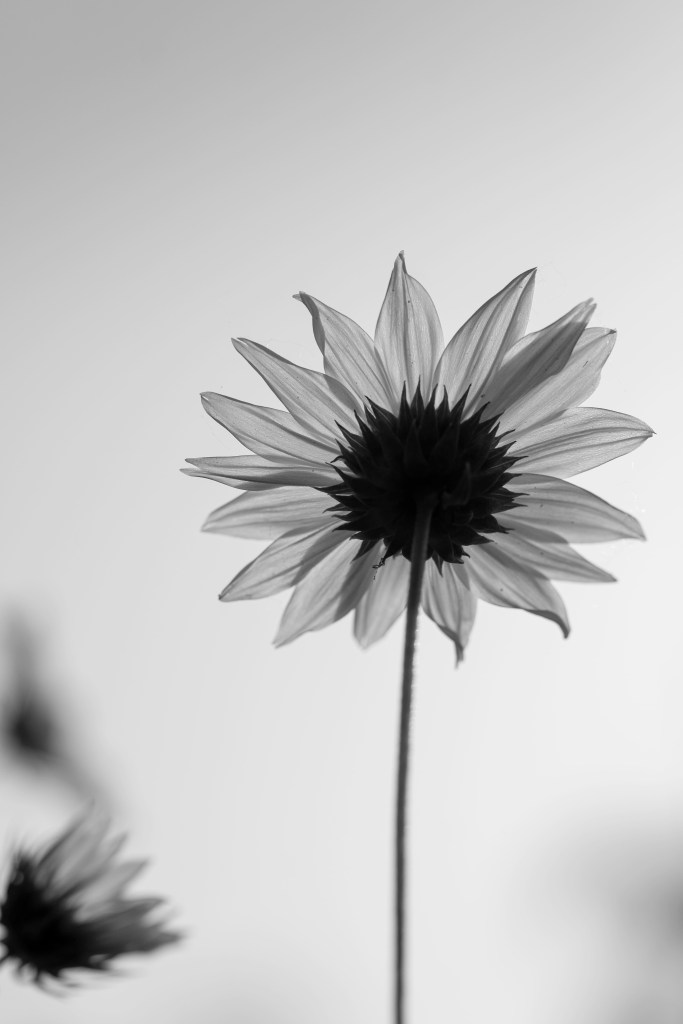

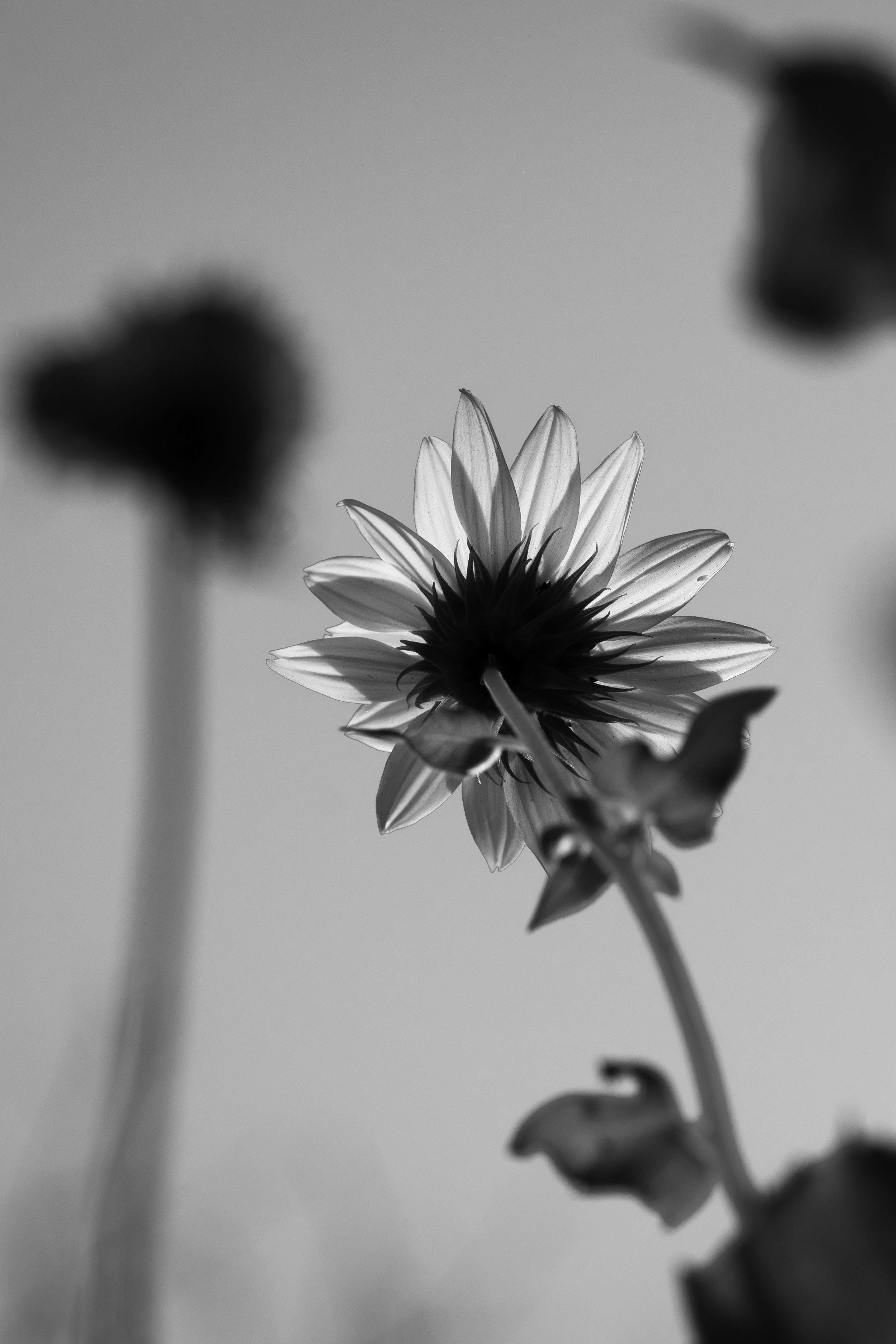
Shot on Lumix S1
The topic of democratization has become outdated with too many cameras and unnecessary photos. The concept of photography as a quest and introspection has declined… everything is limited to pressing a button and defining oneself as a photographer.
remon Diaz
The Bright Side of Democratization
Let’s take a moment to appreciate the opportunities it presents and how it has benefited both amateur and professional photographers.
Breaking Barriers
There’s no denying the opportunities it has brought to the table. Social media and digital platforms have removed traditional gatekeepers, allowing photographers to reach a global audience without relying on galleries, agencies, or publications. A well-crafted portfolio on Instagram, YouTube, or a personal blog can now attract clients, collaborations, and even patrons from around the world. It’s liberating, and it’s made photography feel more inclusive and accessible than ever.
This fusion of technology and creativity is a win-win for everyone. Professionals can experiment and capture fleeting moments on the go, while aspiring creators have the tools to hone their craft and build a portfolio.
S. S. Rajamouli
To put it in perspective, I began wedding photography in 2015 as a novice, earning just INR 5K per day with no professional gear. Within a year, I scaled to INR 35K per day—still renting equipment. This leap was only possible because photography’s democratization erased entry barriers.
New Revenue Streams Beyond Traditional Photography
Democratization of photography has exploded the demand for digital education, content consumption, experiential services, members-only content, mentorship, or behind-the-scenes access – the positions experienced photographers can step into, to monetize their expertise in ways that weren’t possible before:
- Online Courses & Workshops: Sharing knowledge through platforms like Skillshare, Udemy, or personal websites.
- YouTube & Patreon: Creating tutorials, vlogs, and behind-the-scenes content can generate passive income.
- Preset & Editing Tools Sales: Selling Lightroom presets, Photoshop actions, or editing guides to aspiring photographers.
- Experiential Services: Offering experiential services like curated photo tours and expeditions, travel retreats, or personalized mentoring.
Experiential services have surged, with platforms like DCP Expeditions and renowned photographers like Jassi Oberoi offering immersive photo tours. Established names like Jayanth Sharma (Toehold), Luv Israni (Capturing Wow), and Sudhir Shivaram now rely on online courses and workshops as key revenue streams, while Shivaji Sen monetizes exclusive content on Patreon alongside physical workshops in Mumbai.
Brand Collaborations & Influencer Roles
Established photographers with strong personal brands can collaborate with travel, tech, or lifestyle companies for sponsored content, paid workshops, product reviews, or ambassador roles. Many brands now prefer photographers with a strong social media presence over traditional advertising. Most of India’s top photographers are often brand ambassadors or influencers for the camera brands they use. Joseph Radhik represents Sony Alpha and OPPO, while Jassi Oberoi is the face of Lumix India.
Licensing & Print Sales Made Easier
With platforms like Getty Images, 500px, Shutterstock, Etsy, SmugMug, and Picfair, photographers are able to sell prints, stock images, and NFTs without pinning their hopes on physical galleries or exclusive agencies. Passive income from licensing and digital art sales has never been more accessible.
Documentary & Storytelling Opportunities
The rise of digital storytelling, independent journalism, and self-publishing means photographers no longer have to wait for assignments from major media houses. They can document compelling stories, create photo books or launch crowdfunding campaigns on platforms like Kickstarter, Hemeria and Indiegogo to finance passion projects.
Good Read: 8 Tips to Getting Your Photo Project Funded on Kickstarter
Daniel Arnold: A Case Study
I think about Daniel Arnold (@danielarnold, website), whose street photography became famous not because he had the best gear or the most polished shots, but because his unique view of New York City resonated with people. Daniel didn’t have a fancy camera or the backing of an agency, but the platform allowed him to share his work and connect with an audience. That’s the power of democratization—no matter where you’re from or what you have, you can make your voice heard.
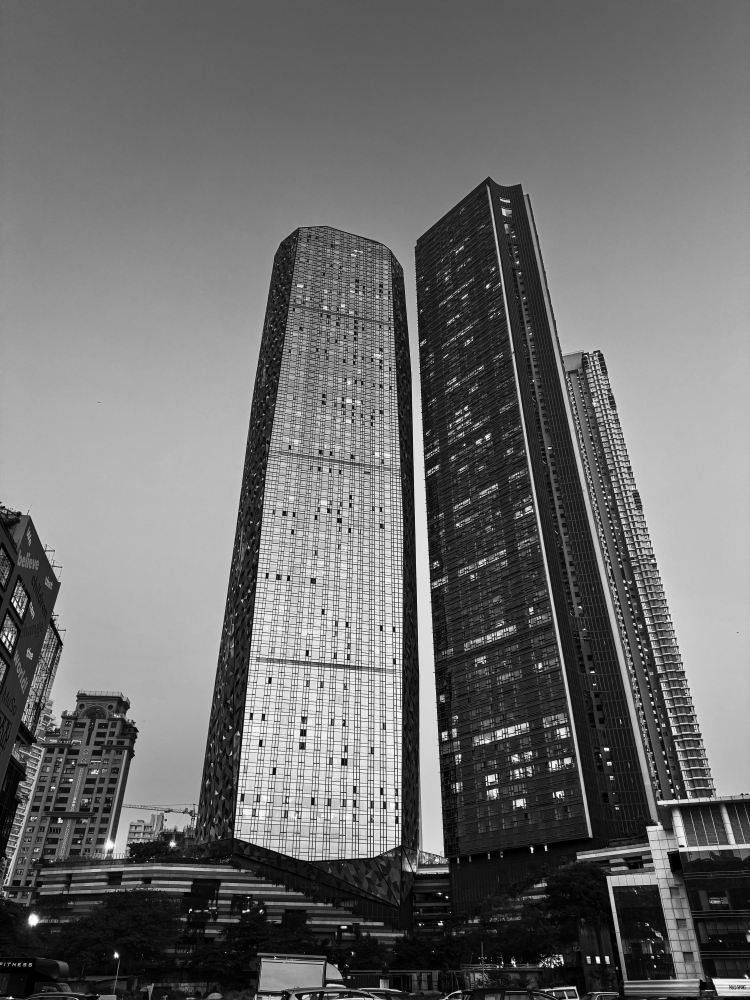

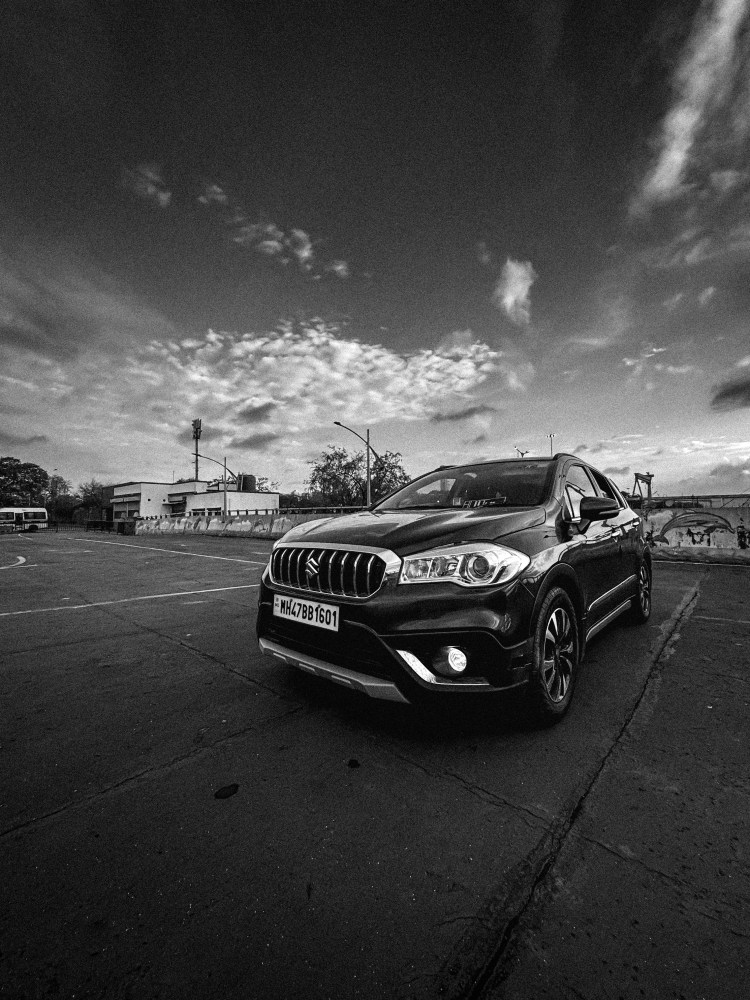
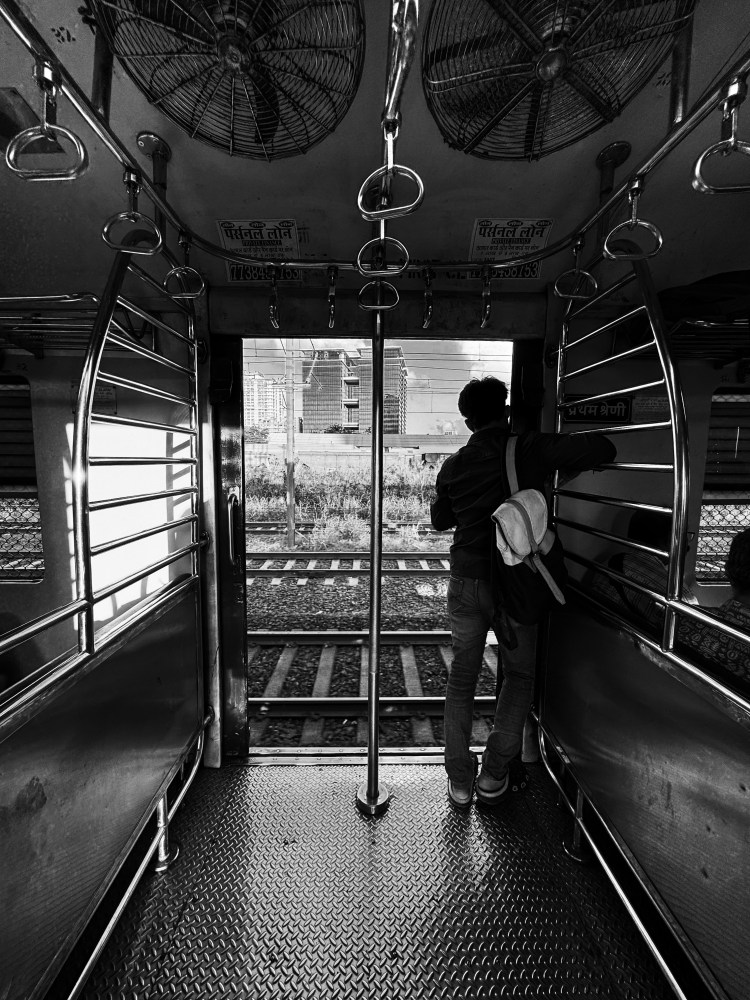
Shot on iPhone 15 Pro
Now that you’ve seen four images taken with my professional camera and four with my smartphone, do you notice a difference in quality, depth, or overall impact? Does gear still define a great photograph, or has technology blurred the lines? Let me know your thoughts! 📷📱✨
Is Democratization (of Photography) a Threat?
Just like cooking—where the same ingredients can create entirely different flavors in different hands—photography still remains deeply personal, a true extension of who you are, as an artist. It is shaped by:
- Your distinctive sense of aesthetics;
- Your creative vision;
- Your mastery of technical skills to bring that vision to life;
- The years of dedication and practice;
- The lessons carved from countless mistakes;
- Your unique post-processing style;
- And—most importantly—the infinite depth of your life, experiences, stories, inspirations, and everything you’ve absorbed (consciously or subconsciously) over the years.
Still skeptical? Place ten photographers in the same location, give them the same subject, and each will produce an image that is uniquely their own. Why? Because photography is not just about the camera—it’s about the photographer. Of course, for this experiment, I assume they all have a fundamental grasp of photography; without that, the results would simply fall flat.
“To me, photography is an art of observation. It’s about finding something interesting in an ordinary place… I’ve found it has little to do with the things you see and everything to do with the way you see them.”
— Elliott Erwitt
Photography vs. Writing
Think about it—how is the democratization of photography any different from that of writing? Anyone can pick up a pen, put their thoughts into words, and even publish them in today’s digital age. Similarly, anyone can own a camera, capture what they like, and share it online. But do we lament that the accessibility of writing has doomed authorship or serious publishing? The demand for great storytelling remains, no matter how many people can write. The same applies to cooking—just because anyone can cook, does that make opening a successful restaurant or becoming a master chef impossible? No. Because the secret to what makes a master chef a “master chef” has never changed—refined skill, undying passion, consistency of work product and an unshakable dedication to the craft.
When Julia Childs or Bob Ross began “revealing” the secrets of French cooking and painting, chefs and painters didn’t run for the hills because everyone could do what they do. They were confident in their skills and evolved their craft.
David Koh
My Conclusive Thoughts
I want to pause here and say: It’s okay to feel frustrated. Photography isn’t just about images—it’s a language, a passion, a way of seeing the world. Watching it reduced to an endless scroll can be disheartening. But your craft still matters. The world still needs stories told with heart, images created with intention. The real question is: How do we evolve without losing what makes our art meaningful?
The answer lies in staying true to your essence. Trends come and go, but consistency outlasts intensity, and authenticity outshines replication. The industry may feel vast, but photography is a small world—where skill, professionalism, and perseverance eventually speak louder than algorithms.
That’s why I don’t see the democratization of photography as a threat, but as a shift—one that challenges us to adapt while staying rooted in our craft. You may feel differently, and that’s okay. Perspective is personal. What truly matters is finding a path that keeps your passion alive.
Watch out for my next post in this series where I delve deeper into how we can move forward—not as victims of the change, but as creators who are resilient, adaptable, and passionate about what we do.
Now, I’d love to hear from you. How do you feel about photography’s democratization—does it inspire you or frustrate you? Have you faced challenges adapting to this new landscape, or have you found ways to thrive in it? Share your thoughts in the comments—I’d love to continue this conversation with you.

Hey there! 👋
I’m a travel photographer and blogger based Mumbai, India. My passion lies in capturing stunning landscapes, timeless architecture, and the raw beauty of streets. But more than that, I love connecting with fellow photographers—whether it’s to chat about legal hurdles, tackle creative blocks, share a laugh over our struggles, or discuss mental health challenges we face as artists.
If you ever feel like sharing your journey, asking questions, or just need someone to talk to, I’m just a message away! Drop me a line at vivekvermavisuals@gmail.com or find me on Instagram/Threads at @vivekverma0909 and @creativegenesstreets. Let’s navigate this photography adventure together and make it truly unforgettable! 📸✨
Credits & Further Readings
– The Democratization of the Photographic Image, or How I learned to Stop Worrying and Love the Camera Phone by Erin Jennings
– The Current “State” of Photography — Part 1 by David Koh
– How Photography Democratised Memories
– Everyone is a Photographer by By Doug Spowart
– Only 7.5% of photos are taken with cameras – phones now rule photography by Beth Nicholls
In this video (below), Curator, Blake Milteer, and photographer, Kim Ayres, discuss aspects of this democratization.
Discover more from Vivek Verma
Subscribe to get the latest posts sent to your email.
 Vivek Verma