
In a world where smartphones dominate photography, you might think compact cameras are relics of the past. Think again. These pocket-sized powerhouses carve out a unique space, offering features that even the best smartphones can’t fully replicate. From capturing intricate details in landscapes to achieving natural bokeh in portraits and zooming in on distant subjects, they deliver results that smartphone cameras often struggle to match. If you’re after more than just convenience—but aren’t ready for the complexities of interchangeable-lens systems—this post will show you why fixed-lens compact cameras remain a worthy contender for your photography arsenal.
Who Are Fixed-Lens Compact Cameras For?
Fixed-lens compact cameras are ideal for individuals who appreciate photography but have no intention of diving into its technical depths or investing in professional equipment. They’re perfect for travelers who want to take better photos than their smartphone can offer or for street photography enthusiasts who value portability and ability to shoot discreetly without compromising on image quality. These cameras bridge the gap between convenience and performance, making them a fantastic tool for casual yet high-quality photography.
Let’s dive into why someone might still consider buying a fixed-lens compact camera over relying solely on a smartphone camera.
Advantages of Fixed-Lens Compact Cameras
SUPERIOR IMAGE QUALITY
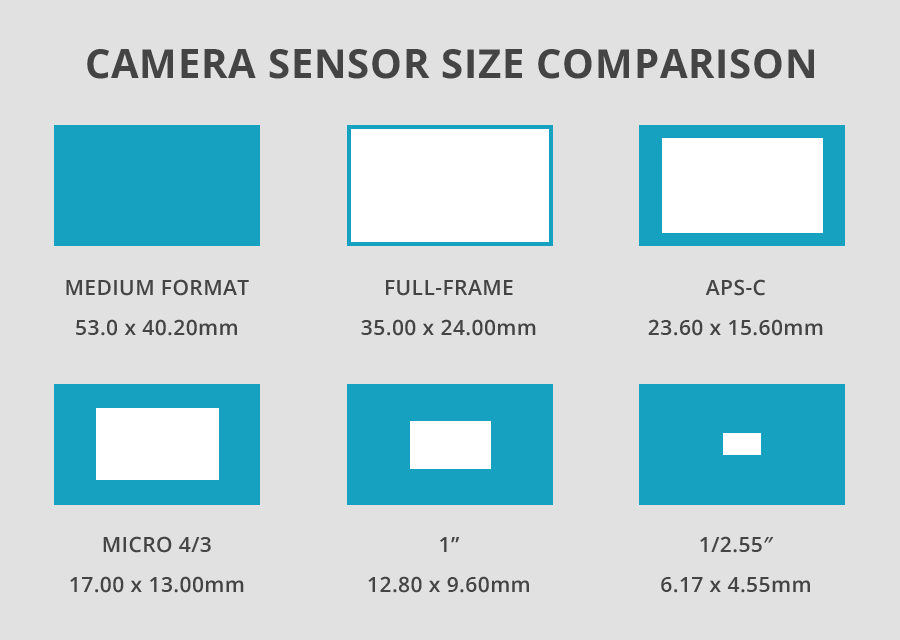
Larger Sensor Size: Most compact cameras feature much larger sensors (like 1″, Micro 4/3 or APS-C) than smartphones (e.g., 1/1.28″ of iPhone 15 Pro and 1/1.3″ of Samsung Galaxy S23 Ultra), resulting in better low-light performance, dynamic range, and overall image quality. A larger sensor allows more light to be captured, reducing noise and improving clarity.
Better Lens Quality: Compact cameras often use high-quality glass optics, which ensures sharper images, better edge-to-edge clarity, and reduced distortions compared to the smaller lenses in smartphones.
Optical Zoom
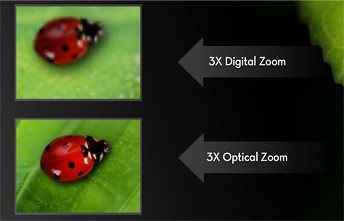
Fixed-lens compact cameras typically feature optical zoom lenses, which maintain image quality across a range of focal lengths. In contrast, smartphones mostly rely on digital zoom or limited multi-lens setups, which degrade image quality as you zoom in.
More about optical and digital zoom comparison here
Manual Controls and Customization
Compact cameras offer extensive manual controls for exposure, focus, and shooting modes, giving photographers more creative freedom. While smartphones have manual modes, their touch-based interfaces can be less intuitive for fine adjustments.
Color Rendition
Compact cameras often produce more accurate and natural colors, thanks to better sensors and image processing engines.
RAW Image Capture
While some smartphones now support RAW shooting, compact cameras often deliver higher-quality RAW files with more detail, better tonal range, and more latitude for post-processing.
Creative Depth of Field (DOF)
With larger sensors and wider aperture lenses, compact cameras naturally create more pleasing bokeh and subject isolation without relying heavily on computational photography.
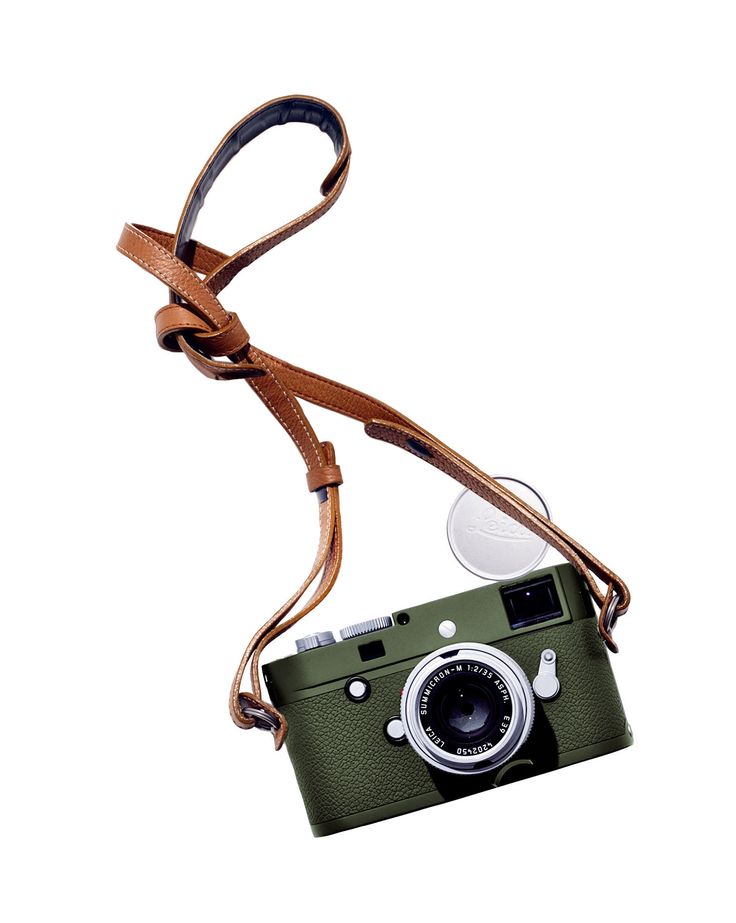
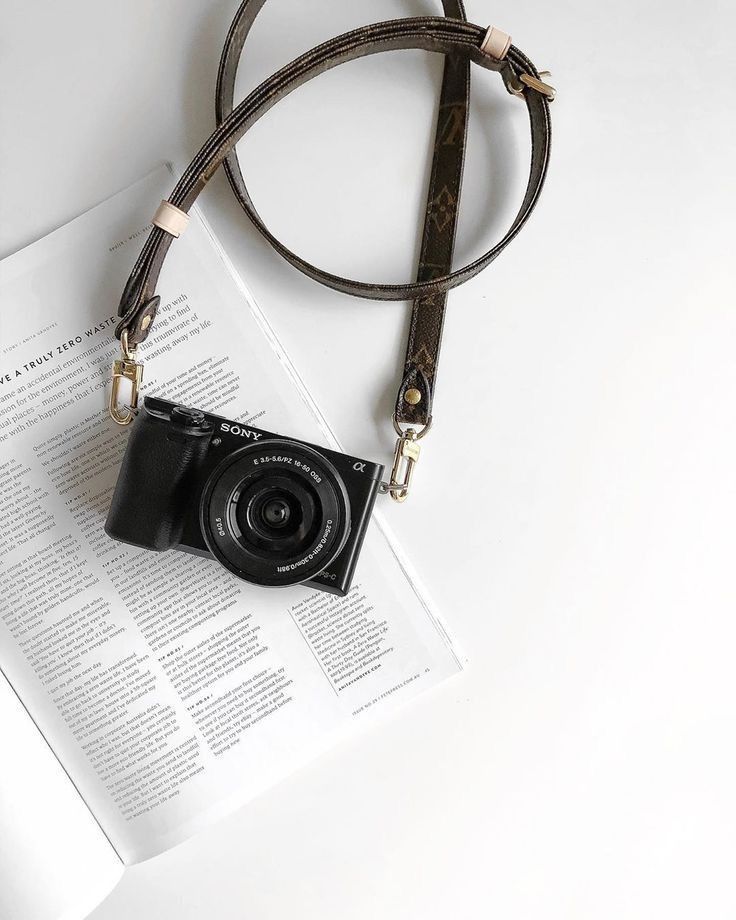
Dedicated Viewfinder
Many compact cameras feature optical or electronic viewfinders, which are invaluable in bright conditions where smartphone screens may struggle with glare.
Battery Life and Durability
Compact cameras often have superior battery life for extensive shooting sessions. Additionally, they are designed to handle outdoor use better, with robust builds and weather-sealed options in higher-end models.
Advantages of Smartphone Cameras
Portability and Readiness
Smartphones are always in your pocket, making them ideal for capturing spontaneous moments without the need to carry additional gear.
Computational Photography
Advanced AI-powered features like night mode, HDR, and portrait effects allow smartphones to produce impressive results in challenging situations, even with smaller sensors.
Seamless Sharing and Editing
With built-in apps for editing and instant sharing on social media, smartphones make it easy to turn your photos into finished products on the go.
Integrated Ecosystem
Smartphones combine photography with other utilities like geotagging, live streaming, and augmented reality applications, making them versatile tools for everyday use.
Who Should Choose What?
Choose a Fixed-Lens Compact Camera If…
You value image quality, enjoy manual control over your photography, and frequently shoot in conditions where smartphones fall short, but do not want to invest in professional grade cameras or inter-changeable lens system.
Stick to a Smartphone If…
You prioritize convenience, portability, quick sharing and being discreet. For most casual users and social media enthusiasts, a high-end smartphone camera is often more than enough.
Go for inter-changeable lens system If…
You want to experiment with different lenses, learn photography as a skill, and potentially take it to a professional level once you’re comfortable with the system.
The Better Choice? My Honest Perspective
As a family man who loves photography, I’ve learned the hard way that capturing moments shouldn’t come at the cost of living them. On trips with my wife and twin toddlers, I’ve sometimes faced small but meaningful disagreements when my camera distracted me from spending quality time with them. Now, I often leave my professional camera at home and rely on my smartphone instead. It’s light, always ready, and lets me take great photos without missing out on the laughter, conversations, and connections that truly make those moments special. Sometimes, the best memories are made when the focus is on the people, not the gear.
An iPhone 15 Pro has become my trusted companion, always ready to capture those fleeting moments of beauty and light that cross my path. It satisfies my creative itch on the go, without disturbing the sanctity of the moment or drawing attention. They’re also great for dodging pesky security guards who often overlook phone cameras but take issue with anything that looks like a traditional camera.
While my phone camera keeps my social media vibrant, its image quality falls just short of my ideal—particularly when envisioning these photos as large, frame-worthy prints or contenders in a photography competition.
Deep down, I know that no matter how advanced and convenient smartphone cameras may become, they still face limits imposed by their tiny lenses and sensors. If budget weren’t a concern, I would undoubtedly also invest in a fixed-lens camera that is truly pocketable. Beyond its portability, it would provide a superior lens compared to what my iPhone can accommodate within its tiny body, along with a larger sensor to deliver outstanding results, even in low light. I’ve never been a fan of the artificial background blur created by smartphone portrait modes—it feels forced and lacks the natural depth I crave. More importantly, I don’t want my photography to remain confined to social media sharing alone. I want to create images worthy of large, high-resolution prints, not just as pixels on a screen.


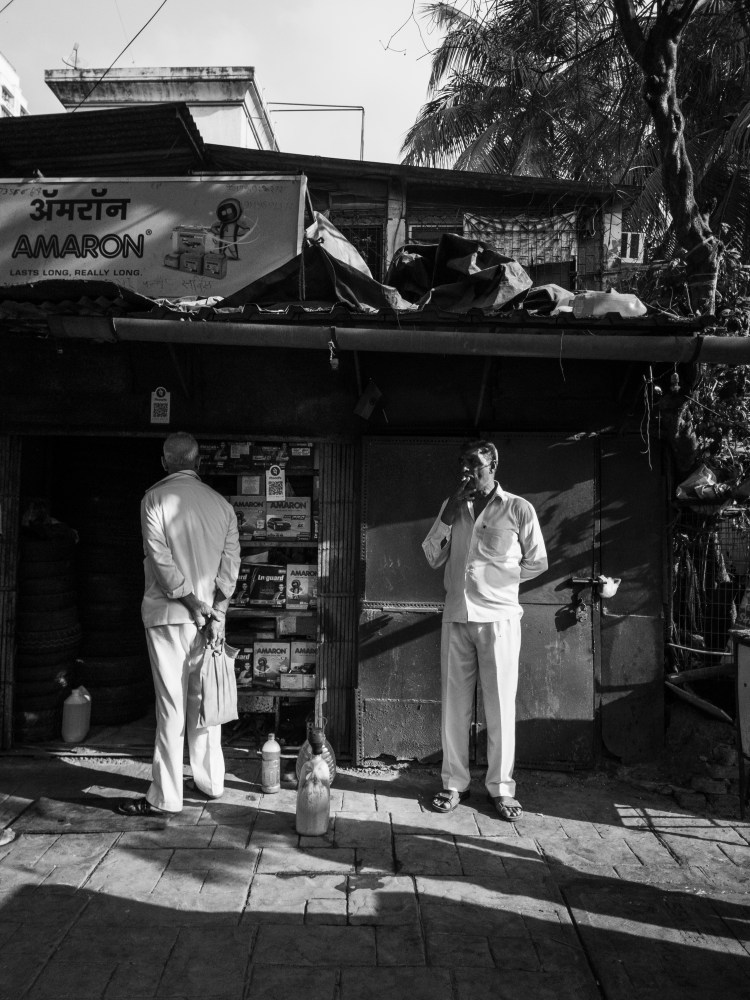





All images above shot on iPhone 15 Pro
Another Perspective – Robin Hunter
The relevance of compact cameras depends on the type you’re considering. High-end models like the Fujifilm X100 series or the Leica Q line, with their larger sensors and exceptional lenses, still outperform smartphones significantly in terms of image quality and creative control. However, basic compacts, like the IXUS or similar budget options, have largely been outclassed by modern smartphones, which are often vastly superior in convenience and image processing.
Bridge cameras with massive optical zooms also hold their ground, offering performance unmatched by smartphones in scenarios where zoom range is critical. As someone who uses an X100 and an iPhone side by side daily, I see the strengths and weaknesses of both. The X100 stands out for its lens rendering, tactile feel, and sheer joy of use, while the iPhone excels in speed, versatility, and low-light video capabilities.
Importing RAW files from both into Lightroom and processing them side by side is a fascinating experience, as the differences often fade in the final result. Ultimately, for most viewers, the output is what matters, and few can distinguish between a well-processed smartphone image and one from a high-end compact camera.
Robin Hunter is on Instagram and Threads as @blackpearl






All images above shot on Panasonic Lumix TZ10 (fixed-lens point-and-shoot camera)


My Early Experiences with Fixed-lens Compact Cameras
My photography journey began in 2010 with a fixed-lens compact camera, a time when smartphones with cameras were barely a concept. That little device became my constant companion, slipping easily into my pocket and allowing me to capture moments discreetly, whether I was wandering through bustling city streets or exploring serene landscapes. What I loved most was its simplicity—no lens decisions, no overwhelming technicalities—just a pure focus on the art of composition. It taught me to frame my shots thoughtfully, experiment with perspectives, and find beauty in the everyday. The camera’s affordability and impressive image quality meant I could immerse myself in photography without worrying about upgrades or additional investments. Looking back, I realize how foundational that experience was, laying the groundwork for my skills and passion as a photographer today.
Why I moved to Interchangeable-lens Cameras?
As I grew more confident in composition, I began to feel the limitations of my fixed-lens compact camera. I craved more control over the image-making process—adjusting shutter speed, aperture, and ISO to shape my shots precisely—and the versatility of specialized lenses. The fixed lens, while capable, couldn’t deliver the shallow depth of field for portraits or the reach needed for distant subjects, leaving me wanting more creative freedom.
Switching to an interchangeable-lens camera opened new possibilities. Manual controls gave me full command over my photography, and different lenses allowed me to explore everything from macro details to sweeping landscapes. It was no longer just about capturing a scene—it was about crafting it. This transition marked a turning point, combining technical mastery with creative expression to take my work to the next level.
Trips I did Solely with a Phone Camera




Most Popular Fixed Lens Compact Cameras
*Products listed are only those currently available in India
Interchangeable-Lens Compact Cameras to consider (under INR 70,000):
- Sony Alpha ILCE-6400
- Nikon Z30
- Fujifilm X-M5
We’d love to hear from you! Share your experiences with compact cameras or smartphones in the comments below, or feel free to ask any questions about choosing the right gear for your needs.
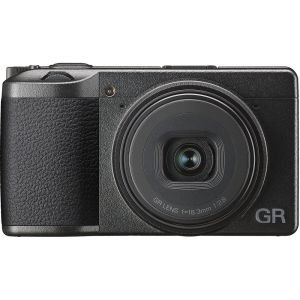
- Lens: 28mm f/2.8
- Sensor: APS-C
- Image stabilization: Yes (3-axis sensor shift)
- Autofocus: Fast (phase-detection + contrast-detection)
- Weight: 257 grams
- Pros: 2GB internal storage, popular for street photography
- Cons: No viewfinder, short battery life, no weather sealing, no built-in flash, no optical zoom, fixed LCD screen
- Price: INR 89,995 (Amazon India)
Read Review
Note: The latest version is Ricoh GRIII X
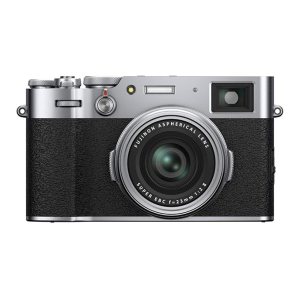
- Lens: Fujinon 35mm f/2.0
- Sensor: APS-C
- Viewfinder: Yes (OVF + EVF)
- Weather Sealing: Yes
- Weight: 478 gram
- Pros: Color science, built-in 4 stops ND Filter, tilting touchscreen LCD panel
- Cons: No optical zoom, lack of image stabilization, less competitive auto-focus, costs more than a full-frame camera
Full specs here
Read Review
Note: The latest version is Fujifilm X100VI which costs INR 179,999
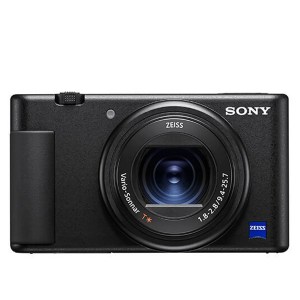
- Lens: Zeiss 24-70mm f/1.8-2.8
- Sensor: 1 inch
- Auto-focus: Impressive
- Weight: 294 grams
- Pros: Best for vlogging, comes with a mic-wind shield, 4K/30p, 1080p/120p and high-speed modes up to 960fps
- Cons: Poor image stabilization, no viewfinder, no in-built flash, no headphone jack
- Price: INR 67,990 (Sony India website)
Full Specs here
Read Review
Note: The latest version is Sony ZV1-II
Discover more from Vivek Verma
Subscribe to get the latest posts sent to your email.
 Vivek Verma