
Meet the incredibly talented Cyprus-based photographer whose black-and-white street photography will stop you in your tracks! With numerous awards under her belt, she’s exhibited her work at iconic venues like the European Parliament and Somerset House, London. Her captivating shots have graced galleries in Cyprus, Belgium, the UK, Austria, and Germany, and her name is a regular in top photography magazines and forums. Starting her creative journey in Interior Design and architecture, she later found her true passion behind the lens. She’s just wrapped up her e-book Masterful Shots and continues to explore Archaeology and History in her academic pursuits. Armed with just a 50mm fixed lens, she has an unmatched talent for capturing human stories that forge an emotional bond between subject and viewer. Get ready to dive into her world—this interview is full of inspiring insights!
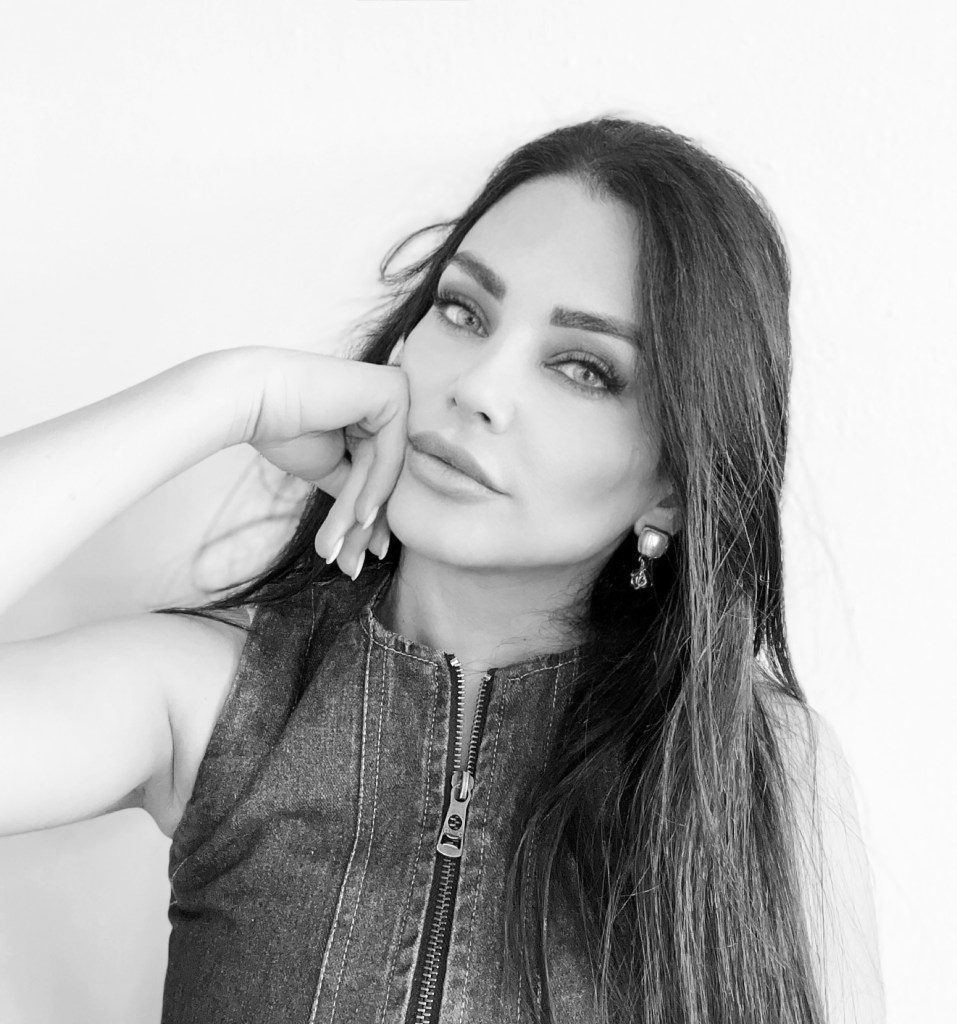
Your journey began with Interior Design and the history of architecture before shifting focus to photography. How do you think your background in these fields has influenced your approach to capturing street photography and other genres?
As I’ve learned about interior design and architecture, it has really influenced how I take pictures, especially when I’m doing street photography. I’ve learned to not only appreciate how buildings and spaces look, but also how they work with people and the light around them. This helps me capture moments where people are interacting with their surroundings and tell a story through the buildings and streets.
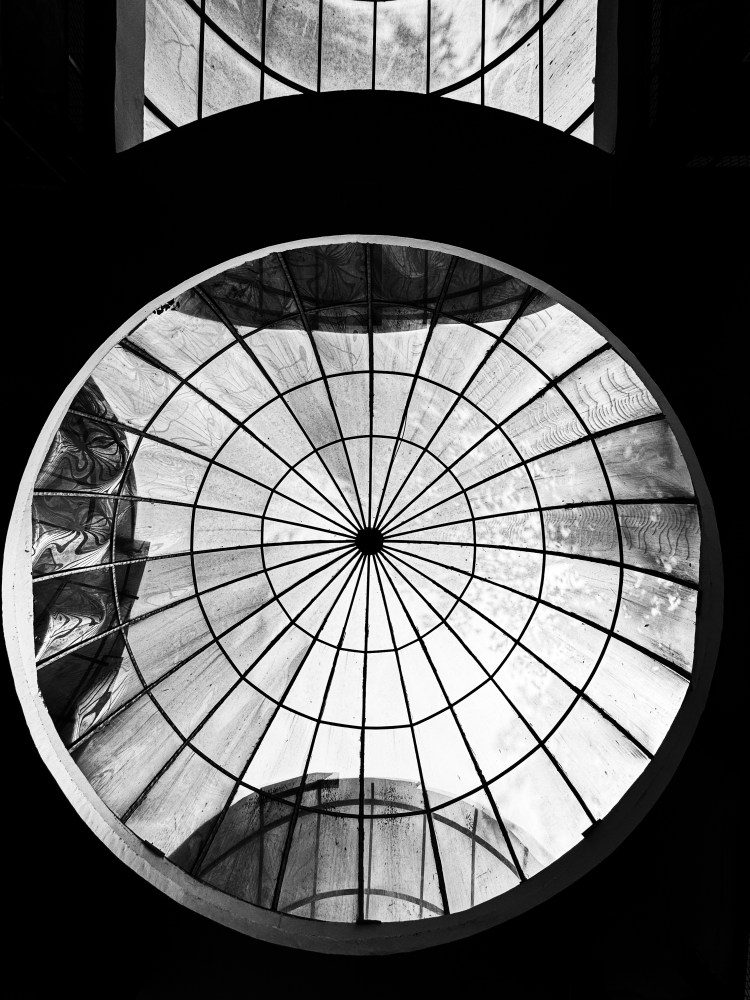
Because of my background in design and architecture, I pay attention to small details and how things are arranged in my photos. I love finding patterns and symmetry in cities, playing with light and shadows, and showing off the textures of buildings. All of these things help make my pictures more interesting and give them more meaning. It’s like setting up a room in a house to make sure everything flows and looks good.
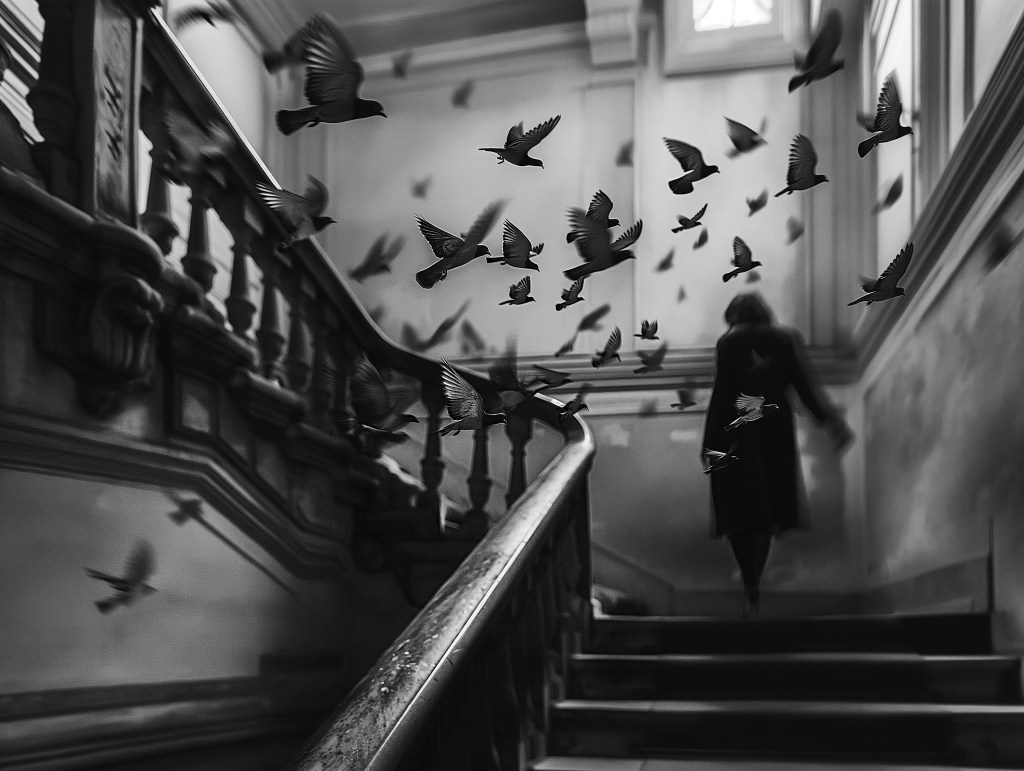
You’ve won reputed photography awards over the years. Could you share a few that are particularly closer to your heart and why they hold such significance in your artistic journey?
I’ve had the opportunity to earn some great photography awards through hard work and dedication, but what really matters to me are the awesome experiences I’ve had on my artistic journey. One time that really stands out is when I got to take pictures at the Brussels and Strasbourg parliaments.
During that trip, I met some other photographers and we decided to team up and work together. It was so cool to collaborate with people who shared my passion for photography. We learned so much from each other and it really helped me see things from different perspectives. Working together showed me how powerful creativity can be when we all put our heads together.
Sure, winning awards is great, but what I really treasure are the friendships I’ve made and how much I’ve grown as a photographer. Those are the things that make my journey so special.
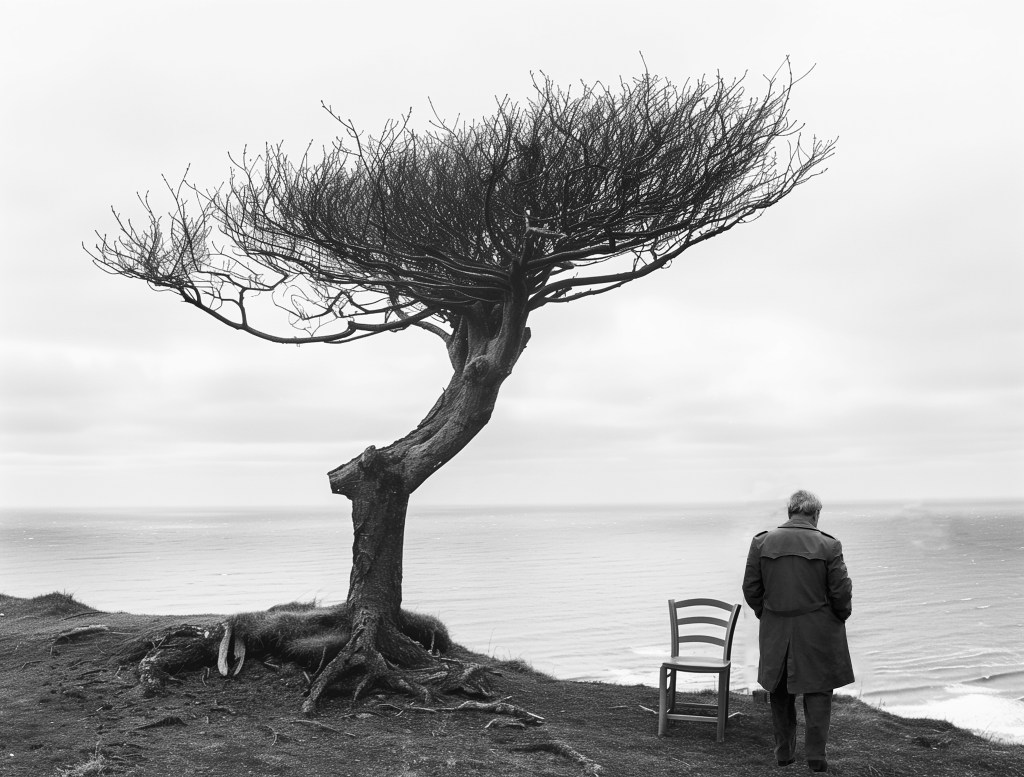
Your work has been exhibited at reputed forums to the likes of the European Parliament, Somerset House, not only in your home country, Cyprus but also Belgium, UK, Austria and Germany. Could you share a memorable moment from any of these exhibitions which is very special to you?
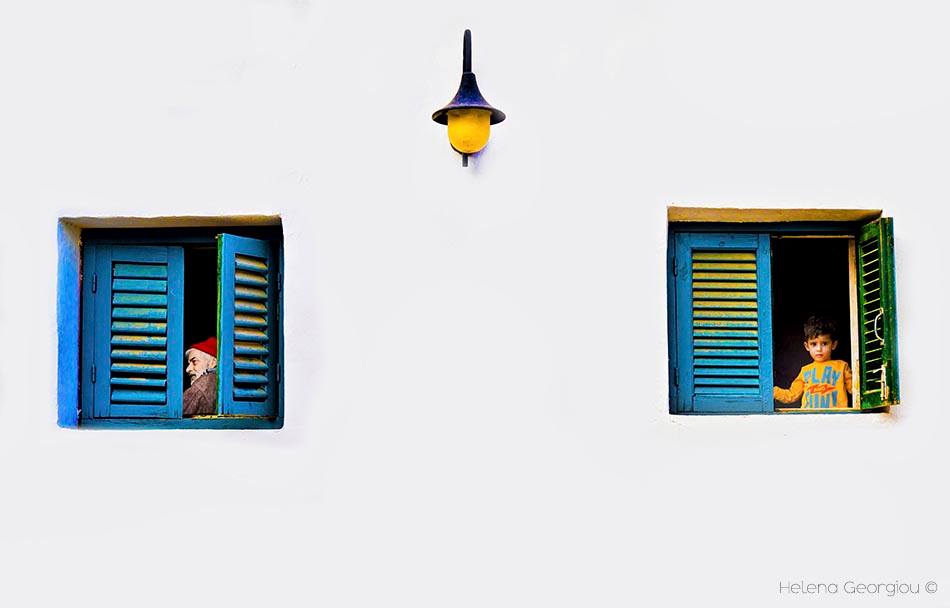
At one of my exhibitions at the European Parliament, the winning with the two windows captured many viewers’ attention. This image, featuring an elderly man and a young boy in adjacent windows, symbolizes the bridging of generations within the cultural context of Cyprus. During the exhibition, I was approached by a visitor who was deeply touched by the juxtaposition in the photograph. He shared stories of his own childhood and his relationship with his grandparents, reflecting on how traditions and family values transcend time. This interaction was particularly poignant for me because it reinforced the power of visual art to connect personal memories with universal themes. It was not only a confirmation of my work’s impact but also a profoundly humbling experience to see how my art could resonate so personally and deeply with someone else.
Are there any specific publications where your work has appeared that you’re especially proud of?
I’ve had the privilege of seeing my work featured in a variety of publications, each with its own unique audience and perspective. I am deeply grateful for all these opportunities, as each publication has contributed significantly to my professional journey and growth as an artist. It’s always a special moment to see my photographs in print or online, knowing that they reach and hopefully resonate with diverse audiences. Every feature is a milestone that not only enhances my visibility but also affirms my commitment to sharing meaningful stories through my lens. I cherish these collaborations, as they are not just achievements but also stepping stones that encourage me to push my creative boundaries further.
This version maintains a tone of gratitude and professionalism, focusing on the collective value of all publication opportunities without singling out any specific one.
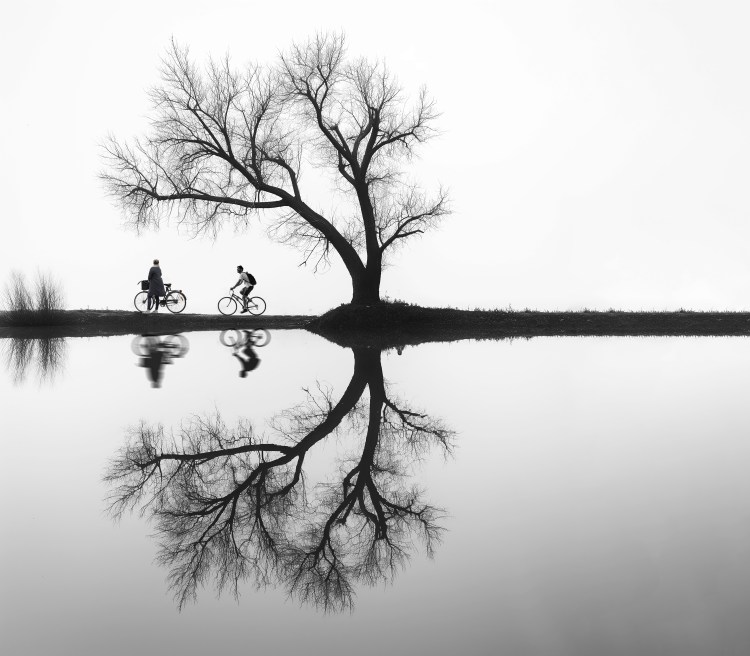
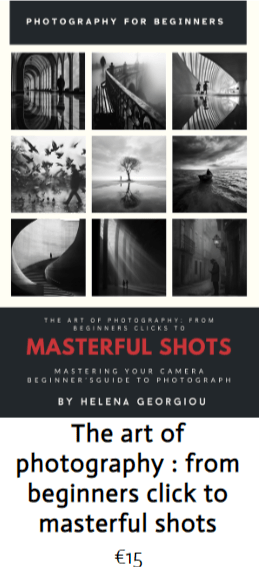
You’ve recently completed your e-book titled “Masterful Shots“. Could you tell us about the inspiration behind it, and what you hope readers take away from it? Is the print version of the book on the cards soon?
I’m excited about my e-book, ‘Masterful Shots’! It emerged from my deep passion for photography and my desire to share the skills I’ve honed over many years. The book is designed to inspire photographers at all levels to explore new techniques and perspectives to enhance their work. It covers a range of topics from mastering camera settings and composition to understanding lighting and post-processing. My goal is for readers to feel equipped and inspired to elevate their photography. Whether you’re just starting out or you’re an experienced photographer, there’s something valuable for everyone. Regarding a print version, it’s something I’m actively considering based on growing interest, and I hope to offer it soon.
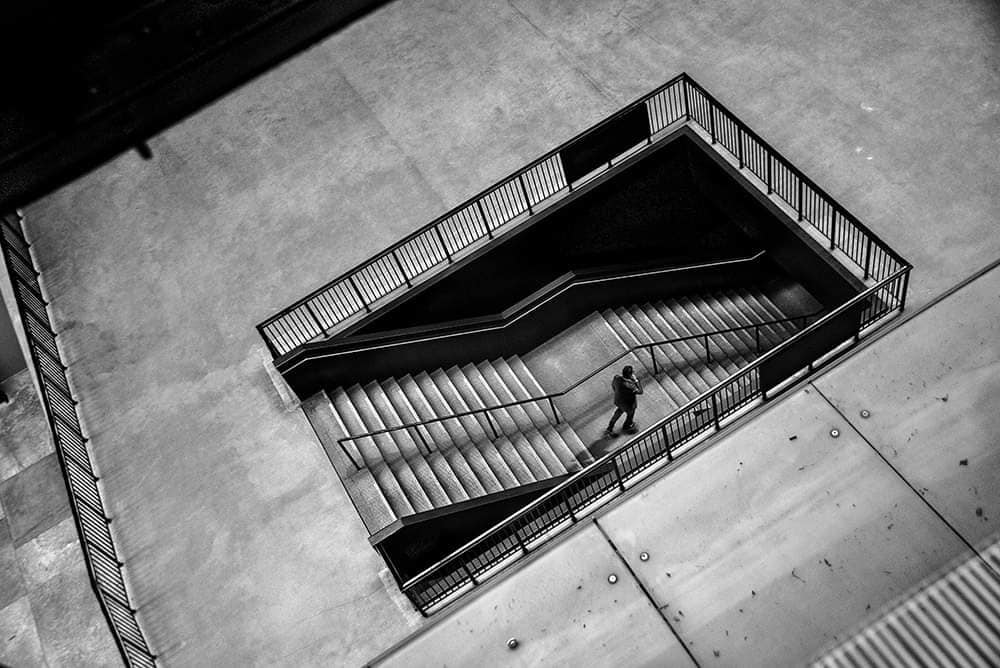
As someone who has broadened your academic scope to include
Archaeology and History, how do you think your evolving academic interests are shaping your current and future photography projects?
Studying archaeology and history has deeply influenced my photography, guiding me to focus more on historical sites and cultural heritage. These fields have enriched my ability to capture images that are not only visually compelling but also steeped in narrative. Looking forward, I aim to further combine these interests, documenting and preserving historical legacies through my photography.

Your photographs have a distinct ability to evoke deep connections between the subject and the viewer. How do you create that emotional depth through your use of light, shadow, and texture? Is it something you plan, or is it more instinctive
To evoke emotion, in my photography work requires a mix of proficiency and intuitive responses to the surroundings. I make use of light and shade along with texture as elements to express feelings and atmosphere in my images. I carefully strategize my photo sessions to capture the interaction, between light and shade that can significantly transform the impact of a photograph. Additionally the inclusion of texture provides a quality that draws viewers into the depicted scene.
A lot of my process is based on intuition, as planning ahead and being open to unexpected moments that can add depth to a photo through lighting changes or sudden expressions that tell a deeper story and evoke emotions, in the viewer.
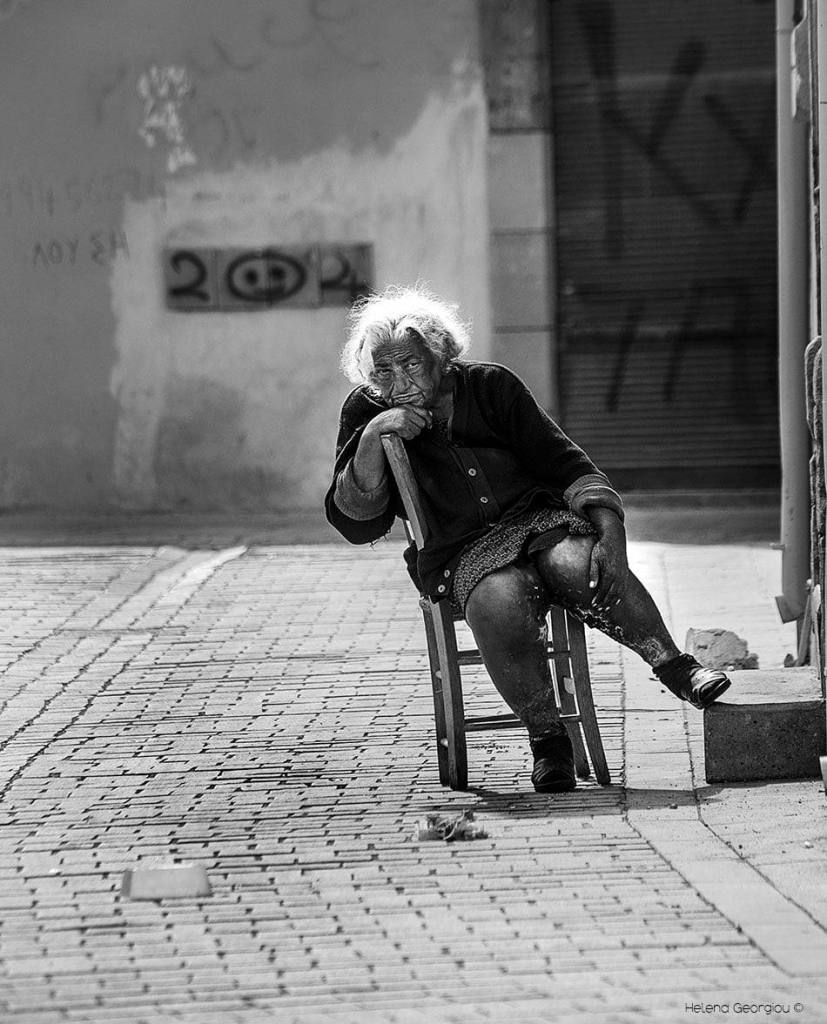
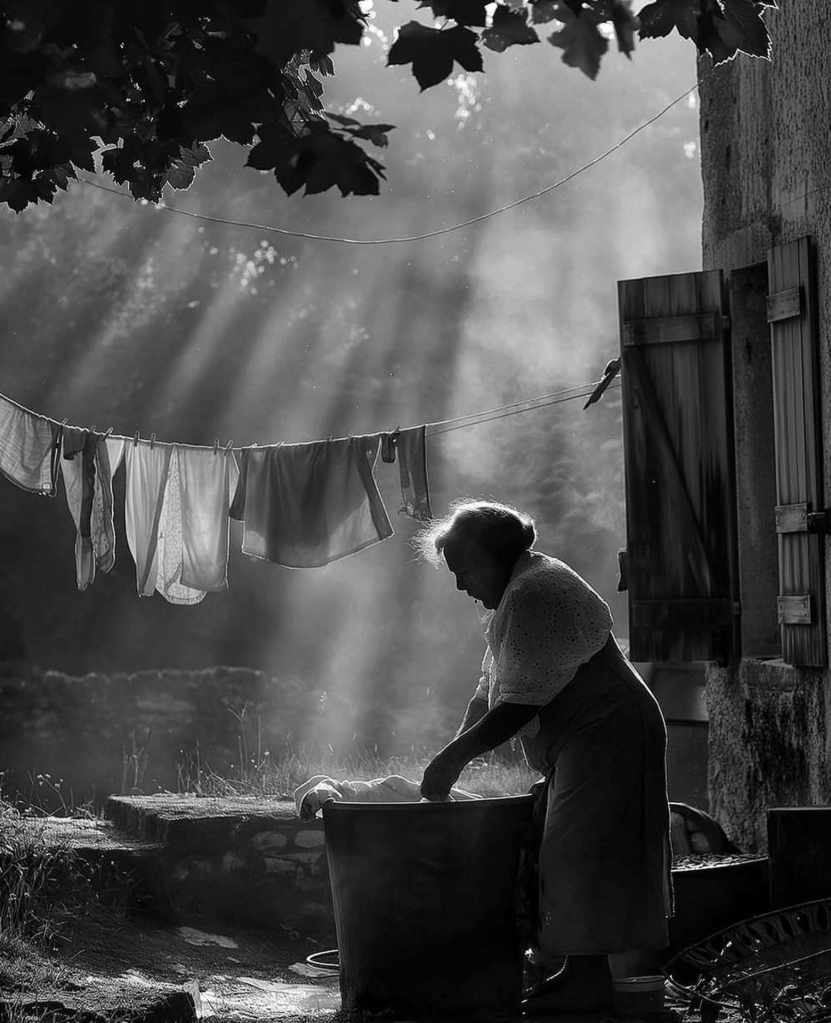
Street photography can often involve capturing fleeting, spontaneous moments. How do you stay prepared to capture those raw, candid scenes while maintaining your signature aesthetic style?
Conversely, in street photography, the challenge lies in balancing preparation with the ability to think on one’s feet. I always keep my camera set to my usual configuration, which is optimal for the types of shots I take—typically a fast shutter speed and a set ISO appropriate for the lighting conditions. This setup allows me to quickly capture moments while still retaining the highest quality, even in grainy images.
When I anticipate interacting with people, I spend considerable time assessing the environment and the individuals within it, which informs the types of photos I aim to capture. My approach to portraiture is marked by a consistent focus on elements like framing, lighting, and compositional structure. Even amidst the chaotic scenarios often encountered in street photography, these components continue to guide my decision-making, ensuring that all spontaneous pictures I take seamlessly integrate into the series.
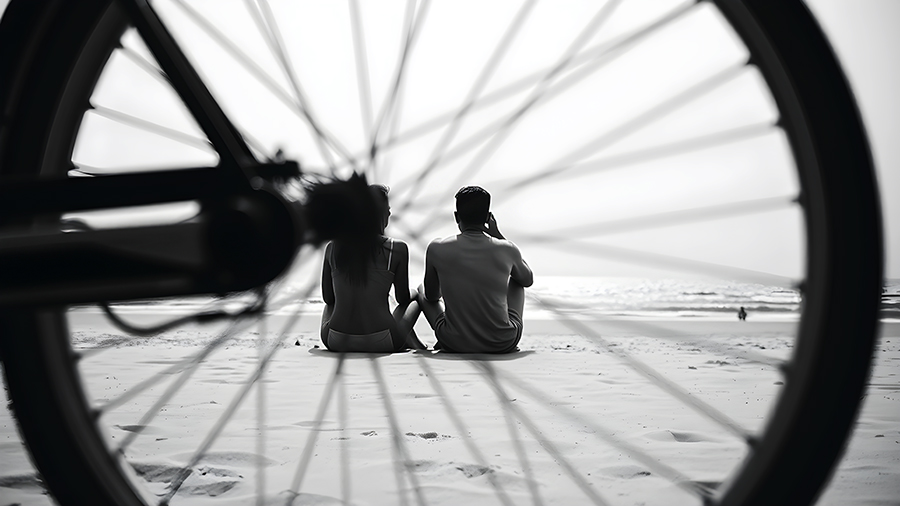
If you could photograph people and streets of any city in the world that you haven’t yet visited, which one would it be and why? What type of street scenes or landscapes would you be most excited to capture there?
Given the opportunity to take images of the one city I have yet to visit, it would definitely be Istanbul or Constantinople as it was known in the past. It is these meandering threads of connected globes that I find amazing in this particular city: the East embracing the West, beautiful, old architecture being interspersed with vibratory new age. The numerous empires herded in and out of this city, its gorgeous sites – the lively Grand Bazaar, the awe inspiring Hagia Sophia – makes the history of Istanbul a perpetual wonder for any photographer.
This is particularly important for me as I will most likely photograph those colonizing the historical places intertwining the old with the new. From fishermen seated along the Galata Bridge to the tea gardens within Sultanahmet the encounters along the streets tell a lot about the city. It would be an exciting adventure to try and shoot the pictures of Istanbul which though unique in its essence has much of the ordinary culture overriding it, the streets of its unusual culture being as lively as the typical city streets.
What is your minimalistic go-to set of gears for street photography, and what is your favourite lens?
For minimalist street photography, I like to keep my equipment simple and efficient. I usually use just one camera with a 50mm fixed lens. This setup is light and flexible, letting me move fast and blend in without attracting too much notice.
The 50mm lens is my go-to because it gives a good mix of wide and zoomed views, similar to how we naturally see things. This makes it great for catching spontaneous moments with enough detail and context, but without changing the scene too much. It works well for everything from close-up portraits to lively street scenes, helping me tell the story and show the mood of the place. This small camera and 50mm lens setup keeps my street photography style clear and natural.
As a photographer with such a rich background, is there a project or concept you’ve always wanted to explore but haven’t yet had the chance to?
Without a doubt, I am especially eager to undertake a project that involves the documentation of the lives of people living in distant regions of Greece. Such areas would include the Mani Peninsula and the Crete with emphasis on the modern retention of ancient cultures by the rather marginalized communities. This series would document the cultural persistence of the people in these places through images presenting their beauty and the endurance of these exceptional places.
Please share a few tips for our readers to take their photography to the next level. It could be something you learnt after many years of practice, learnings and experimentation.
Follow the Rule of Thirds: Picture your shot split into nine equal boxes. Put your subject where the lines meet to create a more interesting layout that catches the eye.
Experiment with Focus: Change your aperture to control what’s sharp in your picture. Open it wide to blur the background and highlight your subject, or keep it narrow to make everything clear from front to back.
Seek Out the Golden Hour: The soft light right after dawn or before dusk covers everything in a warm glow perfect for stunning photos.
Try Different Angles: Mix things up by changing how you look at your scene. Get low to the ground or find a high spot to capture your subject in a way that grabs attention and surprises.
Design Your Shot: Think about how you arrange things in your frame. Use lines to lead the viewer’s eye or balance bright and dark areas to add depth to your image.
Touch Up with Care: Editing after the shoot can improve your photos. Tweak things like brightness and color to make the image better without losing its real feel.
Looking for more inspiration?
Read them all here.
Discover more from Vivek Verma
Subscribe to get the latest posts sent to your email.
 Vivek Verma