
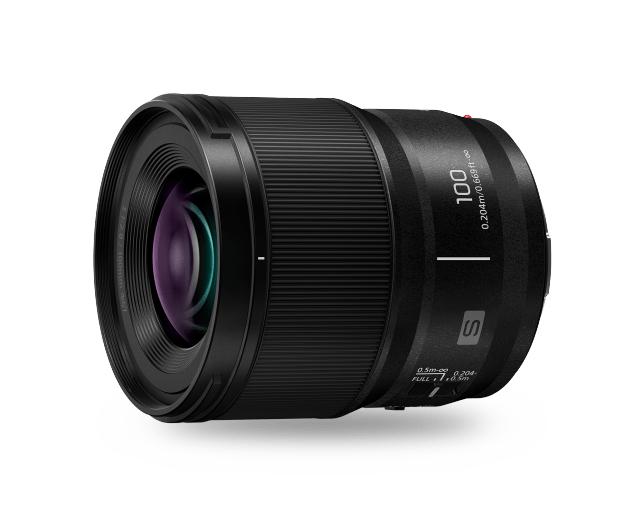
This newly launched Panasonic Lumix 100mm f/2.8 Macro Lens is one of the lightest macro prime lenses that offers exceptional optical performance and versatility of use. Designed for L-mount mirrorless cameras from Panasonic Lumix, Leica and Sigma, this lens is capable of not only macro photography and portraits, but also much more across several genres of photography. Let’s find out how.
In this review, I’ll delve into real-world usability of this lens to decide its strengths and limitations, along with the technical specifications, build quality and optical performance. Most importantly, I am going to share sample images* captured through this lens across different genres of photography to help you decide why you should consider this lens.
*All images are shot with Panasonic Lumix S1 with very minimal adjustments and cropping to ensure proper exposure and composition.
However, before I begin my review of this lens, let’s first understand, why you may need this lens at the first place.
Real World Usability
Macro and Texture Photography
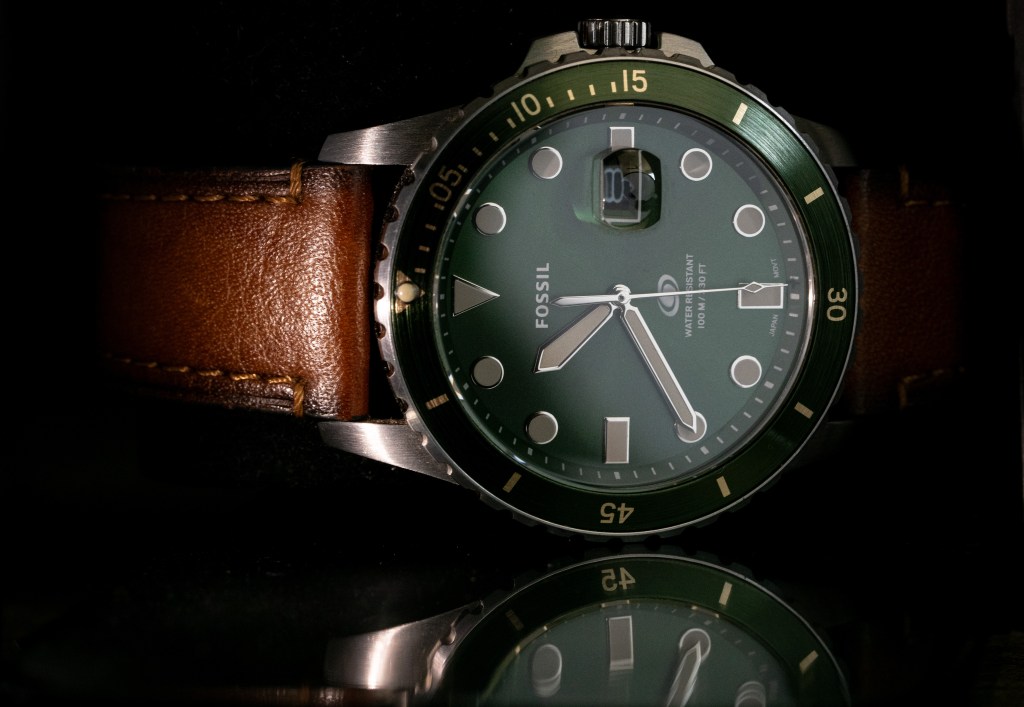
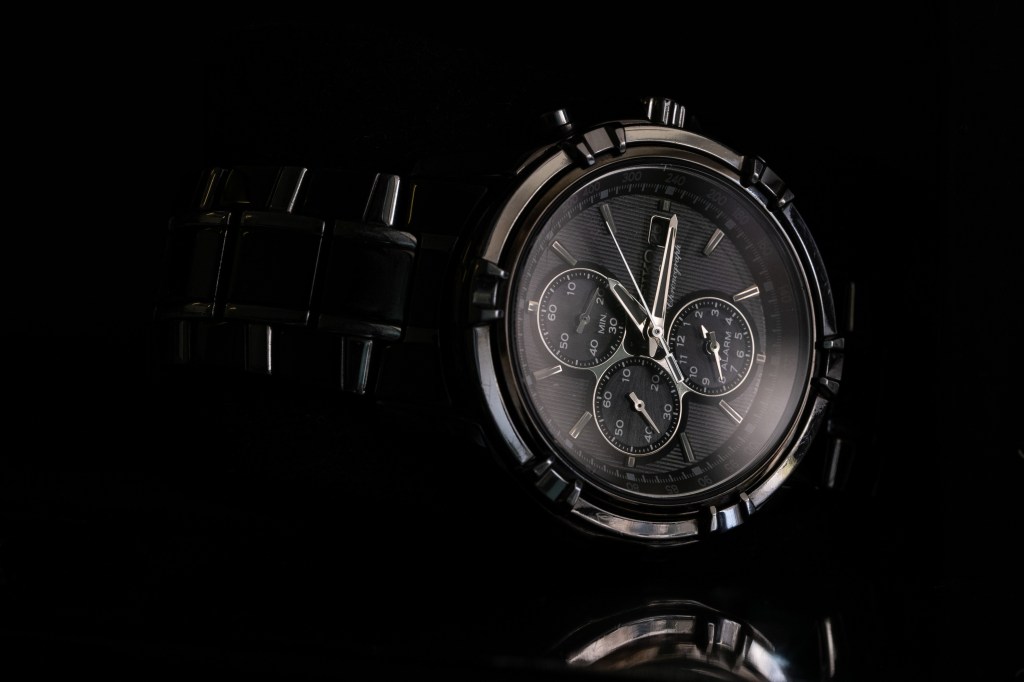
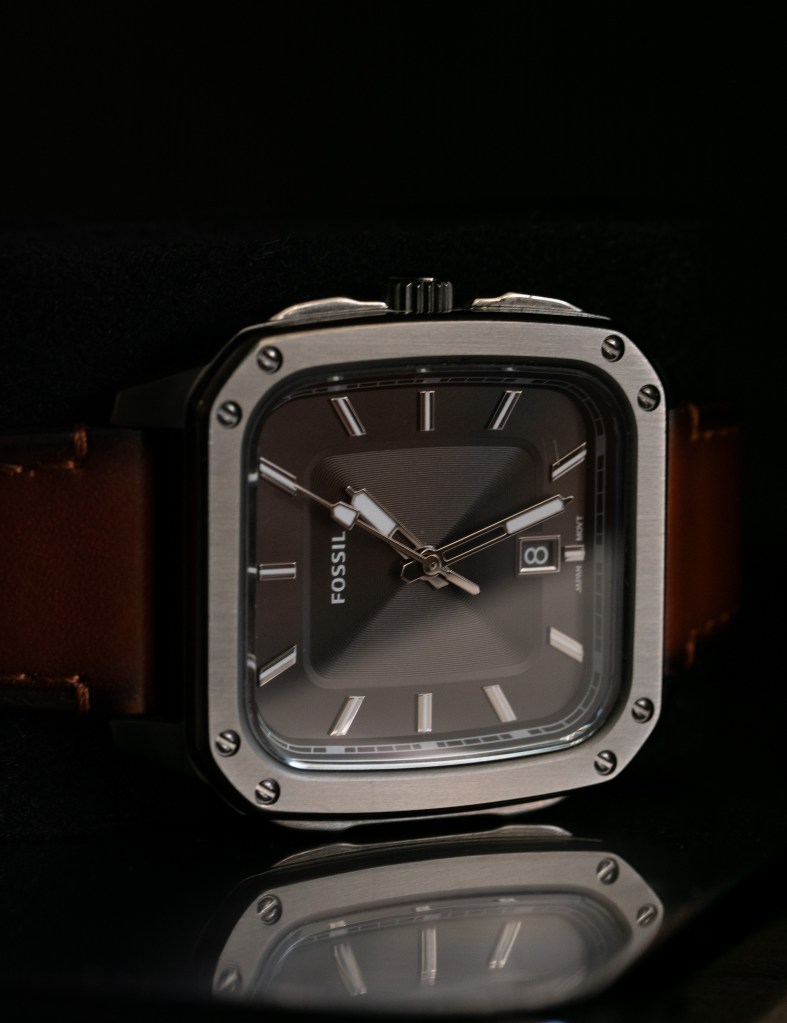
If you are a photographer who has an eye for small details, then you are going to find this lens extremely helpful to capture those close-up shots. These detailed shots are particularly useful in product photography (e.g., jewelries, watches), food photography, nature photography (e.g., flowers, leaves, insects) and texture* photography (street objects, fabrics). The magnification ratio of this lens is 1:1, which means the ratio of the subject size on the sensor plane will be the same as the real life size of your subject. The advantage of 1:1 magnification ratio is the ability to significantly amplify and enrich real-life intricacies when printing.
Macro Photography Tip: For macro shots, I will advise using narrow aperture, use of flash (if available) and necessary cropping during post-production for greater details. When we get really close to a subject, the depth of field becomes so shallow that using an aperture like F2.8 may not give you excellent sharpness across the entire subject. Therefore, I suggest using an aperture of F4.5 and above so that your depth of field is long enough to cover the entire subject.
*More about texture here and here.







Portraiture
Further, this lens can be used to capture flattering portraits, particularly if you love dreamy bokeh and smooth background diffusion. Given its focal length, you are going to get more background diffusion than a 85mm focal length lens. In addition, if you are capturing a new born baby or an old person, you can get their skin texture much more pronounced than any other portrait lens without macro capability.






Wedding Photography
While it may sound unconventional, you can definitely use this lens for capturing engagement rings, texture and intricate designs of bridal outfits and accessories, buttery smooth portraits of the couple making them stand out among rest of the crowd. If you do candid, the longer focal length of 100mm still allows you to maintain a comfortable working distance from your subject, minimizing the risk of disturbing the moment and avoiding unwanted attention that a bulky 70-200mm lens may grab. So, if you are tired of carrying a an extra heavy 70-200mm F2.8 lens all day, for your candid shots (I have been there with regular back pains), this is not a bad deal at all. You get a 298 gram super light lens (against >1.3 kg lens) at less than half of a price of that lens with macro capabilities. Plus, using a prime lens, instead of a zoom lens, not only gives you better optical performance but also pushes you to expand your creative horizon with the constraints of a fixed focal length.





FEATURES
Build Quality and Design
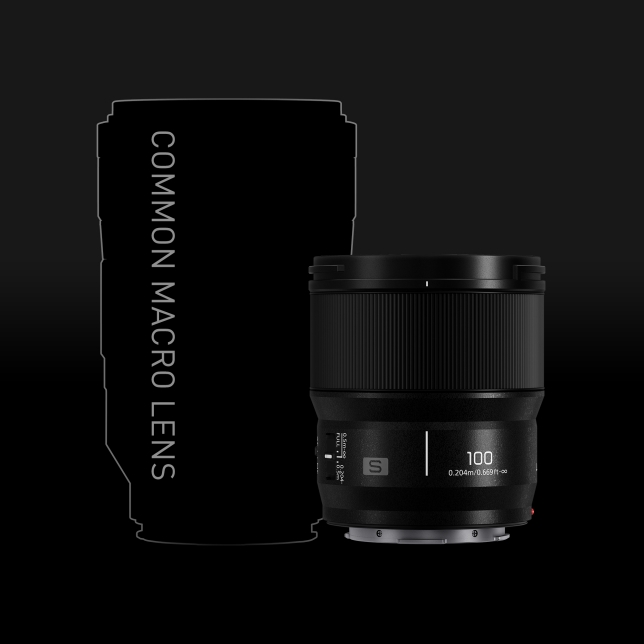
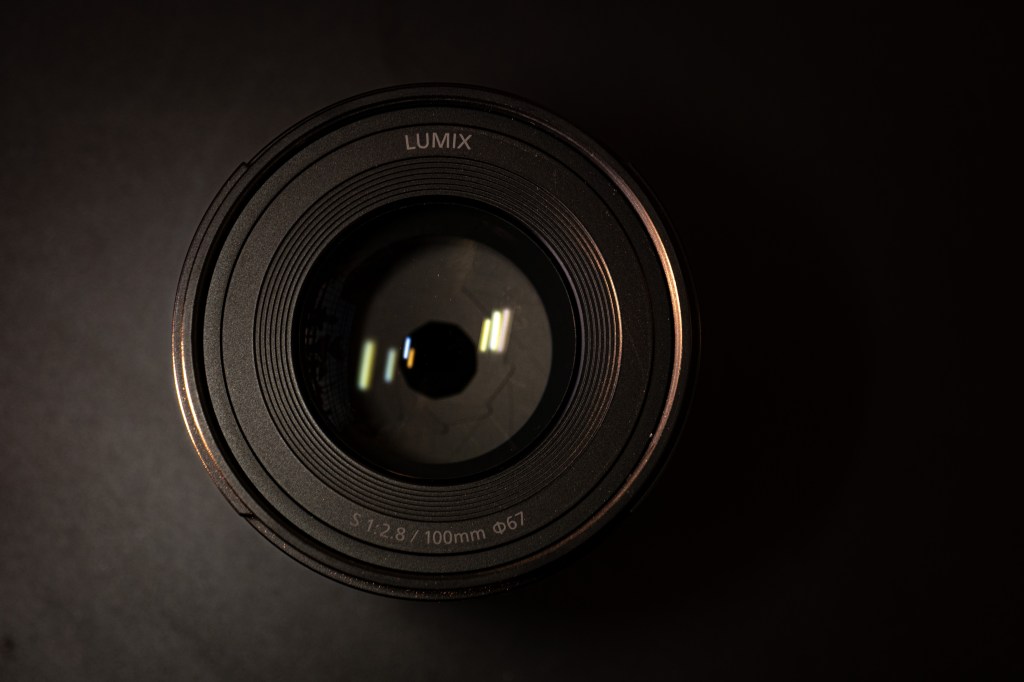
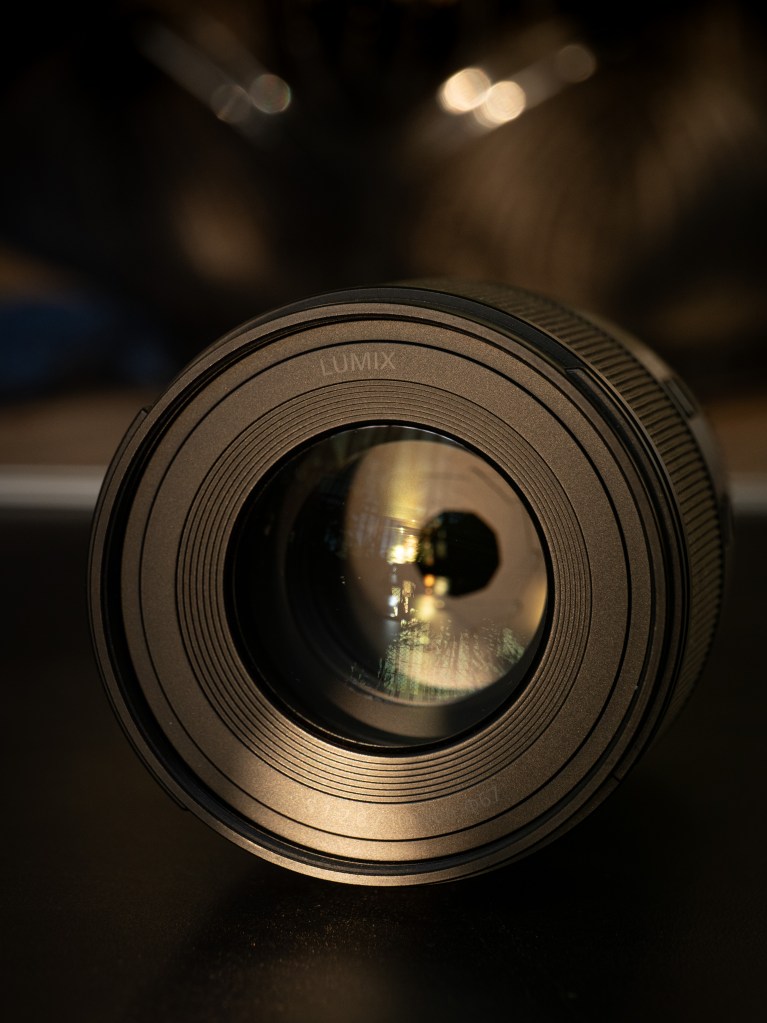
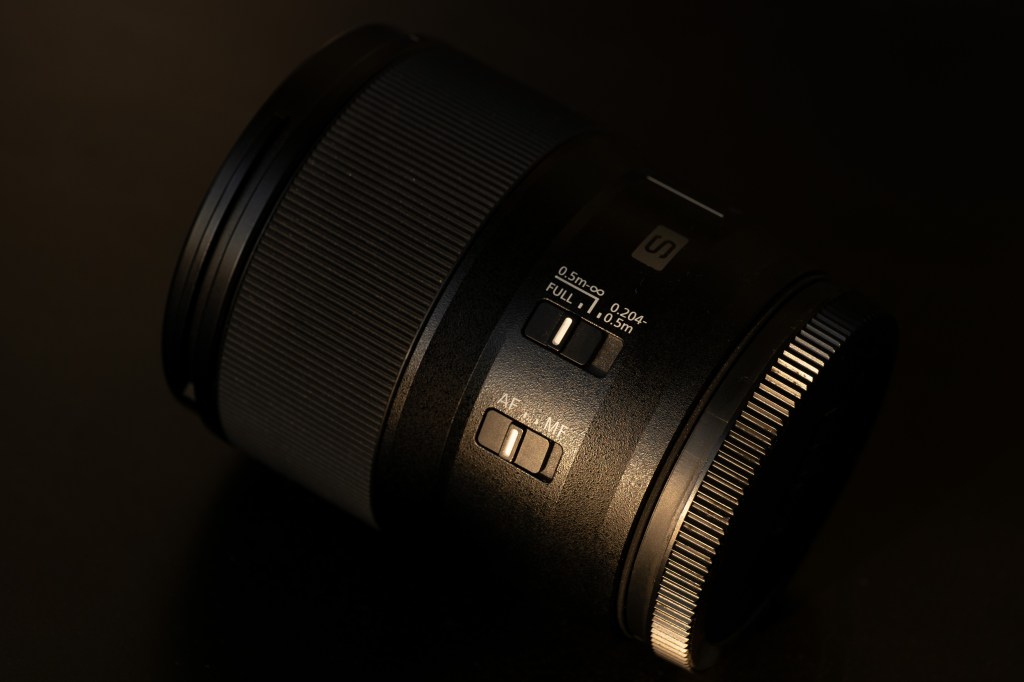
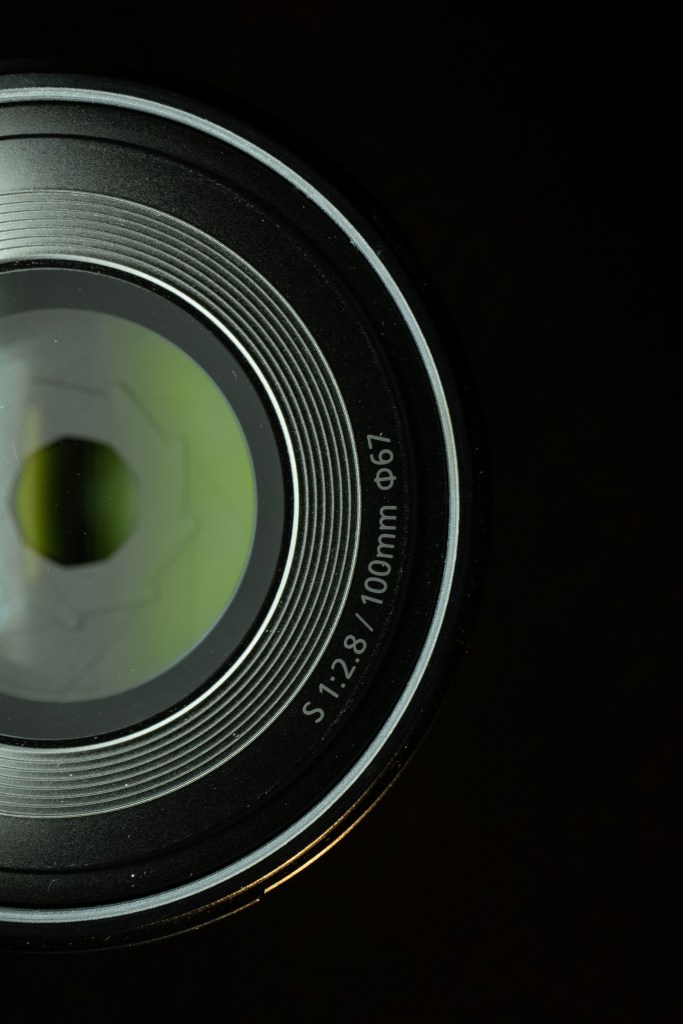
The Panasonic Lumix 100mm f/2.8 Macro Lens boasts a robust construction with not only dust and splash resistant body, but also freeze resistant design (up to -10°C). The size and built is same as the other L-mount prime lenses. I personally own Lumix 50mm F1.8 lens which I have accidentally dropped twice without any damage. I think, you may expect the same ruggedness here (but be careful with your equipment). Further, its lightweight (298g) and compact design, let you hold this lens steadily for capturing those fine details without hand shake. The filter size of this lens is same as the other prime lenses in L-mount series from Lumix, which means you do not need to invest in additional filters for this lens.

Optical Performance
Use of ED and UED Glasses: Optically, the Lumix 100mm f/2.8 Macro Lens delivers outstanding results with excellent sharpness, even when shooting wide open at f/2.8. Thanks to inclusion of 1 ED (Extra Low Dispersion) and 2 UED (Ultra Extra-low Dispersion)* lenses, this lens does not only effectively minimizes chromatic aberration**, but also gives sharper images with better contrast, true-to-life color and excellent light transmission.
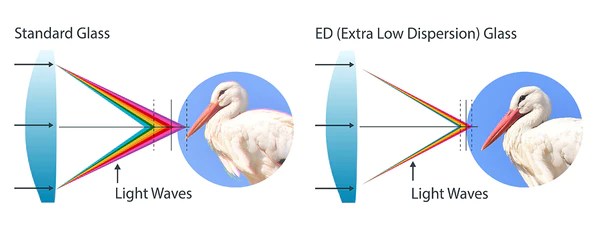
*ED and UED lenses contain rare-earth compounds that greatly reduce a visual defect we know as chromatic aberration. With lenses made of only conventional, general-purpose optical glass, the longer the focal length, or the wider the angle of view, the harder it is to correct for chromatic aberration, so the more likely it is that images will suffer from reduced contrast and color blurring. UED/ED lenses overcome this problem, by inhibiting the kind of chromatic dispersion observed in prisms. They work by effectively correcting for both axial chromatic aberration at the telephoto end and chromatic aberration of magnification at the wide-angle end. [Source here and here]
**Chromatic aberration occurs when the wavelengths for different colors of light do not converge on the same focal plane.
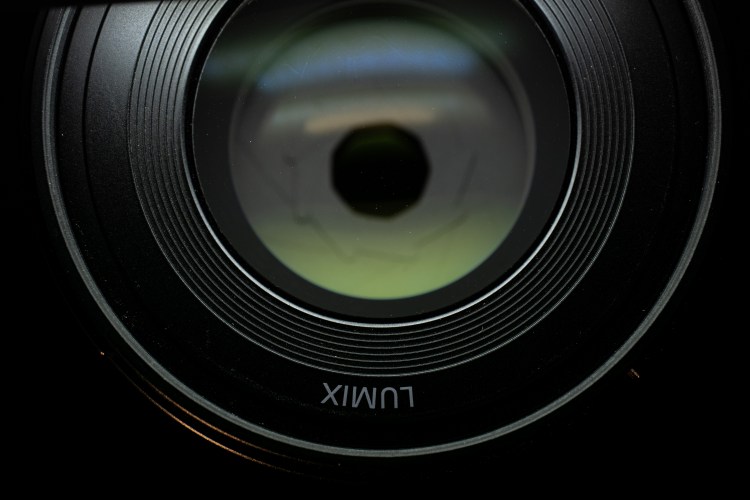
More Aperture Blades: This lens has 9 diaphragm blades of circular aperture. How does it affect the lens? When a camera lens has an odd number of blades in its aperture, it creates a stunning starburst effect with twice the number of rays as the blades in the aperture. More about aperture blades here, here and here. Further, the more the number of blades, the more circular the bokeh you get.
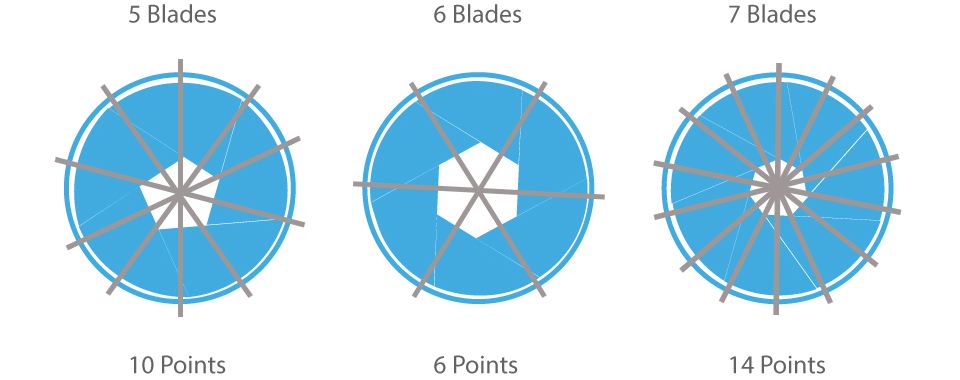
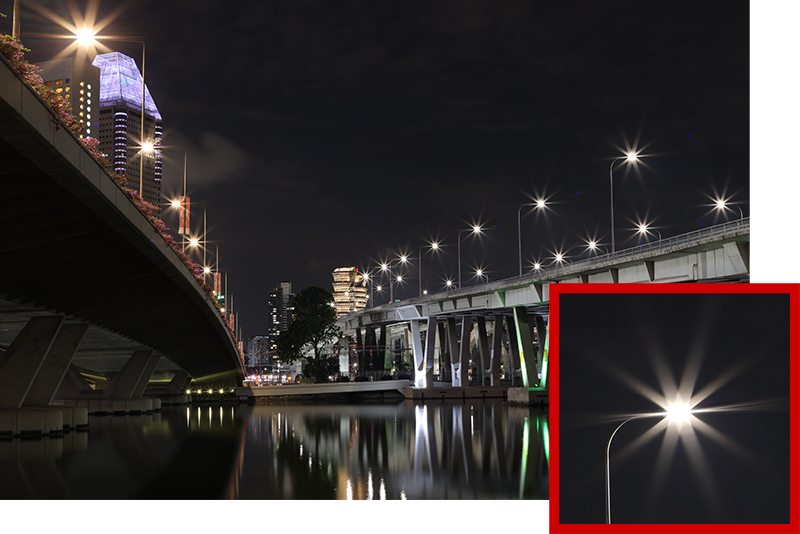
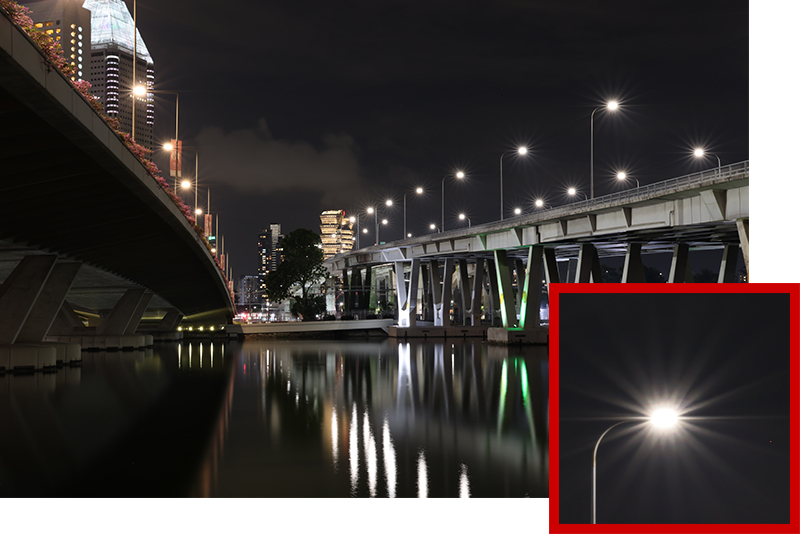
Image Courtesy here
Autofocus Performance
The lens features a high-speed autofocus system that ensures quick and accurate focusing, crucial for capturing fleeting moments in macro photography and portraiture. However, if you are focusing too close (within minimum focusing distance) on a tiniest of the area, you may see some focus breathing and should try to readjust your focusing.
Image Stabilization
While the Lumix 100mm f/2.8 Macro Lens does not incorporate optical image stabilization, its relatively long focal length minimizes the effects of camera shake, especially when shooting at higher shutter speeds. However, using a tripod or other stabilizing methods is recommended for maximum sharpness, particularly in close-up macro photography.
Value for Money
Priced competitively within its segment, the Lumix 100mm f/2.8 Macro Lens offers exceptional value for photographers seeking superior optical performance and versatility. Its premium build quality, coupled with outstanding image quality and reliable autofocus, makes it a worthy investment for both amateur and professional photographers alike.
Pros
- Most compact and ultra light macro lens for L-mount mirrorless full frame cameras;
- Offers closest focusing distance of 20.4cm/8.028inch for macro shots;
- Excellent image quality across the frame (a bit soft around the edges when using F2.8);
- Native (first-party) lens for Lumix full frame mirrorless camera system;
- Versatility of use across many genres of photography.
- Excellent bokeh and starburst effect;
- Truly rugged and weather proof design;
- Faster and improved auto focus.
Cons
- Magnification ratio of 1:1, though good, is still less competitive;
- Close-focus hunting at times (can be overcome by using Focus limiter setting button on the lens);
- Lack of other switches and buttons on the lens (this is probably to reduce size and weight);
- No teleconverter for this lens;
- No optical image stabilization (O.I.S);
Date of Launch: 8 January 2024
Technical Specifications
- Focal Length: 100mm (fixed)
- Maximum Aperture: f/2.8
- Angle of View: 24°
- Lens Construction: 13 elements in 11 groups, (3 aspherical lenses, 2 Ultra Extra-low Dispersion (UED) lenses, 1 ED lens)
- Minimum Focus Distance: 0.204m
- Maximum Magnification: 1:1 (life-size)
- Dust, splash and freeze-resistant design
- Diaphragm Blades: 9 (circular aperture)
- Filter Size: φ67mm
- Weight: 298g
- Overall length: Approx. 82.0mm
- MRP in India: INR 129,990.00* (actual buying price may be around INR 97,000)
Comparison with the Other Alternative in L-Mount Series
| Features | Sigma 105mm F2.8 DG DN MACRO | Art | Lumix S 100mm F2.8 Macro |
| Maximum Focal Length | 105mm | 100mm |
| Maximum Aperture | F2.8 | F2.8 |
| Number of Diaphragm Blades | 9 (Circular) | 9 (Circular) |
| ED Glasses | 1 SLD lens | 2 UED and 1 ED lenses |
| Maximum Magnification Ratio | 1:1 | 1:1 |
| Minimum Focusing Distance | 29.5cm/11.6in | 20.4cm/8.028in |
| Weather Proofing* | Dust and Splash Resistant | Dust, Splash and Freeze Resistant (up to -10°C) |
| Filter Size | φ62mm | φ67mm |
| Auto Focus System | Hyper-Sonic Motor (HSM) system to achieve high-precision, quiet AF operation | Dual Phase Linear Motor system (newly developed for faster autofocus) |
| Optical Image Stabilizer | No | No |
| Lens Coating | Water and Oil Repellent | Water and Oil Repellent |
| Extra Functionalities on Lens | Focus mode switch, Focus limiter setting, AFL button, Aperture ring, Aperture ring click switch, Aperture ring lock switch | Focus mode (AF/MF) switch, Focus limiter setting |
| Use of Teleconverter | Compatible with Sigma Teleconverters (TC-1411, TC-2011) | No |
| Length (tip of the lens to the base) | 133.6mm / 5.3inch | Approx. 82.0mm / 3.23inch |
| Weight | 715g | 298g |
Why this lens?
- As this lens is one of the lightest macro lenses (298g) so far, you can hold it more steadily than other macro lenses while shooting handheld.
- Gives more background diffusion than 85mm lens, plus adds a layer of sharp texture to the portraits.
- Contrary to the popular perception of being only a macro or portrait lens, it is much more versatile, and can be used for product photography, food photography and wedding photography.
- The minimum focusing distance of 20.4 cm (8.028 inch) is extremely useful for close-up shots which I was not able to capture with other prime lenses.
- Consistency of its size, weight and filter thread with other Lumix prime lenses (18mm, 24mm, 35mm, 50mm and 85mm) makes it ideal for balancing camera for cinematic movements on gimble or stabilizer.
conclusion
In conclusion, the Panasonic Lumix 100mm f/2.8 Macro Lens stands out as a top-tier optic for L-mount mirrorless camera users, offering exceptional image quality, versatile focal length, and reliable performance in a compact and lightweight package. Whether you’re into macro photography, portraiture, product photography, food photography or nature photography, this lens delivers consistent results that exceed expectations. With its robust construction and advanced optical design, it’s a valuable addition to any photographer’s kit, providing endless creative possibilities and unparalleled image quality. Overall, the 100mm focal length provides photographers with a versatile tool that excels in various shooting scenarios, making it a popular choice among professionals and enthusiasts alike.
My Rating
Statutory Declaration: I hereby declare that Panasonic Lumix has not provided any form of tangible or intangible compensation or benefit for me to write a favorable review of this lens. The content of this review is my truly honest opinion about this lens after using it for more than three weeks.
Acknowledgement: I would like to convey my sincere thanks to Lumix Mumbai team for providing me this newly launched lens for an independent review and Mr. Raghu Gowda for responding to my queries. I would also like to thank Mr. Sarthak from Lumix India for his kind support!
Check out this page for review and sample images of other L-mount lenses I have reviewed in the past.


Discover more from Vivek Verma
Subscribe to get the latest posts sent to your email.
 Vivek Verma
One thought on “Lumix 100mm F2.8 Macro Lens Review and Sample Images”