
1. THE BODY: AESTHETICS
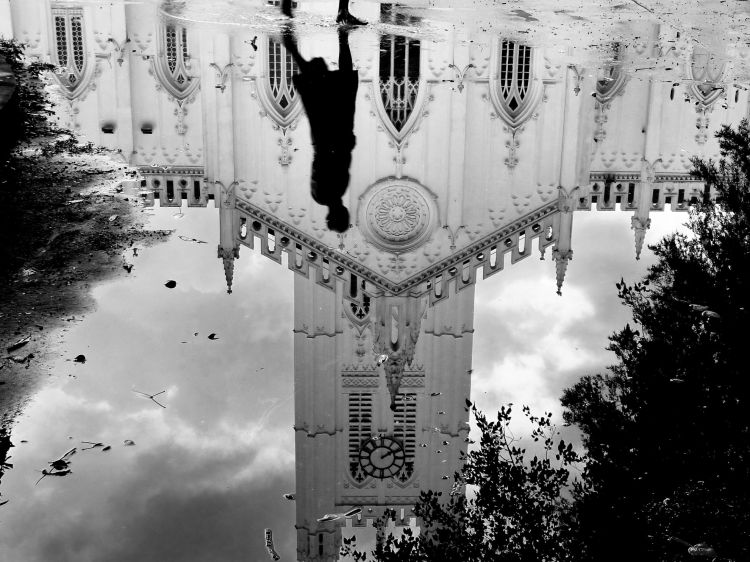
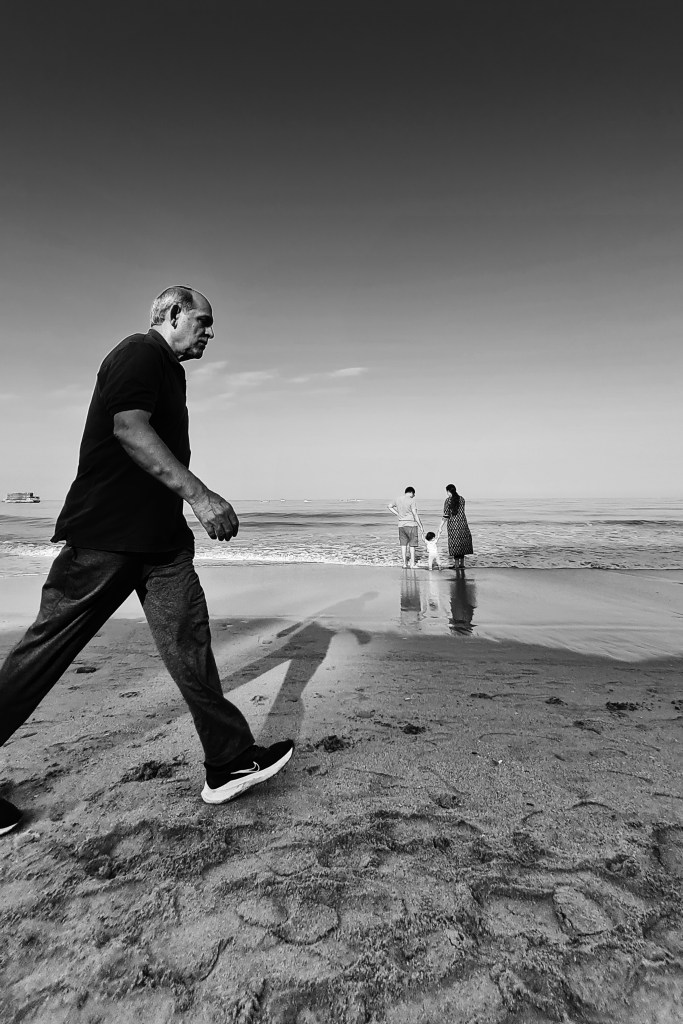
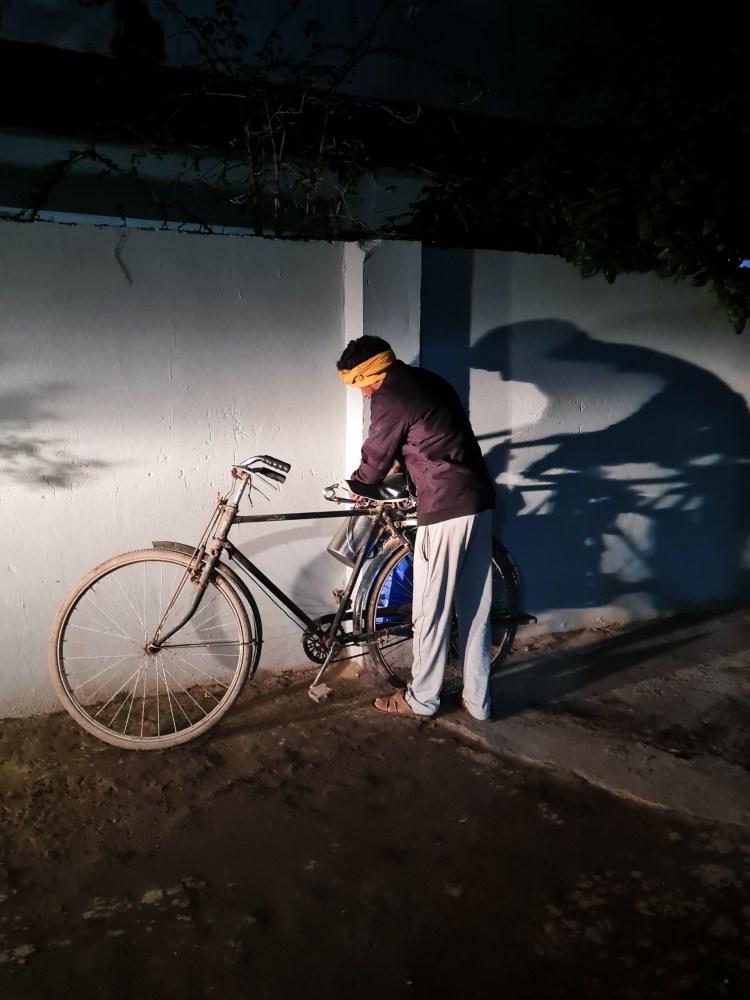
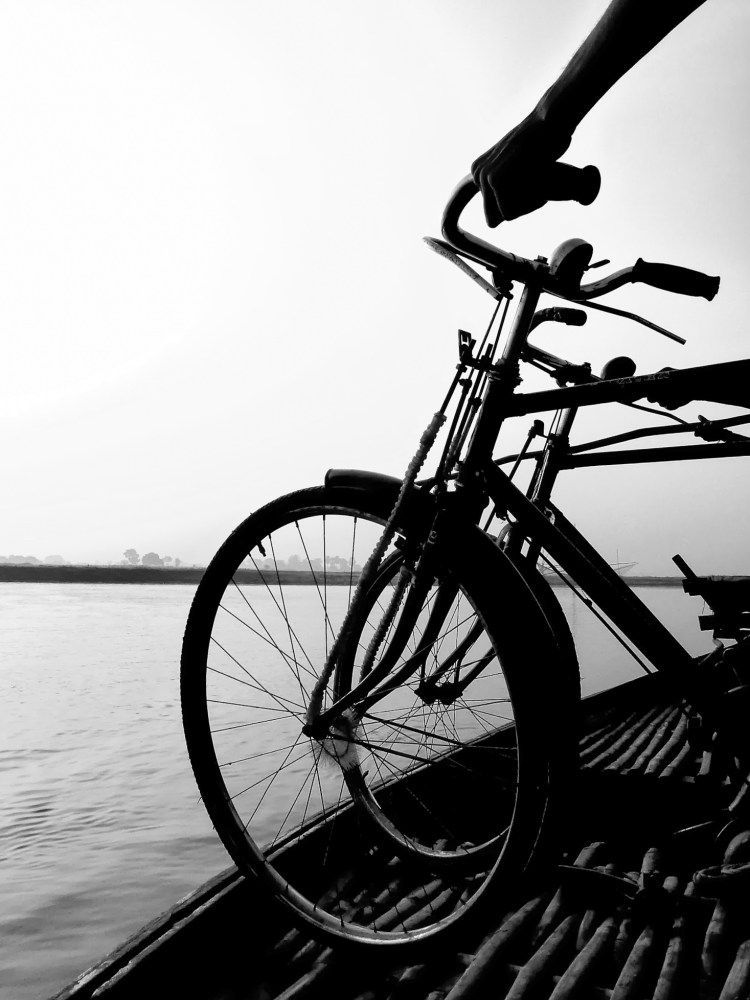
Strong composition and great aesthetics are crucial in street photography as they elevate an image beyond mere documentation, transforming it into a visual narrative that resonates with viewers. It is more so because, street photographs are always of ordinary and mundane subjects, to begin with. These aesthetic elements could be line, shape, form, space, tone, texture, color, pattern, symmetry, reflections, geometry, layers, interplay of light and shadows. If you are not able to create a strong composition and add these aesthetic elements, you are most likely to keep producing mediocre images, only to eventually lose interest in this genre. I have seen renowned street photographers producing good (if you judge only by ‘decisive’ moment) street photograph but often lacking the aesthetics. Personally, I am not a fan of photographs, however good, without any aesthetics. Composition and aesthetics are the starting point for me, the ‘body’. Next comes narrative and story-telling, the ‘soul’ of a photograph.
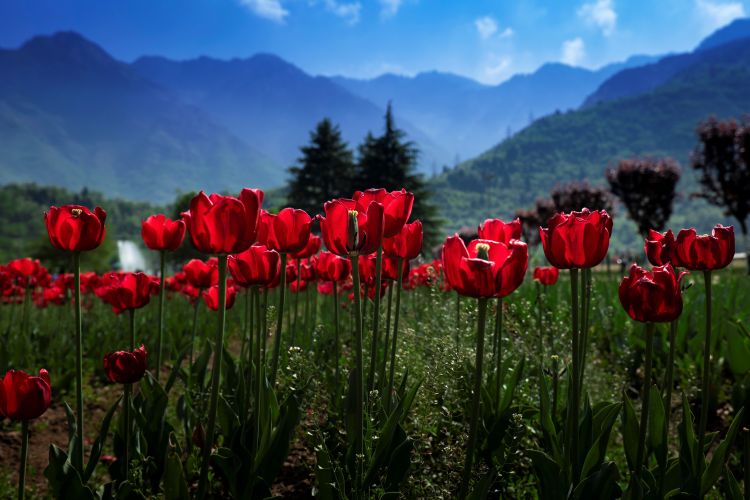

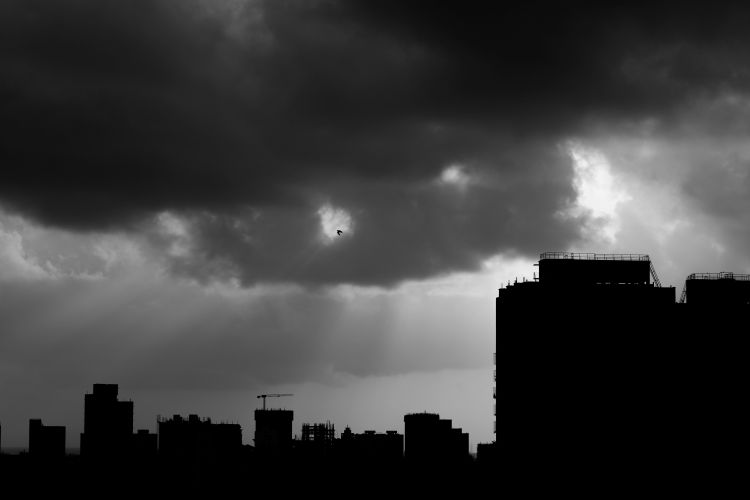
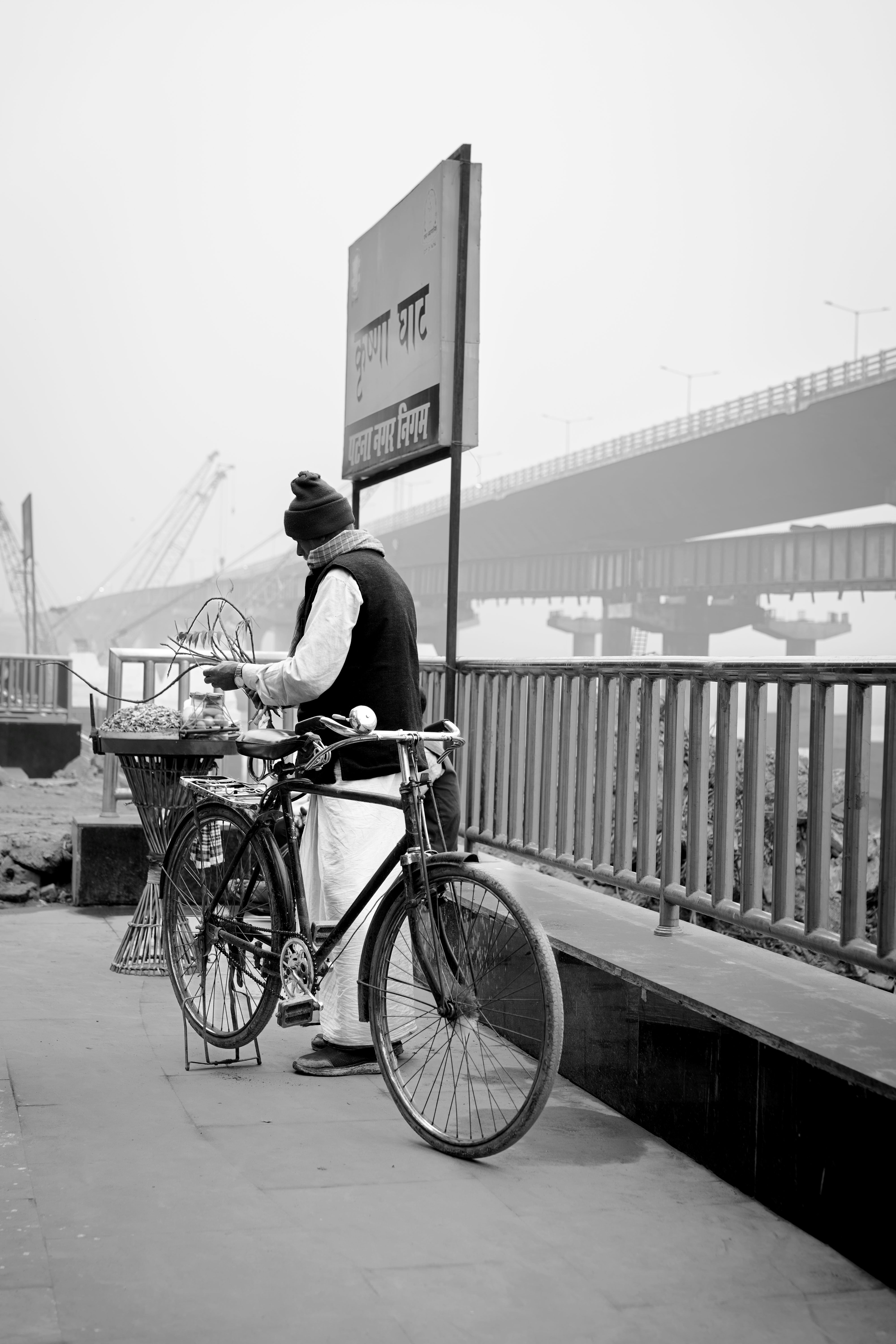
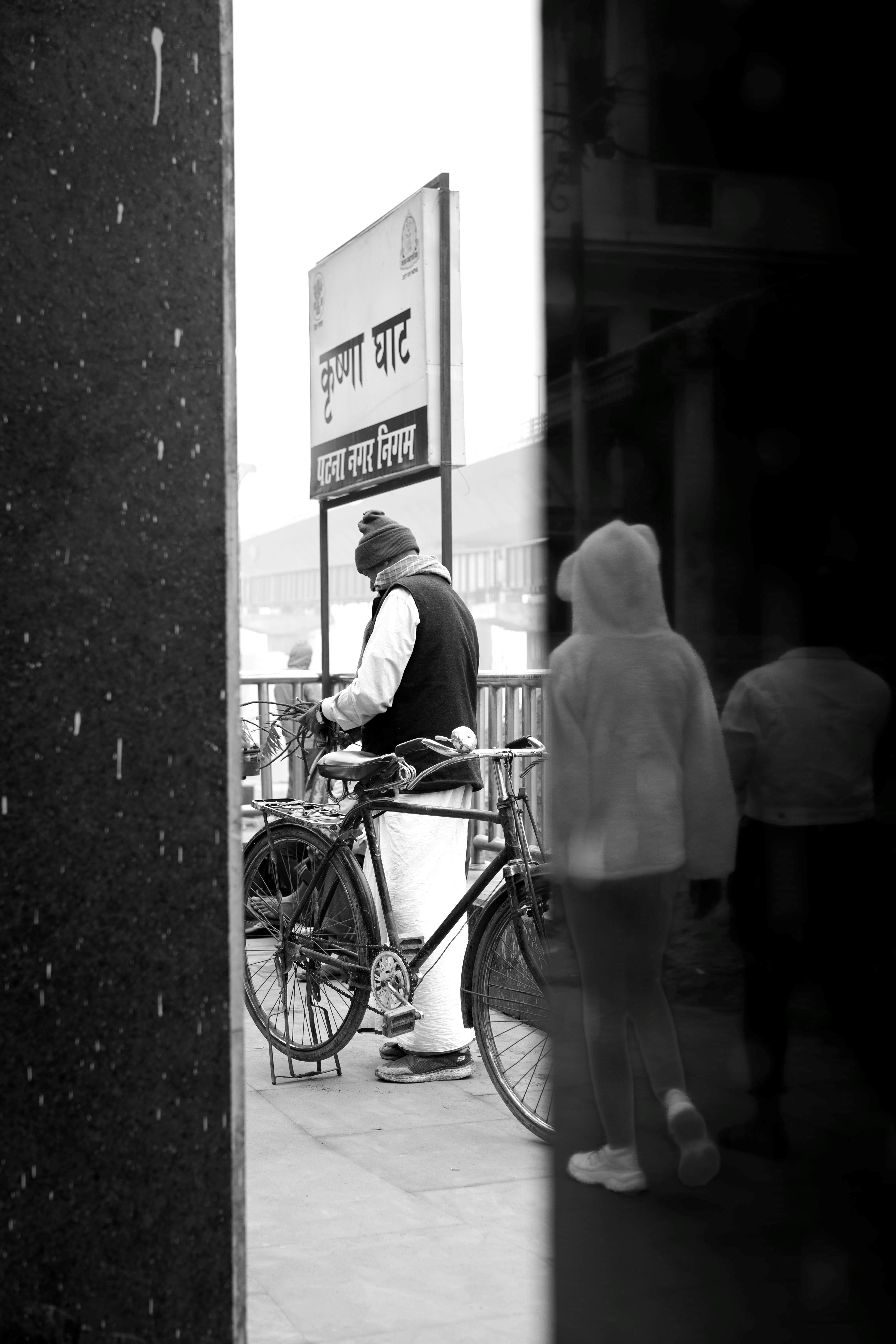
Which one of the above do you think is the stronger composition? Let me know in comments.
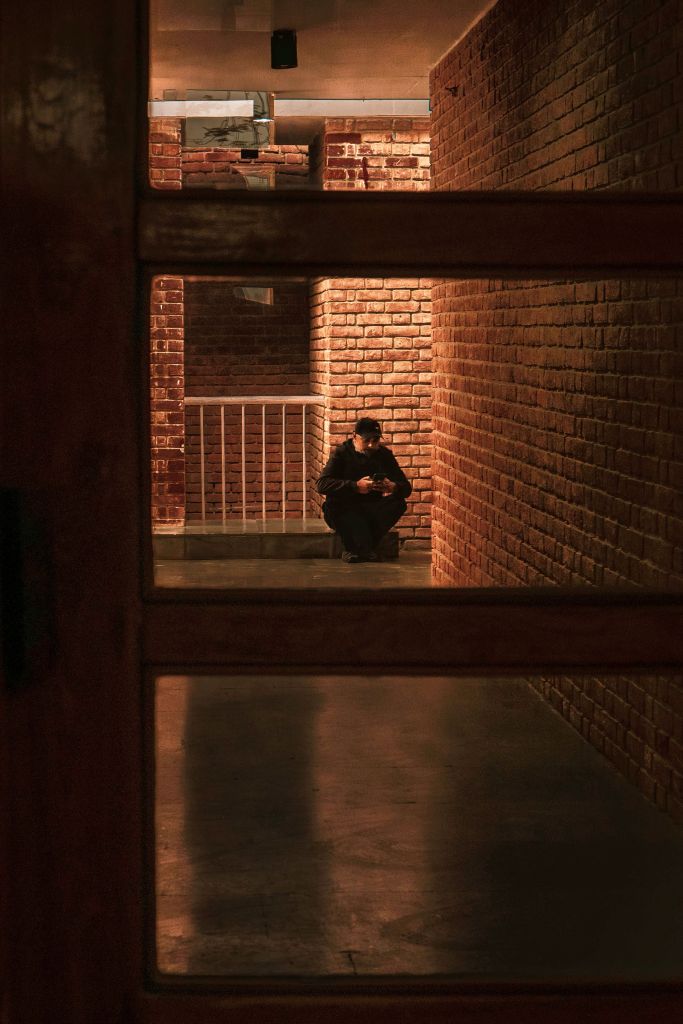

Can you see leading lines, shapes, tones, patterns and reflections and silhouettes in the above image?
2. THE SOUL: CONTEXT & NARRATIVE
Context and narratives play the most significant role in award-winning street photography as they breathe life (the ‘soul’) into the captured moments, transforming them into powerful stories that profoundly engages viewers. Consider the iconic image “The Decisive Moment” by Henri Cartier-Bresson, where the context of a man leaping over a puddle not only showcases impeccable timing but also hints at a larger narrative of urban spontaneity. Daido Moriyama’s “Labyrinth” relies on the context of gritty urban environments, creating a narrative through high-contrast visuals that evoke a sense of chaos and energy. The work of Alex Webb, as seen in “The Suffering of Light,” often thrives on rich contexts and layered narratives, with his use of vibrant colors contributing to the visual storytelling. These examples underscore how context and narratives, woven into the fabric of street photography, elevate it beyond mere visual documentation, making it a potent medium for conveying the complexity of human experiences and urban life.
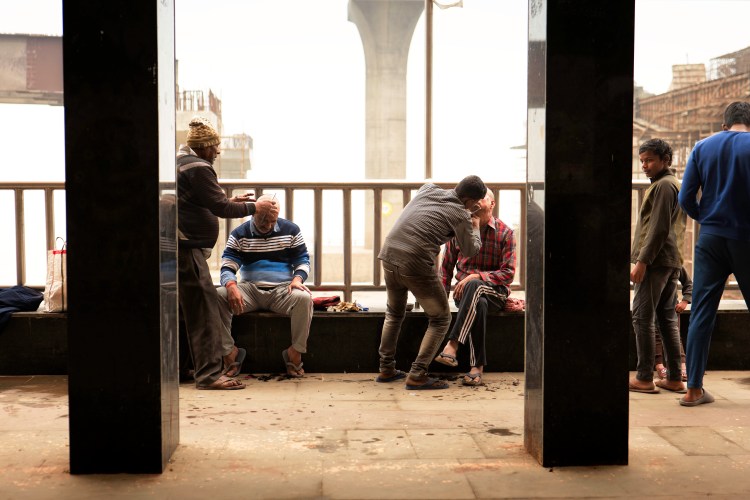
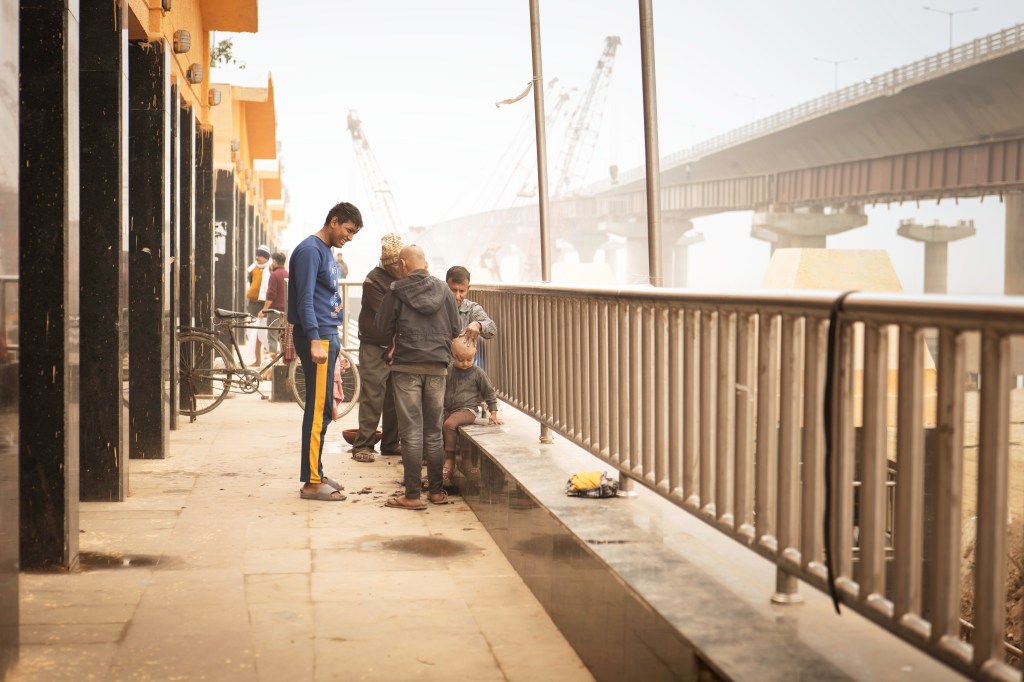
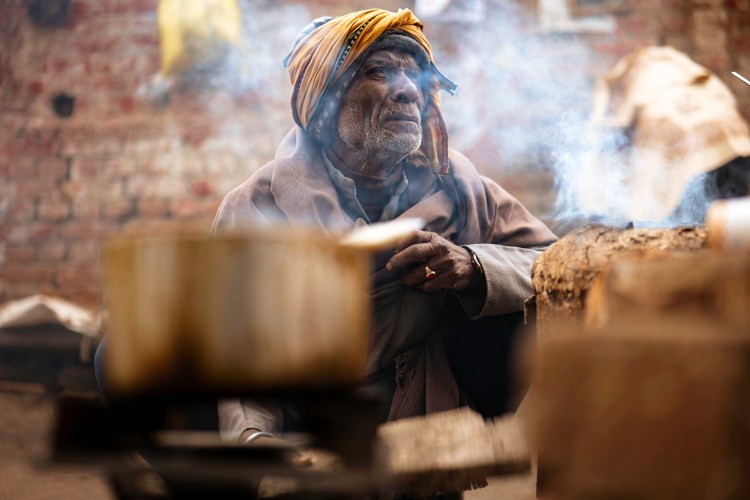
In my images, aesthetics takes precedence. However, an image without narrative is simply a body without soul. I am still learning to build narratives in my photographs.
3. THE CONVERSATION: MESSAGE
Once your photograph has the body (aesthetics) and soul (narrative), it must speak to others. And if it is so speaking, it must rather speak something intellectual (i.e., your own voice), not insipid, to evoke a response from the viewer, and let the (visual) conversation continue for at least more than a split second. With the attention span of people getting shorter and shorter, your photograph must be able to strike an interesting conversation with your viewer and elicit more than a quick glance. What makes a conversation interesting for us – asking questions, providing thoughtful responses, adding humor or playful sarcasm, authenticity of emotions and changing topics at times to avoid monotony. Your photograph should ask questions, depict your response to the changes around you, play with humor, visual pun or sarcasm at times (conceptual contrast), be your personal authentic voice (visual spokesperson) and also diversified enough to keep insipid shallow talks at bay. Further, a sense of mystery and intrigue adds extra spice to the image because what is withheld is often as important as what is revealed. A soulful conversation requires your 100 per cent personal involvement and speaking your heart out without any filters.
“My photography is not ‘brain photography’. I put my brain under the pillow when I shoot. I shoot with my heart and with my stomach.”
– Anders Petersen
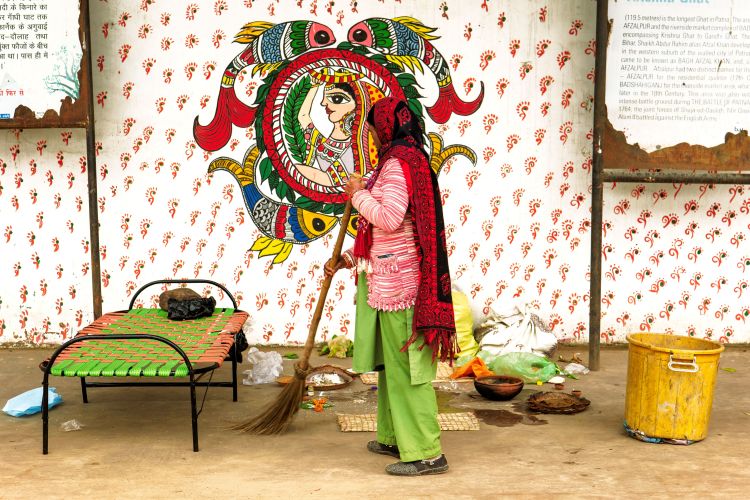
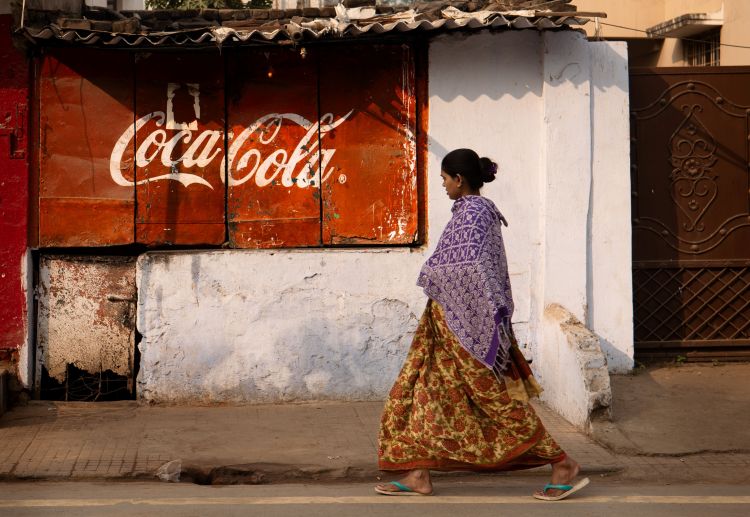

And if you think, your single image is not able to tell the complete story and there is so much that remains unsaid, you can also create body of work that makes bold statements (not just occasional random talks) by working on long-term projects. Why should the ‘conversation’ stop at chapter 1 of the story book itself? In all case while you make these conversations, remember to keep it short, simple and sweet. Less is definitely more in street photography.
4. THE EXTRAORDINARY: SERENDIPITY
A photograph with the ‘body’, ‘soul’ and the ‘message’ is complete in itself. However, there are always certain special moments in life, when we are happiest or at our best. These moments in life are rare and are seldom repeated. I call it ‘Serendipity’, meaning a modicum of good luck in making unexpected and fortunate discoveries. In Henri Cartier-Bresson’s words, these are ‘decisive moments’ probably never to be repeated again. This is the magic factor, that suddenly elevates your photograph to the highest pedestal of street photography, making it stand out among the million other photographs on the internet and social media. However, capturing such moments not only requires a touch of lady luck, but also extreme preparedness and countless failed experimentation. None of the street photograph that we now call ‘iconic’ were ever taken simply by fluke, without years and years of practice, patience and failures.
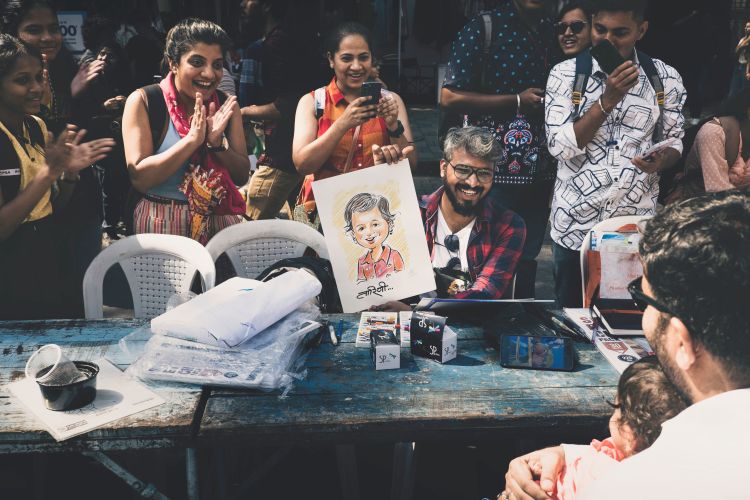
‘At a time when staged narratives and rendered images are popular, I am excited by the fact that life itself offers situations far more strange and beautiful than anything I could set up.’
– Melanie Einzig
Street Photography
Discover more from Vivek Verma
Subscribe to get the latest posts sent to your email.
 Vivek Verma