
This post is the second part of my series of blog posts on ‘Aesthetics of a Photograph’. The post provides a comprehensive information about the interplay of light and shadows in photography. It covers the importance of quantity, type, quality, and direction of light, as well as the role of shadows and reflections. The inclusion of visual examples and further readings enriches the content. Additionally, the section on perspective explains its impact on creating depth and dimension in photographs. The rules of composition and further readings offer valuable additional resources on the topic.
Light and Shadows
QUANTITY OF LIGHT.
The quantity of light shapes the overall exposure, ensuring clarity and visibility of details. Controlling light helps draw attention to specific elements in a composition. Highlighting the main subject or creating a play of light and shadow can guide the viewer’s gaze.

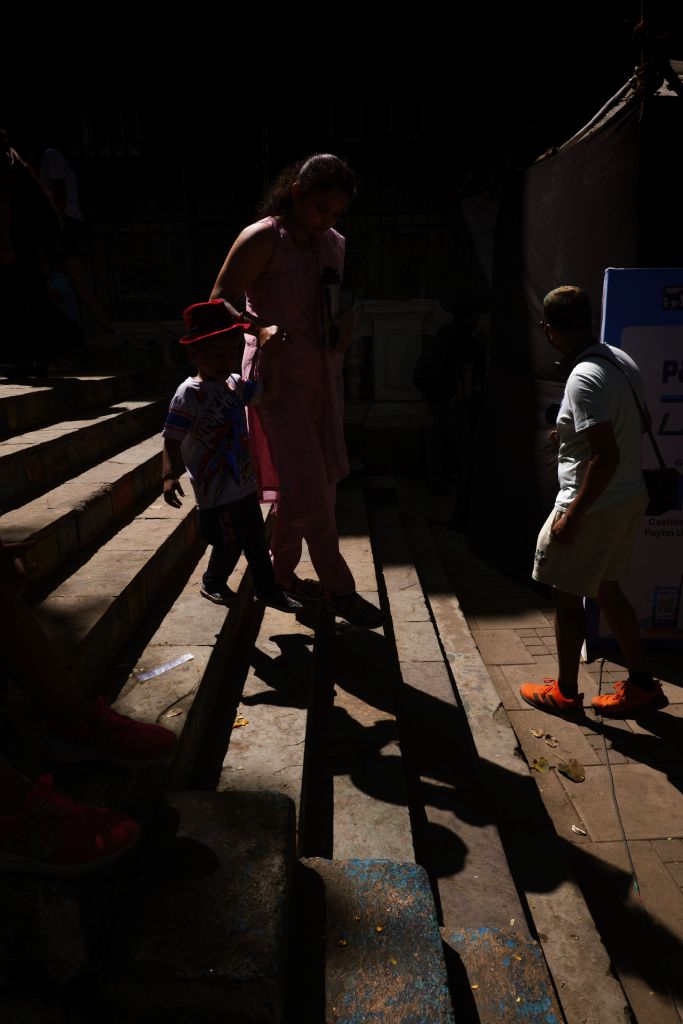
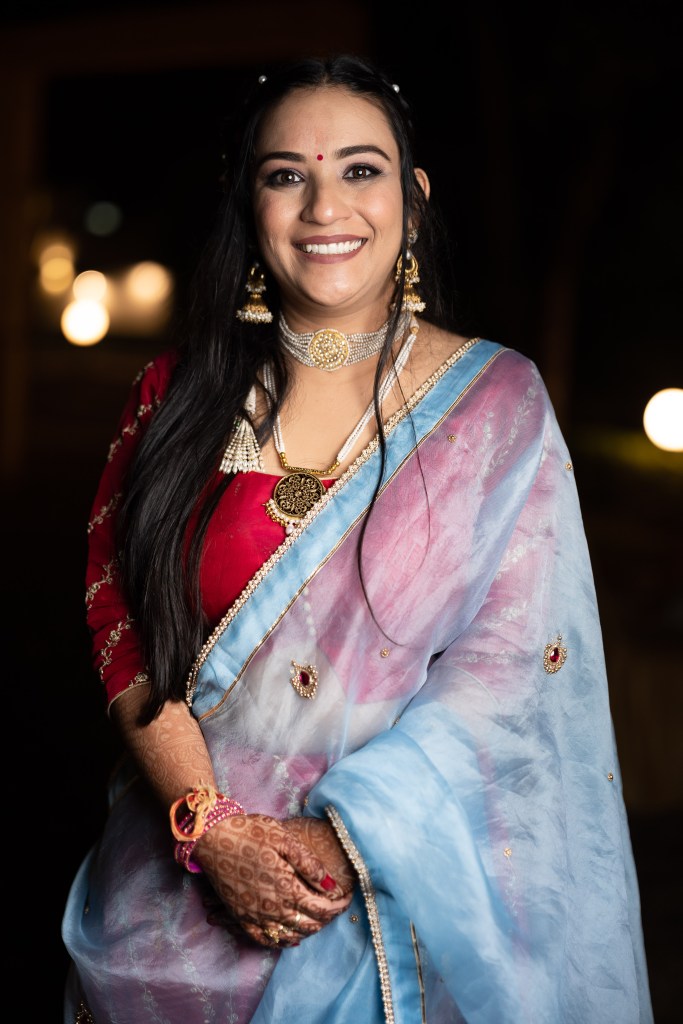
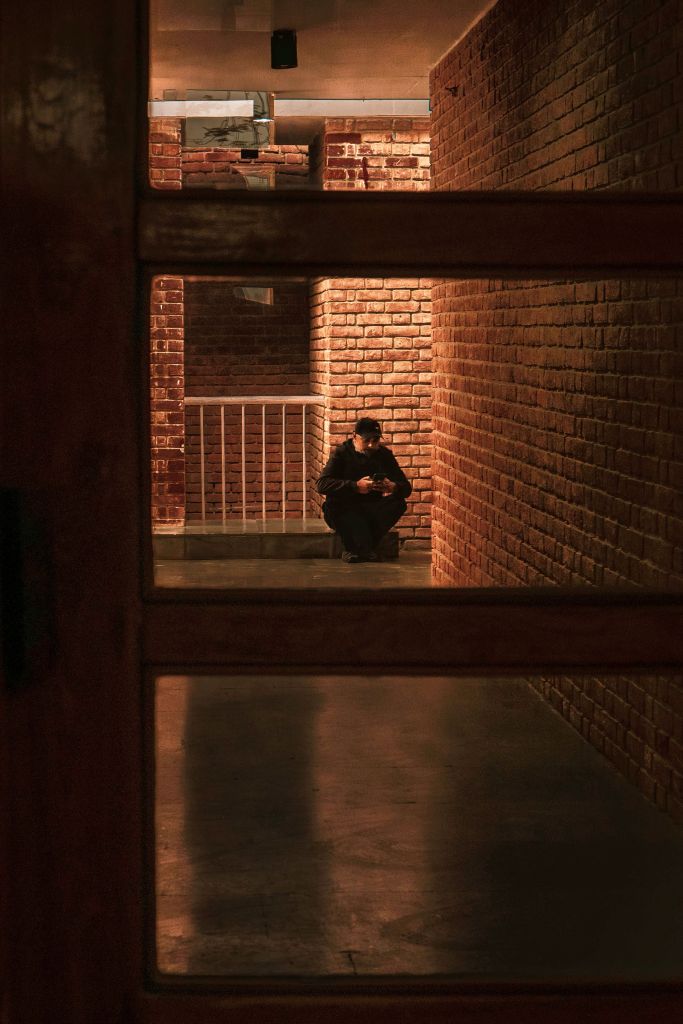
DAPPLED LIGHT. Dappled light, with its interplay of light and shadows, adds drama and visual interest to photography subjects. The dynamic patches of illumination create a captivating play of highlights and shadows, enhancing the overall aesthetic appeal of the photograph.
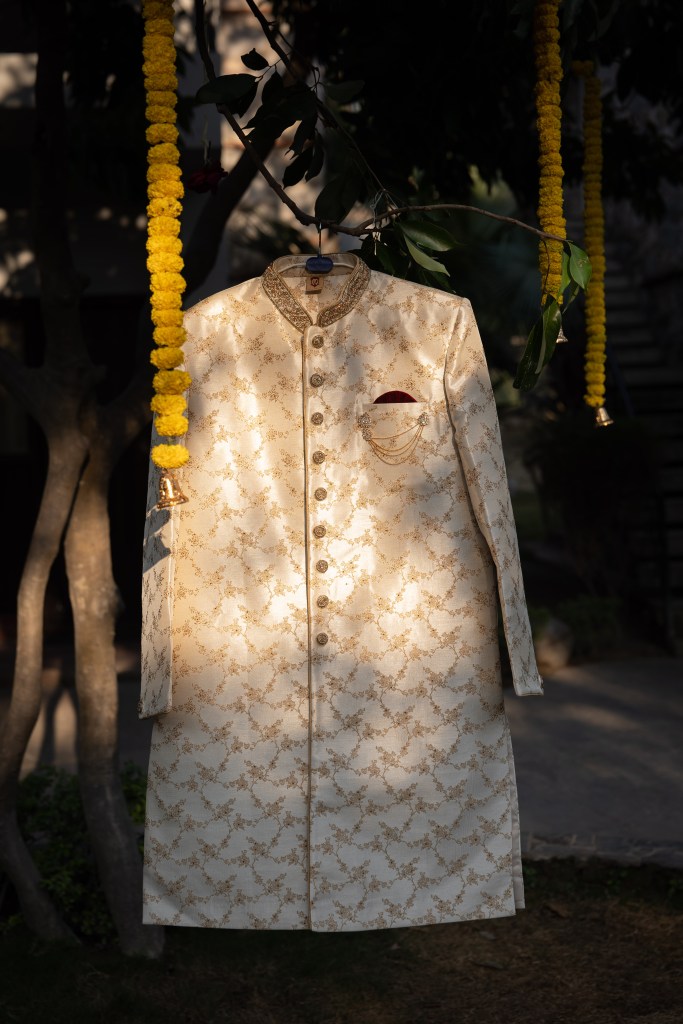
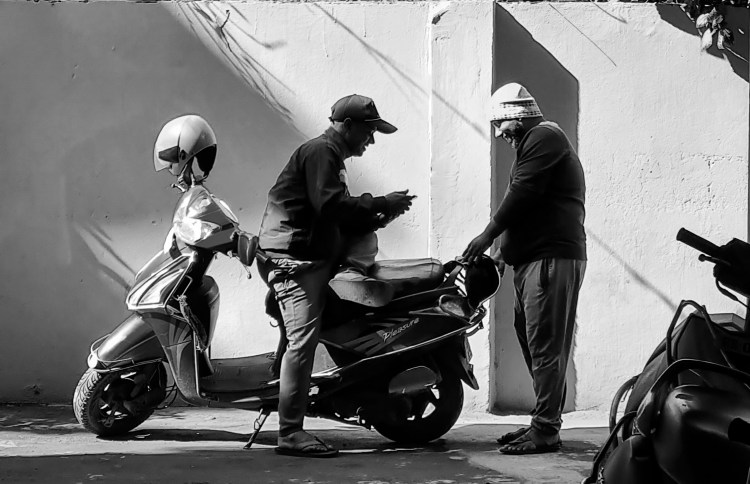
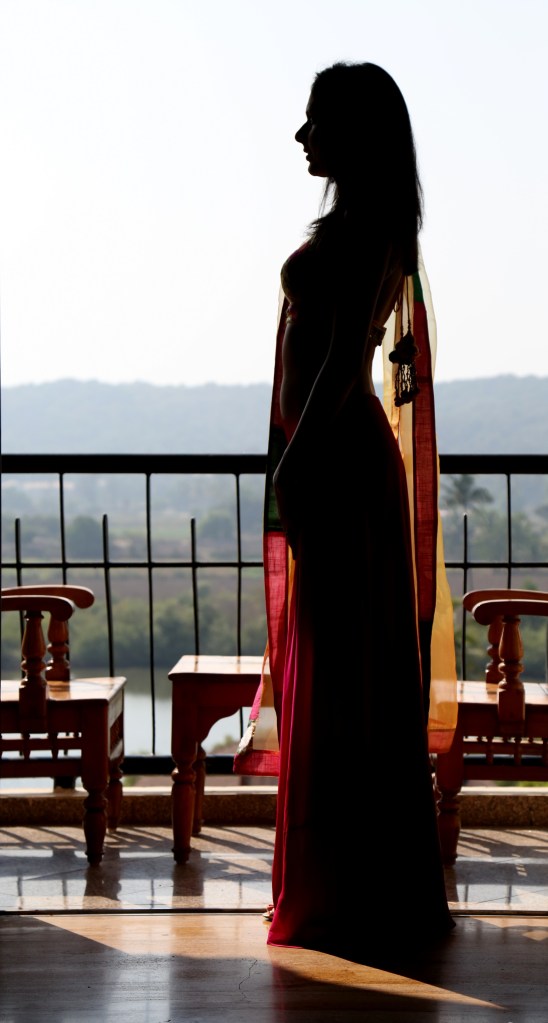
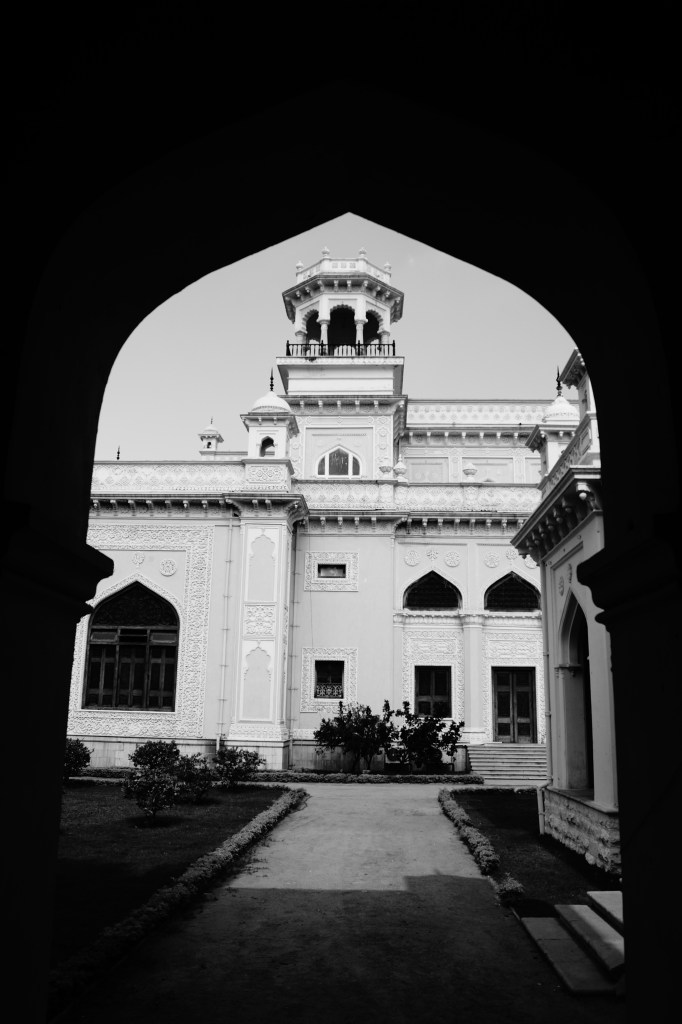
FIGURE TO GROUND. Figure-to-ground photography involves presenting the main subject in distinct contrast with the background. This may entail employing light against a dark backdrop, dark against a light backdrop, or incorporating contrasting colors. An exemplary illustration of figure-to-ground photography is exemplified by a silhouette.

Further Readings:
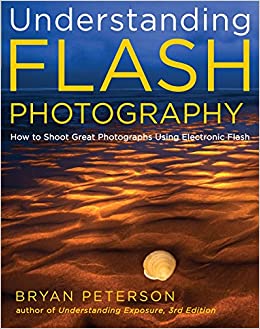
Understanding Flash Photography by Bryan Peterson
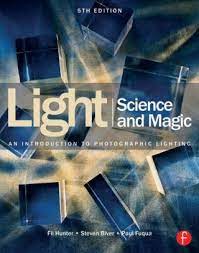
Light – Science and Magic by by Fil Hunter, Steven Biver, et al.
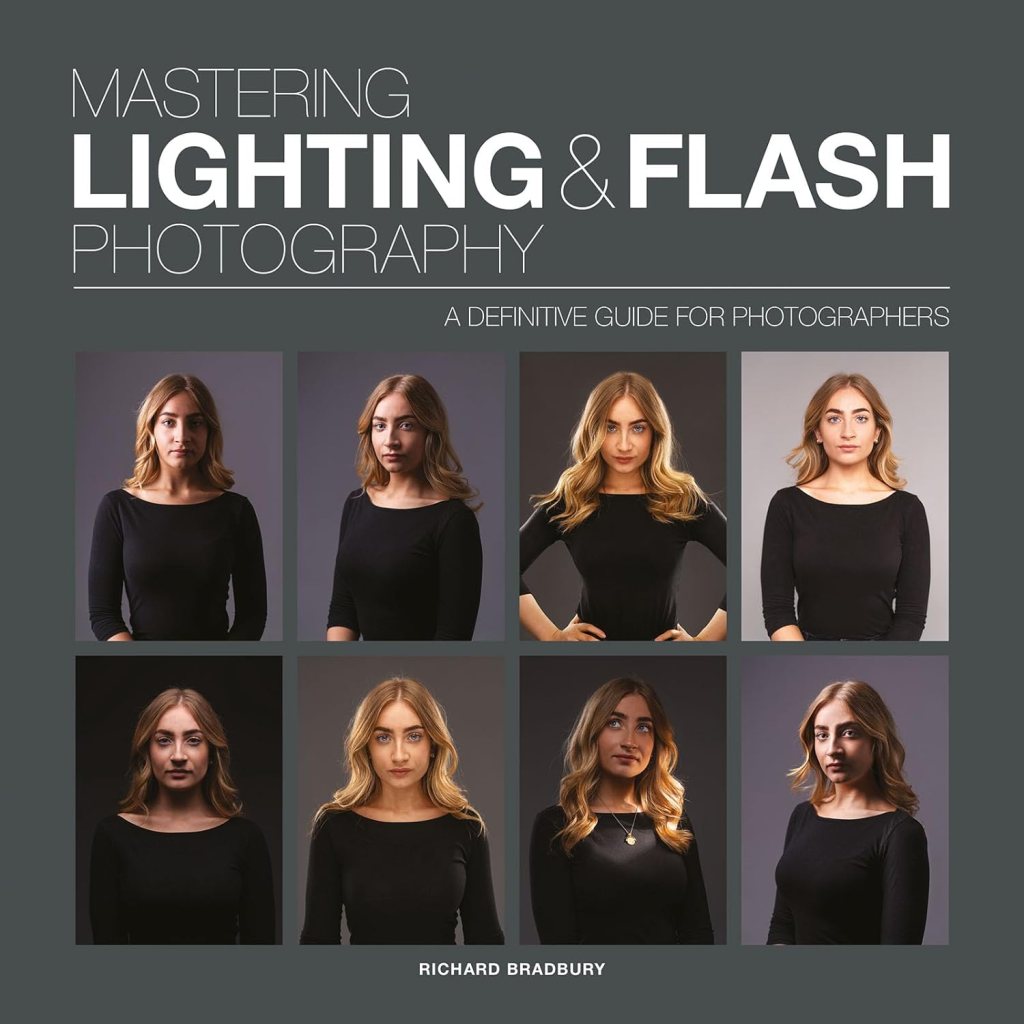
Lighting & Flash Photography by R Bradbury
LIGHT
Mastering the interplay of light in photography is crucial for achieving aesthetically pleasing compositions. The ability to recognize and manipulate different types, qualities, and directions of light allows photographers to create visually compelling and emotionally resonant images. Popular street photographer, Trent Parke (Australia) says he is forever chasing light as it turns the ordinary into the magical. Boris Savelev considers light as the great magician, which in a second can transform the trivial into the extraordinary.
TYPE OF LIGHT
The type of light, whether natural sunlight or artificial sources, imparts distinct tones and moods to the scene. Light coming from the sun varies throughout the day, offering different qualities such as the soft, warm light during sunrise and sunset, and the harsher, cooler light during midday. Lighting in the golden hours when the sun is low in the sky, provides a warm, soft, and directional light that enhances colors and textures.
Artificial light, which includes studio lights, flash units, and other sources created by humans, can be manipulated and controlled more precisely, allowing for creative effects.


QUALITY OF LIGHT
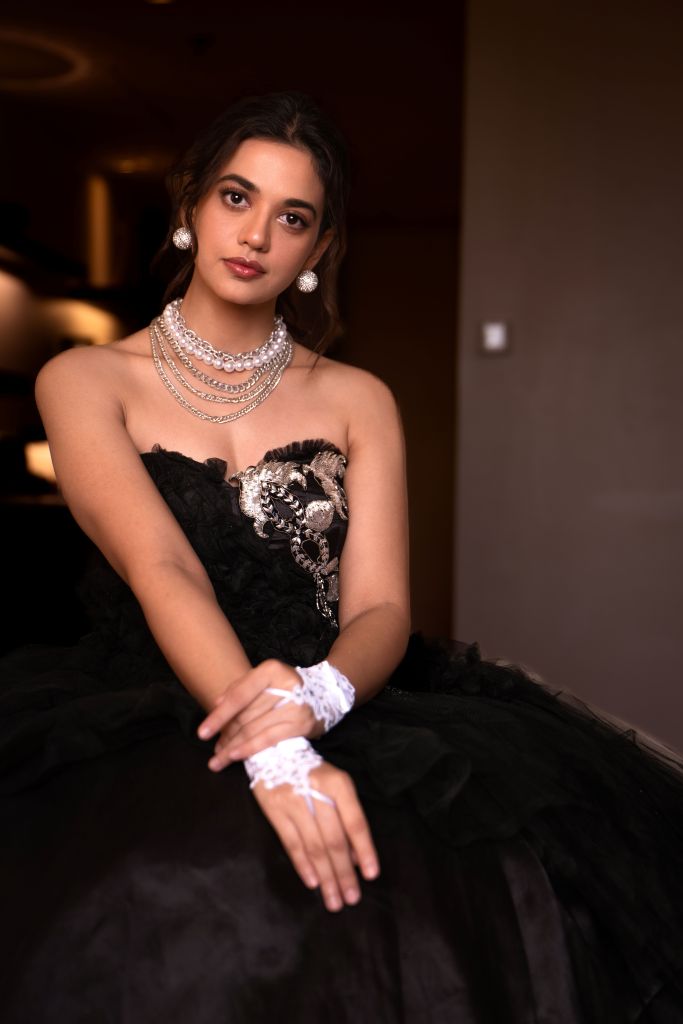
Soft light creates gradual and smooth transitions between highlights and shadows, evoking a cozy and intimate feeling. Overcast days, diffused sunlight through clouds, or using modifiers like soft-boxes can produce soft light, which is often flattering for portraits and still life. In contrast, hard light creates strong, well-defined shadows and highlights. It is often associated with direct sunlight or focused artificial light. Hard light can add drama, tension and emphasis to certain elements in a scene.



DIRECTION OF LIGHT
Directional light, especially when it’s raking across a surface, can highlight textures and details, adding depth and interest to an image. This is often used for emphasizing shape and form. When the light source is behind the subject, it can create silhouettes or add a halo effect. It’s useful for creating a sense of drama and emphasizing outlines. When the light source is behind the photographer, illuminating the subject from the front, it reduces shadows but may lack depth and dimension.




Shadows
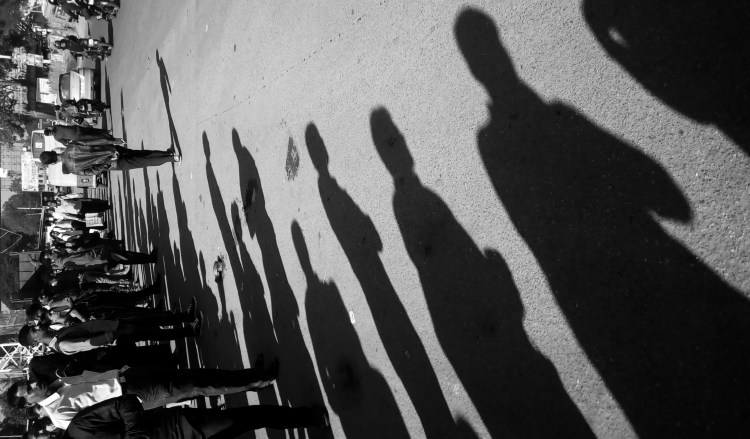
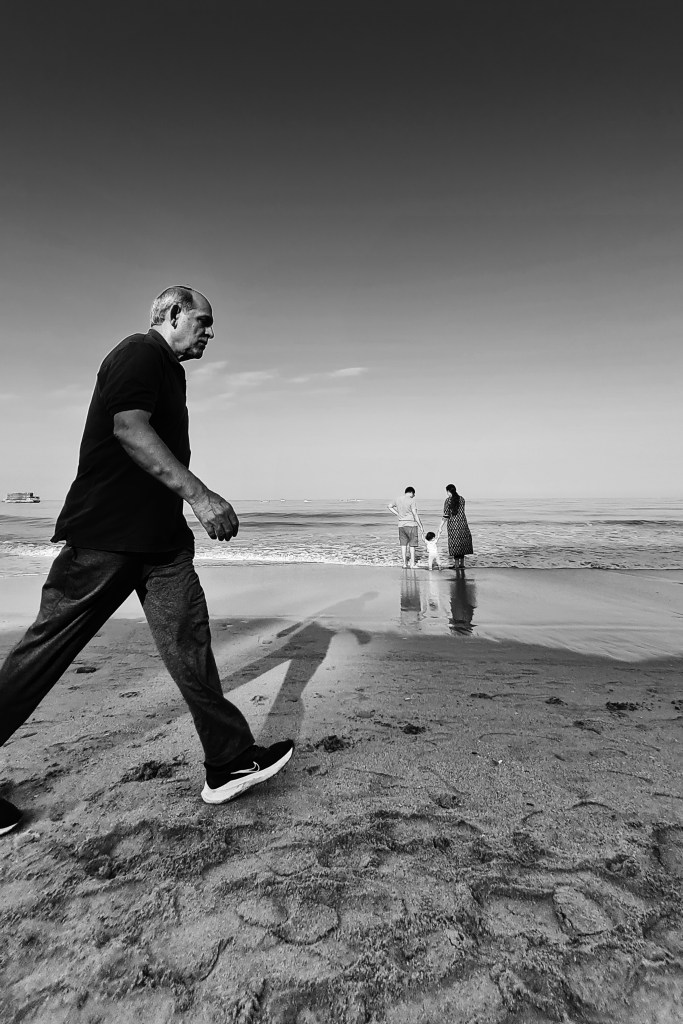
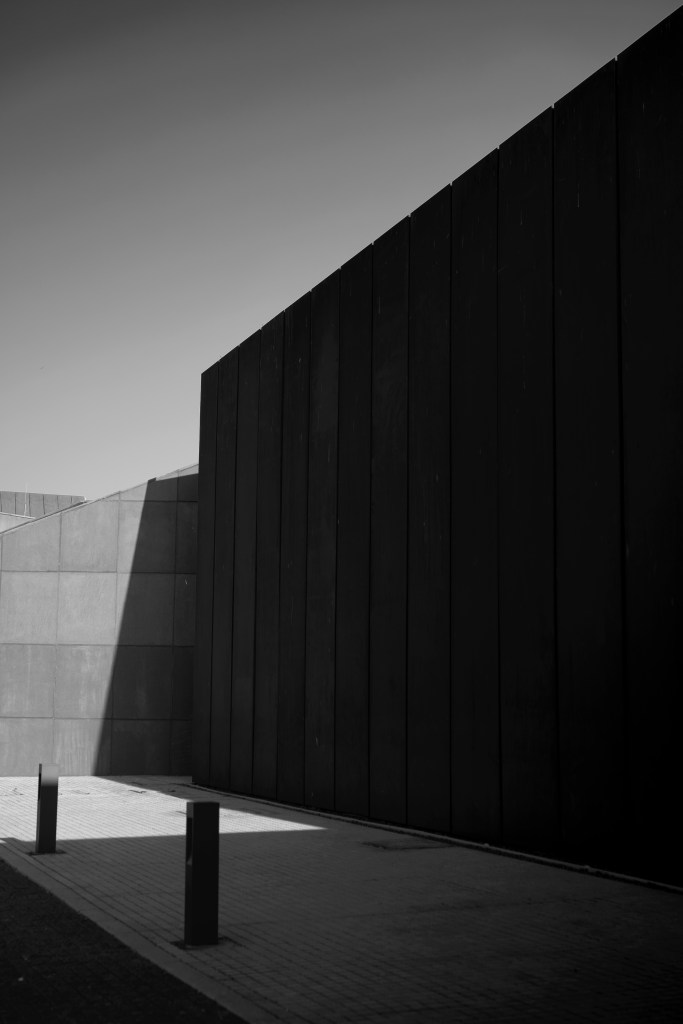
Shadows play a crucial role in accentuating the play of light, adding depth and dimension to the scene. They create contrast in an image, emphasizing the difference between light and dark areas and draw attention to specific elements. Moreover, shadows also infuses the scene with certain mood. For example, soft, diffused shadows can create a calm and serene atmosphere, while strong, angular shadows can evoke a sense of mystery, tension and dynamic atmosphere.
Shadows also play a key role in:
- defining the three-dimensional shape (Form) of objects. By casting shadows, objects gain depth and appear more tangible.
- interplaying with light to reveal the spatial arrangement of elements in a scene, making the photograph more dynamic and engaging.
- enhancing the perception of texture and contours of the objects (when light falls at an angle, casting shadows across surfaces).
- leading the viewer’s eye through the frame to the main subject.
- adding interesting patterns to the composition.
- playing with negative space to create visually appealing arrangements.
The position of the sun in the sky affects the length and direction of shadows. During the golden hour (early morning or late afternoon), when the sun is low in the sky, long and soft shadows are cast. This can enhance the overall aesthetics of the photograph by providing a warm and pleasing quality of light.


Reflections
The role of light extends beyond illumination; it is pivotal in crafting beautiful reflections. The way light interacts with surfaces and water, in particular, creates captivating reflections that not only double the visual interest but also lend a poetic and ethereal quality to the photograph.




Articles
– Soft vs. Hard Light: How & When to Use
– Understanding Different Types of Lighting
– Flash or Continuous Lighting?
– 13 Film Lighting Techniques & Examples
– How to Master Rembrandt Lighting
– Camera Flash: Light Quality & Appearance
– Camera Flash: Flash Ratios & Exposure
– Making the Most of Natural Light
Composition & Perspective


Perspective
Perspective can be used to create a flow along which viewers’ eyes travel through the photograph. By altering the vantage point, distance, or angle from which an image is captured, you can create a sense of depth and dimension and emphasize certain details. Whether it’s capturing a scene from a bird’s eye view or getting down to ground level for an intimate shot, playing with perspective allows you to present familiar subjects in new and compelling ways and transform an ordinary scene into an extraordinary one, providing viewers with a fresh and engaging perspective. When there’s depth in a photograph, people will look at the things that are closest first and then check out the ones that are far away. Learn how perspective shapes a viewer’s perception of a scene here.
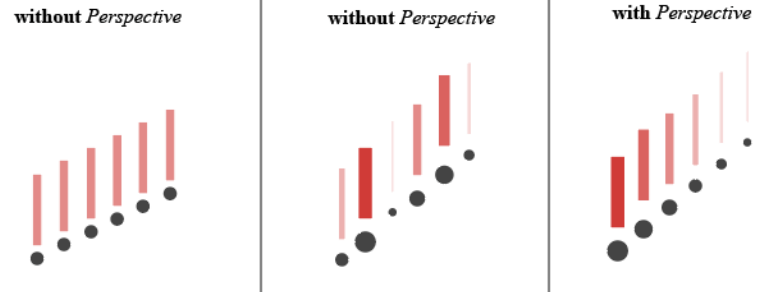
Left: No perspective because depth is missing, thanks to the uniformity of node and line attributes. Middle: No perspective even though there’s depth because nodes and lines are inconsistently placed with varying visual weight. Right: Perspective is present because elements are deliberately varied in visual weight and placement.*
*Tan, Yuanru & Hinojosa, Cesar & Marquart, Cody & Ruis, Andrew & Shaffer, David. (2022). Epistemic Network Analysis Visualization. 10.1007/978-3-030-93859-8_9
Rules of Composition
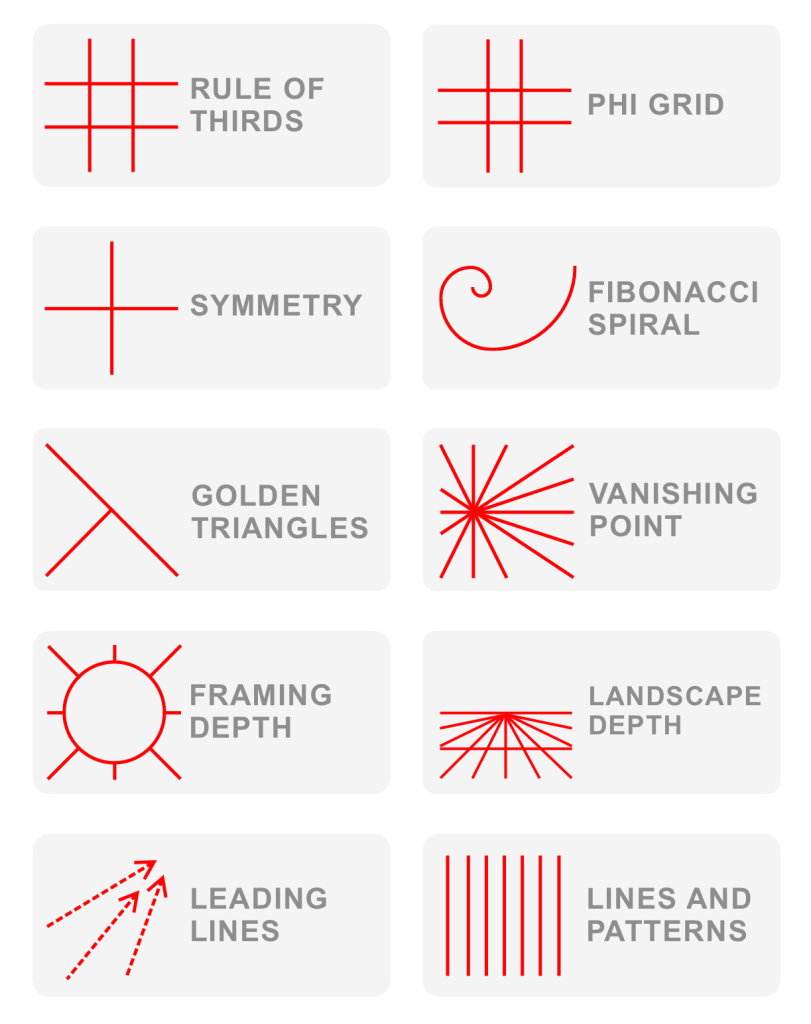
I am sure you must be familiar with some of most common rules of photography composition like, rule of thirds, golden ratio, frame-within-frame, leading lines, rule of odds, capturing patterns or repeating elements, to name a few. While you follow these “rules”, always remember that these are not strict guidelines but rather tools that you can choose to follow or sometimes creatively break to achieve the desired visual impact. Read more here.



Further Readings:
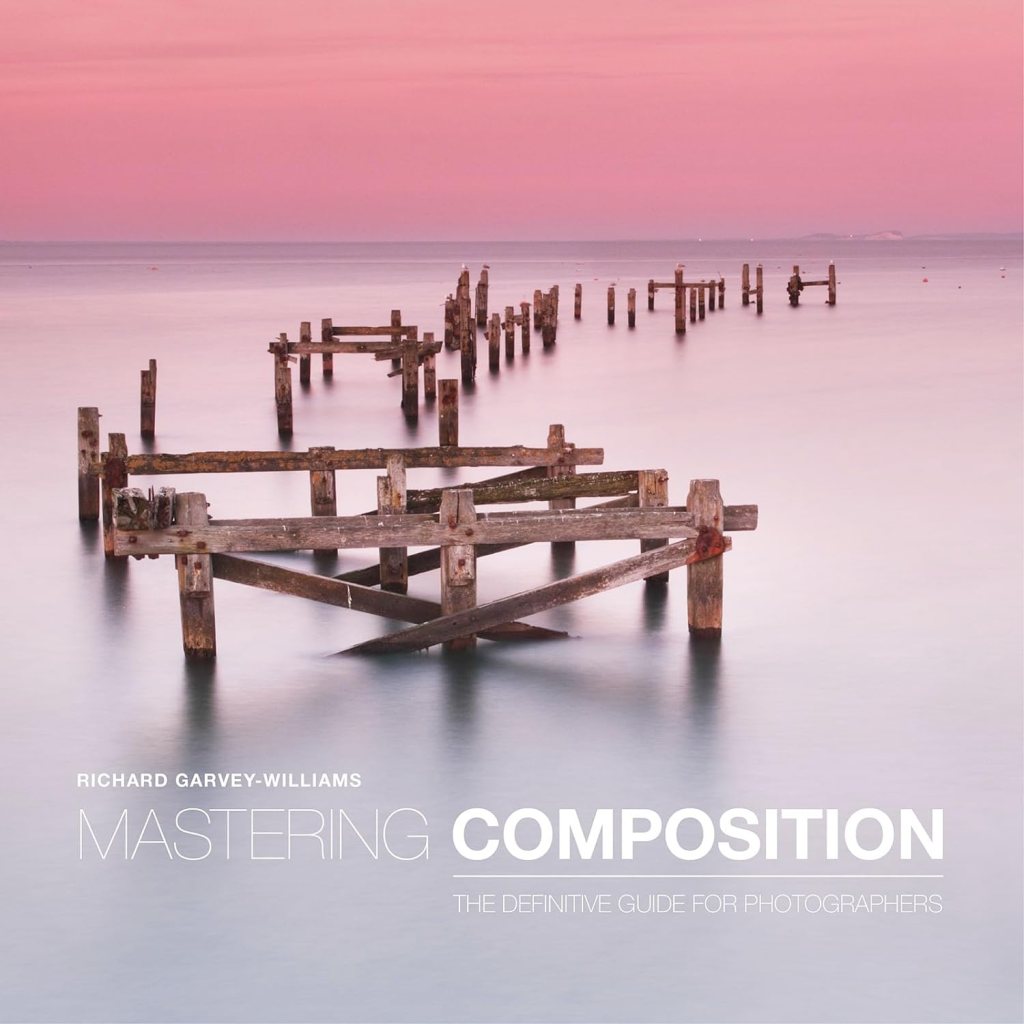
Mastering Composition by R Garvey-Williams
Mastering Composition With Your Digital SLR by Chris Rutter

Watch out this space for Part 3 of this series of blog posts where I cover visual weight and hierarchy, contrast, simplicity, selective focus, and post-processing.
Conclusion
Aesthetics is the first checkbox that you need to tick-off in order to create a visually strong photograph. Various elements of visual art (covered in Part 1), interplay of light and shadows, composition and perspective, they all play a very crucial role in accentuating the narrative. No photograph is ever made without light. But light cannot make a photograph shine by itself. It needs shadows and darkness to create the magic. Therefore, when you seek light, do not forget to embrace shadows. Change your perspective and you will see the world in a different light (pun intended). What you exclude in a frame is as important as what you choose to include. So choose your frame wisely.
Discover more from Vivek Verma
Subscribe to get the latest posts sent to your email.
 Vivek Verma