
Discover insights and reflections as I delve into Brian Lloyd-Duckett’s acclaimed work, ‘Mastering Street Photography,’ completed this month. A captivating international best-seller, this debut book by the author promises a journey through the art of street photography and leaves a lasting impression on enthusiasts worldwide.
In this blog post, I’ll be your tour guide through the lens of insight, offering up a hearty book review and dishing out the personal notes that turned my learning experience up a notch.
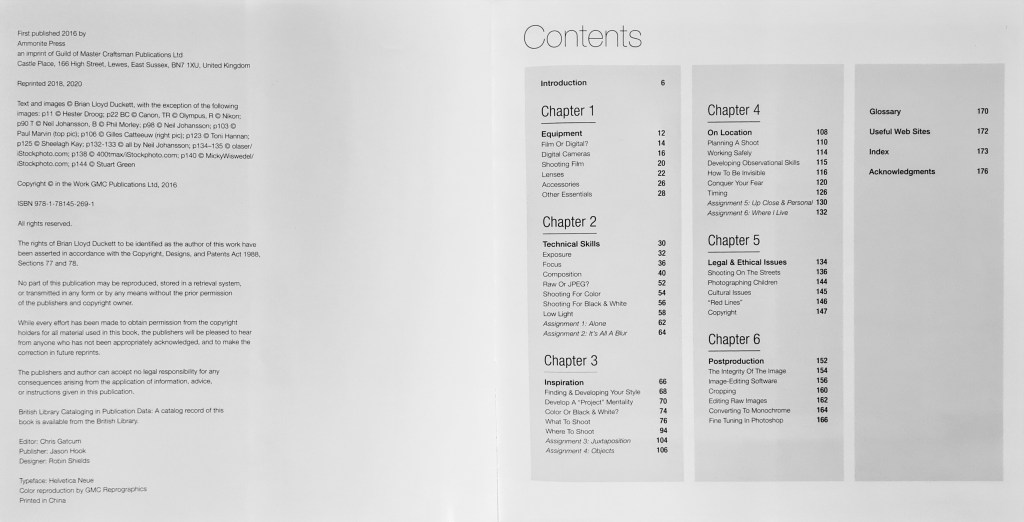
This was my fourth book in a month on street photography. The book is light on text and covers everything, including the legal aspects and post-processing. The book starts with a brief introduction and history of street photography. A good part of the book (Chapter 1 and 2, page 12-65) covers the basic concepts like equipment, accessories, exposure, composition rule, file format, etc. While this may be useful for someone who has just started photography, these two chapters may not add much value to an experienced photographer. Therefore, you can even skip these two chapters, if you wish to, without regrets.
The book develops exponentially with Chapter 3 and 4 and covers many practical aspects of street photography, for instance, developing your personal style, planning a shoot, working on projects, shooting for color/black and white, overcoming fear, managing your expectations, shooting in extreme weather, staying safe, being invisible, etc. However, if you are a seasoned photographer, you may already be familiar with most of the content in these two chapters as well. I also found the section, “Where to Shoot” too obvious in the Chapter 3. Nonetheless, these two chapters are the most insightful ones in the whole book.
Chapter 5 covers legal and ethical issues, but only gives you a very generalized overview of legal landscape, with emphasis on the laws in the UK and US. Having said that, the content of this chapter is still quite useful for someone who is simply clueless about their rights and obligations as a street photographer. I liked the fact that Brian dedicated a whole chapter touching upon these legal and ethical issues which street photographers do not usually pay attention to. The book, however, gives a caveat that if you are based in a country other than UK or US, you may have to check the local laws applicable to you.
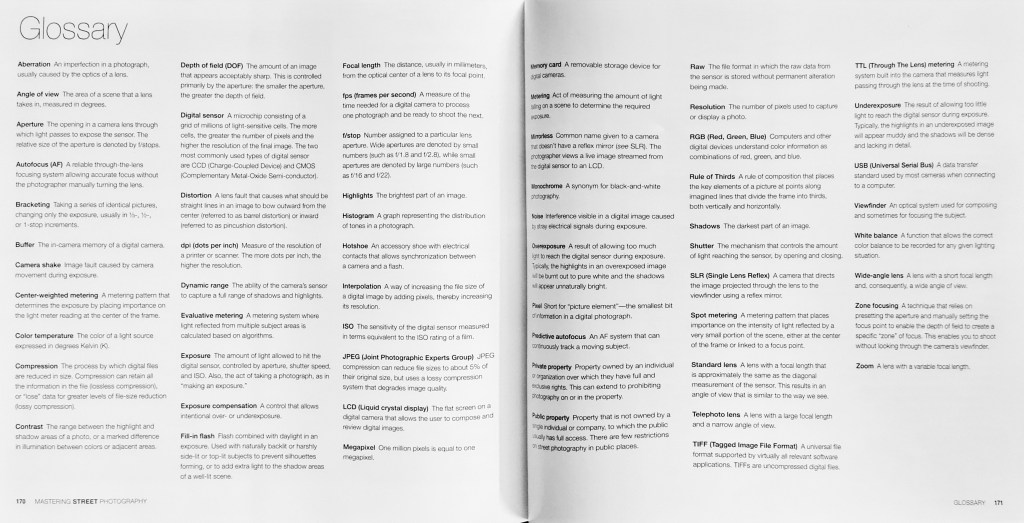
Chapter 6 of the book is all about post-production, which may be again redundant for someone already familiar with basic Adobe Photoshop and Lightroom adjustments and image management software and plug-ins. I also did not find the section on monochrome conversion (page 164) very well detailed. Towards the end, the book has a two-pages’ glossary of key terms followed by one page dedicated to useful resources.
Conclusion
I liked the book for its horizontal coverage (number of topics), if not vertical (depth of topic). While this book may not be very useful for a seasoned street photographer, it can definitely serve as a very good text book or starting point for a beginner in street photography, with appropriate assignments to experiment and practice. I also liked the parts where Brian has shared some very useful practical tips for street photography, for example how to overcome your fear, ways to blend in, what to shoot. In addition, he has also given suitable reference to the popular street photographers whose work can be further explored for inspiration, throughout the book.
Year of Publication: 2016 (Reprinted in 2020)
Number of Pages: 172
My Rating
Amazon
Goodreads
4.7/5
4.37/5
About the Author
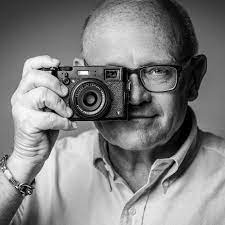
Brian is a UK-based documentary and street photographer. He had his first newspaper photograph published at the age of 14. Now he shoots news, commissioned features and for his personal projects. His passion has always been street photography and he runs StreetSnappers, a London-based street photography hub. He is also a brand ambassador for Fujifilm and use Fujifilm gear exclusively. Brian runs documentary and street photography workshops and teaches as a Visiting Lecturer on photography degree courses.
Follow Brian on Instagram and YouTube for more learning content.
Every book offers something to learn, irrespective of what stage of your photography journey you may be at. This book definitely helped me enhance my learnings on street photography and consolidated some of the lessons I had learnt earlier from other books.
1. Let Street Photography Challenge You.
With a very low barriers to entry into street photography, it becomes all the more essential to create strong images that stand out among the rest and compels you to look deeper. While it is fine to be inspired by great street photographers, you must also let street photography challenge you and stretch your creativity. Given a strong street photograph, requires ability to stir someone’s soul (or evoke emotions), the process of creation must be driven by a genuine self-expression (without worrying what others may think and what so-called rules of street photography are). Therefore, you must find out for yourself what inspires first and then look for a real, raw and authentic snapshot of life as it happens.
Secondly, one must strive to work on projects (multiple is better) with a sense of direction and purpose, as single random images do not lead to a great body of work for an artist.
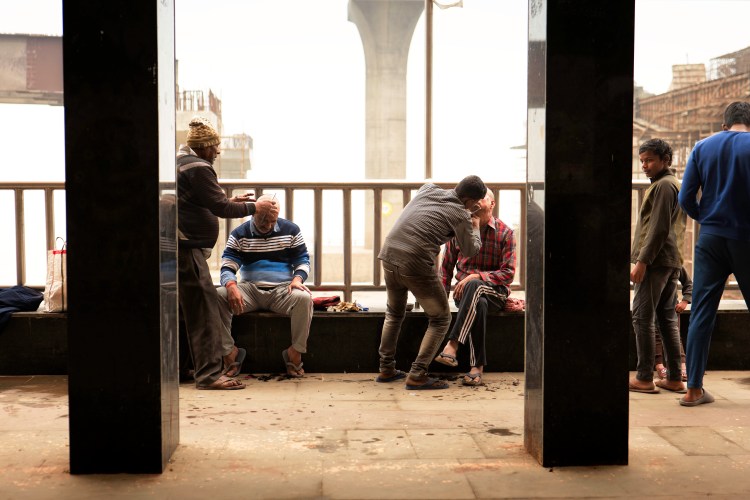
2. Less is More. Keep it Simple and Light
I also liked the one-camera-one lens approach strongly suggested by the author. Less is definitely more in street photography where art takes precedence over technical perfection. The author also suggests using a prime lens (preferably 35mm), over zoom lens, due to its size, weight, sharpness and ability to capture context and spontaneity and going for minimal editing.
3. Layering, Figure-to-Ground and Forced Perspective
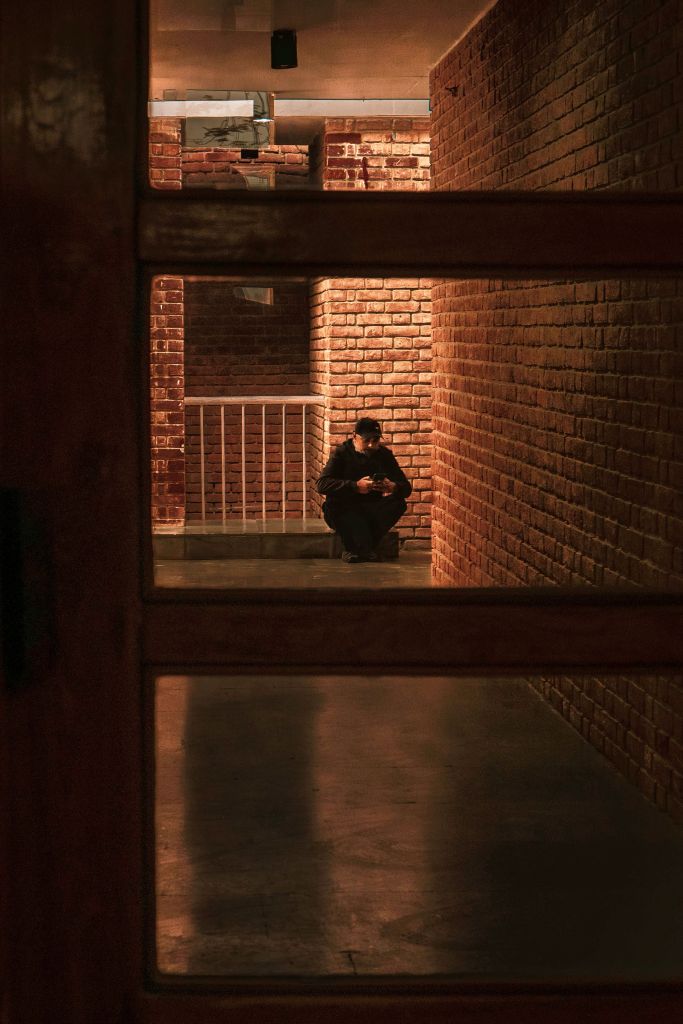
Until I read this book, I was not paying attention to layering (page 49) in street photography, i.e., taking photograph through something (such as glass, windows, fine curtain, etc.). Similarly, I was not consciously looking for Figure-to-Ground (i.e., separating the foreground interest from the background clutter) while deciding the background for my subject (page 50). I was also not aware of the term, ‘forced perspective’ (page 85) in street photography up till now. Needless to say, I will be paying more attention to these going forward.
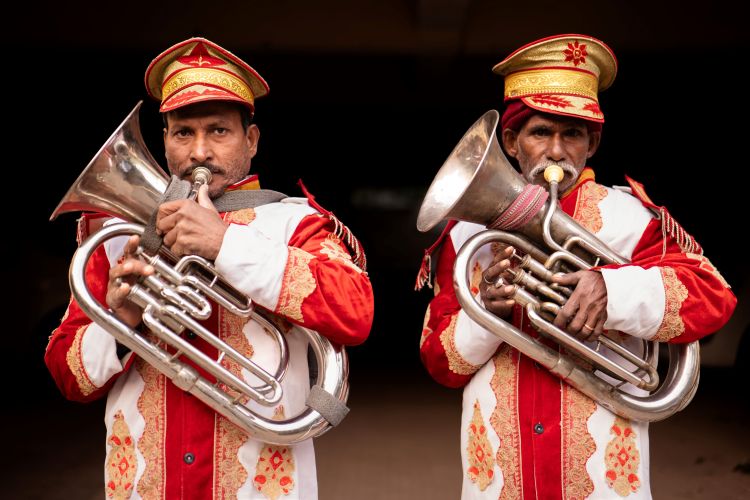
4. Juxtaposition to Add Humor and Contrast
Most importantly, this book, once again, underscored the importance of juxtaposition in street photography, to add humor or create conceptual contrasts and connections. In fact, it has one assignment dedicated to practicing juxtaposition for humor.
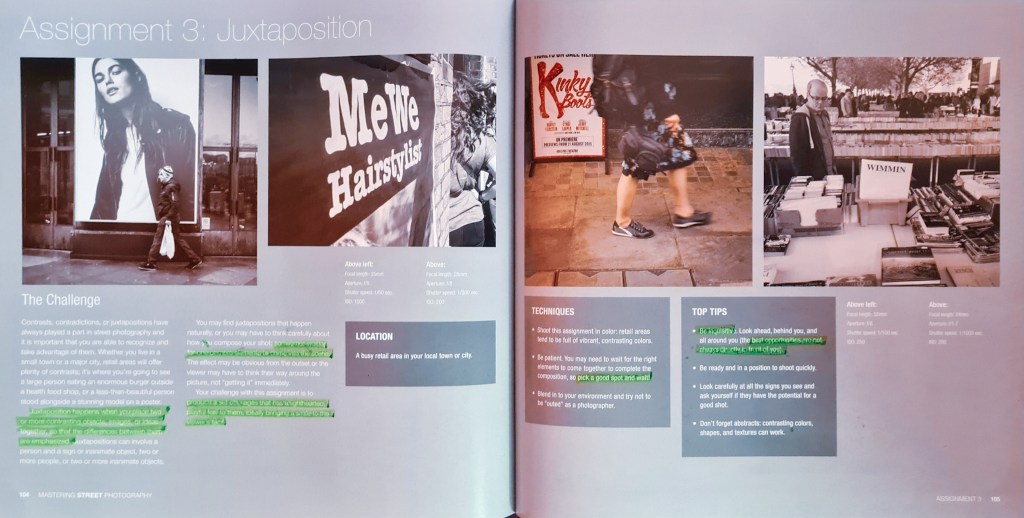

Assignments in this Book
- Alone: Capturing lonely people on the streets.
- Blur: Using creative blur and intentional camera movement to capture motion or bring abstraction.
- Juxtaposition: Using it to add humor.
- Objects: Capturing interesting objects on the street.
- Up Close and Personal: Building confidence to shoot strangers reasonably close.
- Where I live: Building a narrative about where you live.
Brian is also very popular for his series of books on photography assignments. The books are titled as “52 Assignment…” I am currently reading his book “52 Assignments – Black and White Photography” and will share the review soon. In case you wish to explore more, you can also check out, “52 Assignments – Street Photography”.


Fun Facts from This Book:
- A JPEG records 256 levels per color channel as compared to a RAW file which records between 4096 and 16,384 levels.
- You can photograph Eiffel Tower, but not at night as the tower’s lighting system is protected by copyright (page 142).
- In Hungary, it is technically illegal if you take a picture on the streets and someone comes in that shot (page 140).

Bryan Peterson’s Understanding Street Photography: Book Review & Notes


Street Photography Now: Book Review & Notes

1o0 Lessons from Masters of Street Photography: Book Review & Notes
My Street Photography Portfolio
Discover more from Vivek Verma
Subscribe to get the latest posts sent to your email.
 Vivek Verma