
Challenge #1: The Problem of Plenty.
The moment you head out with your camera for street photography, the world opens up with infinite possibilities with anything and everything ready to be photographed. The biggest challenge one has to face is, how do you decide what to click in a vast world (street) brimming with countless subjects?
Unlike other genres of photography where the subject is usually pre-defined or finite, street photography is like a life-size jigsaw puzzle where each pieces (subjects) is constantly moving. Deciding on your final subject (the protagonist) to photograph, requires you to apply multiple level of creative filters in your head. For example, is the subject (by itself) interesting enough to make a photograph and if so why; is the light sufficiently dramatic (or at least supportive). Further, since the scene is as wide as the peripheral vision of your eyes, and also constantly changing at the same time, what do you exclude (or not exclude) from the frame (the supporting cast and props). And then you have to also patiently wait for something interesting to happen in that moment (decisive moment) in relation to your chosen subject.
After you have applied all these filters, your efforts may still turn futile if the subject refuses to be photographed, or you somehow fail to capture a candid shot of the subject. In nutshell, finalizing your subject in street photography is primarily a process of ruthless elimination demanding you to be very discerning, and that is what I find the most challenging part.
The problem of plenty in street photography does not end there. Once you have transferred the images, wading through umpteen number of similar-looking images to decide the one you finally edit and post, requires a much nuanced observation of fine details and critical analysis.
So, how do we overcome this challenge? Let me share a few tips that may help you decide your subjects better and eliminate what is not important, by applying these filters.
1
Follow your Heart (not brain)!
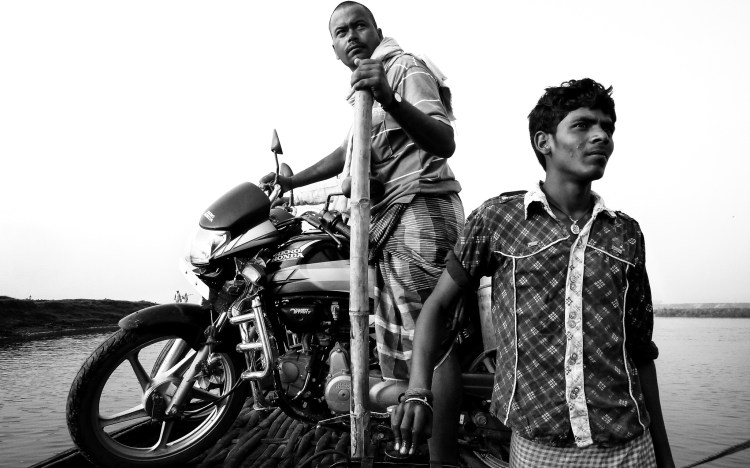
If you trust your intuition and simply follow your heart, half of the subjects visible to others, you would not even notice them. So look for subjects that speak to your heart, or you have an emotional connection with. This can help you eliminate subjects not meaningful to you at a personal level. Afterall, your photography should mirror your own individuality, and not what others may find interesting.
“My photography is not ‘brain photography’. I
– Anders Petersen
put my brain under the pillow when I shoot. I
shoot with my heart and with my stomach.”
2
Work on Projects (not single image).
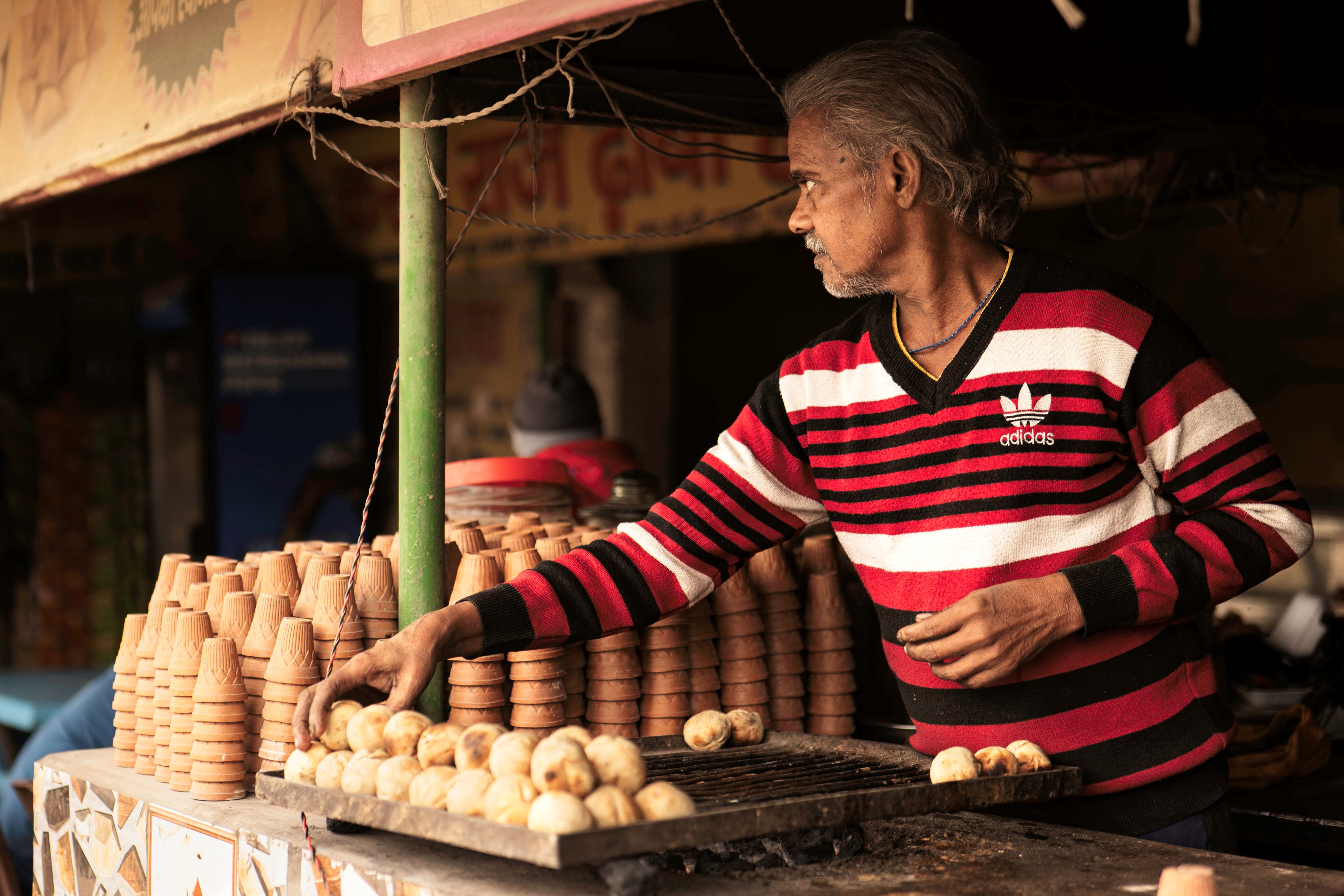
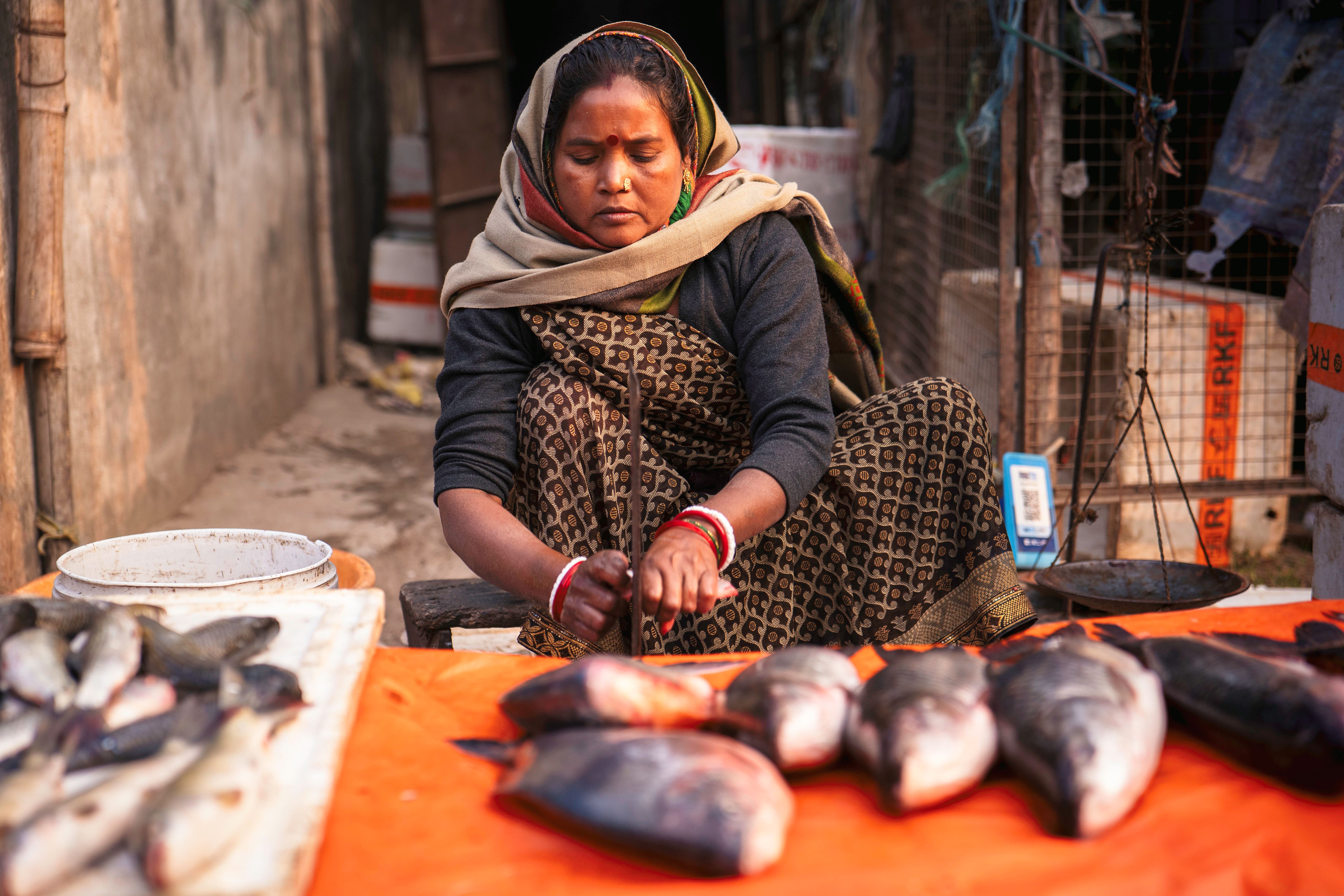
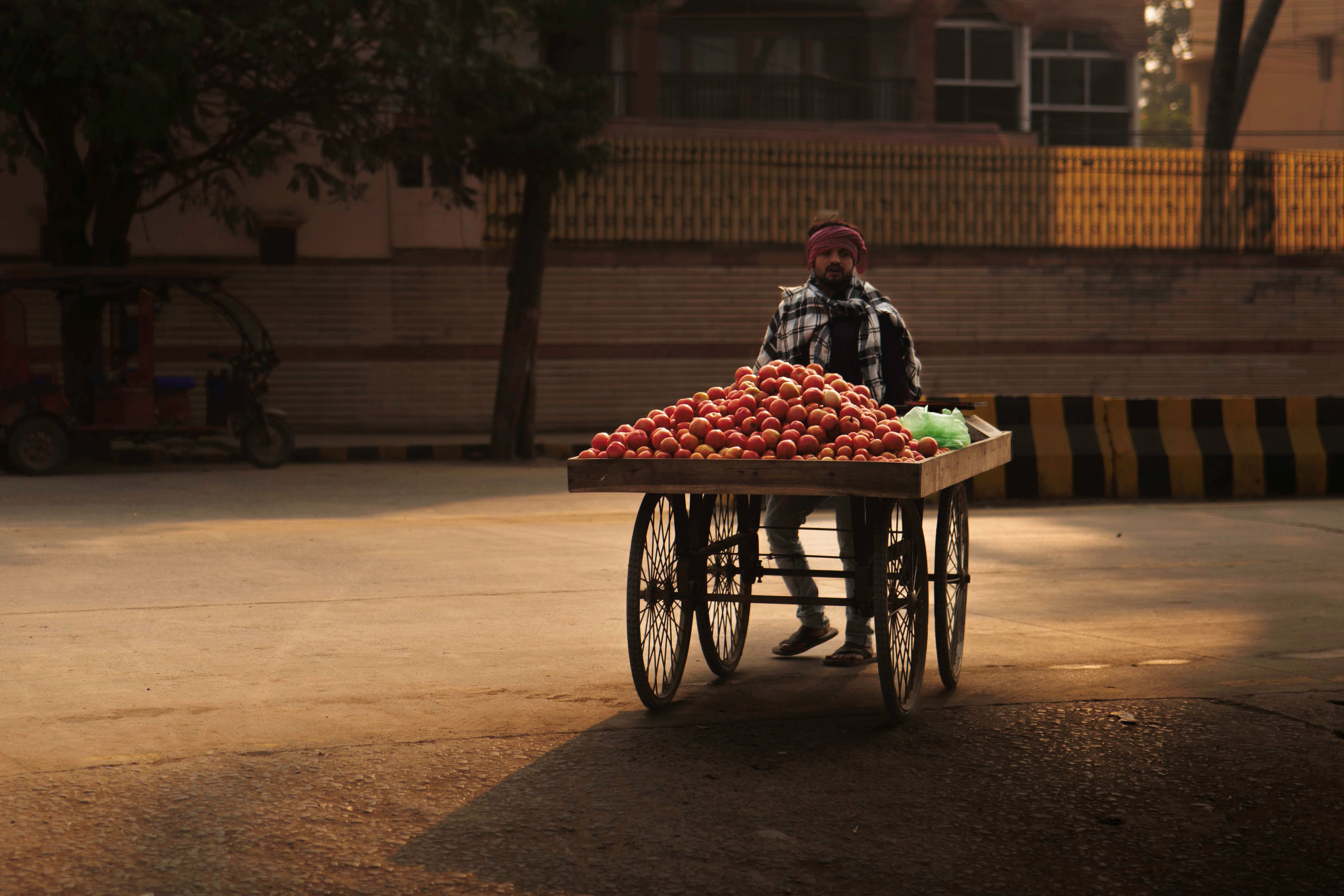
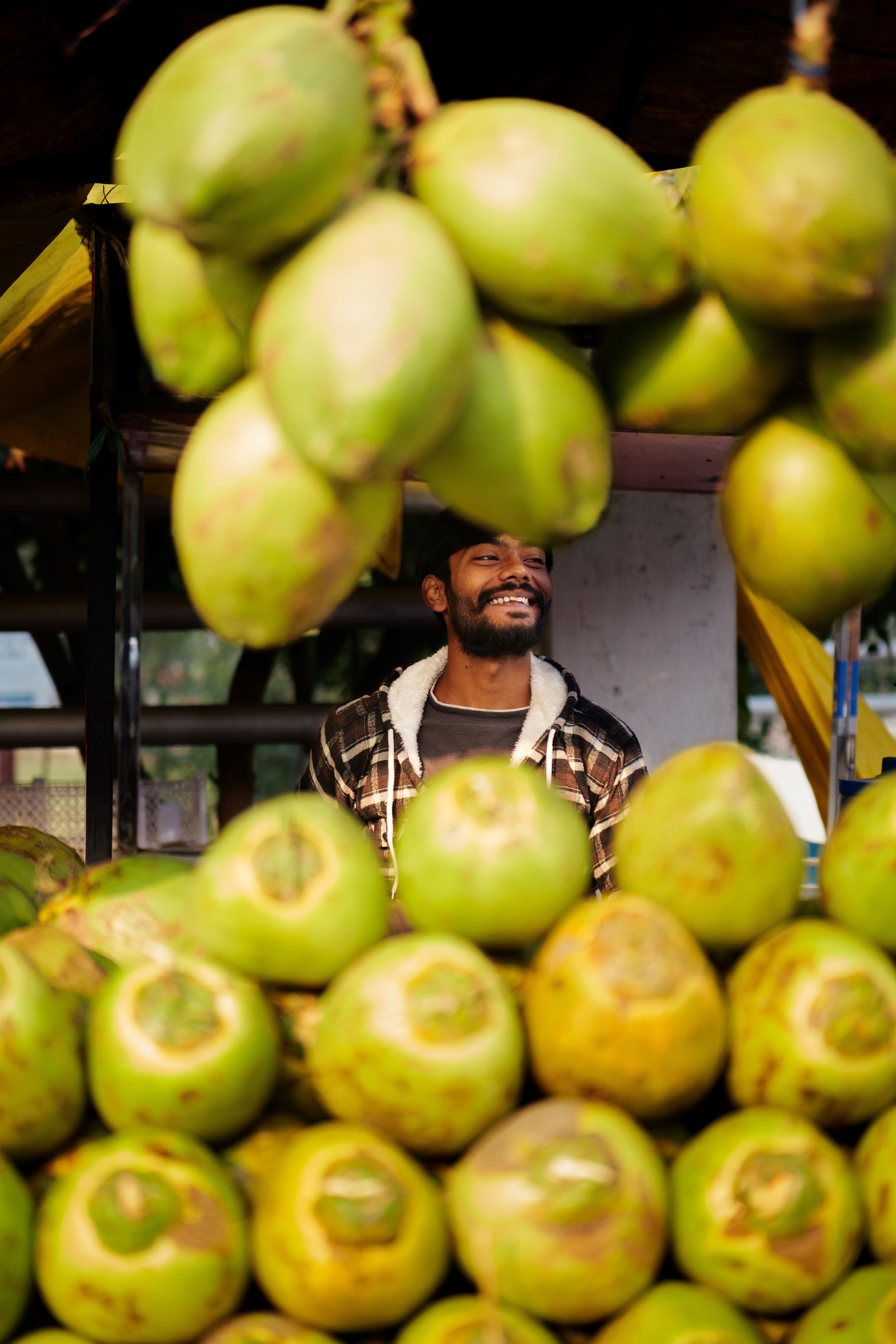
When you pre-define a broad theme or idea to work on (your project), it becomes very easy to ignore all other subjects not relevant to that project. Engaging in long-term projects and building a cohesive body of work can serve as a useful guide in selecting your subjects with intention and discernment. The process of committing to a specific theme or narrative naturally filters out what may be less relevant or impactful. For example, when I am working on my project, “Street Vendors of India”, I overlook and filter everything that has nothing to do with a person selling something on the street.
Learn more:
Tips for Long-term Photographic Projects by Magnum Photos
How to Come Up With a Personal Photography Project Idea by Eric Kim
Photography Projects with Street Photographer Valérie Jardin (Podcast 768)
3
Avoid the Cliché.
If you are on social media, I am sure you must be getting bombarded with overload of visual information every day. Many of them you may find plain cliché or repetitive. One quick example can be portraits of Sadhu (saint) in saffron outfit taken in Varanasi, India. They all look very similar to me and every photographer visiting Varanasi takes this shot. Similarly, capturing poor and homeless to depict poverty is yet another cliche many photographers fall for.
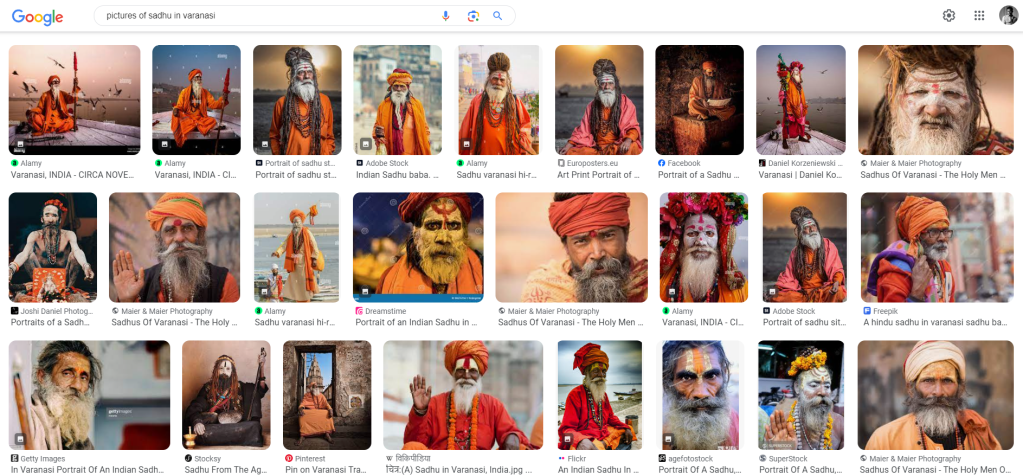
Your viewers are not going to remember you for a photograph they have seen zillion times on social media and internet. Therefore, when you decide to avoid cliché subjects, you have already eliminated what is too mainstream and already done to the death. While there is no harm in clicking what others are clicking, when you are a beginner learning, you must strive to have a fresh approach in terms of your subject selection. This alone can help you filter all that is boring and too popular. But before that you also first need to know what are the common cliches in street photography to subtract them out.
“Sadly, clichés are a bit like faded movie stars who’ve lost the unique look for which they became famous. Every cliché starts out as a strikingly original thought — embodied in art or language — only to become trite with overuse. The phrase “familiarity breeds contempt” is a prime and self-referential example.”
– John Lewell
Learn More:
16 Street Photography Cliches That Are Impossible To Resist (But You Should Still Try)
11 More Street Photography Clichés And How To Avoid Them
Street Photography Cliches: Get Over Them
4
Look for Character.
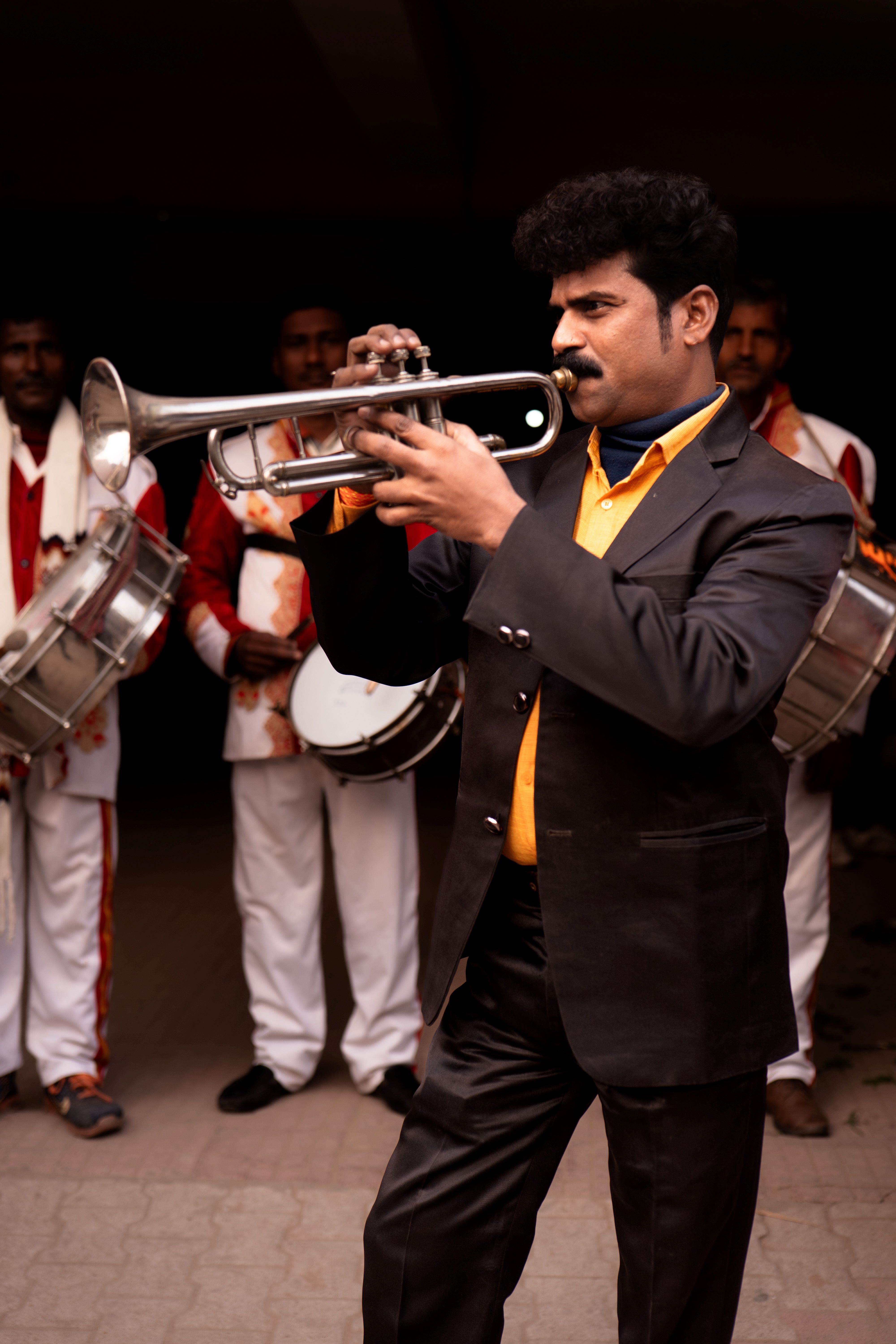
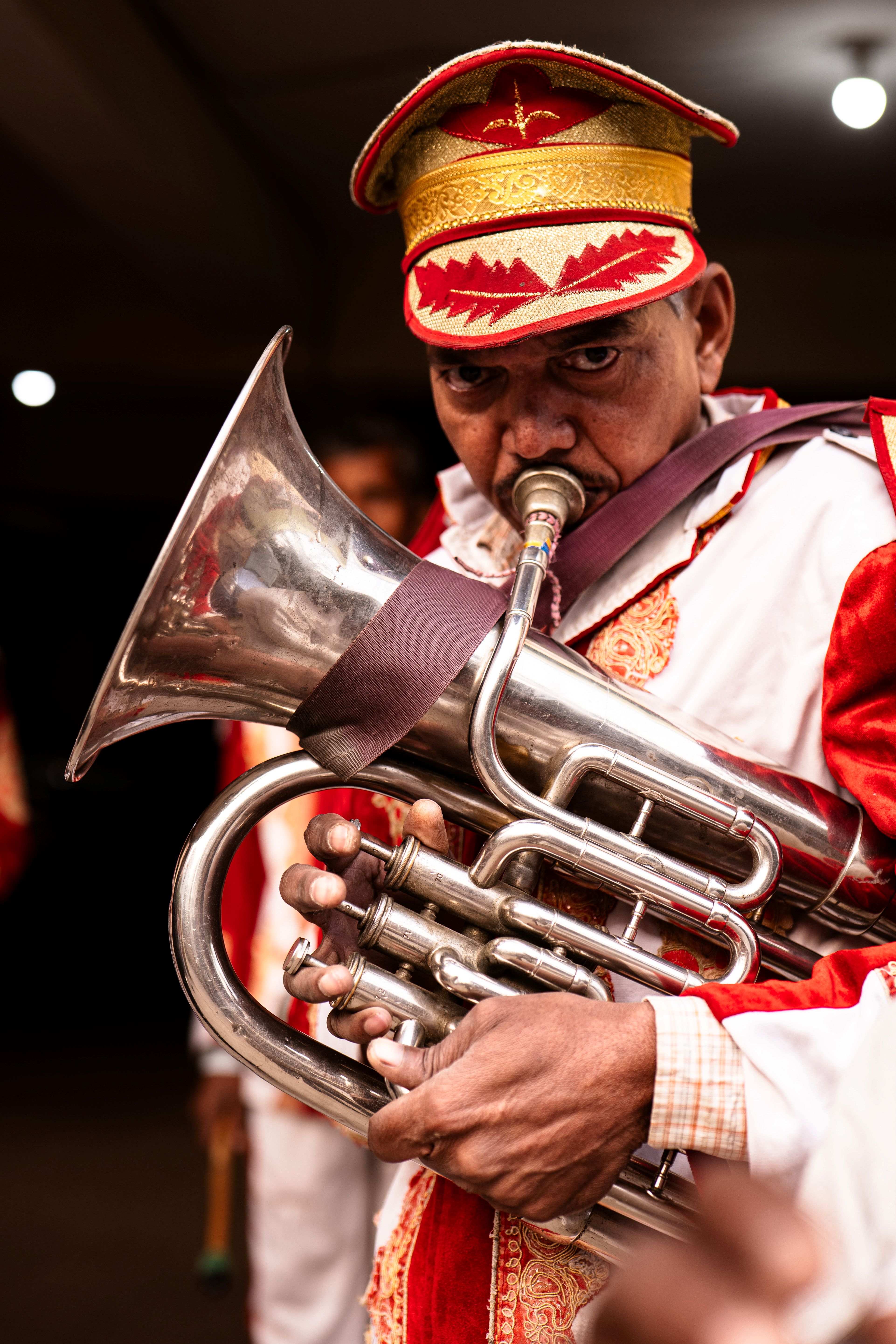
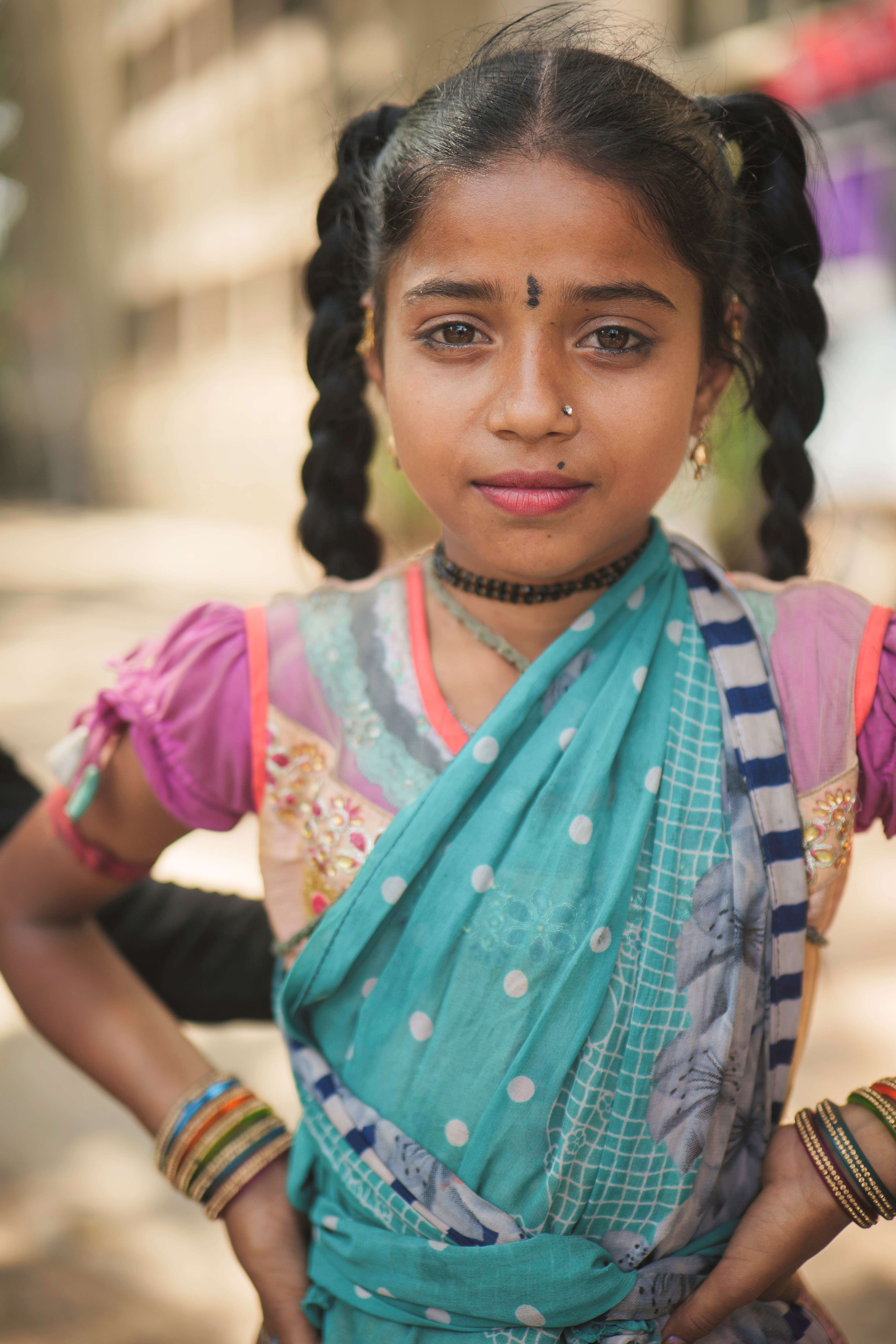
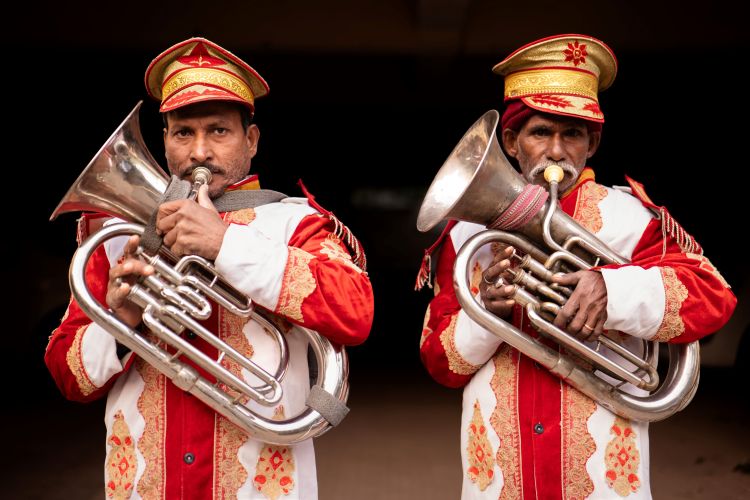
When I am out shooting on streets, I look for subjects with certain “character” that makes them stand out among many other similar subjects. The “character” element can be found in their dressing, color or print of the outfit, distinct face, demeanor, or their action itself. If you have an eye for detail, you will be able to easily identify a subject with character even in a bustling street.
I will only approach someone if there is something interesting, unique or catchy about them. It could be an unusual hat, a well-groomed beard/mustache, or a shirt with funky colors. These special characteristics help me add drama and create compelling street portraits – and not just another image of a stranger.
– Robin Wong

5
Look for (Compositional) Contrast and Connection.
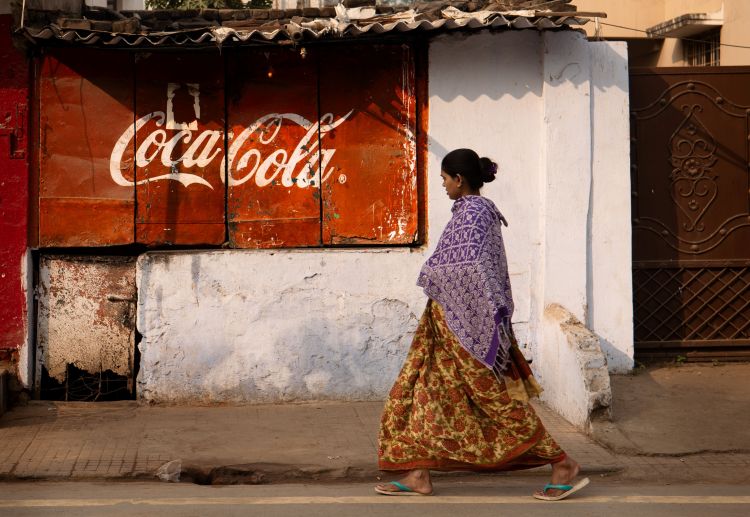
Look for contrast not only as we know it in lighting terms, but also in your subject selection process. For example, contrast can exist between stationary and moving object, old and young, new and discarded, modernism and traditionalism, or any two opposite ideas or subjects in the same frame. Thus, compositional contrast relies on ideas instead of interplay of light and add depth to your story.
Similarly, if you are able to spot ‘connection’ between two or more subjects sharing common traits (e.g., color, pattern, ideas, etc.) that can be a good frame to capture. You can establish connections between non-connected elements in your frame with reference to their color, shape, size, texture or repetition.
Therefore, if you can find contrast or connection, you can simply choose to ignore other subjects that your eyes can see at that time. Once you have established the contrast or connection in a scene, it can also help you exclude other elements from your composition.
LEARN MORE:
6
Ignore Subjects without Any Element of Visual Art or Dramatic Light.
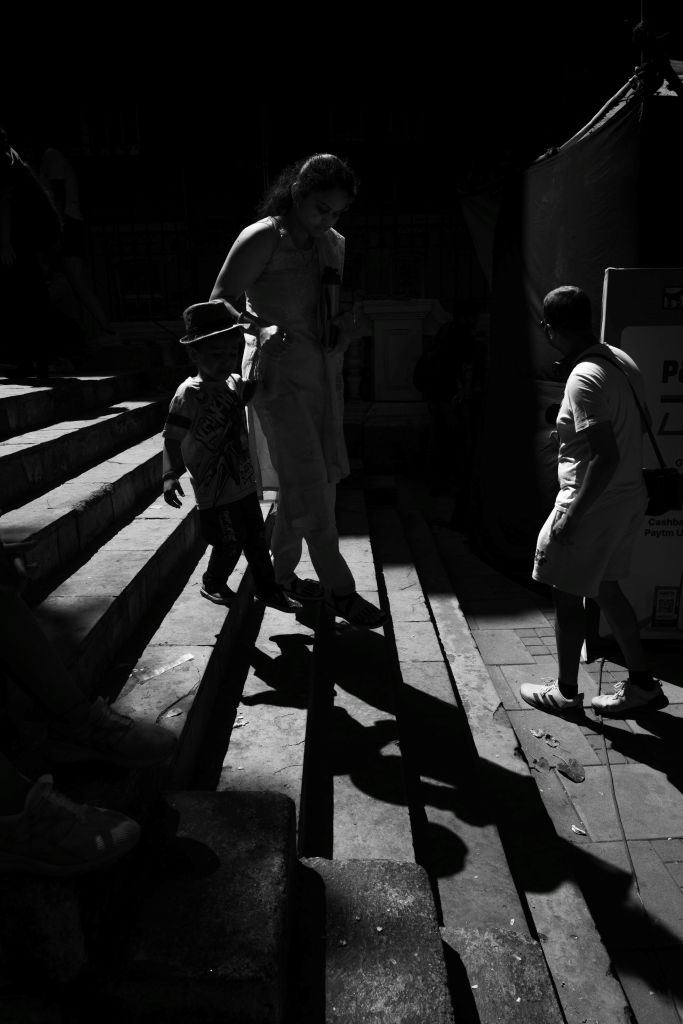
If you find a potential subject, but do not see any element of visual art or dramatic light there, you can choose to ignore those subjects straightaway. Elements of visual art include, shapes, forms, textures, lines, patterns, tones, and colors. In addition, you can also look for dappled light, shadow pockets, reflections, silhouettes. A final photograph without any of these elements or dramatic light is most likely to be boring and less impactful. So look for these elements as part of your subject selection process.
Know more about the elements of visual art here and here.
And then there are other challenges in street photography like, whether or not to take consent from your subject, creating a body of work over several years, developing your own individualistic style without repeating yourself, and eventually gaining an expertise in consistently producing great street photographs instead of relying on luck. I will discuss these challenges in my upcoming posts on this blog, and share what could be the possible ways to overcome these day-to-day struggle and challenges of a street photographer.
If you wish to see my street photography work, please click here.
If you would love to read reviews of popular street photography books and what I learned from these books, please click here and here.
Love and regards,
Vivek
Discover more from Vivek Verma
Subscribe to get the latest posts sent to your email.
 Vivek Verma