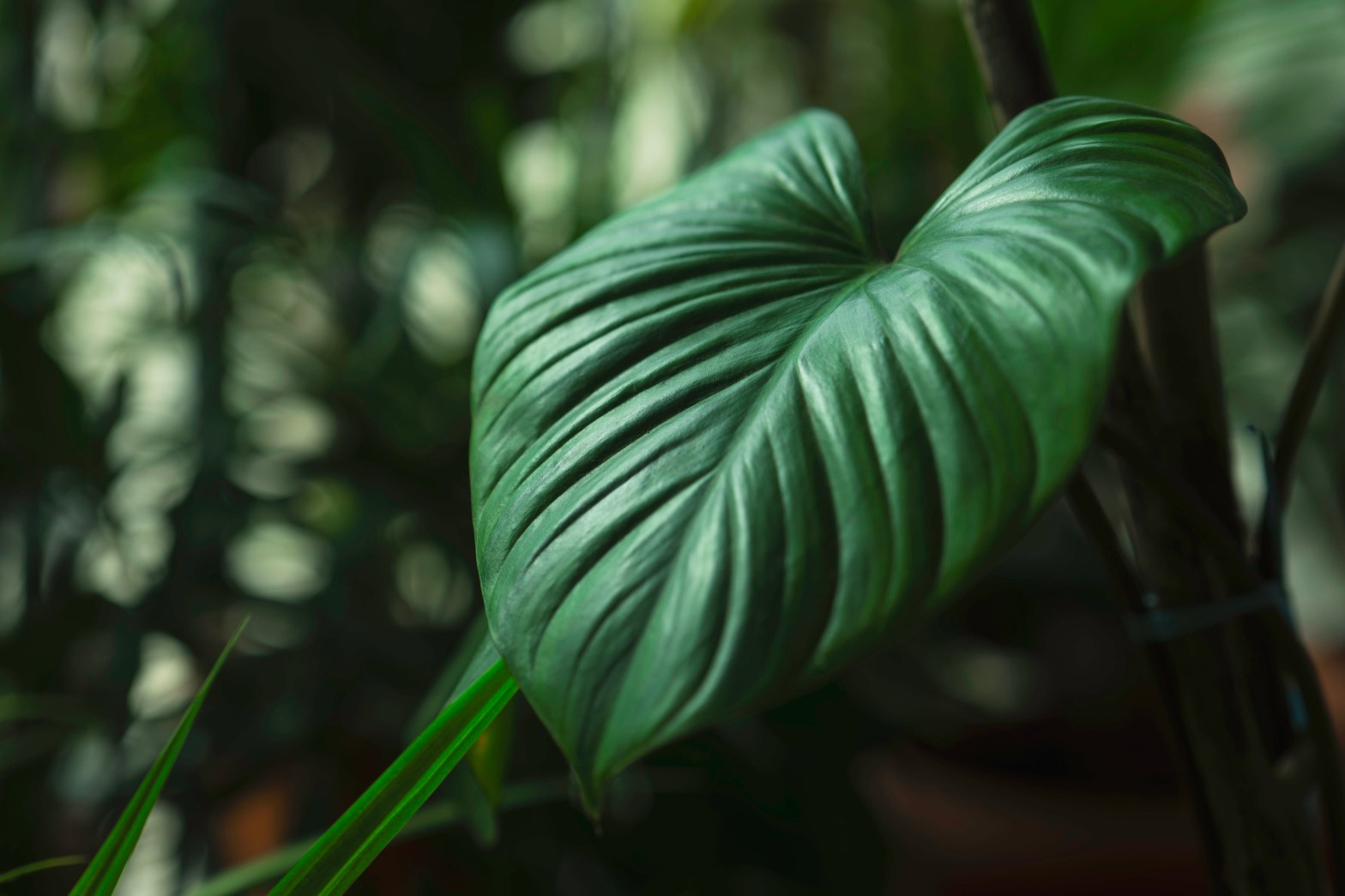
In the throbbing heart of Mumbai, where skyscrapers reach for the heavens and greenery seems like a distant dream, a personal garden emerges as an oasis of tranquillity, offering an idyllic respite. Embarking on a balcony gardening escapade not only gave my space a rejuvenating breath of fresh air but also helped me reconnect with nature’s rhythms. So buckle up as I delve into the verdant realm of urban gardening in Mumbai, spotlighting the choicest indoor plant marvels that thrive amidst the city’s microclimate. Plus, I’ll sprinkle some green-thumb wisdom to help you tend and nurture these beauties
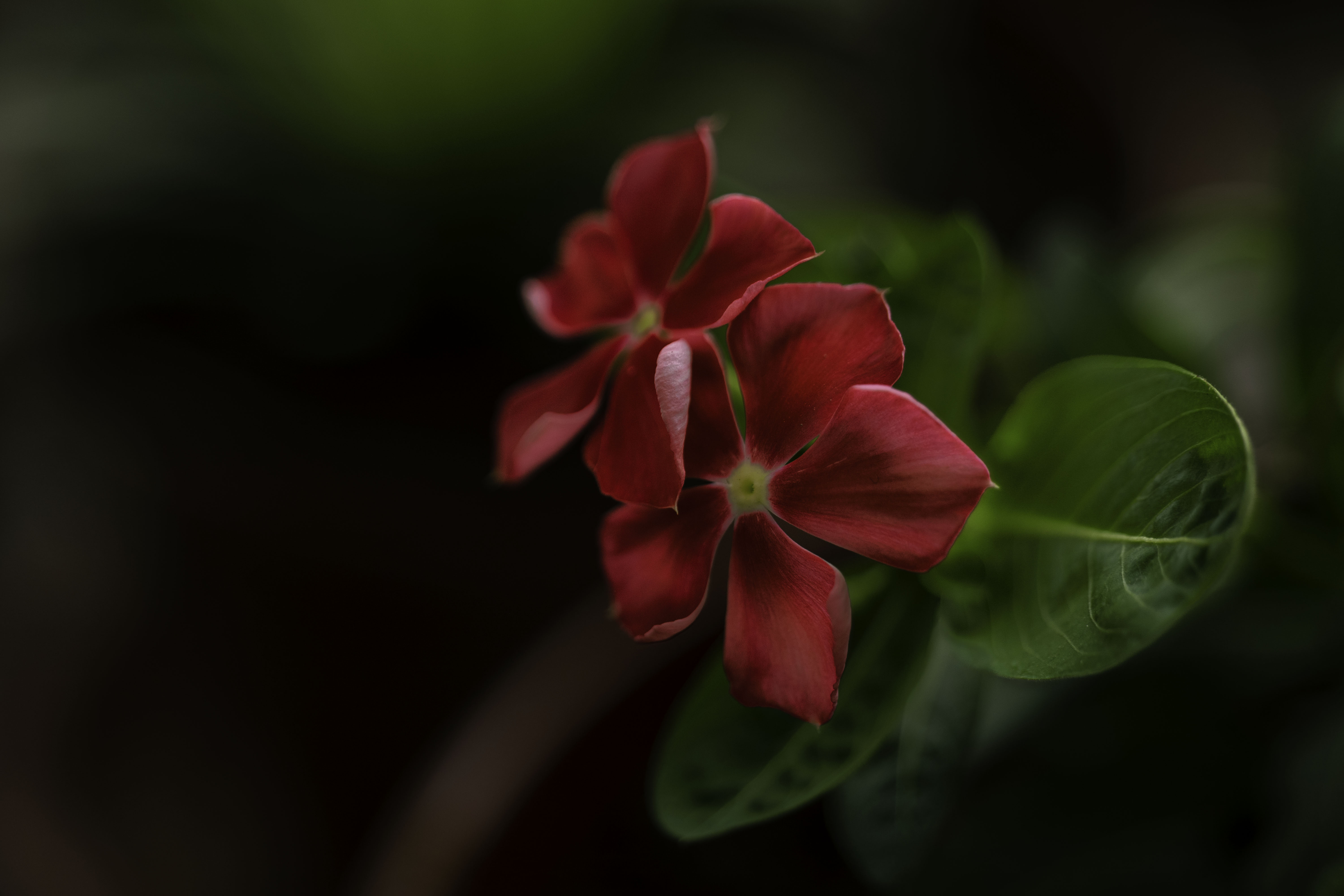
Gardening Gains Amidst Mumbai’s Urban Hustle.
Beyond the visual spectacle of a flourishing garden, the mere act of nurturing your plants is a gift to your soul and body, triggering the release of endorphins – nature’s mood enhancers. This communion is scientifically proven to alleviate stress, reduce anxiety, and uplift mood. But that’s not all – these mini-green paradises also pull double duty as nature’s air purifiers and insect repellants, exuding positivity with every ounce of oxygen released.
The tactile experience of handling soil, leaves, and flowers has become a meditative practice for me, grounding me in the present moment. In the realm of Vastu Shastra, the presence of plants holds profound significance and is believed to invite positive energy, harmony, and prosperity. In a city that runs at breakneck speed, growing plants has definitely helped me slow down, stay away from digital devices, reconnect with nature, and witness the intricate dance of life firsthand. When I watch my plants flourishing, I find it a reflection of our own growth and prosperity.
Selecting Sassy Indoor Greenery.
Picking the right flora comrades for your Mumbai balcony can spell the difference between a thriving oasis and a wilted wilderness. Mumbai’s tropical climate, with its balmy humidity and moderate temps, is a prime playground for these indoor horticultural heroes:

Snake Plant (Sansevieria trifasciata)
The tough-as-nails trooper with air-purifying prowess, thriving under various light scenarios, making it the multitasking champion of your balcony. Owing to its origin in the tropical regions of Africa, Madagascar, and some parts of Asia, it forms an integral part of African culture where it is revered not only as a symbol of good luck and fertility but also as the god of war. Studies, including those conducted by NASA, have consistently found that this plant has the remarkable ability to remove toxins such as formaldehyde, xylene, toluene, and nitrogen oxides from the air. Unlike most plants that release oxygen during the day, the Snake Plant is a nocturnal oxygen emitter. If you’re a novice gardener, it is also forgiving of occasional lapses in care, making it a perfect gateway plant for those venturing into the world of indoor gardening.
Pro Tips: Be cautious when watering, especially during Mumbai monsoon and peak winter of north India, better to err on the dry side.
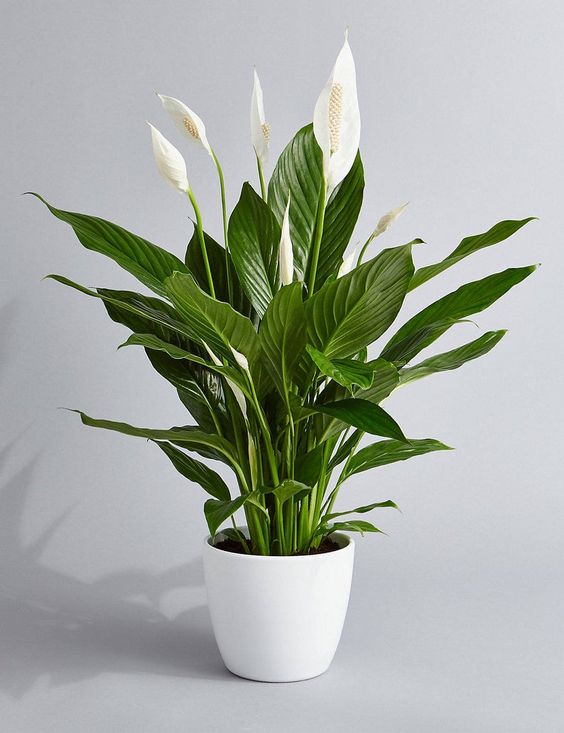
Peace Lily (Spathiphyllum)
Elegant and adaptable, this delicate white blossom whisperer thrives in dim corners, basking in low-light glory. These elegant plants moonlight as air-purifying gurus. They have a knack for removing toxins like ammonia, benzene, and formaldehyde from the air, essentially giving your home a natural detox. Their iconic white spathe (that’s the fancy name for the petal-like part) might resemble a flower, but it’s actually a modified leaf! The real tiny flowers are on the central spike, doing a hidden floral performance. In Victorian times, these graceful plants were often gifted to convey a sense of calm and well-wishing.
Pro Tips: If you notice the leaves turning yellow or brown it might be getting too much light. Avoid exposing it to direct sunlight. If the leaves start drooping, it’s a sign that it needs water. The good news? They bounce back quickly once hydrated. Don’t over-fertilize this plant.
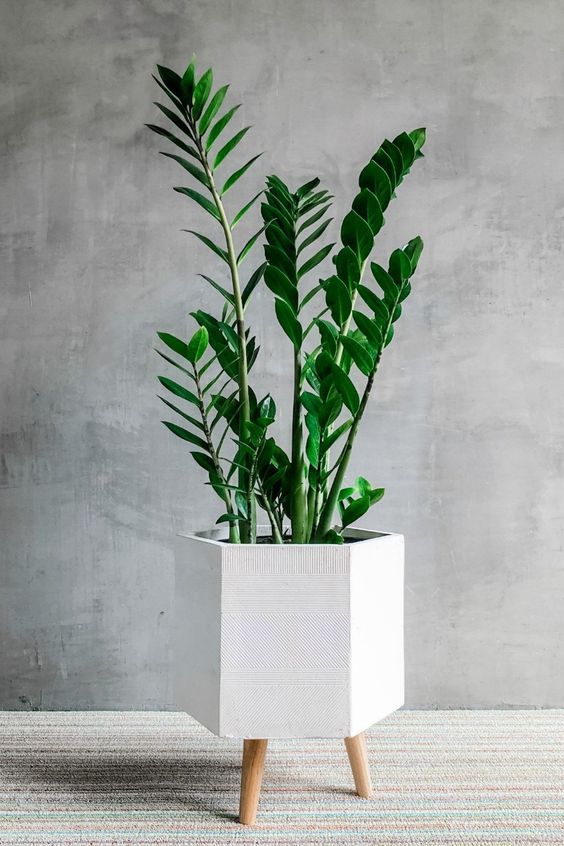
ZZ Plant (Zamioculcas zamiifolia)
The unsung hero of neglect-tolerance, this plant boasts the equivalent of a black belt in survival against low light and benign neglect. Its cool nickname comes from its scientific name, Zamioculcas zamiifolia. Native to Eastern Africa, specifically areas of Kenya and Tanzania, the plant stores water in its rhizomes (underground stems) allowing it to survive extended periods of drought. This adaptation is similar to how succulent plants store water in their leaves. It was included in NASA’s Clean Air Study, which aimed to identify plants that can effectively filter toxins from the air in enclosed spaces like space stations. Its glossy leaves and modern, geometric growth pattern can add a touch of elegance to both contemporary and traditional spaces.
Pro Tips: Avoid exposing them to direct sunlight, especially during the hot afternoon hours. Overwatering can lead to root rot, so it’s better to err on the side of underwatering. In winter, reduce watering even further as the plant’s growth slows down.
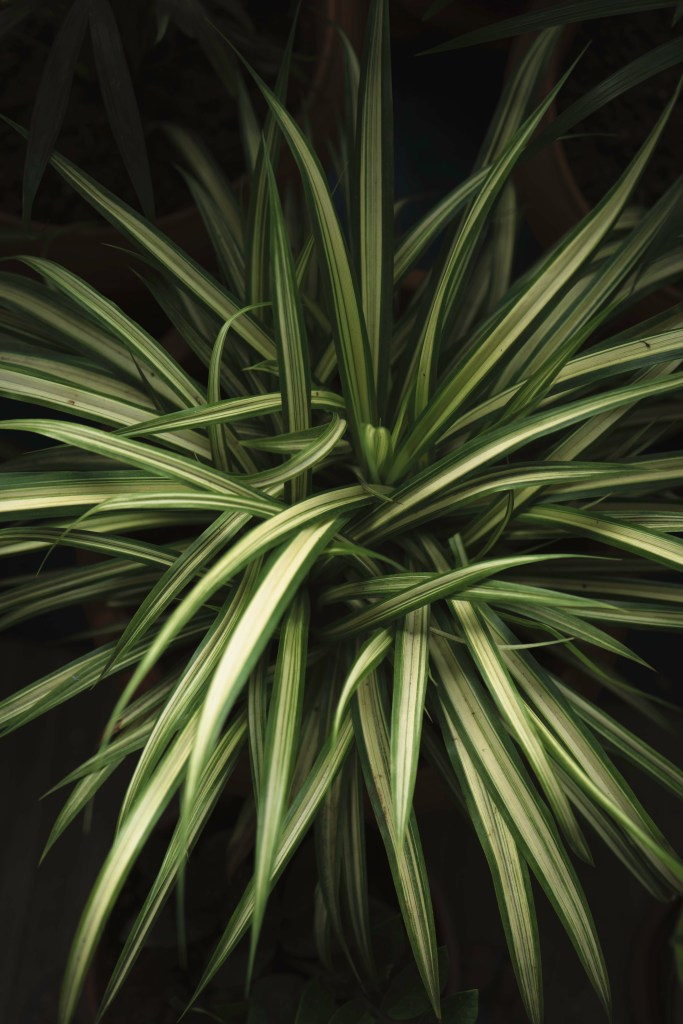
Spider Plant (Chlorophytum comosum)
A true superhero of air purification, this web-spinning wonder loves indirect sunlight and rewards you with cascading foliage drama. They send out long, arching stems known as “runners” that produce baby plantlets at their tips. Besides “spider plant,” this plant is also known by other names such as “airplane plant” due to the way the plantlets dangle like tiny airplanes from the mother plant, and “ribbon plant” due to the shape of its leaves. Spider plants are capable of asexual reproduction through their plantlets. This means they can produce genetically identical offspring without the need for pollination or seeds.
Pro Tips: Avoid direct sunlight, especially during the hottest parts of the day. Choose a pot that provides adequate space for the plant’s growth but isn’t excessively large. Spider plants prefer slightly crowded conditions. Remove any browning or yellowing leaves promptly.
Today, my three balconies proudly host a flourishing family of over sixty plants – a lively green heaven right inside my house!
From the unflappable resilience of the Snake Plant to the graceful elegance of the Peace Lily, these green companions have transformed my space into a living artwork. So, join me as I introduce you to my most cherished indoor plant family:
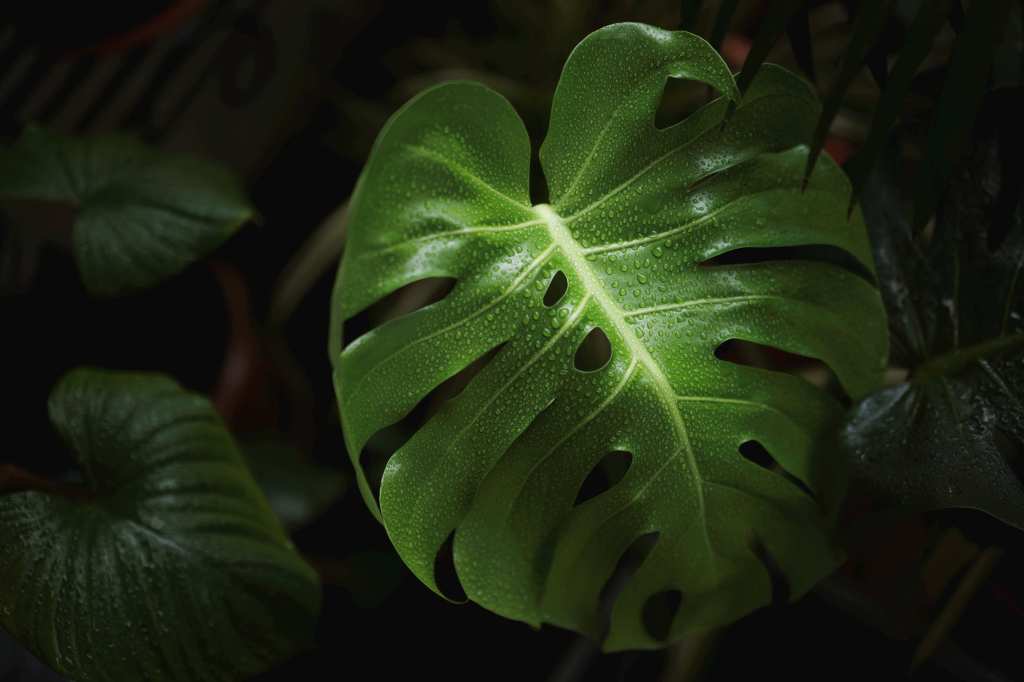

Monstera Delicosa/Swiss Cheese Plant
Absolutely Monstera-licious! This tropical diva, the Monstera plant, takes the spotlight as my absolute favourite. With its snazzy leaf design and those laid-back, beachy vibes, it’s like a mini vacation in plant form. Pop it anywhere, and bam! Instant elegance upgrade. It’s like Mother Nature’s way of saying, “Let’s sprinkle a bit of lush paradise right here!”

Plant Care Tips:
– As this plant prefers bright, indirect light, place it near a window with filtered sunlight or a few feet away from a bright window.
– A potting mix that includes peat, perlite, and pine bark is often a good choice.
– Its aerial roots help the plant cling to trees in their natural habitat. You can provide support for your plant by using a moss pole or a trellis.
– To ensure even growth, rotate the plant periodically so that all sides receive adequate light.
Homalomena

Aglaonema ‘Siam Red’

Kalanchoe Plant

Aglaonema Commutatum Silver Queen

I adore Homalomena for its captivating foliage that effortlessly brings a touch of nature’s artistry into my space, creating an atmosphere of tranquility and beauty.
Plant Care Tips:
– Homalomena plants thrive in medium to bright indirect light. Place them near a window with filtered light or in a slightly shaded area indoors.
– Homalomena prefers slightly moist soil, but overwatering can lead to root rot.
– Adding perlite or orchid bark to a standard indoor plant mix can help improve drainage.
– Choose a pot that provides a bit of room for growth but doesn’t overwhelm the plant with too much space.
Areca Palm

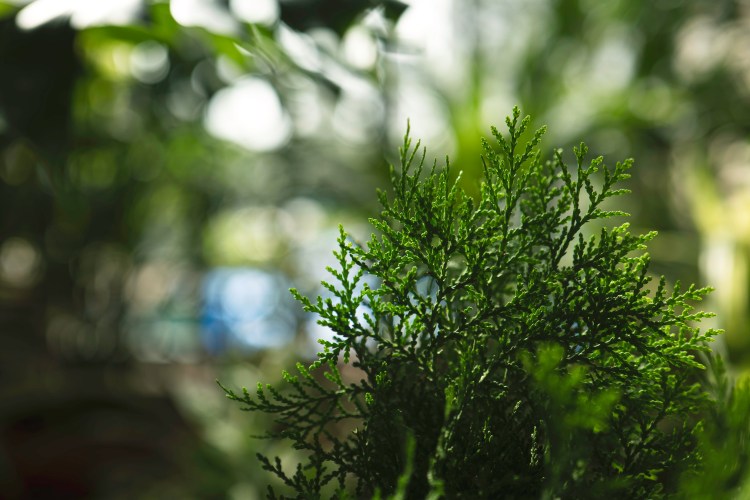
Thuja standishii
Rubber Plant

Pedilanthus Variegated Plant

Cultivating and Caressing Your Urban Eden
Sure, these plants have a natural knack for surviving the Mumbai madness, but your TLC will catapult them from survivors to thrivers. Here’s your exclusive backstage pass to cultivating garden royalty:
Sun Salutations: While direct sunlight can be a mood spoiler, gentle, filtered sunlight is a spa day for your indoor buddies. Opt for spots with light but not the blazing sun-in-your-eyes kind.
Hydration Hustle: Water-wise is the way. Gauge soil moisture with your fingers before the hydrating act, ensuring the soil isn’t soggy. Prevent waterlogging like it’s the villain in your gardening epic.
Upgrading Homes: As your plants grow, they may outgrow their pots. When repotting, gently loosen the root ball and choose a slightly larger container. Fresh potting mix replenishes nutrients and provides ample space for roots to spread, resulting in happier, lusher plants.
Humidity High-Five: Mumbai’s sultry air often covers the humidity quota, but occasional misting is like a spa day for your plant pals – an indulgence they appreciate.
Soil Savvy: Select a potting mix tailored to your plant’s needs. Some plants prefer well-draining mixes, while others thrive in moisture-retentive ones. Ensure your potting mix is well-aerated by adding materials like perlite or vermiculite, and coco chips. Good aeration promotes healthy root growth and prevents waterlogging, which can be a root’s worst nightmare.
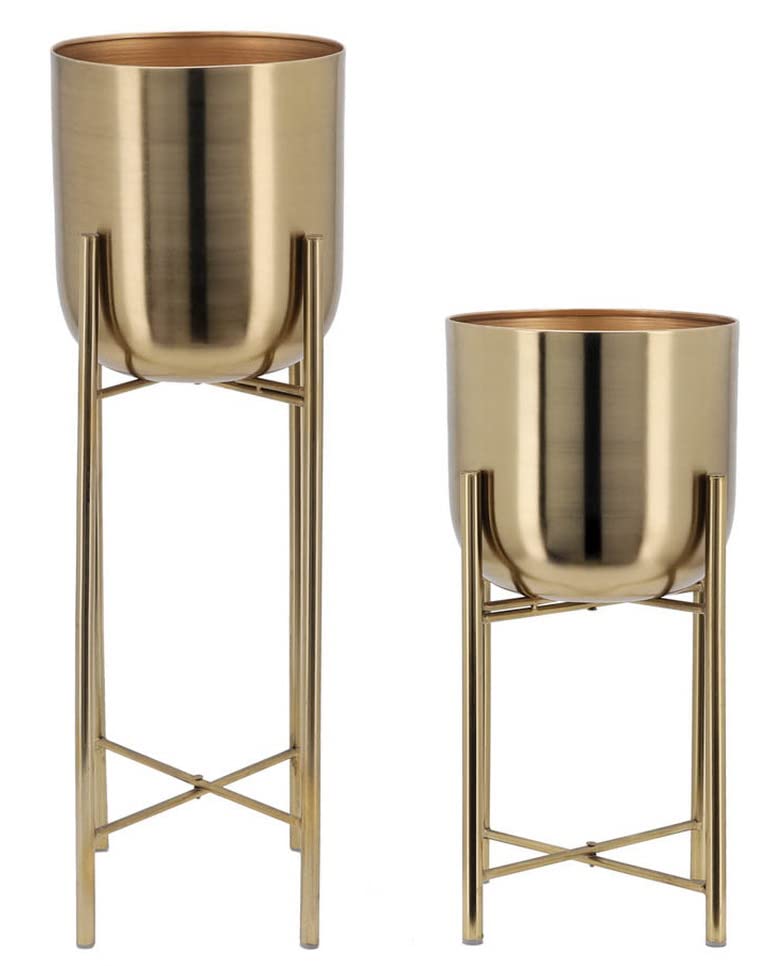
I’m excited to share a treasure trove of planter and pot ideas with you, offering a world of inspiration to elevate your gardening space to new heights!


Delve into a selection of my handpicked planters, pot stands and gardening tools that blend seamlessly with your style, turning every plant into a statement piece.

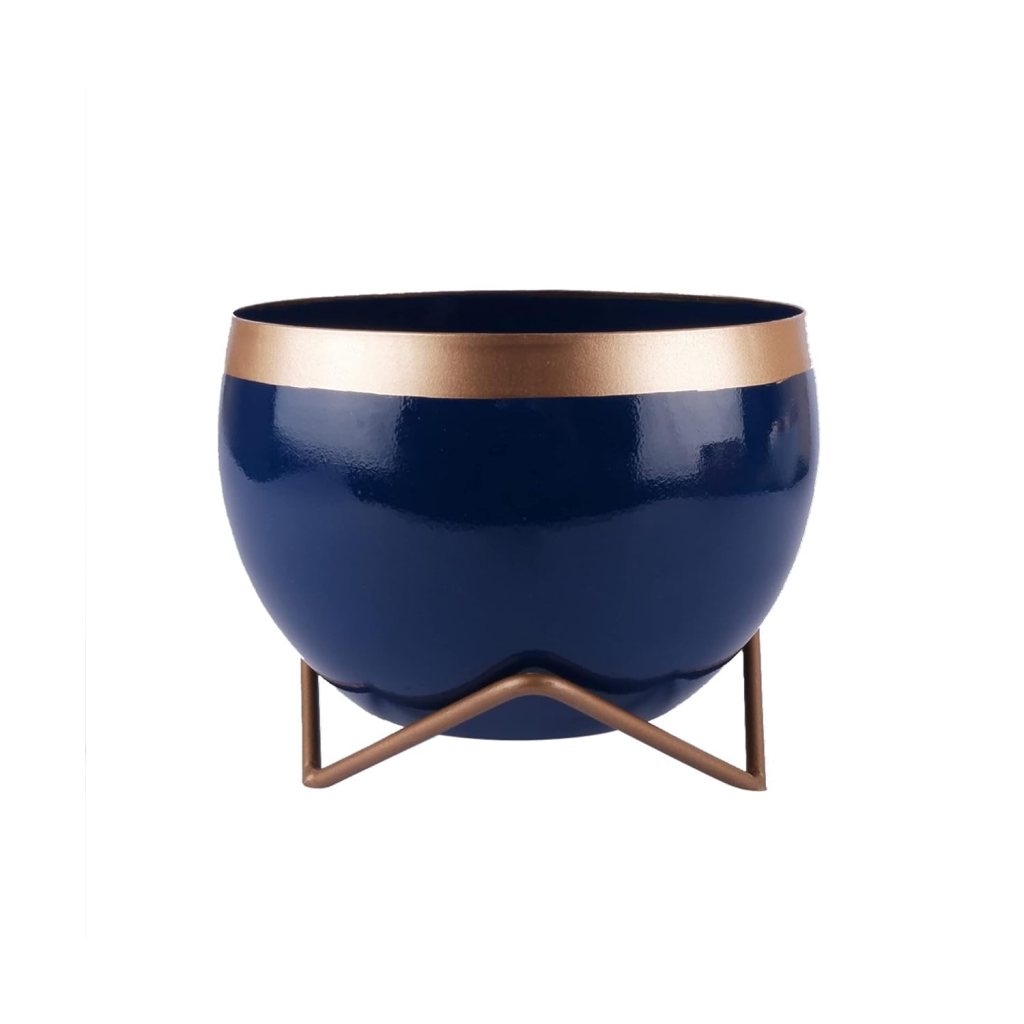

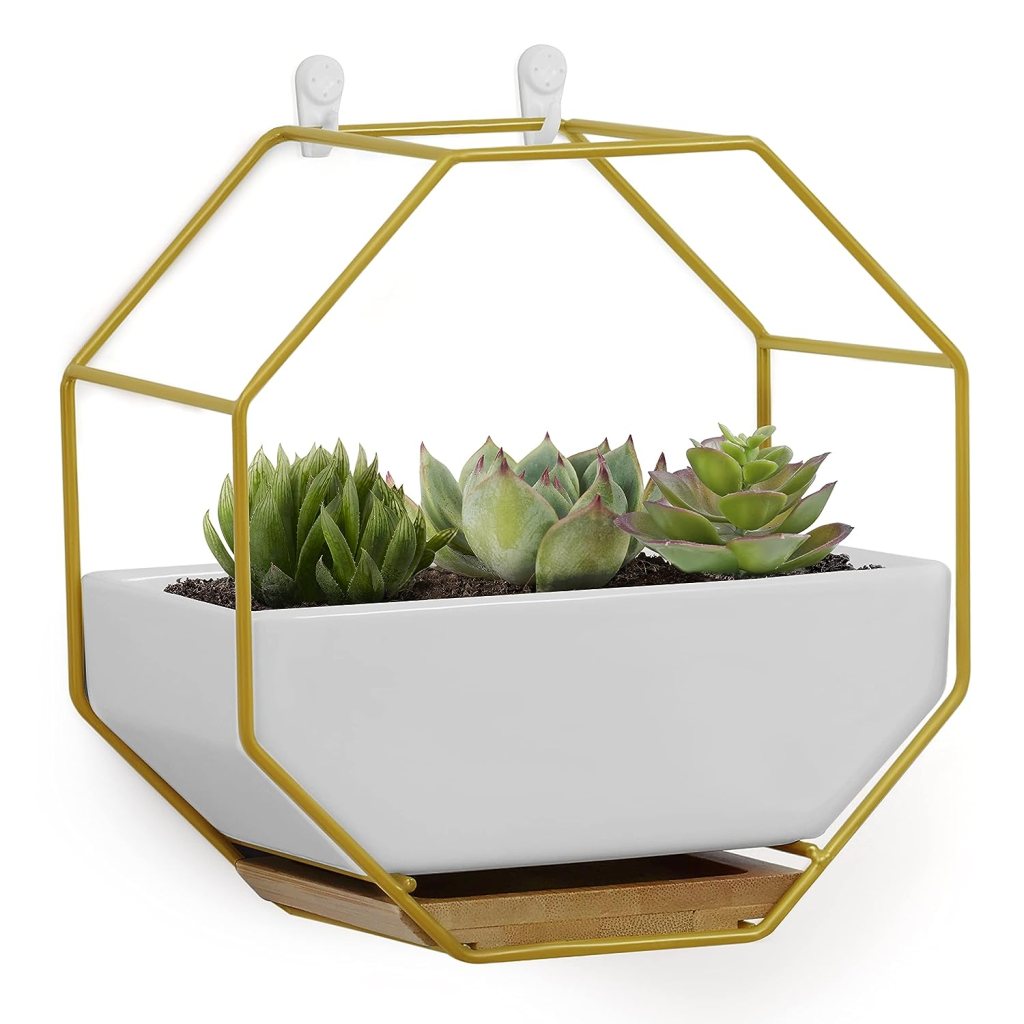



So, whether you’re tending to a sprawling garden or nurturing a humble windowsill herb, remember that each leaf you nurture is a brushstroke in your personal canvas of well-being. Embrace the therapeutic embrace of plant parenting, and let the lush foliage be your symphony of serenity in the cacophony of modern living.
Happy gardening, and may your urban jungle thrive like a true horticultural maestro!
References:
NASA’s Oxygen Abode Guide
Balcony Gardening Magic
Horticulture Hacks for Beginners
Discover more from Vivek Verma
Subscribe to get the latest posts sent to your email.
 Vivek Verma